
Portfolio For Job Interview
Building an effective interview portfolio is a strategic step for anyone preparing to make a memorable impression during a job interview. Whether you’re a recent graduate entering the workforce, an experienced professional transitioning to a new industry, or a creative looking to showcase your talents, having a well-organized portfolio can set you apart from other candidates. The best interview portfolios are more than just collections of documents—they are thoughtfully curated narratives that visually and tangibly reinforce your skills, achievements, and professional journey. As the weather warms and hiring activity often picks up, many job seekers find themselves navigating interviews both in-person and virtually. This is an ideal time to consider how your portfolio reflects your personal brand, communicates your expertise, and demonstrates your preparedness for the next step in your career.
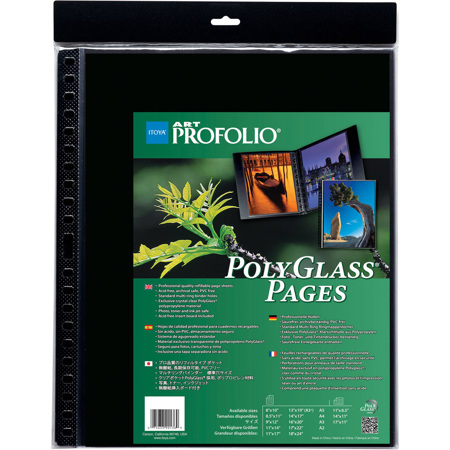
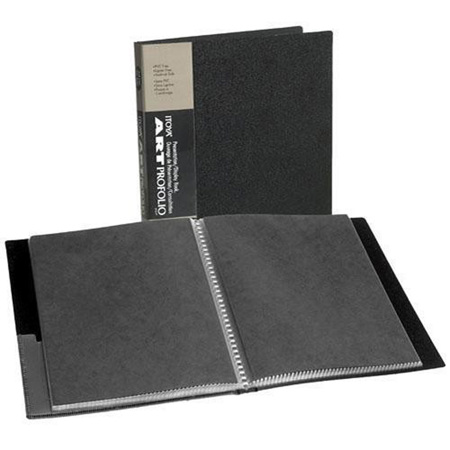
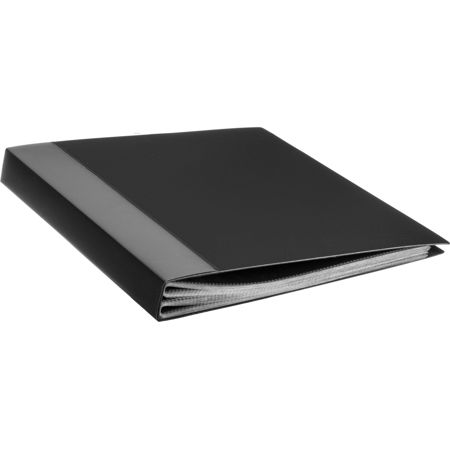
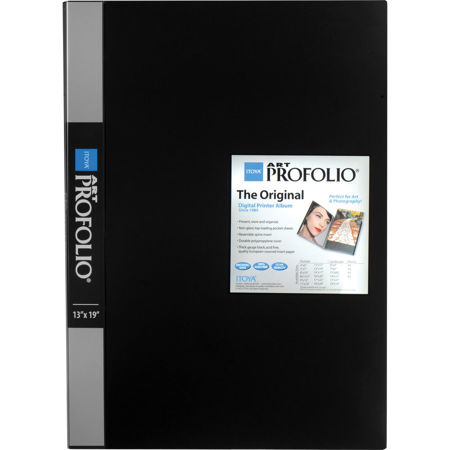
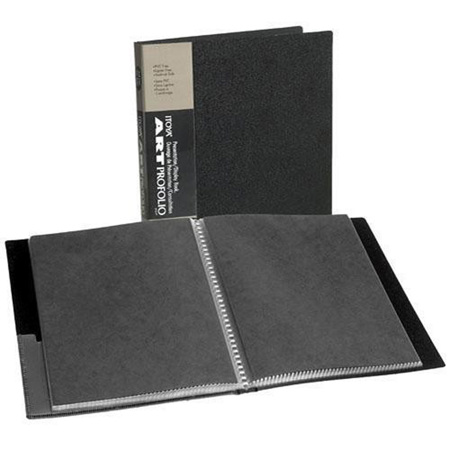
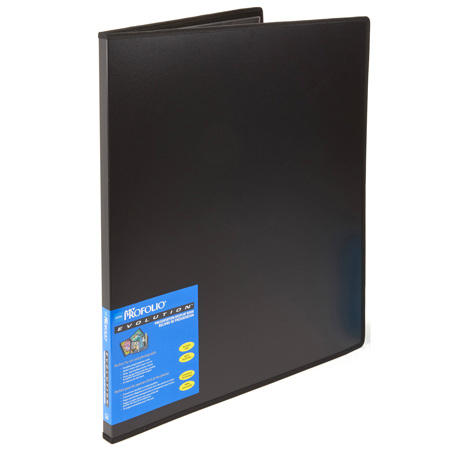
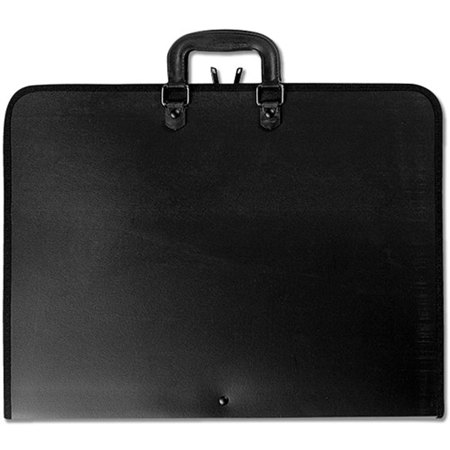
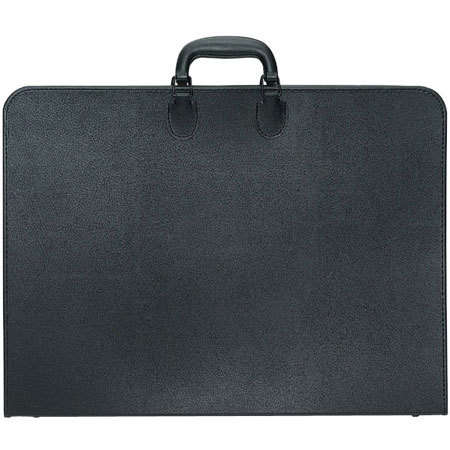
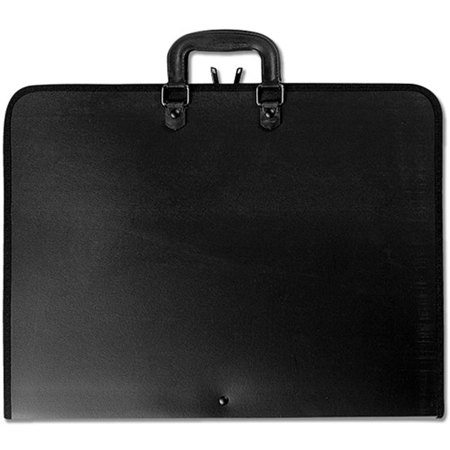
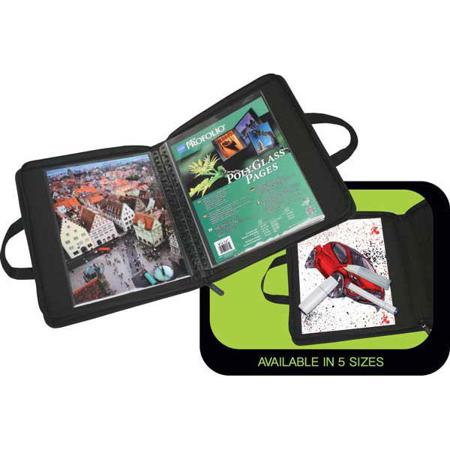
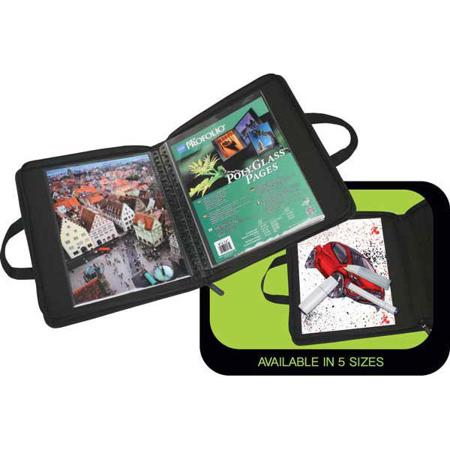
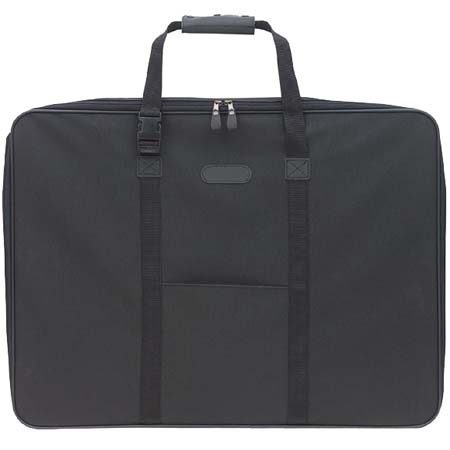
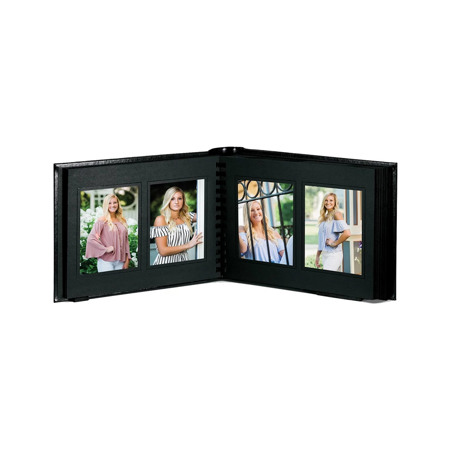
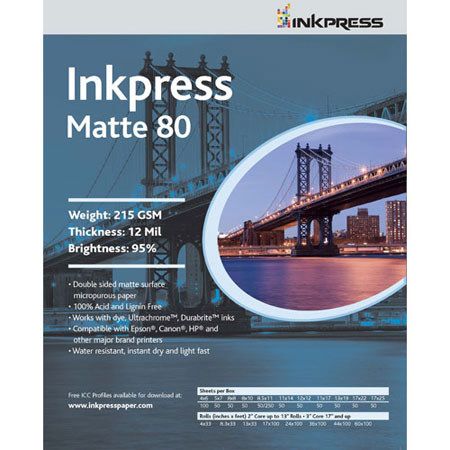
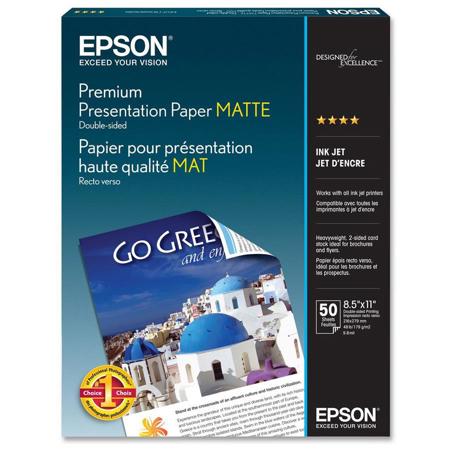
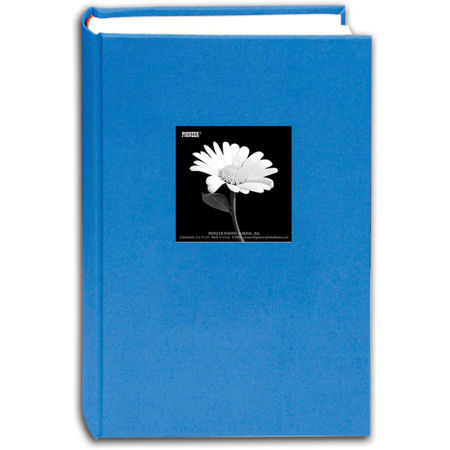
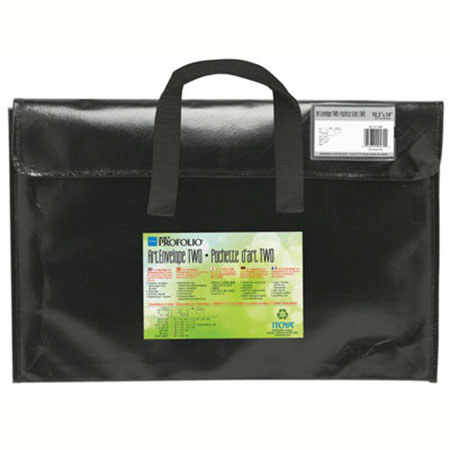
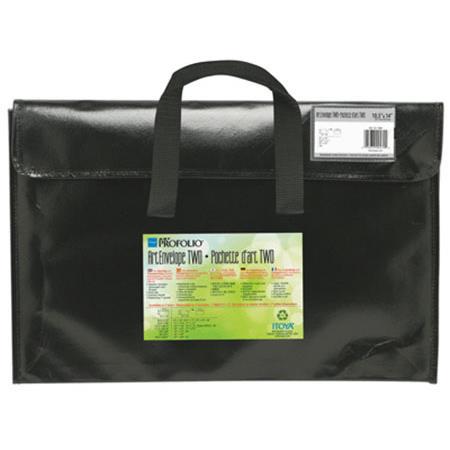
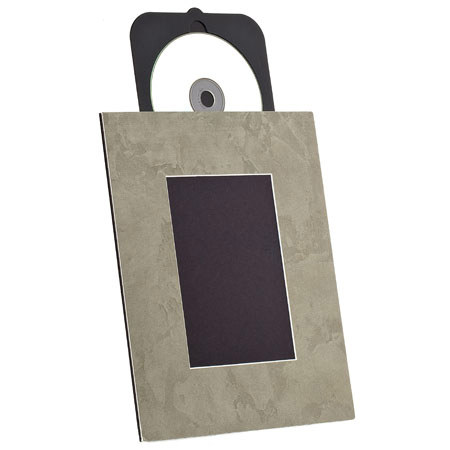
When selecting products for assembling your interview portfolio, it’s important to consider the format that best aligns with your industry and the roles you’re targeting. For traditional professions, a classic binder or presentation folder with high-quality sheet protectors can create a polished, tactile experience. These allow you to display your resume, certifications, work samples, and recommendations in a logical order, making it easy for interviewers to browse your credentials. In creative or tech-driven fields, a digital portfolio—whether presented on a tablet or hosted online—can highlight your design sensibility and technical skills. Tools that support clear, visually engaging layouts help ensure your work stands out, especially when you’re presenting to a panel or sharing your screen during a virtual interview. Thoughtful accessories, such as professional pens, business card holders, and portable storage devices, can further elevate your presentation and help you stay organized under pressure. For those gifting a portfolio kit to a recent graduate or a friend embarking on a job search, these items can be both practical and deeply encouraging, signaling support for their ambitions.
No matter your background, the contents of your interview portfolio should be tailored to illustrate your unique contributions. Include updated resumes, lists of references, and copies of certifications or degrees as foundational documents. Curate a selection of work samples—project summaries, case studies, or creative artifacts—that best represent your expertise and the impact you’ve made in previous roles. Quantifiable results, such as increased revenue or process improvements, provide compelling proof of your abilities. Social proof, like positive performance reviews or recommendation letters, adds credibility and depth to your story. As you assemble your materials, remember to respect confidentiality agreements and remove any sensitive information. For those in creative fields seeking further inspiration, exploring resources like the Portfolio For Graphic Designers page can offer valuable ideas for assembling a visually striking and effective presentation. Ultimately, investing in the right tools and taking the time to curate your interview portfolio can make a lasting impression, opening doors to new professional opportunities throughout the changing seasons.
When selecting products for assembling your interview portfolio, it’s important to consider the format that best aligns with your industry and the roles you’re targeting. For traditional professions, a classic binder or presentation folder with high-quality sheet protectors can create a polished, tactile experience. These allow you to display your resume, certifications, work samples, and recommendations in a logical order, making it easy for interviewers to browse your credentials. In creative or tech-driven fields, a digital portfolio—whether presented on a tablet or hosted online—can highlight your design sensibility and technical skills. Tools that support clear, visually engaging layouts help ensure your work stands out, especially when you’re presenting to a panel or sharing your screen during a virtual interview. Thoughtful accessories, such as professional pens, business card holders, and portable storage devices, can further elevate your presentation and help you stay organized under pressure. For those gifting a portfolio kit to a recent graduate or a friend embarking on a job search, these items can be both practical and deeply encouraging, signaling support for their ambitions.
No matter your background, the contents of your interview portfolio should be tailored to illustrate your unique contributions. Include updated resumes, lists of references, and copies of certifications or degrees as foundational documents. Curate a selection of work samples—project summaries, case studies, or creative artifacts—that best represent your expertise and the impact you’ve made in previous roles. Quantifiable results, such as increased revenue or process improvements, provide compelling proof of your abilities. Social proof, like positive performance reviews or recommendation letters, adds credibility and depth to your story. As you assemble your materials, remember to respect confidentiality agreements and remove any sensitive information. For those in creative fields seeking further inspiration, exploring resources like the Portfolio For Graphic Designers page can offer valuable ideas for assembling a visually striking and effective presentation. Ultimately, investing in the right tools and taking the time to curate your interview portfolio can make a lasting impression, opening doors to new professional opportunities throughout the changing seasons.