Precision Compasses
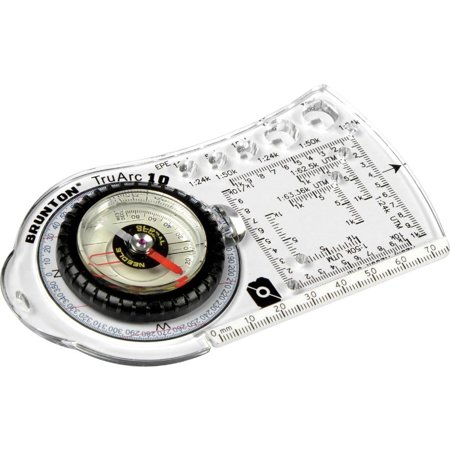
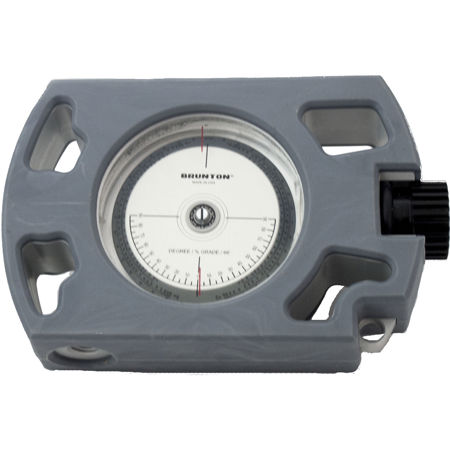
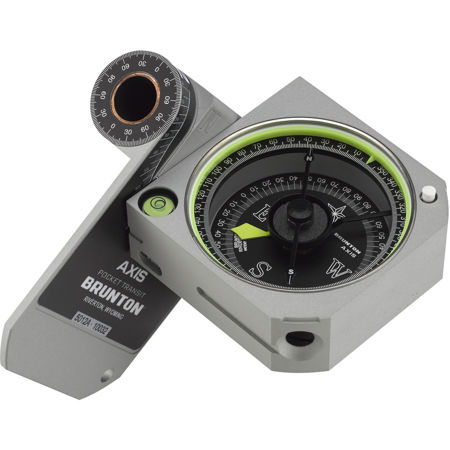
Precision compasses are indispensable tools for anyone involved in technical drawing, engineering, mathematics, or design. As winter gives way to the promise of spring, students and professionals alike often find themselves preparing for new projects, exams, or creative endeavors that demand accuracy and reliability. The hallmark of a quality precision compass is its ability to deliver consistent, repeatable results—whether you’re drafting architectural blueprints, plotting geometric constructions, or creating intricate artistic patterns. Modern precision compasses typically feature robust all-metal construction, center wheel adjustments for micro-fine radius control, and locking mechanisms that prevent slippage even during extended use. These features ensure that every circle, arc, or curve is rendered with exactness, making them ideal for classrooms, studios, and workshops. With adjustable arms and foldable legs, many models are designed to keep the lead or needle perfectly perpendicular to the drawing surface, which is crucial for maintaining true radii and clean lines. For those working on larger projects, beam compasses offer the ability to draw expansive circles with the same level of precision, while spring bow compasses provide smooth, controlled movement for smaller, detailed work.
Selecting the right precision compass depends on your intended application and the scale of your projects. If you’re a student tackling geometry assignments, a sturdy, ergonomic model with a clear center wheel and reliable locking mechanism will make plotting angles, bisectors, and circles far more efficient. For professionals in engineering or architecture, durability and the ability to draw circles up to 12 inches in diameter can be essential, especially when preparing schematics or blueprints. Artists and designers may appreciate compasses that offer interchangeable tips or attachments for pens, pencils, or even cutting blades, allowing for creative versatility in both drawing and crafting. Stability is another key consideration—a well-made hinge and a firm grip prevent unwanted shifts, preserving the integrity of your work. Precision compasses also make thoughtful gifts for students, educators, or anyone passionate about design and problem-solving, providing a tactile, hands-on complement to digital tools. As the season invites new beginnings and creative pursuits, equipping yourself or a loved one with a reliable precision compass can open up a world of possibilities, from meticulous technical drawings to imaginative art projects.
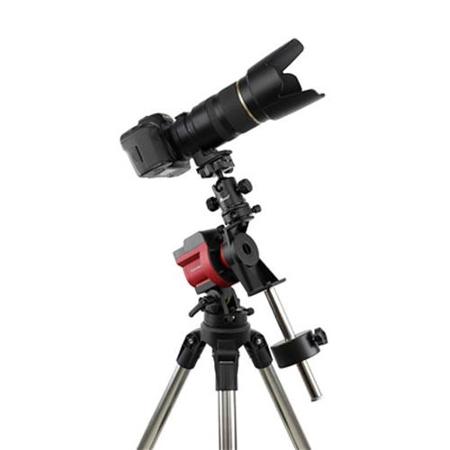
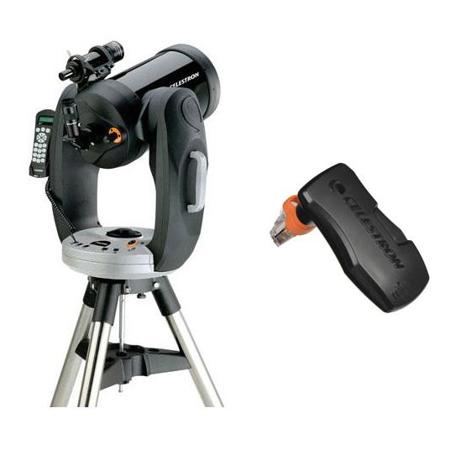
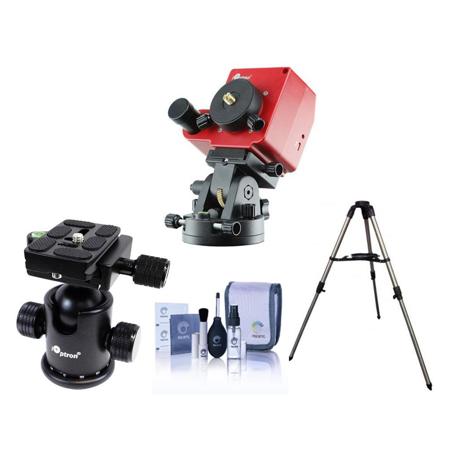
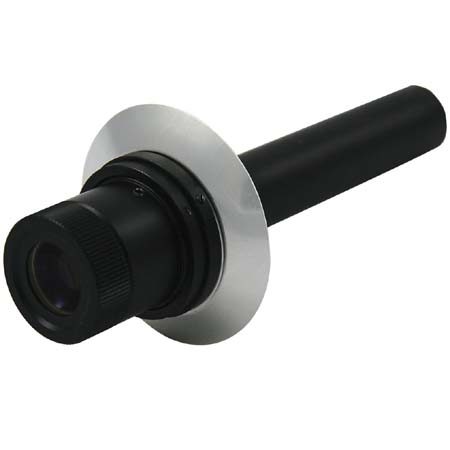
For those whose interests extend to navigation or astronomy, the importance of precise measurement and alignment cannot be overstated. While precision compasses for drafting and design are engineered for accuracy on paper, similar principles apply when selecting tools for fieldwork or stargazing. Enthusiasts who rely on pinpoint accuracy for tasks like aligning telescopes or mapping the night sky may also benefit from exploring specialized equipment such as Polar Alignment Telescopes, which are designed to ensure celestial instruments are set up with the same meticulous care that a precision compass brings to the drawing board. Ultimately, whether you’re charting new ideas in a sketchbook or navigating the great outdoors, investing in a high-quality precision compass is a smart choice for anyone who values accuracy, craftsmanship, and the satisfaction of a job well done.
Selecting the right precision compass depends on your intended application and the scale of your projects. If you’re a student tackling geometry assignments, a sturdy, ergonomic model with a clear center wheel and reliable locking mechanism will make plotting angles, bisectors, and circles far more efficient. For professionals in engineering or architecture, durability and the ability to draw circles up to 12 inches in diameter can be essential, especially when preparing schematics or blueprints. Artists and designers may appreciate compasses that offer interchangeable tips or attachments for pens, pencils, or even cutting blades, allowing for creative versatility in both drawing and crafting. Stability is another key consideration—a well-made hinge and a firm grip prevent unwanted shifts, preserving the integrity of your work. Precision compasses also make thoughtful gifts for students, educators, or anyone passionate about design and problem-solving, providing a tactile, hands-on complement to digital tools. As the season invites new beginnings and creative pursuits, equipping yourself or a loved one with a reliable precision compass can open up a world of possibilities, from meticulous technical drawings to imaginative art projects.
For those whose interests extend to navigation or astronomy, the importance of precise measurement and alignment cannot be overstated. While precision compasses for drafting and design are engineered for accuracy on paper, similar principles apply when selecting tools for fieldwork or stargazing. Enthusiasts who rely on pinpoint accuracy for tasks like aligning telescopes or mapping the night sky may also benefit from exploring specialized equipment such as Polar Alignment Telescopes, which are designed to ensure celestial instruments are set up with the same meticulous care that a precision compass brings to the drawing board. Ultimately, whether you’re charting new ideas in a sketchbook or navigating the great outdoors, investing in a high-quality precision compass is a smart choice for anyone who values accuracy, craftsmanship, and the satisfaction of a job well done.