


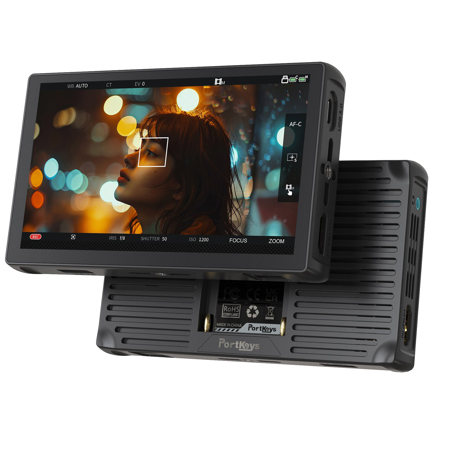
Rec 709 Monitors
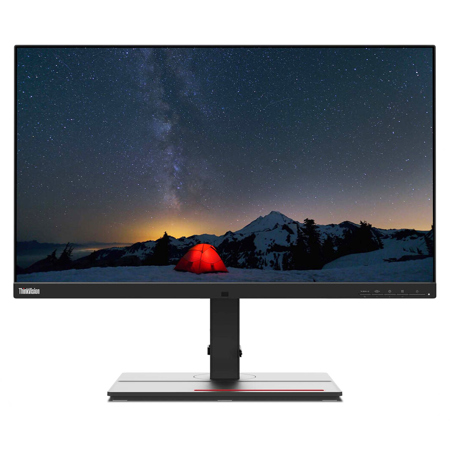
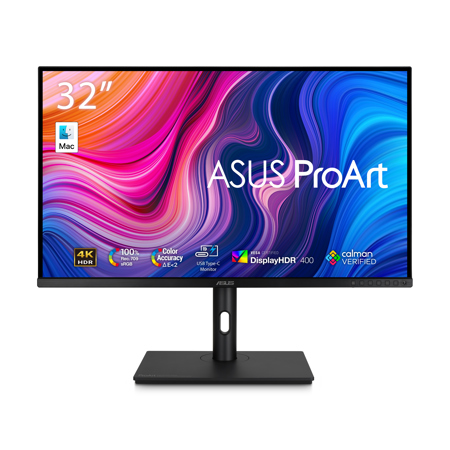
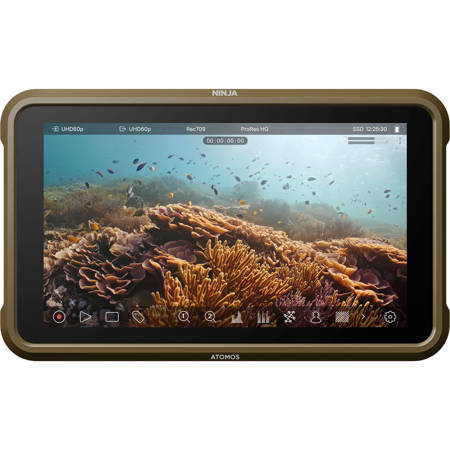
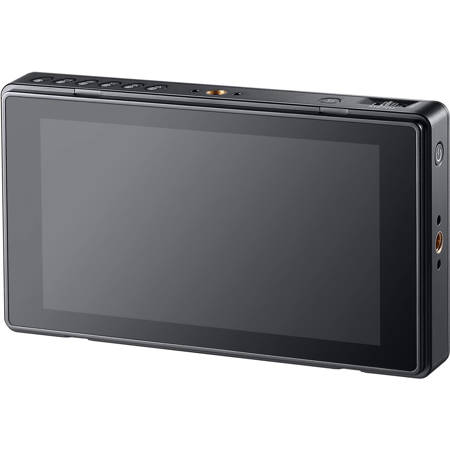
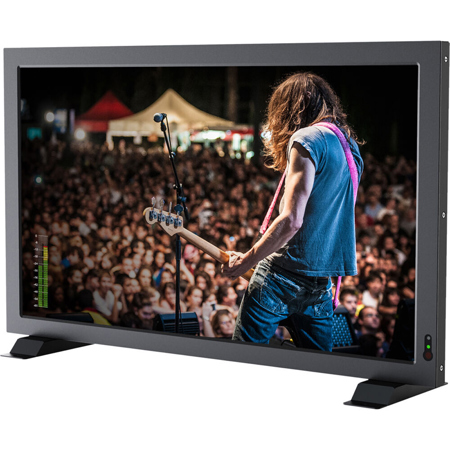
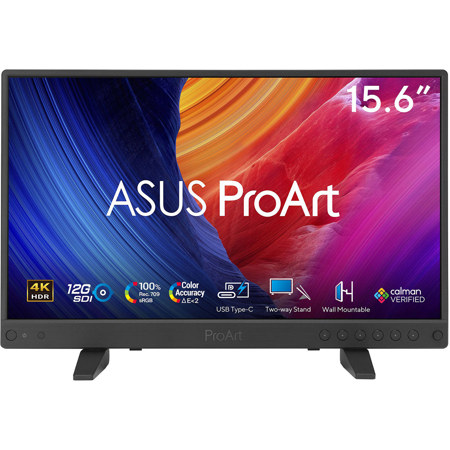
Whether you’re a seasoned video editor, a freelance colorist, or a content creator striving for broadcast-ready visuals, choosing the right Rec 709 monitor is one of the most important decisions you’ll make for your workflow. Rec 709 monitors are engineered to adhere strictly to the ITU-R BT.709 standard, which governs the color space used in high-definition television production and post-production. This means that a monitor Rec 709 is designed to deliver precise, repeatable color accuracy, ensuring your creative vision translates consistently to any standard HD display. As the winter months encourage indoor projects and meticulous post-production, investing in a monitor that provides 100% sRGB/Rec. 709 coverage and a Delta E of less than 2 becomes especially vital for editors and filmmakers fine-tuning their work for clients, festivals, or streaming platforms. Features such as IPS panels for wide viewing angles, factory calibration, and hardware calibration support (like Calman Ready compatibility) are essential for maintaining color fidelity over time. Many professionals opt for a rec 709 monitor 4k to future-proof their setup and take advantage of higher pixel density, which allows for sharper images and more precise color grading—crucial when every hue and shade matters.
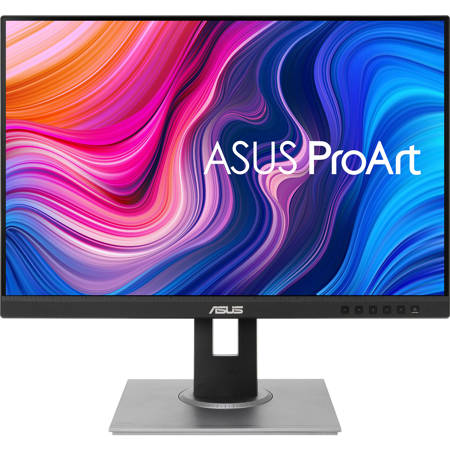
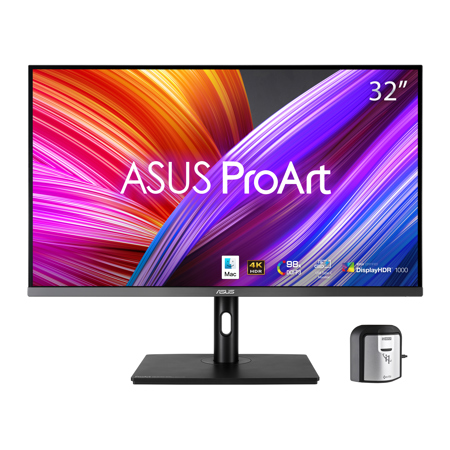
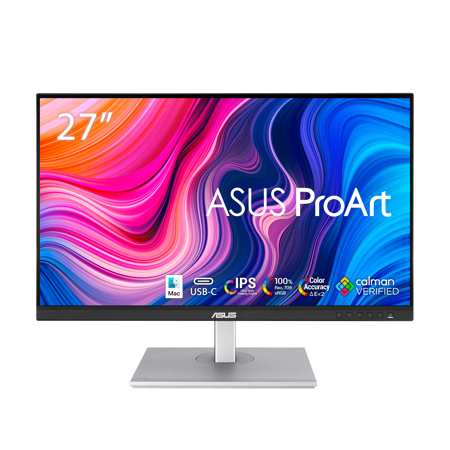
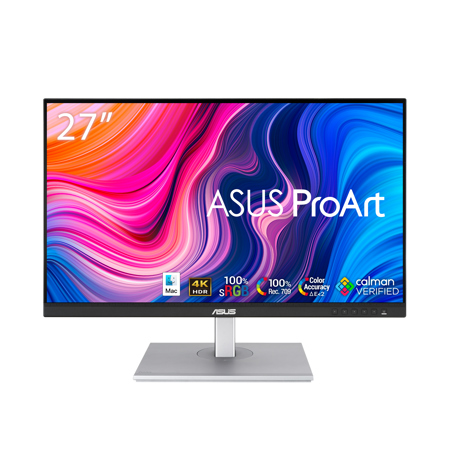
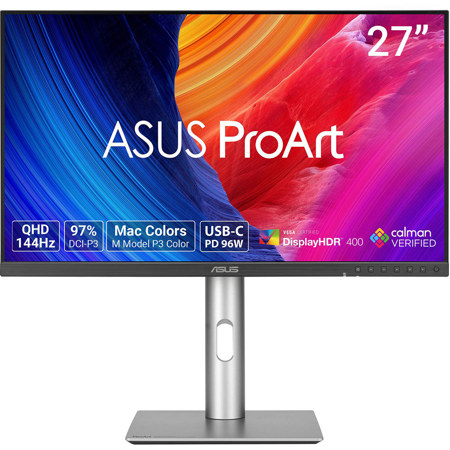
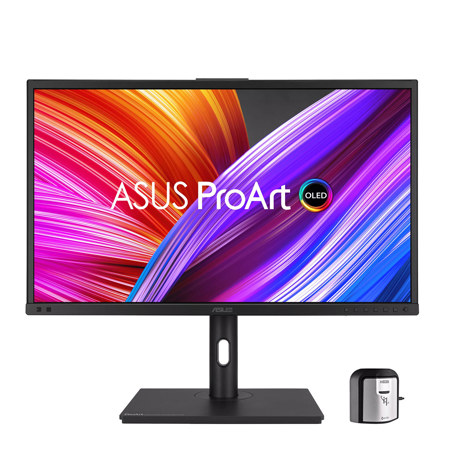
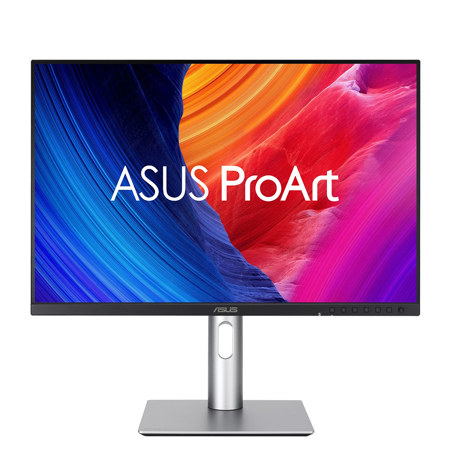
Beyond professional studios, Rec 709 monitors are also an inspired gift for aspiring filmmakers, photography students, or anyone passionate about digital art and content creation. The asus proart display 27" monitor pa278cv - wqhd, for example, is a popular choice among those who want a balance of screen size, resolution, and accurate color performance without overwhelming desk space or budget. These monitors are especially fitting for students building their portfolios or hobbyists who want to see their edits with the same clarity and accuracy as the pros. During February, when winter light is fleeting and creative work moves indoors, a rec monitor can be the centerpiece of a productive home studio, supporting not only video editing but also photo retouching, digital painting, and even live streaming. When shopping for a Rec 709 monitor, consider factors like panel uniformity, refresh rate, connectivity options (such as USB-C or Thunderbolt for seamless laptop integration), and the ability to recalibrate over time. Even with factory calibration, regular use of a colorimeter is recommended to maintain the monitor’s accuracy, especially as ambient lighting changes with the seasons.
For those navigating the world of color-accurate displays, it’s helpful to compare models based on their Rec 709 coverage, calibration options, and workflow compatibility. Whether you’re upgrading your editing suite or searching for the perfect gift for a creative friend, a Rec 709 monitor stands out as a tool that bridges the gap between artistic intent and professional delivery. If you’re interested in exploring top-rated options, expert reviews, and detailed buying advice, visit our Best Monitors For Color Grading guide for further insights. With the right Rec 709 monitor in your setup, you can trust that your colors will remain true from the first frame to the final export, no matter where your creative journey takes you.
Beyond professional studios, Rec 709 monitors are also an inspired gift for aspiring filmmakers, photography students, or anyone passionate about digital art and content creation. The asus proart display 27" monitor pa278cv - wqhd, for example, is a popular choice among those who want a balance of screen size, resolution, and accurate color performance without overwhelming desk space or budget. These monitors are especially fitting for students building their portfolios or hobbyists who want to see their edits with the same clarity and accuracy as the pros. During February, when winter light is fleeting and creative work moves indoors, a rec monitor can be the centerpiece of a productive home studio, supporting not only video editing but also photo retouching, digital painting, and even live streaming. When shopping for a Rec 709 monitor, consider factors like panel uniformity, refresh rate, connectivity options (such as USB-C or Thunderbolt for seamless laptop integration), and the ability to recalibrate over time. Even with factory calibration, regular use of a colorimeter is recommended to maintain the monitor’s accuracy, especially as ambient lighting changes with the seasons.
For those navigating the world of color-accurate displays, it’s helpful to compare models based on their Rec 709 coverage, calibration options, and workflow compatibility. Whether you’re upgrading your editing suite or searching for the perfect gift for a creative friend, a Rec 709 monitor stands out as a tool that bridges the gap between artistic intent and professional delivery. If you’re interested in exploring top-rated options, expert reviews, and detailed buying advice, visit our Best Monitors For Color Grading guide for further insights. With the right Rec 709 monitor in your setup, you can trust that your colors will remain true from the first frame to the final export, no matter where your creative journey takes you.