

RFID Card Readers
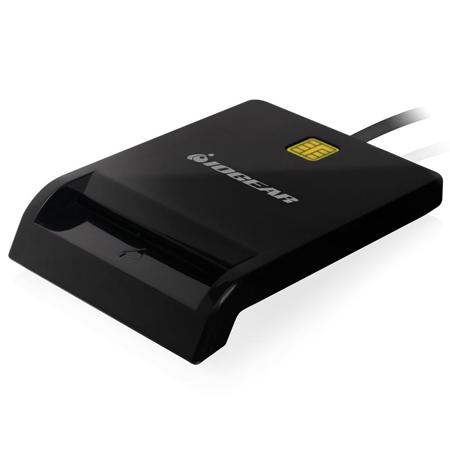
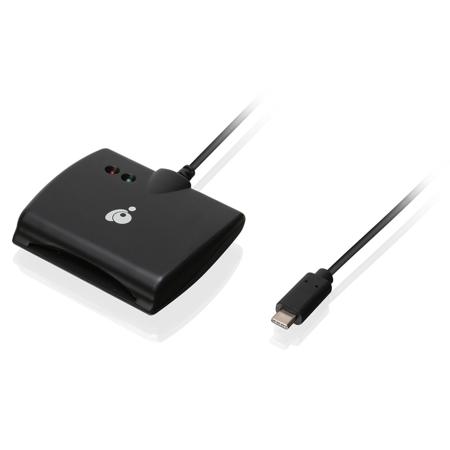
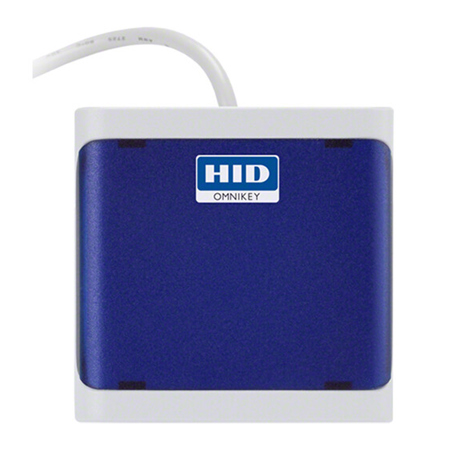
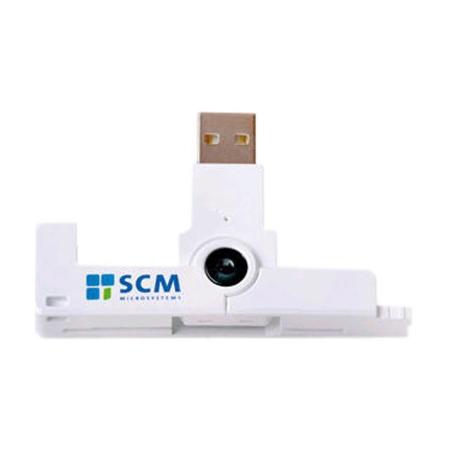
RFID card readers have become an essential component in modern security, data management, and automation systems, offering a seamless way to identify, authenticate, and track assets or personnel. These devices use radio frequency identification technology to read information stored on RFID tags or cards, making them a versatile solution for a wide range of applications. From secure access control in office buildings and residential complexes to inventory tracking in busy warehouses, RFID card readers are relied upon for their speed, accuracy, and contactless convenience. As the weather warms and foot traffic increases in public spaces, businesses and organizations often look to upgrade their security infrastructure, and a contactless smart card reader is a popular choice for reducing physical touchpoints and streamlining entry points. Whether it’s for managing staff access during busy summer events, securing sensitive areas in educational institutions, or facilitating smooth check-ins at fitness centers and pools, these readers deliver reliable performance and peace of mind.
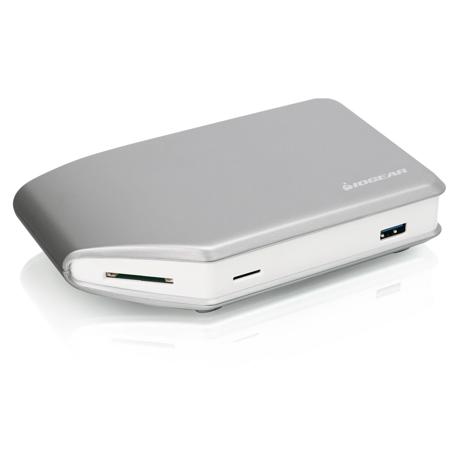
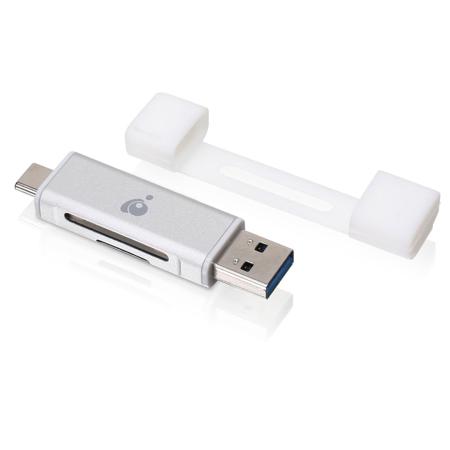
Selecting the right RFID card reader involves considering the specific needs of your environment. For example, low-frequency readers are often chosen for legacy access systems and parking garages, while high-frequency models are favored for secure office entry, public transit passes, and event ticketing due to their enhanced encryption and compatibility with NFC technology. Ultra-high frequency readers, with their extended range, are a staple in logistics and asset management, allowing for efficient scanning of items moving in and out of storage or across large facilities. For IT professionals, facility managers, and small business owners, investing in a robust RFID card reader can simplify operations, enhance security, and improve the user experience for employees and visitors alike. On a personal note, I’ve seen how upgrading to a contactless smart card reader at a community center not only sped up access but also reduced lines and minimized the need for staff intervention, especially during peak hours. These devices also make thoughtful gifts for tech enthusiasts, DIY hobbyists, or anyone setting up a smart home or office system—helping them add a layer of convenience and security that’s both practical and forward-thinking. For those who need to complement their setup or require a different form of data transfer, exploring options like USB Card Readers can further enhance workflow efficiency and device compatibility.
As organizations prepare for the transitions that come with changing seasons—whether gearing up for increased summer activity or planning ahead for the return to school and business routines in the fall—RFID card readers offer a future-proof solution that adapts to evolving needs. Their ability to support contactless entry, track assets in real time, and integrate with broader security or IT systems makes them invaluable across industries. From healthcare facilities seeking to safeguard sensitive areas, to retailers managing inventory surges, to event coordinators streamlining guest check-in, these readers are trusted tools that combine cutting-edge technology with everyday practicality. When considering a purchase, it’s wise to assess compatibility with existing infrastructure, ease of installation, and the level of security required—ensuring the chosen solution meets both current demands and future expansion. With their blend of reliability, adaptability, and user-friendly operation, RFID card readers continue to shape safer, smarter, and more efficient environments wherever they’re deployed.
Selecting the right RFID card reader involves considering the specific needs of your environment. For example, low-frequency readers are often chosen for legacy access systems and parking garages, while high-frequency models are favored for secure office entry, public transit passes, and event ticketing due to their enhanced encryption and compatibility with NFC technology. Ultra-high frequency readers, with their extended range, are a staple in logistics and asset management, allowing for efficient scanning of items moving in and out of storage or across large facilities. For IT professionals, facility managers, and small business owners, investing in a robust RFID card reader can simplify operations, enhance security, and improve the user experience for employees and visitors alike. On a personal note, I’ve seen how upgrading to a contactless smart card reader at a community center not only sped up access but also reduced lines and minimized the need for staff intervention, especially during peak hours. These devices also make thoughtful gifts for tech enthusiasts, DIY hobbyists, or anyone setting up a smart home or office system—helping them add a layer of convenience and security that’s both practical and forward-thinking. For those who need to complement their setup or require a different form of data transfer, exploring options like USB Card Readers can further enhance workflow efficiency and device compatibility.
As organizations prepare for the transitions that come with changing seasons—whether gearing up for increased summer activity or planning ahead for the return to school and business routines in the fall—RFID card readers offer a future-proof solution that adapts to evolving needs. Their ability to support contactless entry, track assets in real time, and integrate with broader security or IT systems makes them invaluable across industries. From healthcare facilities seeking to safeguard sensitive areas, to retailers managing inventory surges, to event coordinators streamlining guest check-in, these readers are trusted tools that combine cutting-edge technology with everyday practicality. When considering a purchase, it’s wise to assess compatibility with existing infrastructure, ease of installation, and the level of security required—ensuring the chosen solution meets both current demands and future expansion. With their blend of reliability, adaptability, and user-friendly operation, RFID card readers continue to shape safer, smarter, and more efficient environments wherever they’re deployed.