
Rhythm Composers
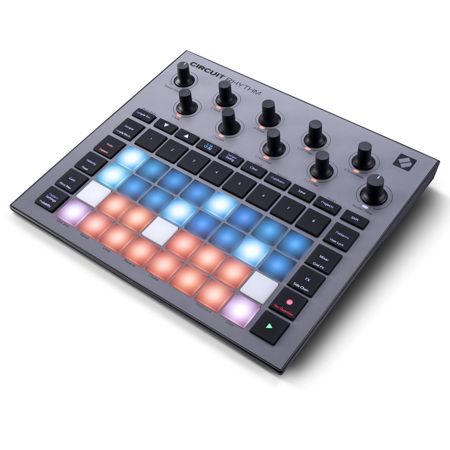
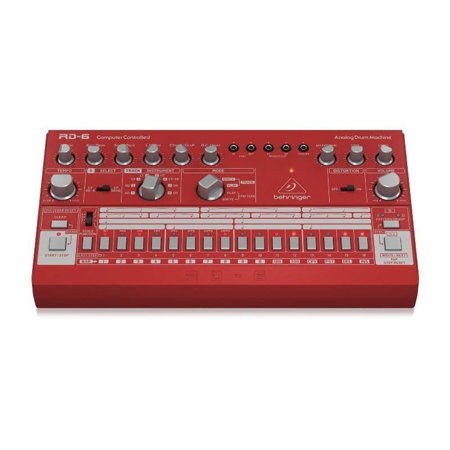
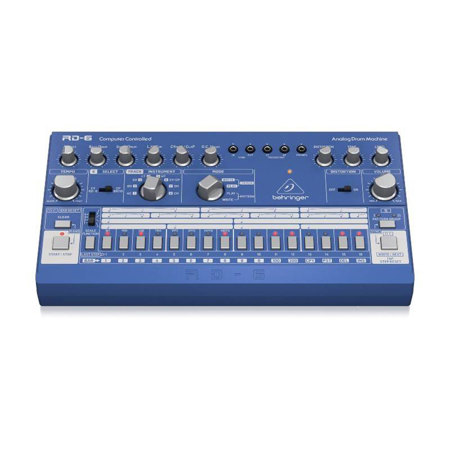
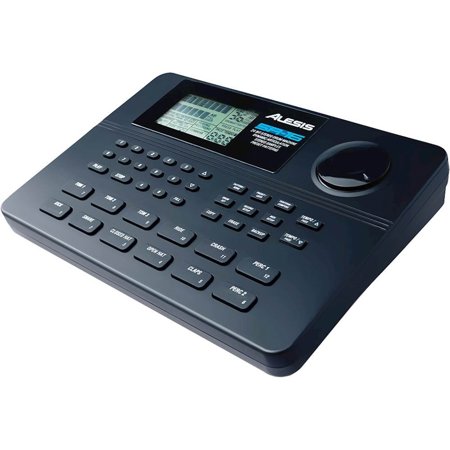
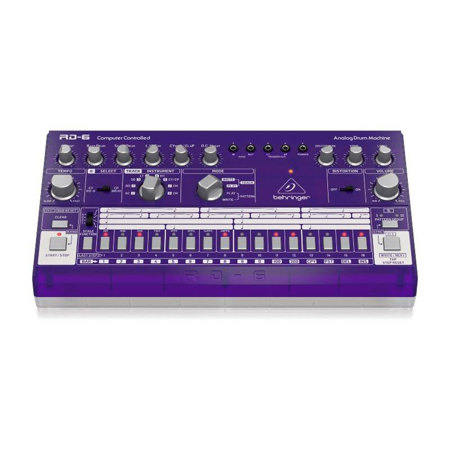
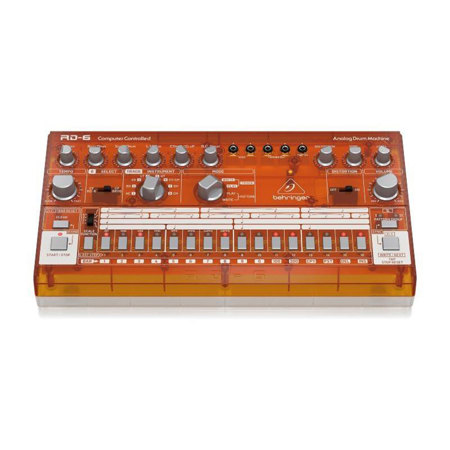
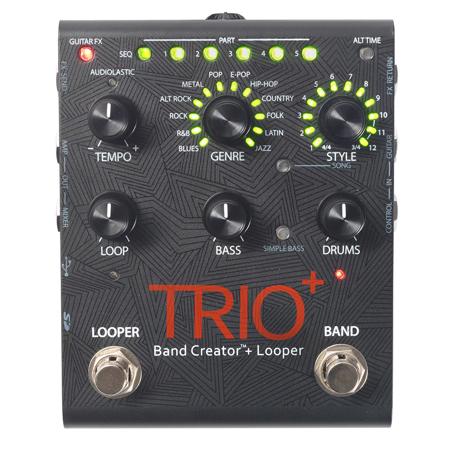
Rhythm composers have long held a central place in the creative toolkit of musicians, producers, and sound designers across genres. Whether you’re stepping into a sunlit studio on a summer afternoon or finding inspiration during the quieter, cooler evenings of early fall, these devices offer a tactile, intuitive way to shape the pulse of your music. The evolution of rhythm composers—encompassing everything from analog drum machines that defined the sound of classic hip-hop, pop, and dance, to modern digital and software-based instruments—has made rhythmic creativity more accessible than ever. These machines are prized for their ability to generate iconic beats, intricate patterns, and experimental textures, making them essential for anyone aiming to craft compelling grooves or infuse their tracks with a distinctive rhythmic character. Producers working in electronic, hip-hop, techno, house, and experimental genres often reach for rhythm composers to lay down everything from thunderous kicks and snappy snares to nuanced percussive layers. For songwriters, these tools can act as a rhythmic sketchpad, helping ideas flow and evolve organically. Even live performers and DJs integrate rhythm composers into their setups, using their real-time sequencing and performance features to energize crowds and add a unique, humanized touch to electronic sets.
When considering a rhythm composer, think about how you’ll use it in your workflow. Some models offer hands-on, step-based sequencing with classic analog character, perfect for those who love the tactile feel of hardware and the immediacy of physical controls. Others provide deep integration with digital audio workstations (DAWs), making them ideal for producers who prefer to craft beats within a software environment or blend hardware and software instruments. The choice between analog and digital, standalone or DAW-integrated, often comes down to personal preference and the style of music you’re producing. Connectivity is another key factor—MIDI, USB, and CV/Gate options allow you to synchronize your rhythm composer with synthesizers, samplers, or other studio gear, expanding your creative possibilities. For those just starting out or looking for a thoughtful gift, entry-level rhythm composers are a fantastic way to ignite musical curiosity, offering intuitive interfaces and a gentle learning curve. More advanced users may seek out models with extensive sound-shaping controls, pattern memory, and the ability to import or sample custom sounds, ensuring their beats stand out with originality and depth. Rhythm composers also make memorable gifts for aspiring producers, seasoned musicians, or anyone passionate about music technology—especially as creative energy peaks during the longer days and transitions into the reflective months of fall.
No matter your level of experience or musical ambition, a rhythm composer can be the heartbeat of your creative process, inspiring new ideas and transforming the way you approach rhythm and groove. Many musicians find themselves returning to these instruments year after year, drawn by their unique character and the endless possibilities they unlock. If you’re interested in expanding your setup even further, exploring related tools like Music Sequencers can open up new avenues for composition and live performance, allowing you to layer melodies, harmonies, and rhythms with precision and flair. Whether you’re crafting beats in a cozy home studio as the weather cools or collaborating with friends in a bustling rehearsal space, rhythm composers remain a trusted companion for musical exploration, innovation, and expression.
When considering a rhythm composer, think about how you’ll use it in your workflow. Some models offer hands-on, step-based sequencing with classic analog character, perfect for those who love the tactile feel of hardware and the immediacy of physical controls. Others provide deep integration with digital audio workstations (DAWs), making them ideal for producers who prefer to craft beats within a software environment or blend hardware and software instruments. The choice between analog and digital, standalone or DAW-integrated, often comes down to personal preference and the style of music you’re producing. Connectivity is another key factor—MIDI, USB, and CV/Gate options allow you to synchronize your rhythm composer with synthesizers, samplers, or other studio gear, expanding your creative possibilities. For those just starting out or looking for a thoughtful gift, entry-level rhythm composers are a fantastic way to ignite musical curiosity, offering intuitive interfaces and a gentle learning curve. More advanced users may seek out models with extensive sound-shaping controls, pattern memory, and the ability to import or sample custom sounds, ensuring their beats stand out with originality and depth. Rhythm composers also make memorable gifts for aspiring producers, seasoned musicians, or anyone passionate about music technology—especially as creative energy peaks during the longer days and transitions into the reflective months of fall.
No matter your level of experience or musical ambition, a rhythm composer can be the heartbeat of your creative process, inspiring new ideas and transforming the way you approach rhythm and groove. Many musicians find themselves returning to these instruments year after year, drawn by their unique character and the endless possibilities they unlock. If you’re interested in expanding your setup even further, exploring related tools like Music Sequencers can open up new avenues for composition and live performance, allowing you to layer melodies, harmonies, and rhythms with precision and flair. Whether you’re crafting beats in a cozy home studio as the weather cools or collaborating with friends in a bustling rehearsal space, rhythm composers remain a trusted companion for musical exploration, innovation, and expression.