
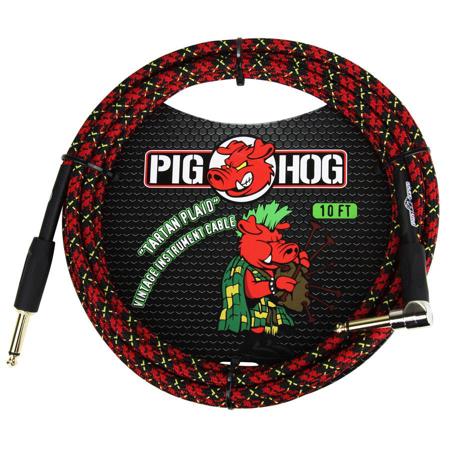
Right Angle Instrument Cables
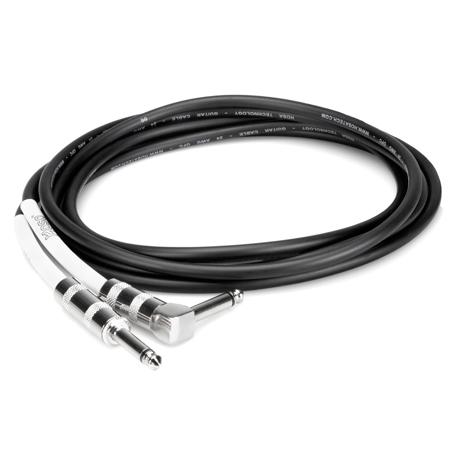
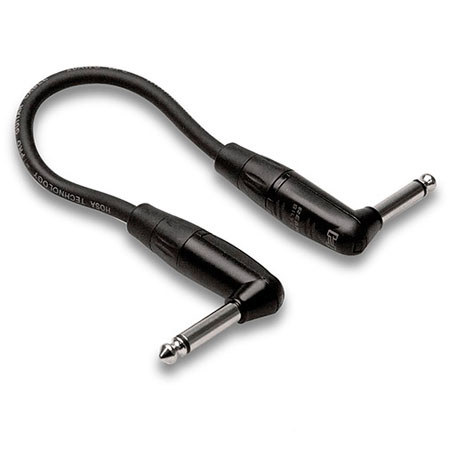
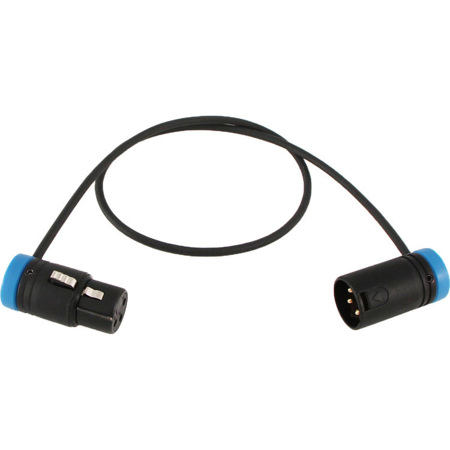
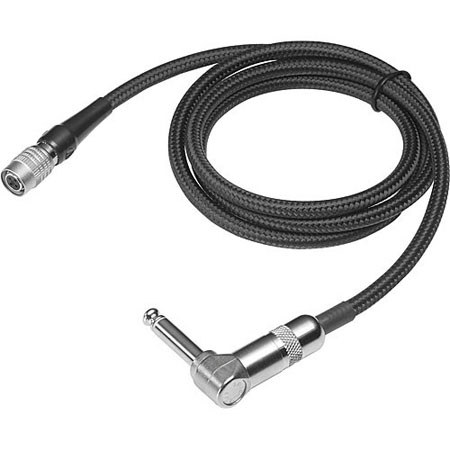
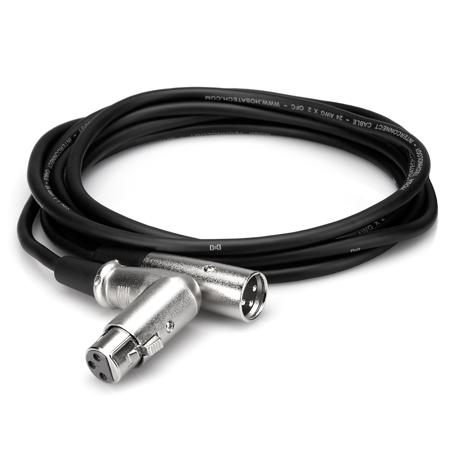
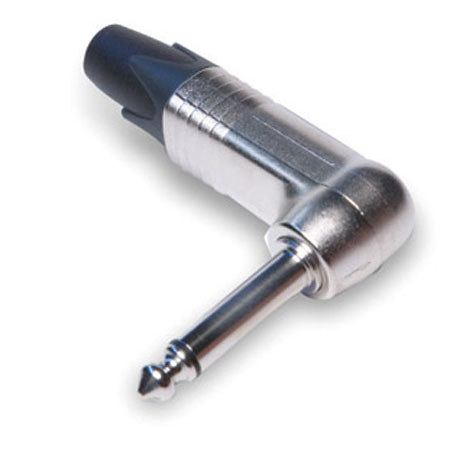
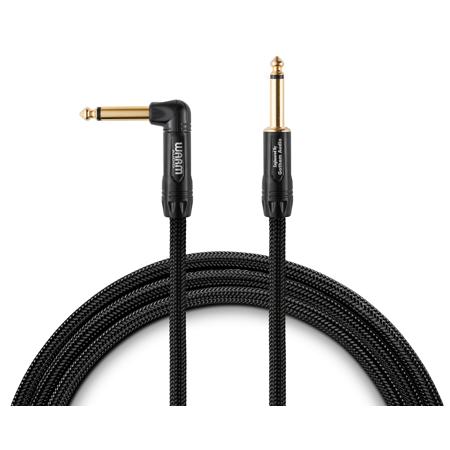
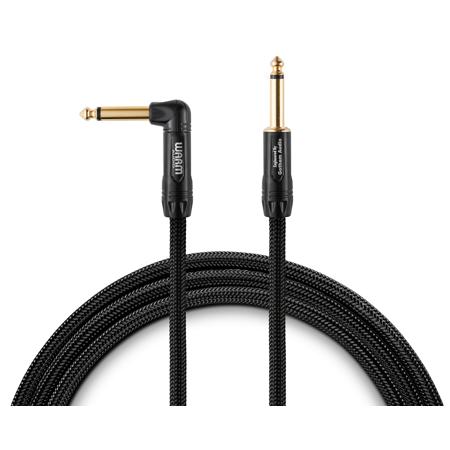
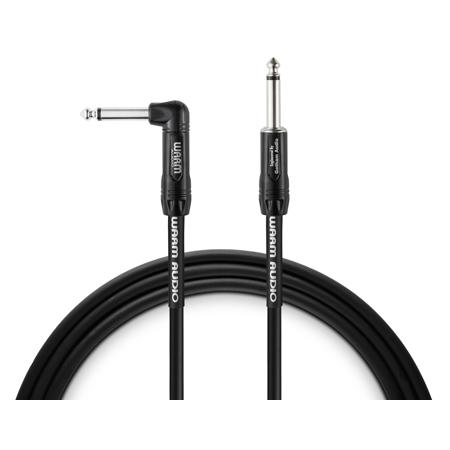
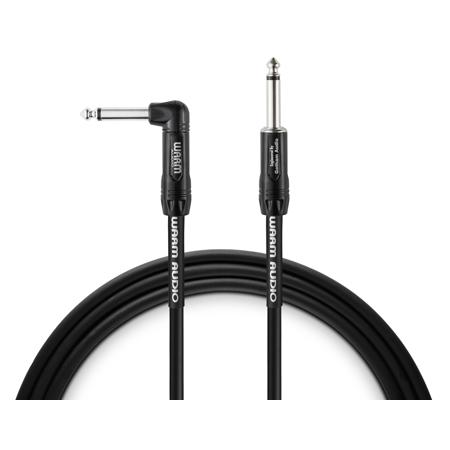
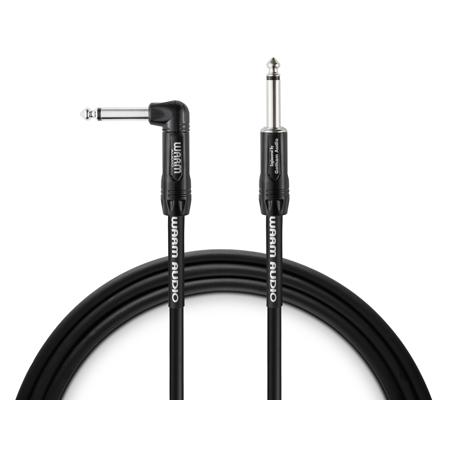
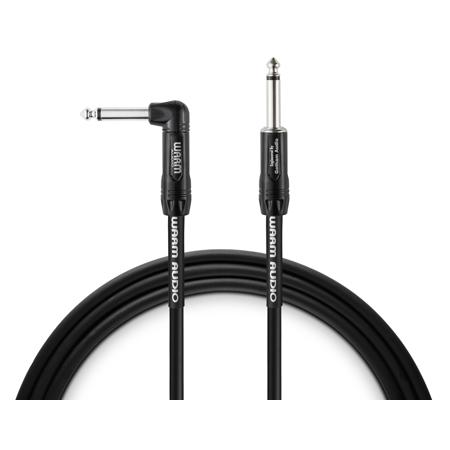
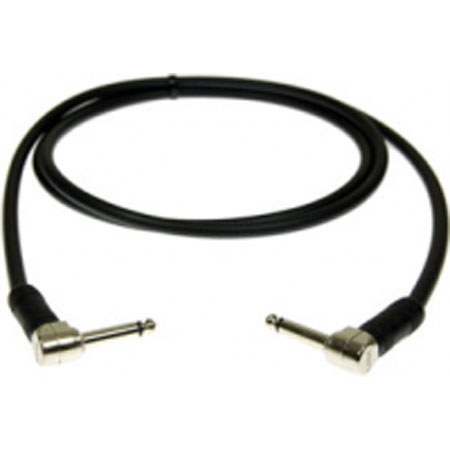
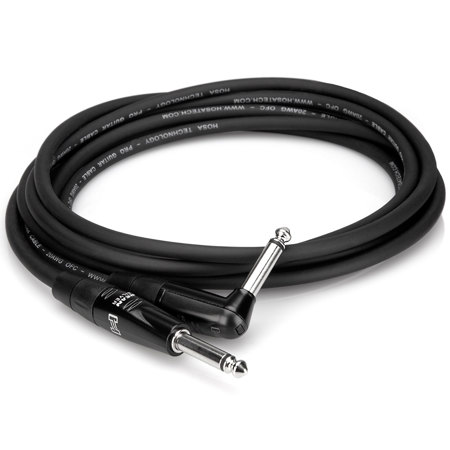
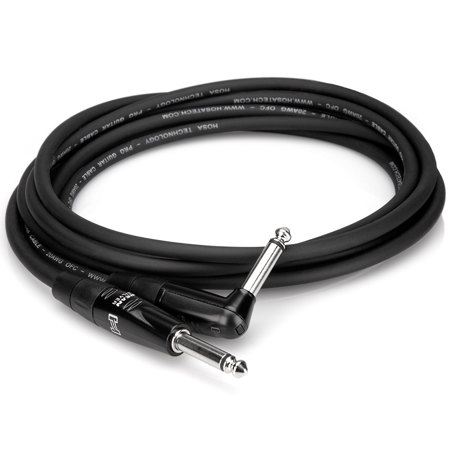
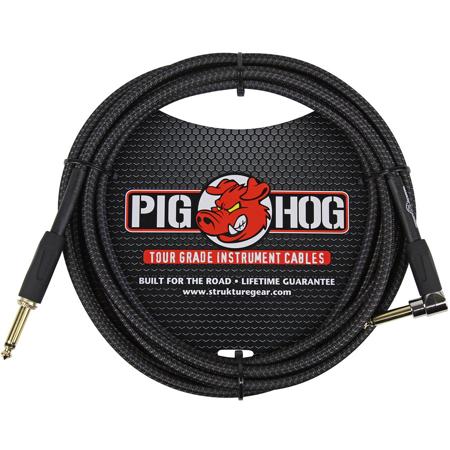
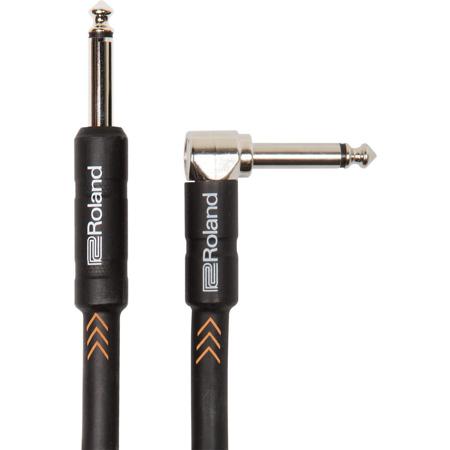
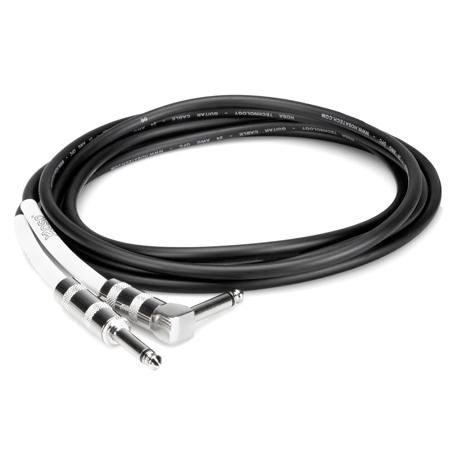
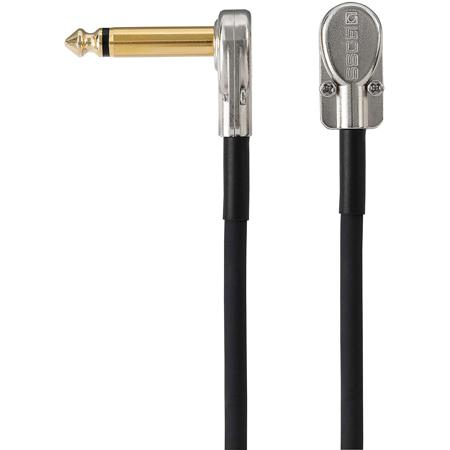
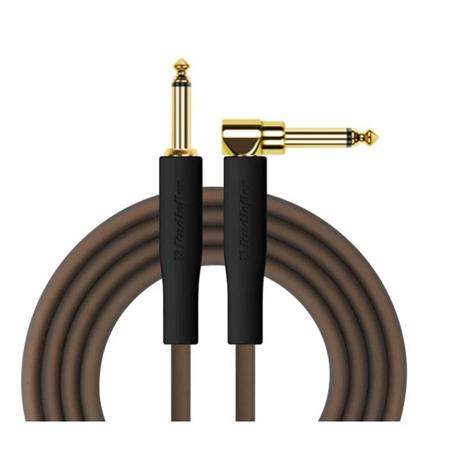
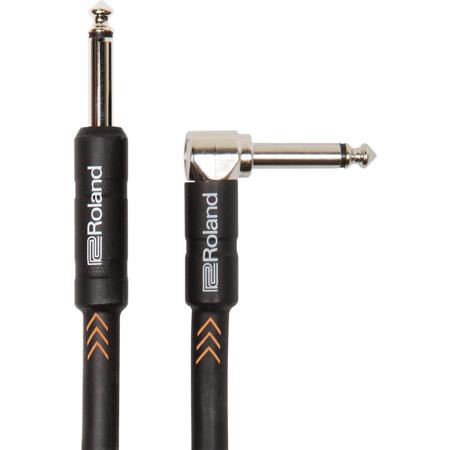
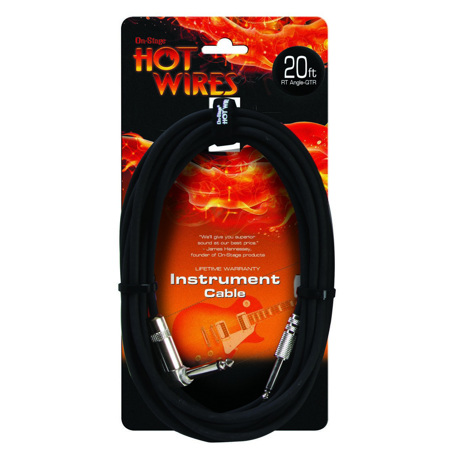
When it comes to connecting instruments in a way that’s both reliable and comfortable, right angle instrument cables have become a staple for musicians and audio professionals alike. These cables, featuring an L-shaped 1/4" connector on at least one end, are thoughtfully designed to minimize the stress and strain that can be put on an instrument’s input jack. If you’ve ever experienced the frustration of a cable sticking straight out from your guitar or bass—catching on furniture, digging into your leg during a seated session, or risking accidental yanks that could damage your gear—then you know how valuable a right angle cable can be. By allowing the cable to hug the body of the instrument or run neatly along a pedalboard, these connectors not only protect your equipment but also help keep your playing area tidy and organized. This is especially helpful during the warmer months when outdoor gigs and jam sessions become more frequent, and there’s a greater need for setups that are both portable and resilient. As the seasons shift and performances move indoors, the benefits of a streamlined, snag-free connection remain just as relevant—whether you’re practicing in a cozy studio, recording at home, or performing on stage.
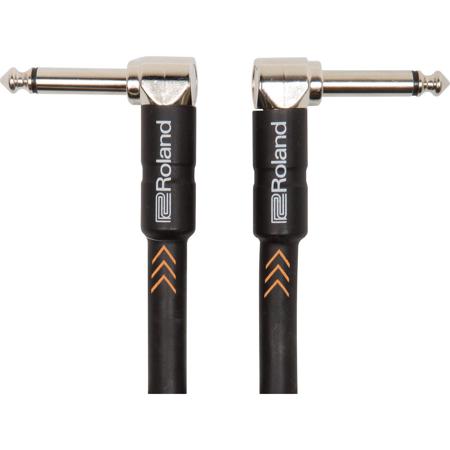
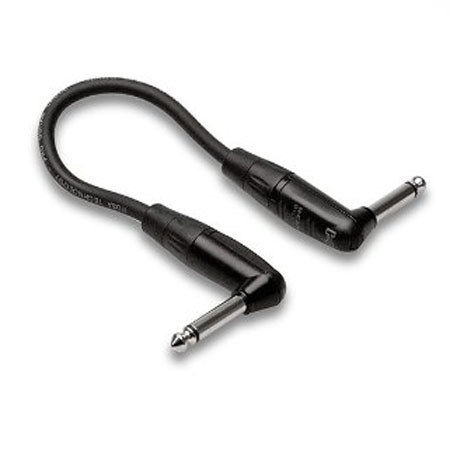
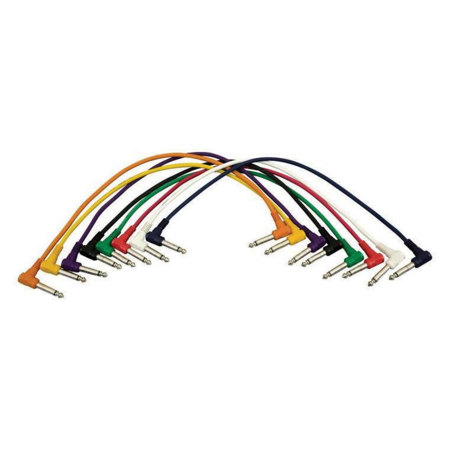
Choosing the right cable isn’t just about convenience; it’s also about preserving the longevity of your instruments and ensuring consistent sound quality. Right angle cables are particularly favored by guitarists and bassists with side-mounted jacks, as the angle reduces leverage on the solder joints and jack plate, protecting against wear and accidental damage. Pedalboard enthusiasts also appreciate angle-to-angle cables for their ability to keep effects chains tight and efficient, making the most of limited space and reducing clutter. For those with top-mounted jacks, like on certain Strat-style guitars, a straight connector is often preferred on the instrument end, but a right angle on the amp or pedalboard side can still offer the same tidy routing. Whether you’re a seasoned performer, a hobbyist setting up for a backyard barbecue jam, or a student practicing for fall recitals, investing in a quality right angle cable can make all the difference in both comfort and peace of mind.
Right angle instrument cables also make thoughtful gifts for musicians of any skill level. They’re a practical upgrade for anyone who’s ever dealt with a damaged input jack or tangled pedalboard setup, and their utility spans genres and playing styles. From the aspiring bassist learning their first riffs to the touring guitarist who needs gear that can stand up to the rigors of the road, these cables are a versatile addition to any rig. As you browse through the options, consider factors like cable length, shielding, and flexibility, as well as the specific needs of the player—whether it’s for plugging into an amplifier, connecting pedals, or ensuring a low-profile setup for tight rehearsal spaces. And for those expanding their gear to include digital instruments or controllers, you might also be interested in exploring Right Angle MIDI Cables, which offer similar benefits for MIDI-enabled setups. No matter the season or the stage, right angle instrument cables are a smart, reliable choice for keeping your music flowing smoothly and your equipment protected.
Choosing the right cable isn’t just about convenience; it’s also about preserving the longevity of your instruments and ensuring consistent sound quality. Right angle cables are particularly favored by guitarists and bassists with side-mounted jacks, as the angle reduces leverage on the solder joints and jack plate, protecting against wear and accidental damage. Pedalboard enthusiasts also appreciate angle-to-angle cables for their ability to keep effects chains tight and efficient, making the most of limited space and reducing clutter. For those with top-mounted jacks, like on certain Strat-style guitars, a straight connector is often preferred on the instrument end, but a right angle on the amp or pedalboard side can still offer the same tidy routing. Whether you’re a seasoned performer, a hobbyist setting up for a backyard barbecue jam, or a student practicing for fall recitals, investing in a quality right angle cable can make all the difference in both comfort and peace of mind.
Right angle instrument cables also make thoughtful gifts for musicians of any skill level. They’re a practical upgrade for anyone who’s ever dealt with a damaged input jack or tangled pedalboard setup, and their utility spans genres and playing styles. From the aspiring bassist learning their first riffs to the touring guitarist who needs gear that can stand up to the rigors of the road, these cables are a versatile addition to any rig. As you browse through the options, consider factors like cable length, shielding, and flexibility, as well as the specific needs of the player—whether it’s for plugging into an amplifier, connecting pedals, or ensuring a low-profile setup for tight rehearsal spaces. And for those expanding their gear to include digital instruments or controllers, you might also be interested in exploring Right Angle MIDI Cables, which offer similar benefits for MIDI-enabled setups. No matter the season or the stage, right angle instrument cables are a smart, reliable choice for keeping your music flowing smoothly and your equipment protected.