


Right Angle XLR Cables
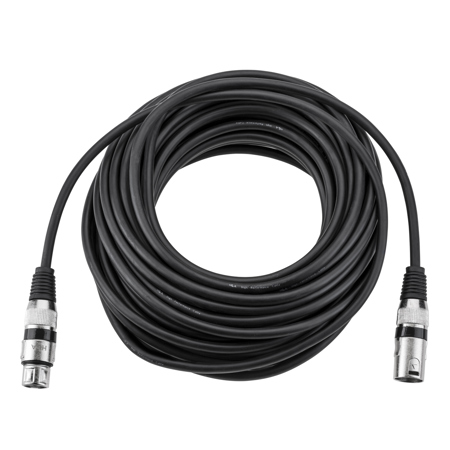
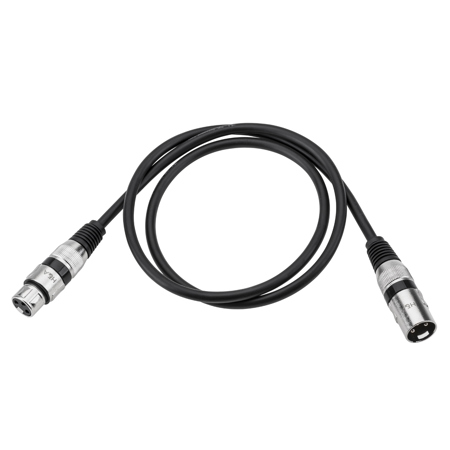
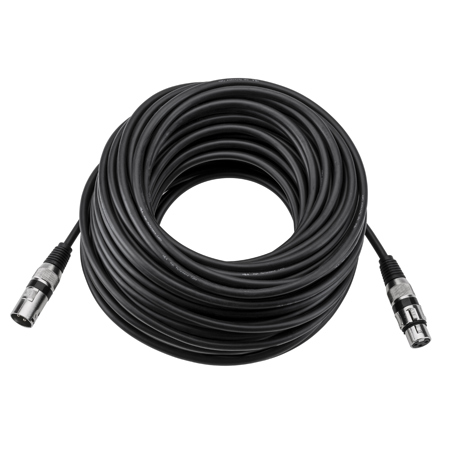
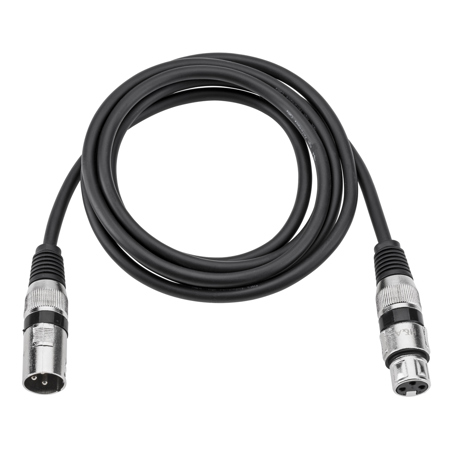
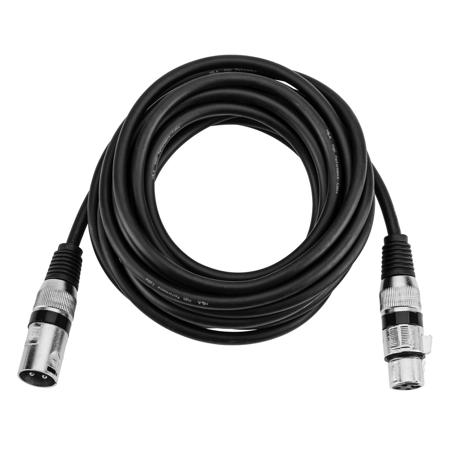
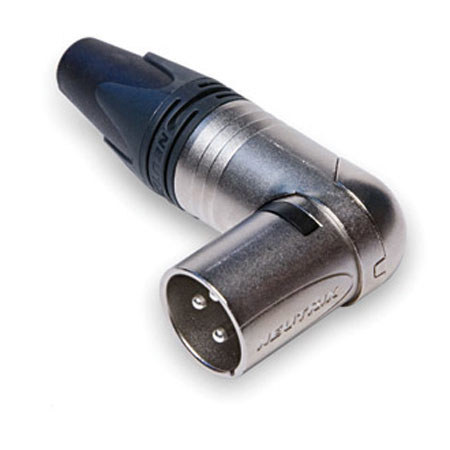
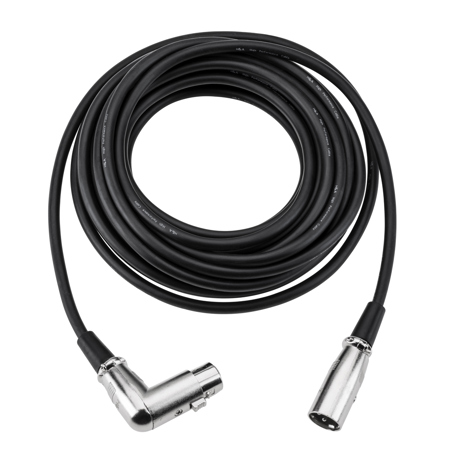
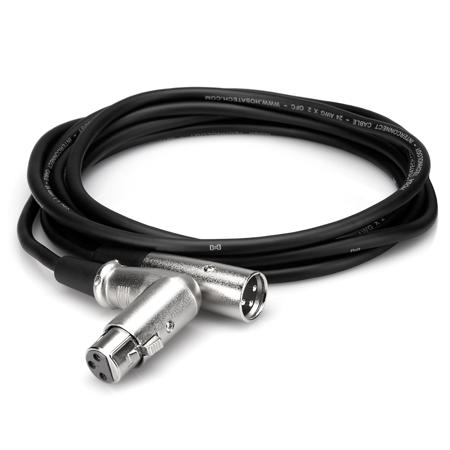
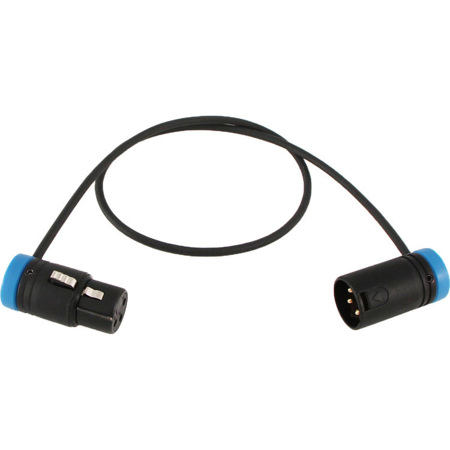
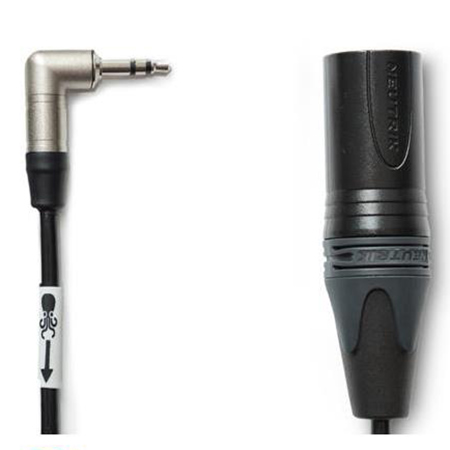
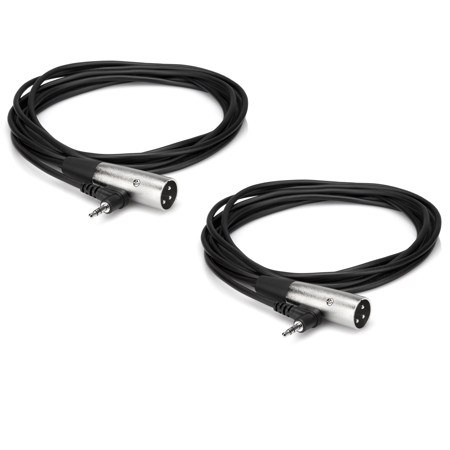
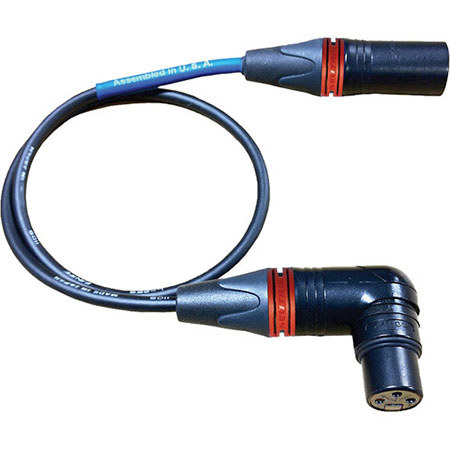
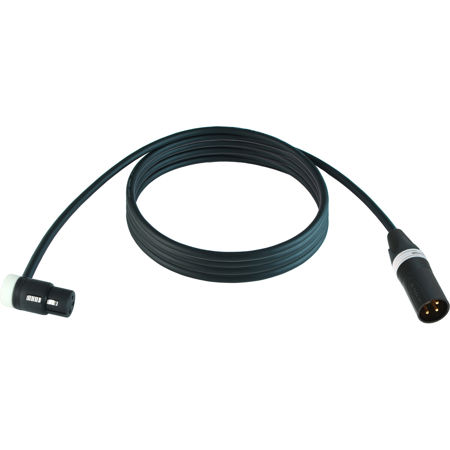
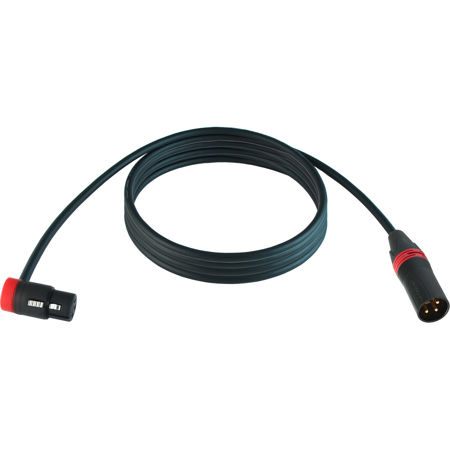
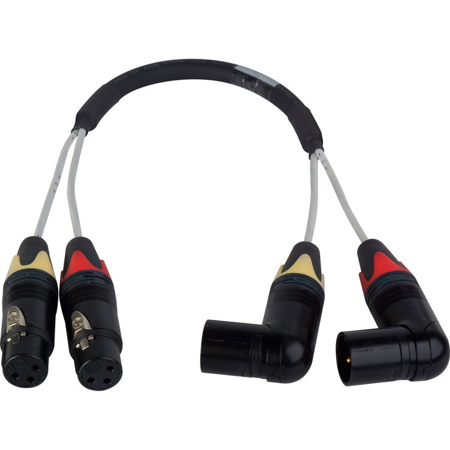
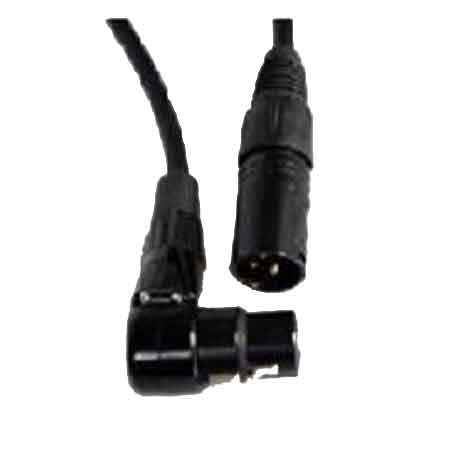
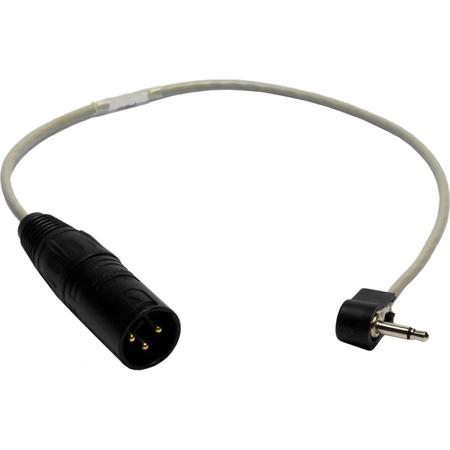
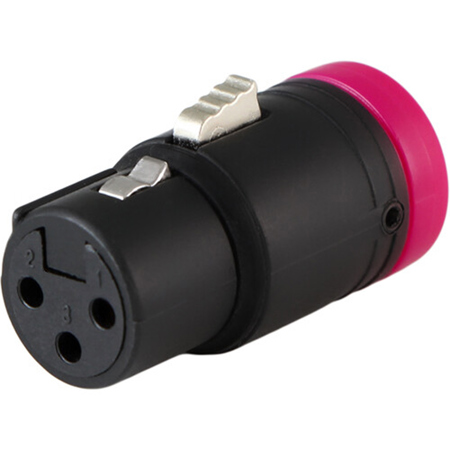
Right angle XLR cables have become a staple for audio professionals and enthusiasts who value both performance and practicality. These cables are engineered with a connector that bends at a ninety-degree angle, making them particularly useful in tight spaces where traditional straight connectors can be cumbersome or prone to strain. Whether setting up a home studio, managing stage equipment for live performances, or handling complex audio-visual installations, right angle XLR cables help maintain clean, organized setups. Their design reduces cable stress and minimizes wear on both the cable and the equipment’s input jacks, ensuring reliable signal transmission over time. For musicians, podcasters, and sound engineers, the ability to route cables flush against equipment or along walls and racks is not just a matter of aesthetics—it’s a practical solution that can prevent accidental disconnections and tripping hazards during busy sessions or energetic performances.
As the weather warms and event season picks up, venues and outdoor gatherings become more frequent, and the demand for robust, flexible audio setups grows. Right angle XLR cables are especially useful in these dynamic environments, where equipment often needs to be moved or reconfigured quickly. DJs, wedding bands, and sound technicians appreciate the way these cables help maximize available space on crowded stages or in mobile rigs. For those building or expanding their home recording studios during quieter summer evenings or prepping for fall gigs, right angle XLR cables offer a tidy solution for connecting microphones, mixers, and audio interfaces in spaces where every inch counts. Their low-profile connectors are also ideal for mounting gear in racks or flush against walls, which is a common requirement in both professional studios and compact home setups. These cables make thoughtful, practical gifts for anyone passionate about audio—whether a friend just starting their podcast, a family member upgrading their rehearsal space, or a colleague who’s always on the go with portable recording gear.
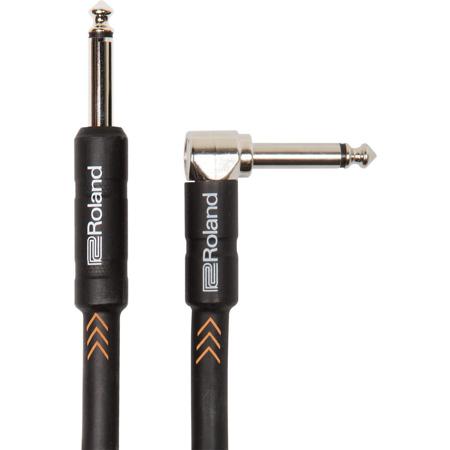
When choosing right angle XLR cables, it’s important to consider factors such as cable length, shielding, and connector quality. Longer cables offer greater flexibility for routing across a stage or studio, while well-shielded options help protect against interference—especially important in environments packed with electronic gear. The durability of the connector itself is another key consideration, as frequent plugging and unplugging can take a toll over time. Many professionals keep a mix of cable lengths on hand to accommodate different setups, from short runs behind a mixing desk to longer stretches across a stage. For those who also use electric guitars, keyboards, or other instruments with quarter-inch outputs, exploring a selection of Right Angle Instrument Cables can further streamline setups and maintain signal integrity. Whether prepping for a summer festival, outfitting a podcast studio, or simply looking to keep cables neatly managed as the seasons change, right angle XLR cables are a reliable choice for anyone serious about great sound and efficient workflows.
As the weather warms and event season picks up, venues and outdoor gatherings become more frequent, and the demand for robust, flexible audio setups grows. Right angle XLR cables are especially useful in these dynamic environments, where equipment often needs to be moved or reconfigured quickly. DJs, wedding bands, and sound technicians appreciate the way these cables help maximize available space on crowded stages or in mobile rigs. For those building or expanding their home recording studios during quieter summer evenings or prepping for fall gigs, right angle XLR cables offer a tidy solution for connecting microphones, mixers, and audio interfaces in spaces where every inch counts. Their low-profile connectors are also ideal for mounting gear in racks or flush against walls, which is a common requirement in both professional studios and compact home setups. These cables make thoughtful, practical gifts for anyone passionate about audio—whether a friend just starting their podcast, a family member upgrading their rehearsal space, or a colleague who’s always on the go with portable recording gear.
When choosing right angle XLR cables, it’s important to consider factors such as cable length, shielding, and connector quality. Longer cables offer greater flexibility for routing across a stage or studio, while well-shielded options help protect against interference—especially important in environments packed with electronic gear. The durability of the connector itself is another key consideration, as frequent plugging and unplugging can take a toll over time. Many professionals keep a mix of cable lengths on hand to accommodate different setups, from short runs behind a mixing desk to longer stretches across a stage. For those who also use electric guitars, keyboards, or other instruments with quarter-inch outputs, exploring a selection of Right Angle Instrument Cables can further streamline setups and maintain signal integrity. Whether prepping for a summer festival, outfitting a podcast studio, or simply looking to keep cables neatly managed as the seasons change, right angle XLR cables are a reliable choice for anyone serious about great sound and efficient workflows.