

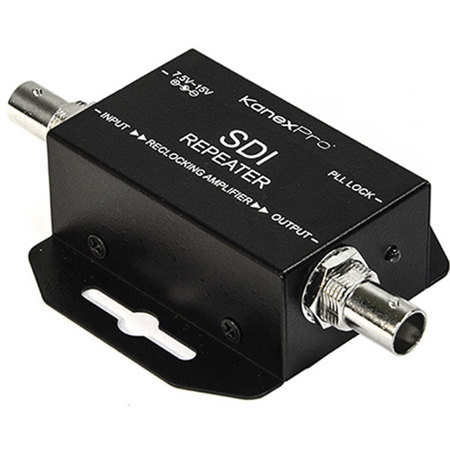
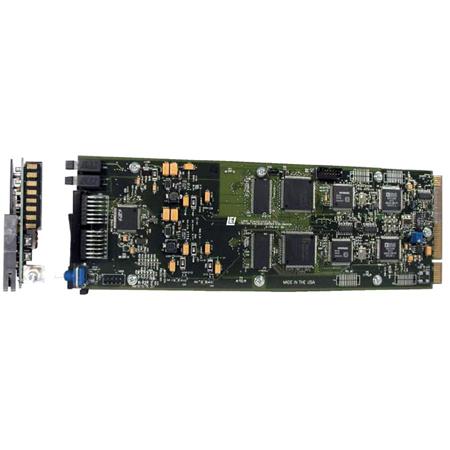
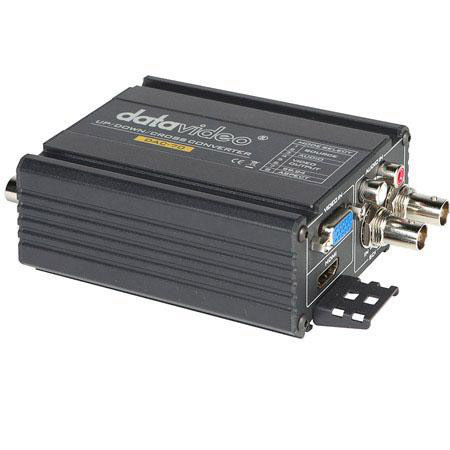
SDI To NDI Converters
In the evolving world of video production and live streaming, the need for seamless, efficient signal conversion has become more important than ever. SDI to NDI converters have emerged as essential tools for professionals and enthusiasts looking to bridge traditional broadcast equipment with modern IP-based workflows. Whether you’re upgrading a studio, outfitting a house of worship, or enhancing a corporate AV setup, these converters provide the flexibility to integrate SDI cameras and devices into NDI networks, enabling high-quality video transmission over standard Ethernet infrastructure. As February brings a flurry of new production schedules and event planning for spring, many teams find themselves re-evaluating their gear to ensure they can meet the demands of hybrid events, remote collaboration, and multi-location streaming. An SDI to NDI converter can be the linchpin that connects legacy SDI sources, such as professional camcorders or switchers, to a network-based workflow, unlocking advanced features like remote camera control, low-latency video feeds, and simplified cabling. For anyone who has ever wrestled with a tangled mess of coaxial cables behind a rack or struggled to extend an SDI signal across a large venue, the move to NDI over Ethernet feels like a breath of fresh air—suddenly, video signals can travel over existing network cables, reducing setup time and increasing flexibility.
When considering an SDI to NDI solution, it’s helpful to think about the specific needs of your workflow and environment. For broadcast engineers, the decision often comes down to SDI vs NDI: SDI offers rock-solid reliability and is the backbone of traditional video infrastructure, while NDI provides versatility, scalability, and cost-effectiveness for IP-based production. A well-chosen SDI to NDI converter allows you to enjoy the best of both worlds, maintaining the robustness of SDI while gaining the networked flexibility of NDI. These devices are indispensable for live event producers, educators streaming lectures, content creators building multi-camera setups, and even small churches or community centers looking to expand their reach online. They also make thoughtful and practical gifts for videographers, AV technicians, or anyone passionate about live production—especially as the days grow longer and event season ramps up. Imagine gifting a budding filmmaker the ability to turn their SDI camera into a networked NDI transmitter, opening up creative possibilities for remote interviews, collaborative projects, or multi-room coverage without the need for expensive new cameras.
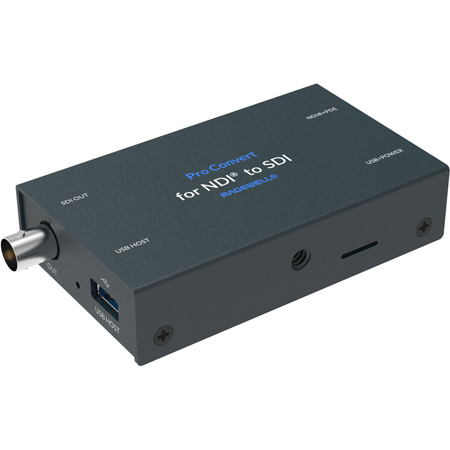
The technology behind SDI to NDI conversion is both powerful and accessible. Modern converters often double as SDI to Ethernet converters, translating high-definition video and embedded audio into NDI streams that can be routed, recorded, or broadcast from anywhere on the network. This means production teams can place cameras in challenging locations—balconies, hallways, or even outdoors—without worrying about signal degradation or cumbersome cabling. As you browse the curated selection of SDI to NDI converters, consider factors like supported resolutions, latency performance, power options (including PoE for streamlined installations), and integration with existing network infrastructure. The right choice can simplify your workflow, reduce costs, and future-proof your setup as the industry continues its shift toward IP-based production. For a broader overview of signal conversion solutions, including options beyond NDI, explore our comprehensive SDI Converters page. Whether you’re outfitting a cutting-edge studio or upgrading a grassroots streaming rig, investing in a reliable SDI to NDI converter is a step toward more flexible, scalable, and creative video production.
When considering an SDI to NDI solution, it’s helpful to think about the specific needs of your workflow and environment. For broadcast engineers, the decision often comes down to SDI vs NDI: SDI offers rock-solid reliability and is the backbone of traditional video infrastructure, while NDI provides versatility, scalability, and cost-effectiveness for IP-based production. A well-chosen SDI to NDI converter allows you to enjoy the best of both worlds, maintaining the robustness of SDI while gaining the networked flexibility of NDI. These devices are indispensable for live event producers, educators streaming lectures, content creators building multi-camera setups, and even small churches or community centers looking to expand their reach online. They also make thoughtful and practical gifts for videographers, AV technicians, or anyone passionate about live production—especially as the days grow longer and event season ramps up. Imagine gifting a budding filmmaker the ability to turn their SDI camera into a networked NDI transmitter, opening up creative possibilities for remote interviews, collaborative projects, or multi-room coverage without the need for expensive new cameras.
The technology behind SDI to NDI conversion is both powerful and accessible. Modern converters often double as SDI to Ethernet converters, translating high-definition video and embedded audio into NDI streams that can be routed, recorded, or broadcast from anywhere on the network. This means production teams can place cameras in challenging locations—balconies, hallways, or even outdoors—without worrying about signal degradation or cumbersome cabling. As you browse the curated selection of SDI to NDI converters, consider factors like supported resolutions, latency performance, power options (including PoE for streamlined installations), and integration with existing network infrastructure. The right choice can simplify your workflow, reduce costs, and future-proof your setup as the industry continues its shift toward IP-based production. For a broader overview of signal conversion solutions, including options beyond NDI, explore our comprehensive SDI Converters page. Whether you’re outfitting a cutting-edge studio or upgrading a grassroots streaming rig, investing in a reliable SDI to NDI converter is a step toward more flexible, scalable, and creative video production.