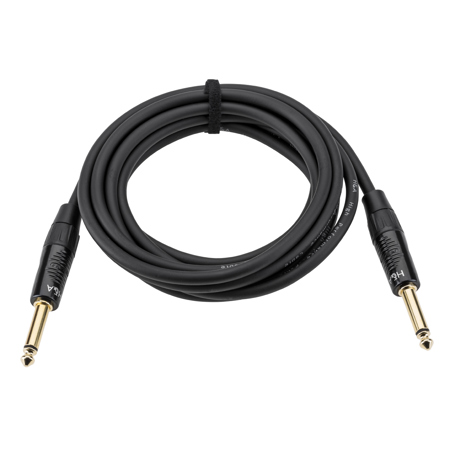
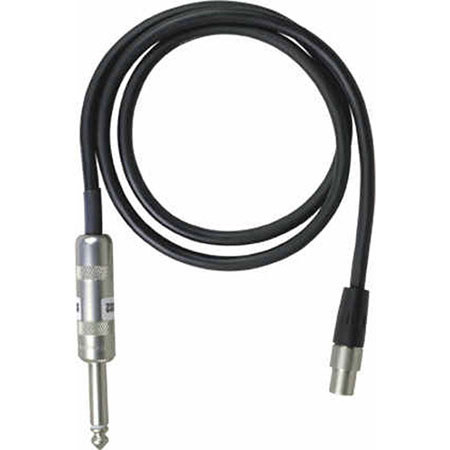
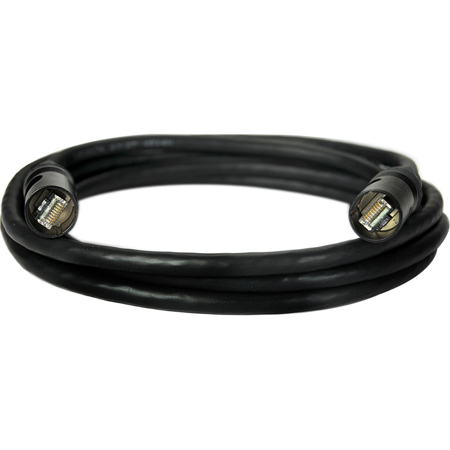
Shielded Instrument Cables
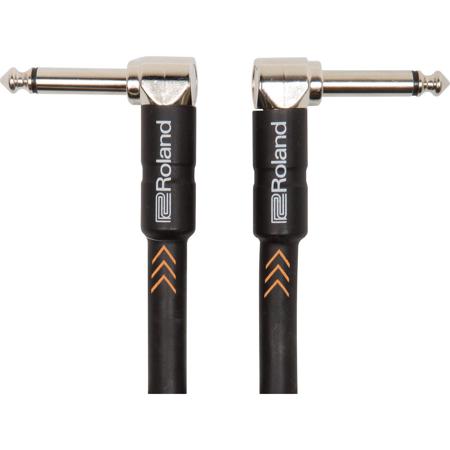
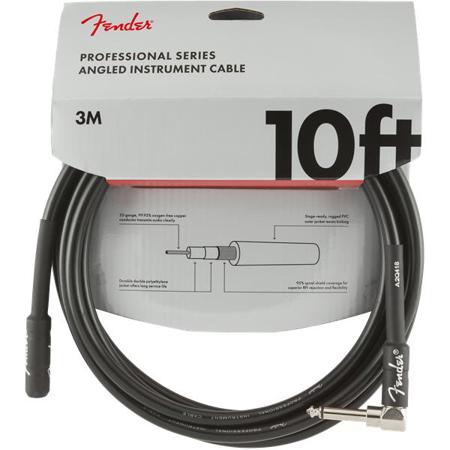
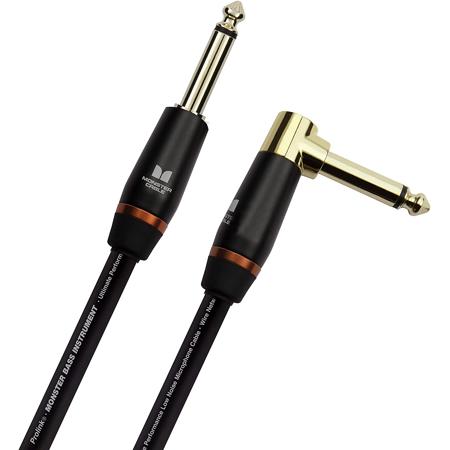
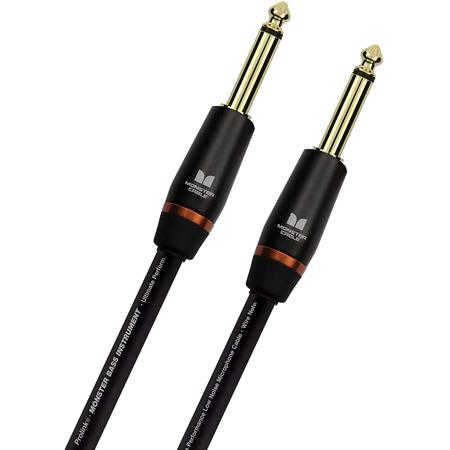
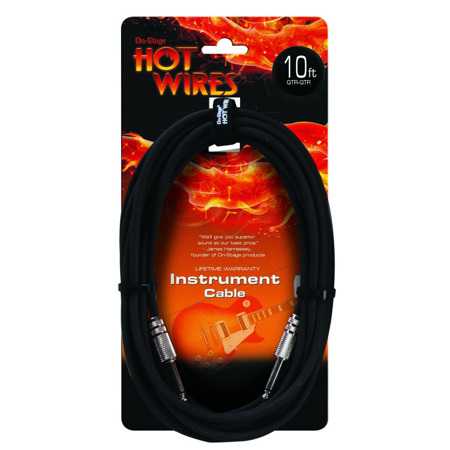
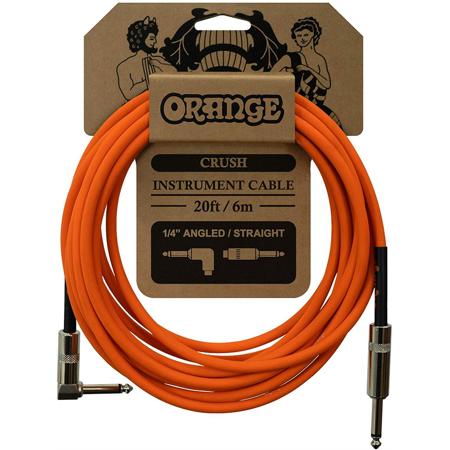
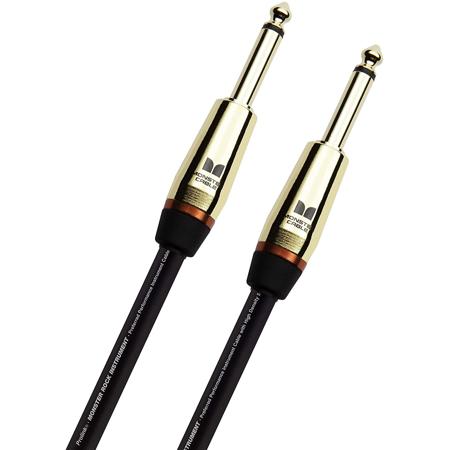
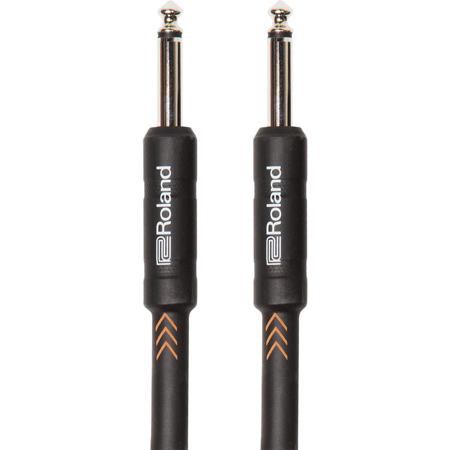
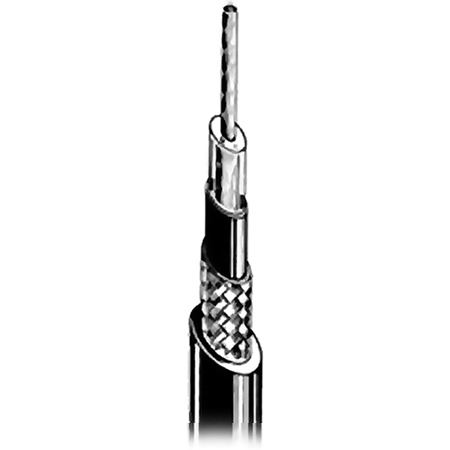
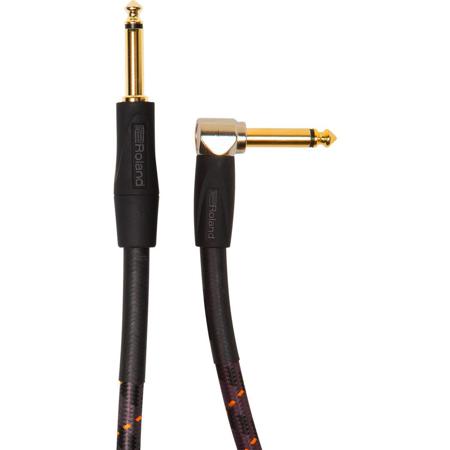
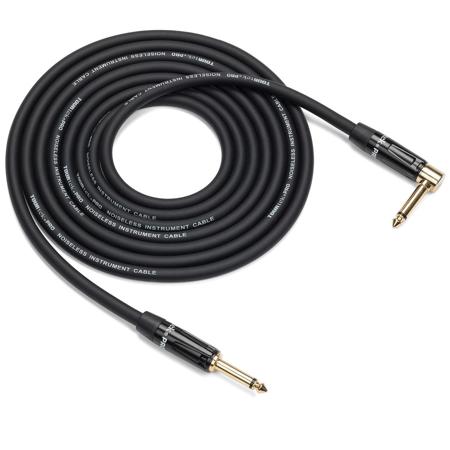
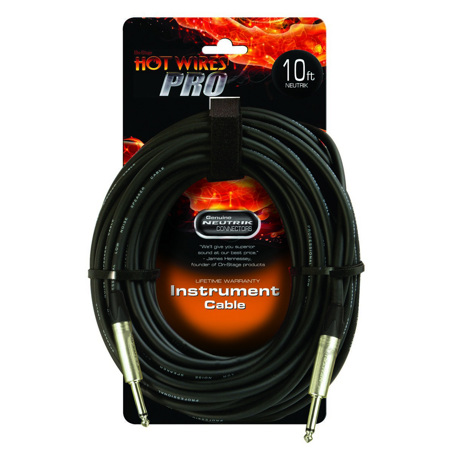
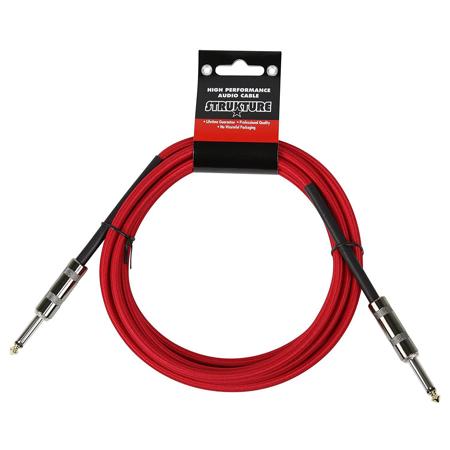
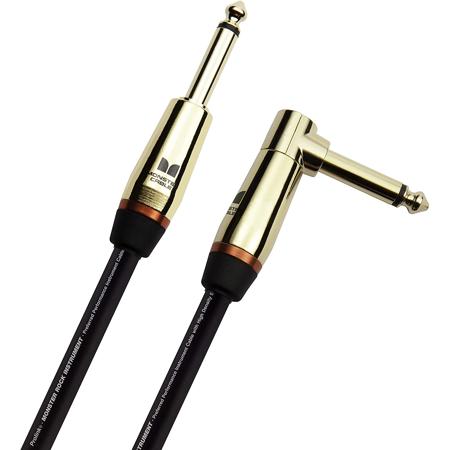
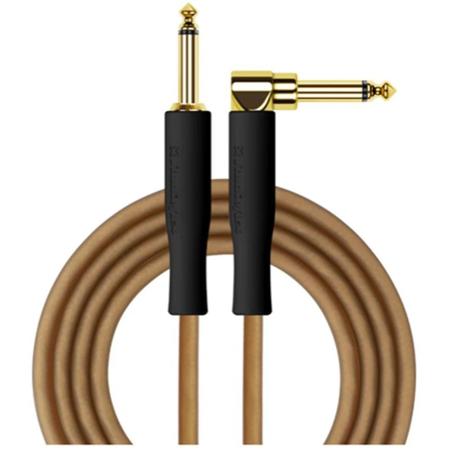
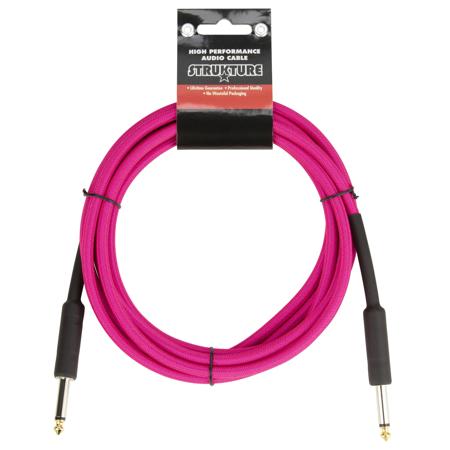
Shielded instrument cables are the unsung heroes of any musician’s setup, whether you’re plugging in an electric guitar for a backyard jam session as the days grow longer, or wiring up a complex pedalboard for a late-night studio session. At their core, these cables serve a crucial function: they protect delicate instrument-level signals from the electromagnetic interference (EMI) and radio frequency (RF) noise that can creep in from stage lights, amplifiers, or even nearby power cables. For guitarists, bassists, keyboard players, and audio engineers alike, investing in a high-quality shielded instrument cable means enjoying clean, transparent sound without the unwanted hums, buzzes, or static that can otherwise mar a performance or recording. The construction of these cables is a testament to thoughtful engineering—inside, you’ll often find braided copper shielding or conductive vinyl barriers that act as a fortress, safely conducting interference away from your audio path and into the ground. For those who play live, the difference is immediately noticeable: microphonic handling noise is minimized, so you won’t hear those distracting thumps or crackles when cables brush against the stage or are stepped on during an energetic set.
When selecting the right shielded instrument cable for your needs, several key features come into play. Musicians who frequently perform outdoors, travel between venues during festival season, or set up for open-air events need cables that offer both flexibility and durability. Braided shields, made of tightly woven copper wires, are particularly prized for their ruggedness and ability to withstand repeated flexing and coiling—qualities that make them a top choice for gigging artists and anyone who values reliability on the road. For those building custom pedalboards or home studios, spiral or serve shields provide excellent flexibility and are easier to solder, making them ideal for DIY enthusiasts who want precise cable lengths and configurations. Foil shields, often paired with a copper drain wire, excel at blocking high-frequency noise but are generally better suited for permanent installations due to their relative stiffness. Beyond shielding type, savvy buyers also look for low capacitance—typically measured in picofarads per foot (pF/Ft)—to ensure that their high-frequency tones remain crisp and articulate, even over longer cable runs. Oxygen-free copper (OFC) conductors are another hallmark of premium cables, prized for their resistance to corrosion and their ability to maintain pristine signal clarity over years of use. For those seeking the absolute maximum in noise rejection, dual-shielded designs that combine a conductive vinyl layer with a copper braid are a wise investment.
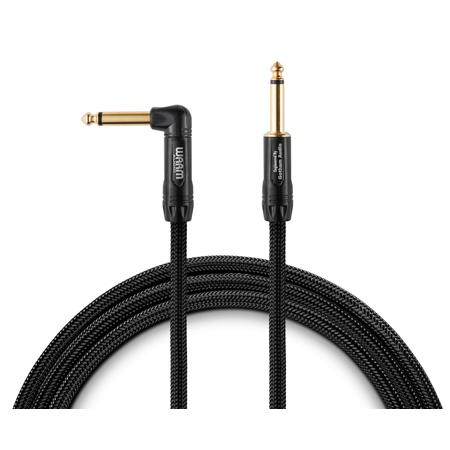
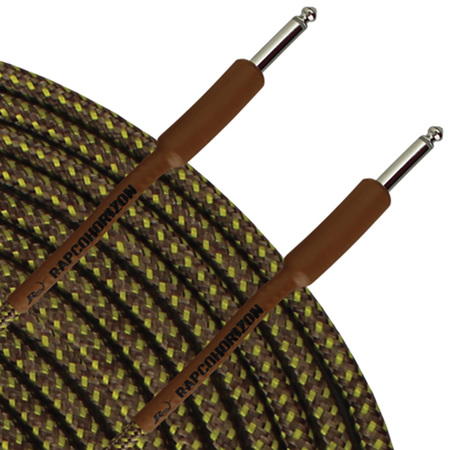
Shielded instrument cables aren’t just for seasoned professionals; they make thoughtful gifts for aspiring musicians, students, or anyone setting up their first home recording space as the seasons shift and creative projects take shape. Whether you’re outfitting a young guitarist for summer lessons, surprising a bandmate before a fall gig, or updating your own collection to prepare for the busy performance months ahead, these cables are a practical and appreciated addition to any musician’s gear bag. They’re also essential for audio engineers and producers who demand clean, interference-free signal paths in both live and studio environments. For those interested in exploring even more robust options, braided designs offer a blend of flexibility and toughness that stands up to the demands of touring and frequent use; you can discover more about these by visiting our dedicated page for Braided Instrument Cables. As you browse our curated selection, consider your own workflow, the environments in which you’ll be performing or recording, and the importance of reliable, noise-free connections. With the right shielded instrument cable, you’ll enjoy a smoother, more inspiring musical experience—season after season.
When selecting the right shielded instrument cable for your needs, several key features come into play. Musicians who frequently perform outdoors, travel between venues during festival season, or set up for open-air events need cables that offer both flexibility and durability. Braided shields, made of tightly woven copper wires, are particularly prized for their ruggedness and ability to withstand repeated flexing and coiling—qualities that make them a top choice for gigging artists and anyone who values reliability on the road. For those building custom pedalboards or home studios, spiral or serve shields provide excellent flexibility and are easier to solder, making them ideal for DIY enthusiasts who want precise cable lengths and configurations. Foil shields, often paired with a copper drain wire, excel at blocking high-frequency noise but are generally better suited for permanent installations due to their relative stiffness. Beyond shielding type, savvy buyers also look for low capacitance—typically measured in picofarads per foot (pF/Ft)—to ensure that their high-frequency tones remain crisp and articulate, even over longer cable runs. Oxygen-free copper (OFC) conductors are another hallmark of premium cables, prized for their resistance to corrosion and their ability to maintain pristine signal clarity over years of use. For those seeking the absolute maximum in noise rejection, dual-shielded designs that combine a conductive vinyl layer with a copper braid are a wise investment.
Shielded instrument cables aren’t just for seasoned professionals; they make thoughtful gifts for aspiring musicians, students, or anyone setting up their first home recording space as the seasons shift and creative projects take shape. Whether you’re outfitting a young guitarist for summer lessons, surprising a bandmate before a fall gig, or updating your own collection to prepare for the busy performance months ahead, these cables are a practical and appreciated addition to any musician’s gear bag. They’re also essential for audio engineers and producers who demand clean, interference-free signal paths in both live and studio environments. For those interested in exploring even more robust options, braided designs offer a blend of flexibility and toughness that stands up to the demands of touring and frequent use; you can discover more about these by visiting our dedicated page for Braided Instrument Cables. As you browse our curated selection, consider your own workflow, the environments in which you’ll be performing or recording, and the importance of reliable, noise-free connections. With the right shielded instrument cable, you’ll enjoy a smoother, more inspiring musical experience—season after season.