Silver Oxide Watch Batteries
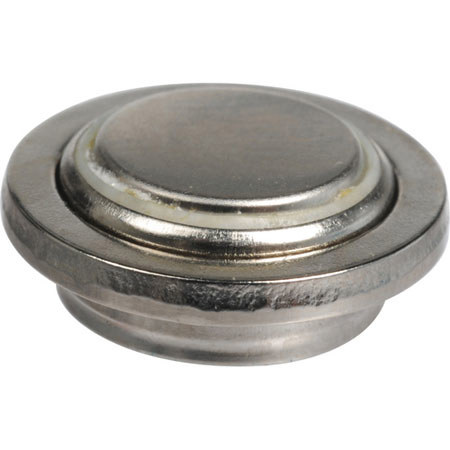
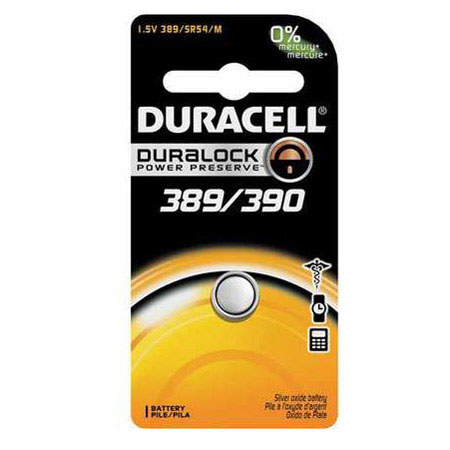
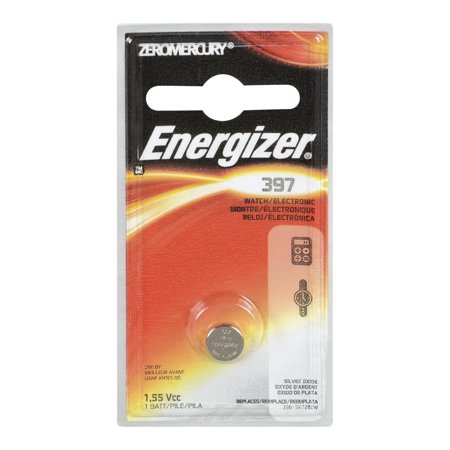
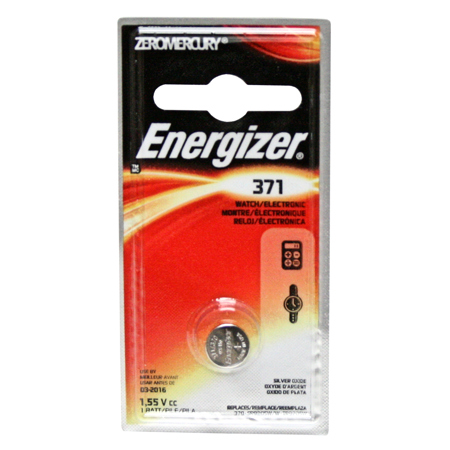
Silver oxide watch batteries have long been the trusted power source behind the precision and reliability of quartz watches, as well as a variety of compact electronic devices. Their small, button-shaped design belies their impressive capabilities: these batteries deliver a remarkably stable voltage throughout their lifespan, ensuring that timepieces keep accurate time and multifunction devices operate smoothly. Unlike alkaline batteries, silver oxide cells maintain consistent power output right up until they are nearly depleted, which is especially important for watches where even a slight voltage drop can impact timekeeping. The chemistry behind these cells—utilizing silver oxide as the positive electrode and zinc as the negative, with an alkaline electrolyte—results in a high energy density and a longer shelf life, making them ideal not only for everyday wristwatches but also for calculators, medical devices like glucose monitors, and small remote controls. As the winter season approaches and the holidays draw near, many people find themselves checking their watches more frequently while traveling, attending festive gatherings, or simply keeping track of busy schedules. This makes December a particularly relevant time to ensure your watch or a loved one’s cherished timepiece is powered by a reliable silver oxide battery.
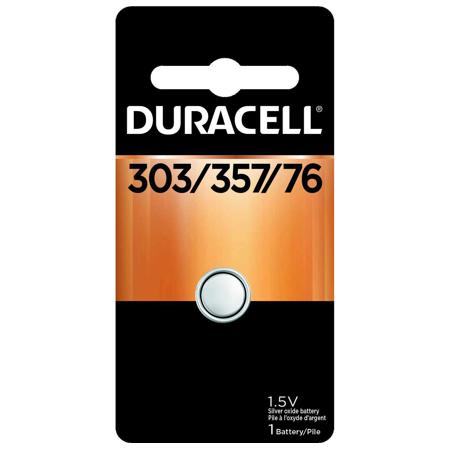
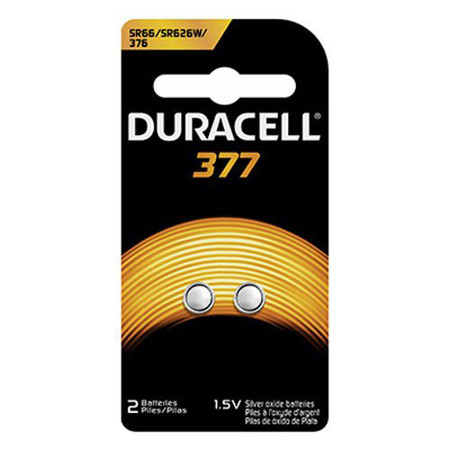
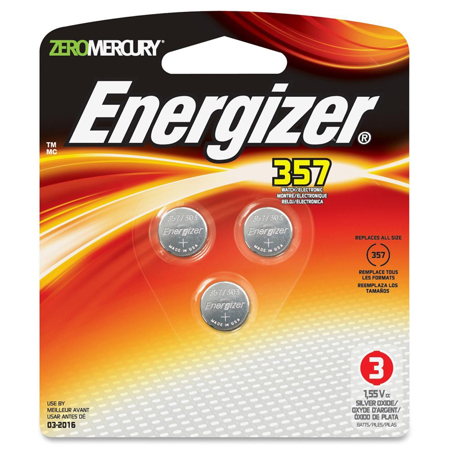
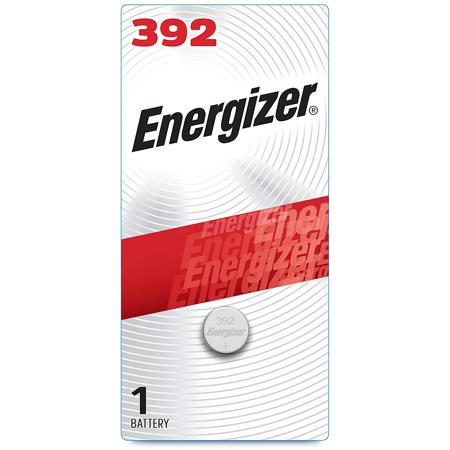
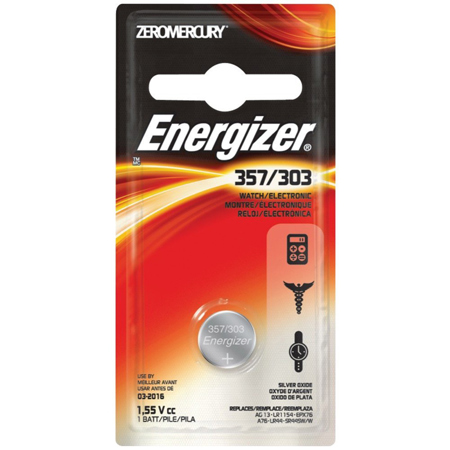
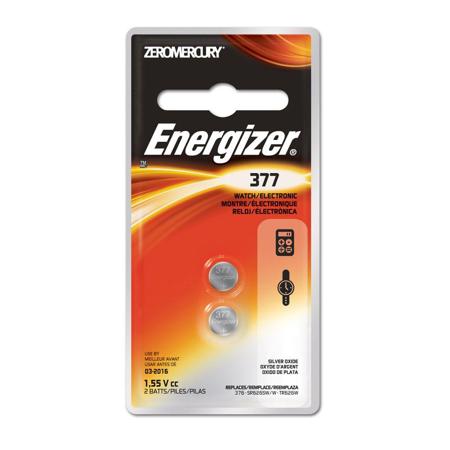
For those considering the purchase of silver oxide watch batteries, a few key factors can help guide your selection. First, understanding the specific requirements of your device is crucial: low-drain (SW) types are best suited for standard analog watches, while high-drain (W) variants are designed for multifunction digital watches or devices with alarms and backlights that require higher current. Each battery is identified by a unique code—such as 377, 392, or 357—which indicates its size and capacity, so checking your device’s manual or the old battery is always a wise step before purchasing. Silver oxide batteries are generally more expensive than their alkaline counterparts due to the silver content, but their superior performance and longevity often justify the investment, especially for precision instruments. Modern options are mercury-free, reflecting advancements in safety and environmental standards, though it’s still important to be mindful of potential leakage if a battery is left in a device for five years or more. For those who appreciate the enduring value of a well-kept watch—whether it’s a family heirloom or a recent gift—having a spare silver oxide battery on hand can be a thoughtful and practical touch, especially during the gift-giving season when watches are often exchanged as meaningful presents.
Whether you’re a collector maintaining a treasured timepiece, a professional relying on medical equipment, or simply someone who appreciates the confidence that comes from knowing your devices will perform reliably, silver oxide watch batteries are an essential accessory. Their long shelf life—often retaining over 90% of their original charge after five years in storage—means you can stock up without worry, making them an excellent addition to any home or professional toolkit. As you browse our curated selection, you’ll find options suitable for a wide range of devices and needs, all backed by the assurance of consistent performance. For those interested in exploring more about these batteries or comparing options across different applications, our dedicated Silver Batteries page offers a comprehensive look at the full spectrum of silver oxide cells available. Whether you’re preparing for the winter months, shopping for a thoughtful holiday gift, or simply ensuring your everyday essentials are ready to go, choosing the right silver oxide battery is a small step that makes a significant difference in daily life.
For those considering the purchase of silver oxide watch batteries, a few key factors can help guide your selection. First, understanding the specific requirements of your device is crucial: low-drain (SW) types are best suited for standard analog watches, while high-drain (W) variants are designed for multifunction digital watches or devices with alarms and backlights that require higher current. Each battery is identified by a unique code—such as 377, 392, or 357—which indicates its size and capacity, so checking your device’s manual or the old battery is always a wise step before purchasing. Silver oxide batteries are generally more expensive than their alkaline counterparts due to the silver content, but their superior performance and longevity often justify the investment, especially for precision instruments. Modern options are mercury-free, reflecting advancements in safety and environmental standards, though it’s still important to be mindful of potential leakage if a battery is left in a device for five years or more. For those who appreciate the enduring value of a well-kept watch—whether it’s a family heirloom or a recent gift—having a spare silver oxide battery on hand can be a thoughtful and practical touch, especially during the gift-giving season when watches are often exchanged as meaningful presents.
Whether you’re a collector maintaining a treasured timepiece, a professional relying on medical equipment, or simply someone who appreciates the confidence that comes from knowing your devices will perform reliably, silver oxide watch batteries are an essential accessory. Their long shelf life—often retaining over 90% of their original charge after five years in storage—means you can stock up without worry, making them an excellent addition to any home or professional toolkit. As you browse our curated selection, you’ll find options suitable for a wide range of devices and needs, all backed by the assurance of consistent performance. For those interested in exploring more about these batteries or comparing options across different applications, our dedicated Silver Batteries page offers a comprehensive look at the full spectrum of silver oxide cells available. Whether you’re preparing for the winter months, shopping for a thoughtful holiday gift, or simply ensuring your everyday essentials are ready to go, choosing the right silver oxide battery is a small step that makes a significant difference in daily life.