Solar Eclipse Filters
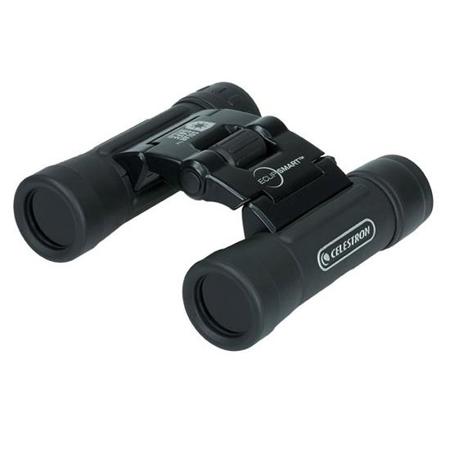
Experiencing a solar eclipse is a breathtaking event that brings together photographers, astronomers, educators, and families eager to witness the rare alignment of the sun and moon. Capturing these fleeting moments or observing them safely requires specialized equipment, with solar eclipse filters being one of the most essential tools for anyone using telescopes, cameras, or binoculars. These filters are precisely engineered to block 100% of harmful ultraviolet and infrared radiation and up to 99.999% of visible light, allowing you to view or photograph the sun’s surface and solar phenomena without risking eye injury or damaging sensitive optics. Whether you are a seasoned astrophotographer planning to document the intricate details of the sun’s photosphere or a hobbyist hoping to share the wonder of an eclipse with family and friends, selecting the right solar eclipse filter is a vital step in your preparation.
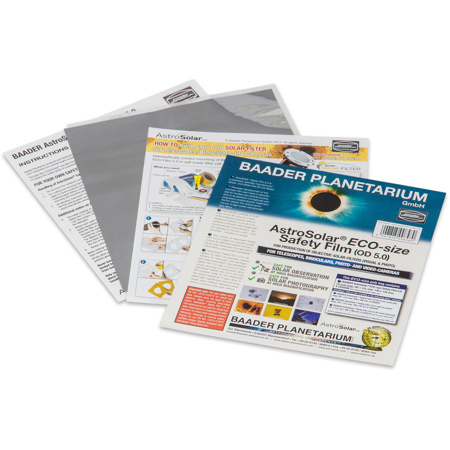
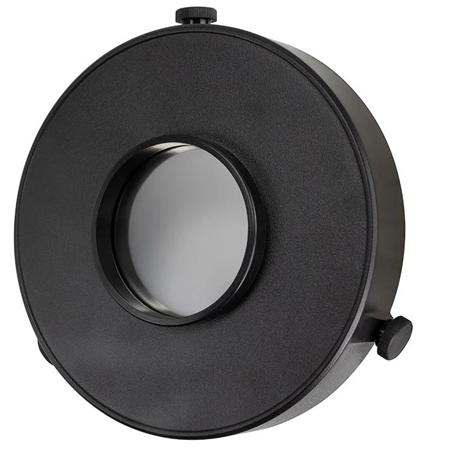
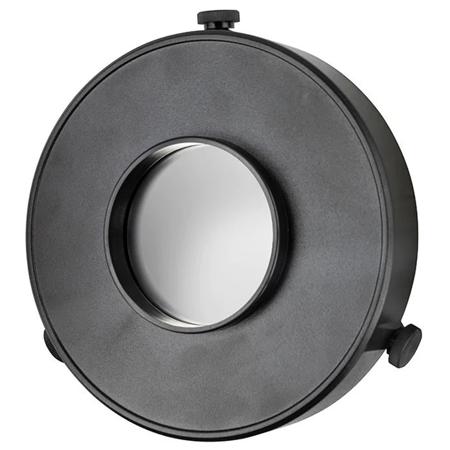
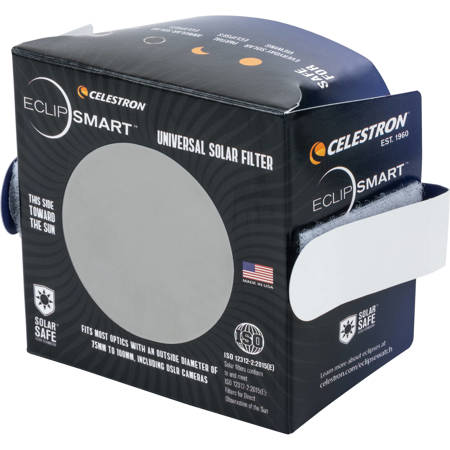
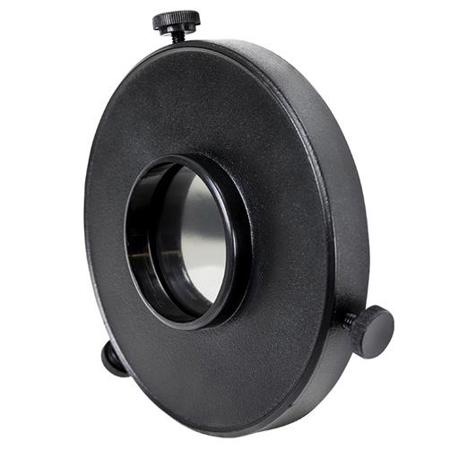
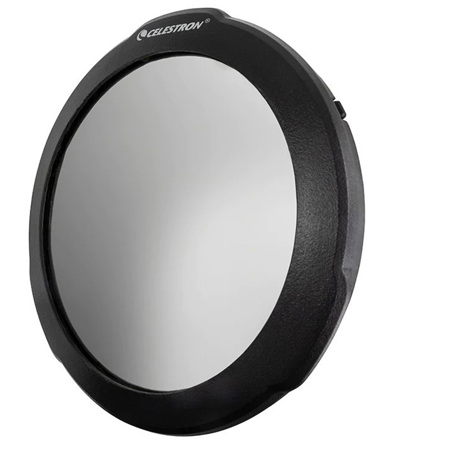
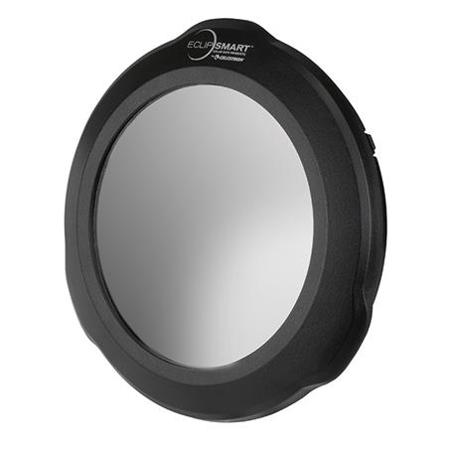
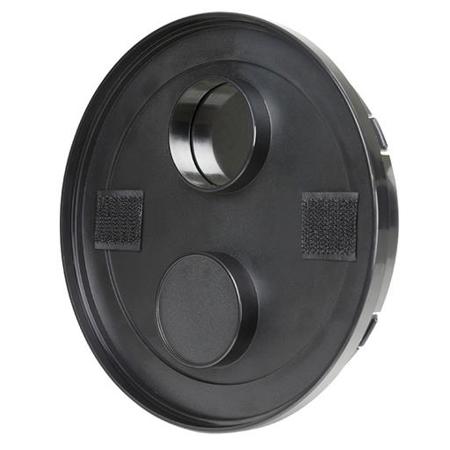
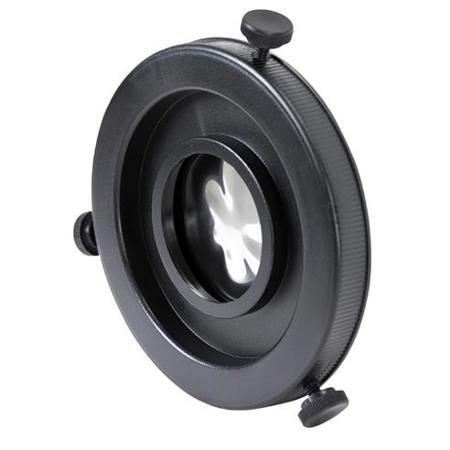
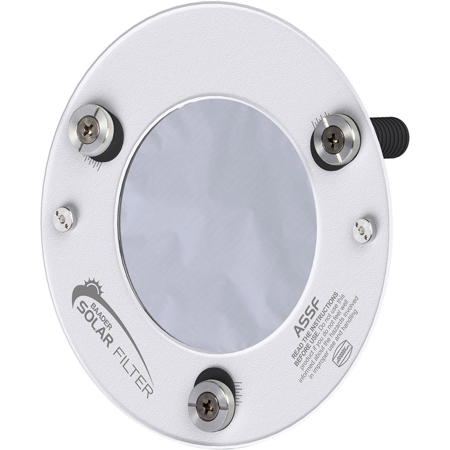
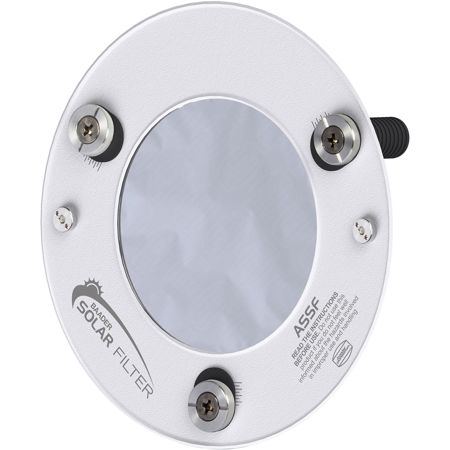
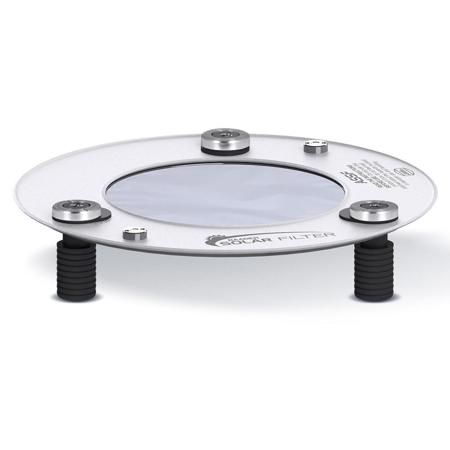
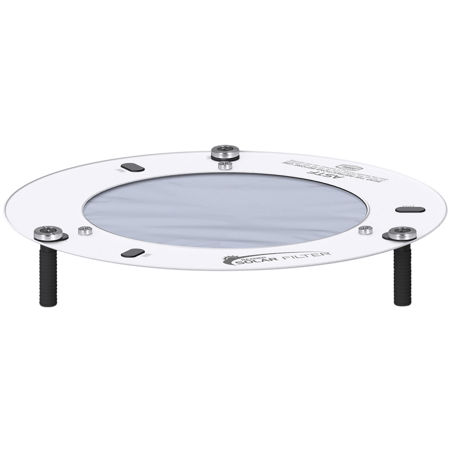
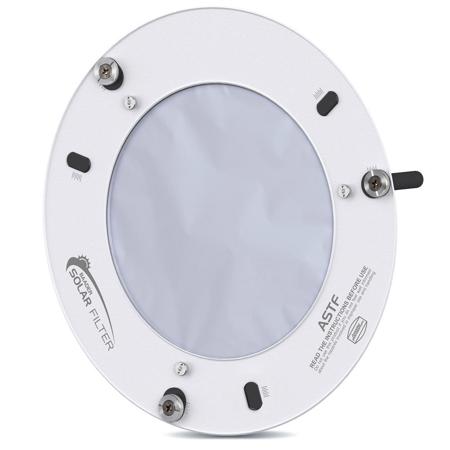
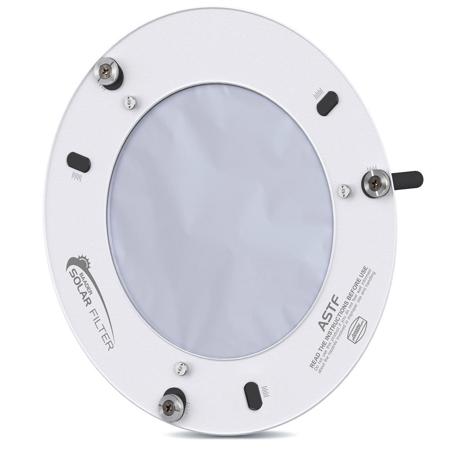
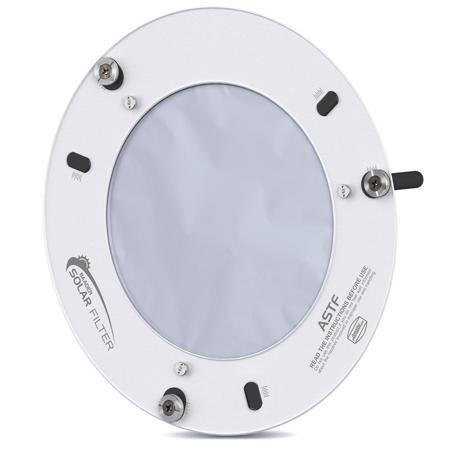
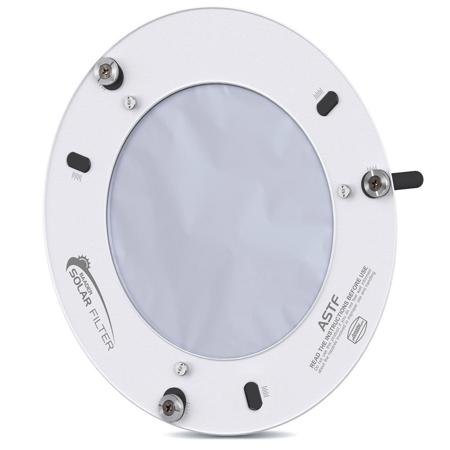
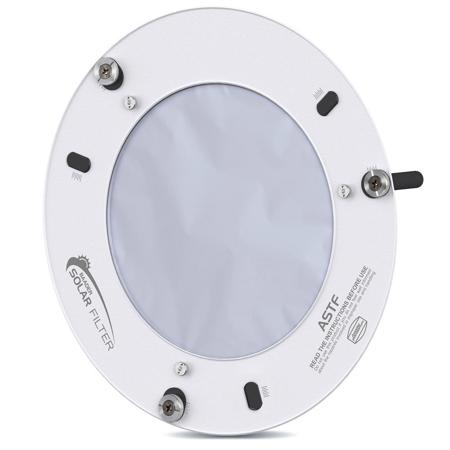
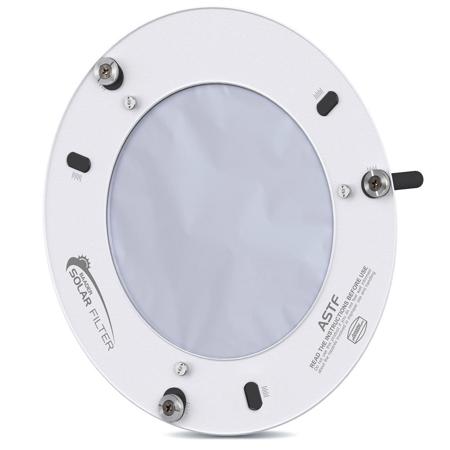
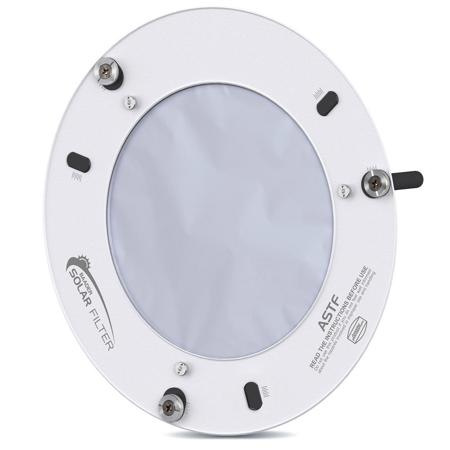
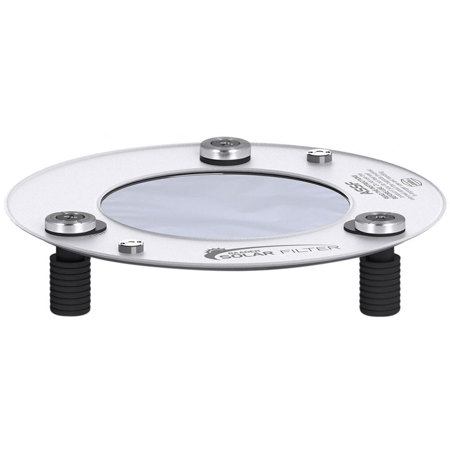
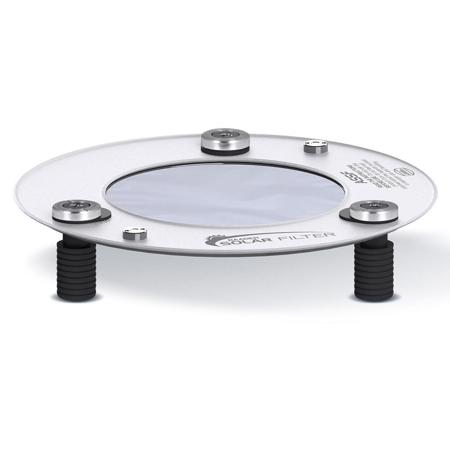
Solar eclipse filters are available in several forms, including ready-made units designed to fit specific optical devices and versatile sheets for custom applications. Most commonly, white light filters—crafted from durable polymer or glass—offer a safe way to observe the sun’s disk and sunspots, rendering the sun in a striking orange hue. For those seeking a deeper view into solar activity, hydrogen-alpha (H-alpha) filters provide access to the sun’s dynamic chromosphere, revealing flares and prominences in vivid detail, though these advanced filters are typically a significant investment for dedicated solar observers. When choosing a solar eclipse filter, it is crucial to ensure it meets the ISO 12312-2 international safety standard for direct solar viewing and possesses an optical density (OD) of 5.0, which far exceeds the protection offered by standard photographic ND filters. Always measure the outer diameter of your device’s tube to select a filter that fits securely over the aperture, using clamp-on designs or custom holders as needed. Before each use, inspect your filter closely for any scratches, pinholes, or other damage, as even minor flaws can compromise safety and image quality.
As winter gives way to the anticipation of upcoming spring and summer eclipses, now is the perfect time to equip yourself or a loved one with a solar eclipse filter. These filters make thoughtful gifts for astronomy enthusiasts, students, or anyone with a passion for science and the natural world. Imagine gathering with family on a crisp morning, the air filled with excitement as telescopes and cameras are positioned, each lens shielded by a trusted solar eclipse filter. The shared awe as the moon gradually obscures the sun, and the brief, magical moment of totality—when the filter can be safely removed to witness the sun’s corona—will become cherished memories. For those wishing to share the experience with larger groups or classrooms, consider pairing your filter with a set of Solar Eclipse Glasses for safe, unaided viewing. Whether you are capturing high-resolution images, leading an educational demonstration, or simply enjoying the spectacle with friends, the right solar eclipse filter ensures that every moment is both safe and unforgettable.
Solar eclipse filters are available in several forms, including ready-made units designed to fit specific optical devices and versatile sheets for custom applications. Most commonly, white light filters—crafted from durable polymer or glass—offer a safe way to observe the sun’s disk and sunspots, rendering the sun in a striking orange hue. For those seeking a deeper view into solar activity, hydrogen-alpha (H-alpha) filters provide access to the sun’s dynamic chromosphere, revealing flares and prominences in vivid detail, though these advanced filters are typically a significant investment for dedicated solar observers. When choosing a solar eclipse filter, it is crucial to ensure it meets the ISO 12312-2 international safety standard for direct solar viewing and possesses an optical density (OD) of 5.0, which far exceeds the protection offered by standard photographic ND filters. Always measure the outer diameter of your device’s tube to select a filter that fits securely over the aperture, using clamp-on designs or custom holders as needed. Before each use, inspect your filter closely for any scratches, pinholes, or other damage, as even minor flaws can compromise safety and image quality.
As winter gives way to the anticipation of upcoming spring and summer eclipses, now is the perfect time to equip yourself or a loved one with a solar eclipse filter. These filters make thoughtful gifts for astronomy enthusiasts, students, or anyone with a passion for science and the natural world. Imagine gathering with family on a crisp morning, the air filled with excitement as telescopes and cameras are positioned, each lens shielded by a trusted solar eclipse filter. The shared awe as the moon gradually obscures the sun, and the brief, magical moment of totality—when the filter can be safely removed to witness the sun’s corona—will become cherished memories. For those wishing to share the experience with larger groups or classrooms, consider pairing your filter with a set of Solar Eclipse Glasses for safe, unaided viewing. Whether you are capturing high-resolution images, leading an educational demonstration, or simply enjoying the spectacle with friends, the right solar eclipse filter ensures that every moment is both safe and unforgettable.