




SSD Data Storage
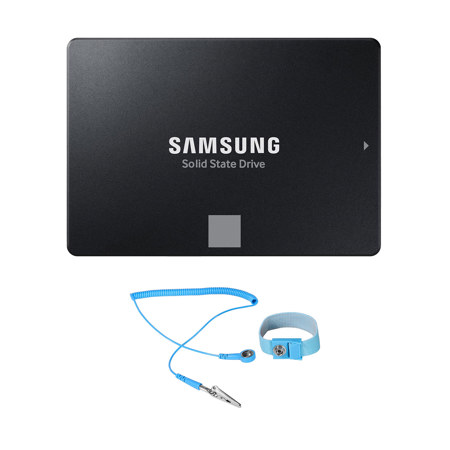
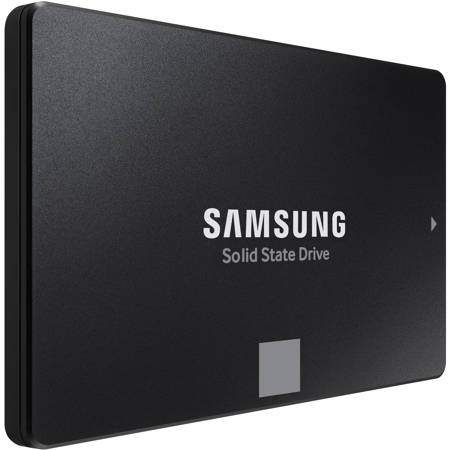
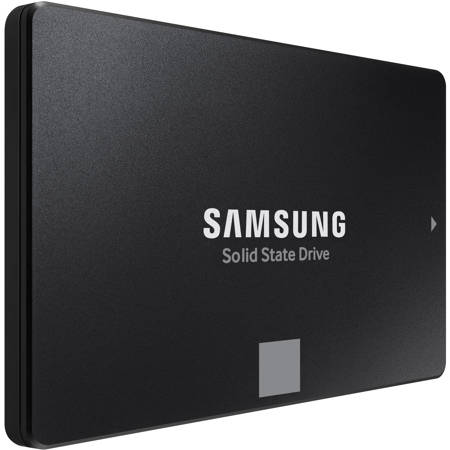
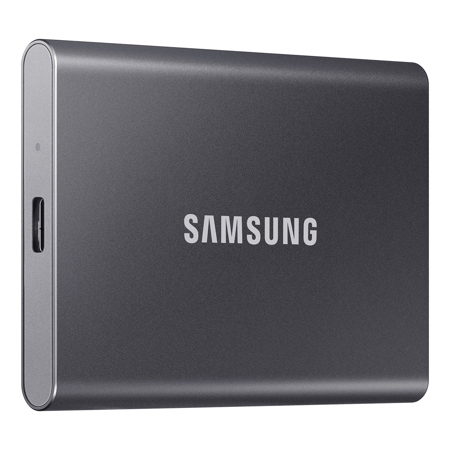
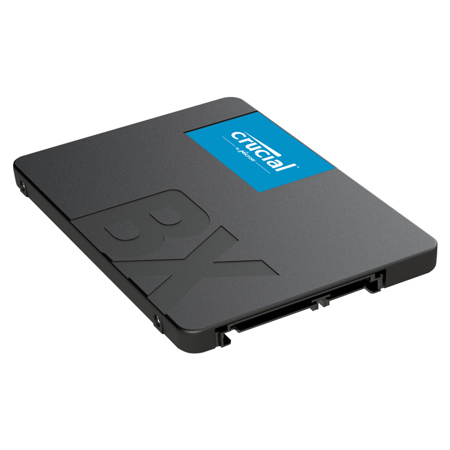
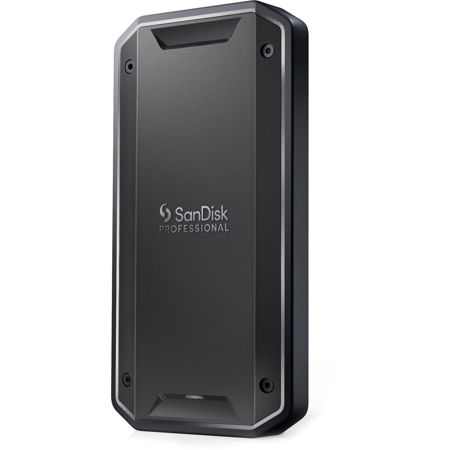
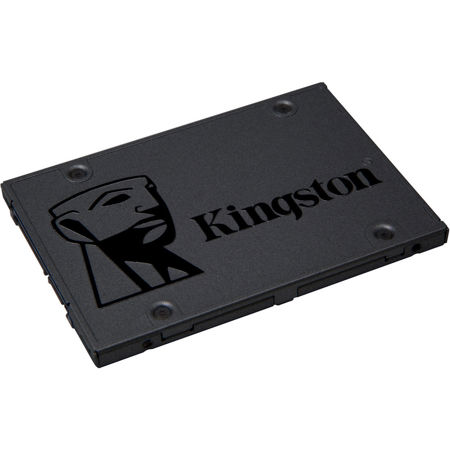
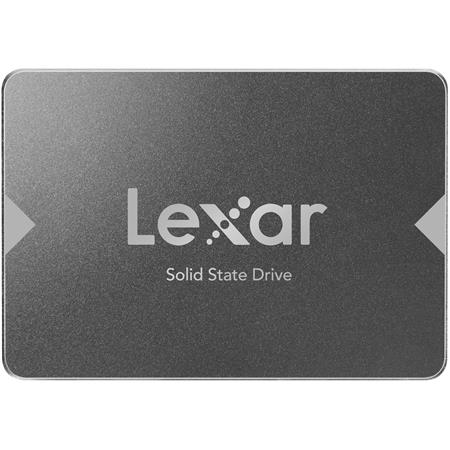
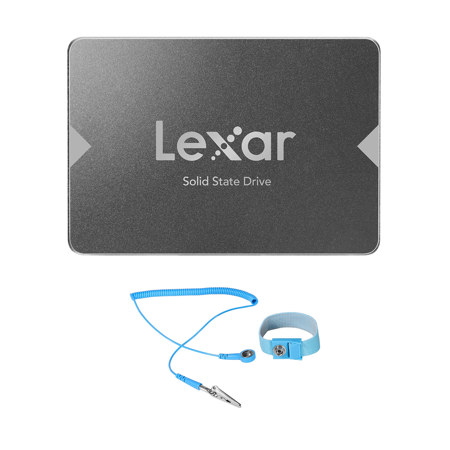
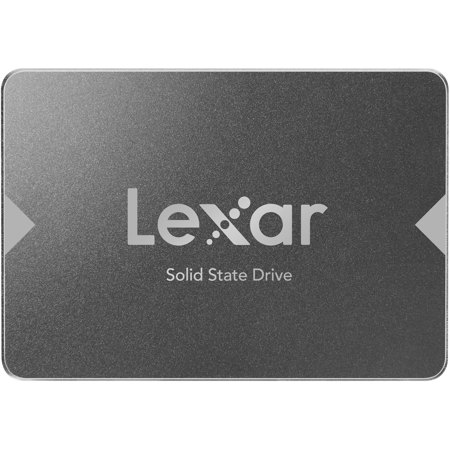
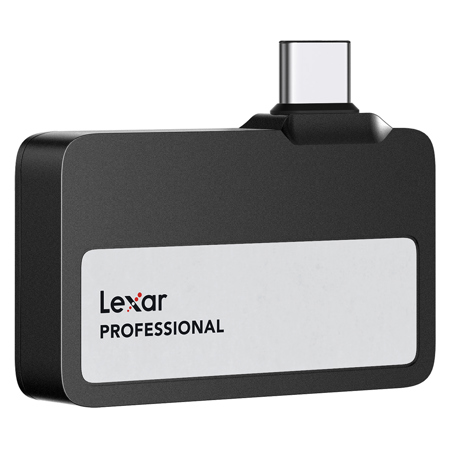
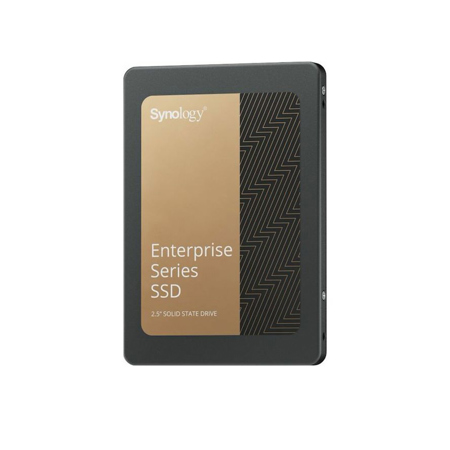
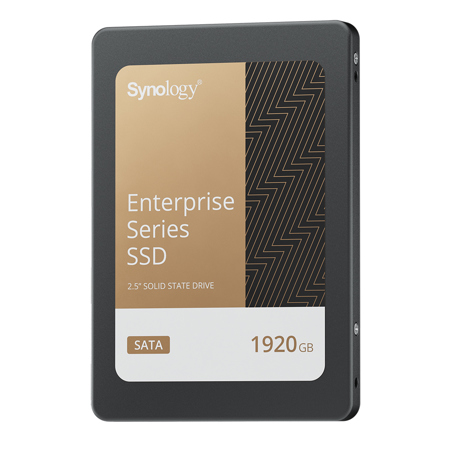
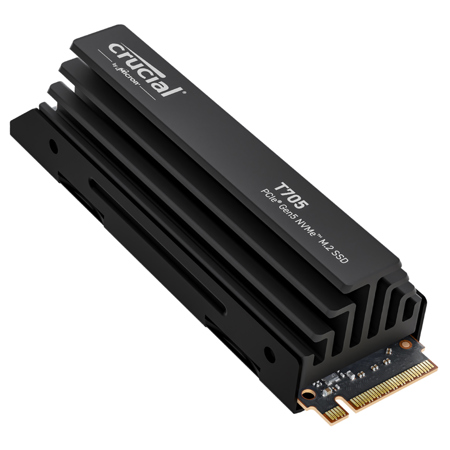
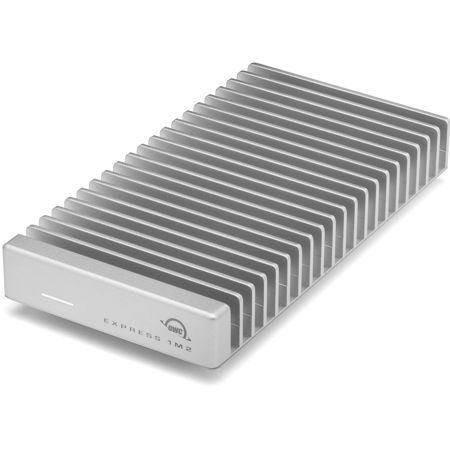
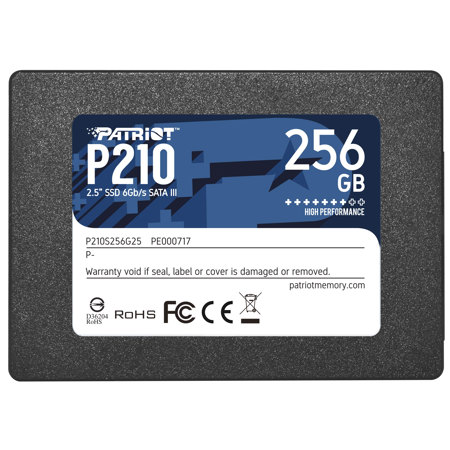
Solid State Drives, commonly known as SSDs, have transformed the landscape of data storage, offering a blend of speed, reliability, and portability that appeals to a wide range of users. Whether you’re a creative professional editing high-resolution video on the go, a gamer seeking lightning-fast load times, or someone simply looking to upgrade a laptop or desktop for everyday tasks, SSD data storage provides a significant performance boost over traditional hard drives. The absence of moving parts in SSDs not only makes them quieter and more durable but also allows for rapid file transfers and quick system boot-ups—qualities that are especially valuable as life gets busier during the warmer days and as routines shift into the back-to-school and early fall seasons. Internal SSDs, such as M.2 NVMe or 2.5-inch SATA models, are ideal for those looking to breathe new life into existing computers or build a custom system with faster read/write speeds. External SSDs, on the other hand, offer portable, high-speed storage solutions for photographers, videographers, and students who need to move large files between devices or back up important data without being tethered to a single workstation.
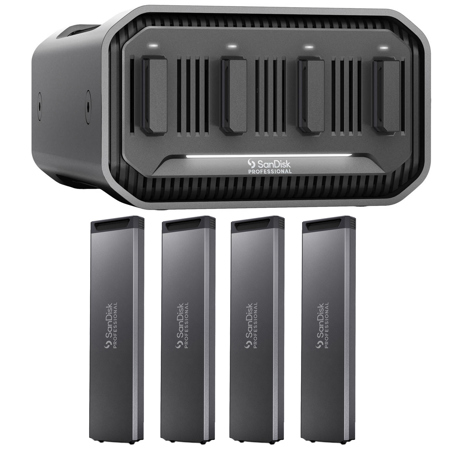
As you consider which SSD is right for your needs, it’s important to weigh factors like capacity, endurance, and the type of interface your device supports. Capacities range from compact 500GB drives—perfect for lightweight travel or school projects—to expansive 8TB models that can house massive libraries of media, making them suitable for professionals managing extensive photo or video archives. The speed of an SSD is largely determined by its connection type: SATA drives, while still much faster than HDDs, are best for budget builds or older systems, whereas NVMe PCIe Gen 4 and Gen 5 drives deliver ultra-fast performance for demanding workflows and gaming rigs. For those seeking even greater flexibility and scalability, exploring SSD Storage Arrays can provide robust solutions for collaborative environments, studios, or offices where multiple users need simultaneous access to high-speed storage. When gifting, SSDs are a thoughtful choice for students heading off to college, professionals working remotely, or anyone looking to streamline their digital life—offering a practical yet high-impact upgrade that can make a noticeable difference in daily computing.
Durability and longevity are also key considerations, especially for users who rely on their drives for critical projects or frequent travel. SSDs are rated for endurance using TBW (Total Bytes Written), which indicates how much data can be written over the drive's lifespan. This is particularly relevant for content creators, engineers, and researchers who handle large datasets or perform frequent backups. However, keep in mind that SSDs are best suited for active use rather than long-term, unpowered archival storage; for preserving files over many years without regular access, traditional hard drives or magnetic tape may still be preferable. With the versatility of SSD data storage—ranging from sleek, pocket-sized externals to high-capacity internals and advanced storage arrays—there’s a solution for every workflow and lifestyle. As the pace of work and creative projects picks up with the changing seasons, investing in the right SSD ensures your files are always at your fingertips, ready to keep up with wherever your next adventure or assignment takes you.
As you consider which SSD is right for your needs, it’s important to weigh factors like capacity, endurance, and the type of interface your device supports. Capacities range from compact 500GB drives—perfect for lightweight travel or school projects—to expansive 8TB models that can house massive libraries of media, making them suitable for professionals managing extensive photo or video archives. The speed of an SSD is largely determined by its connection type: SATA drives, while still much faster than HDDs, are best for budget builds or older systems, whereas NVMe PCIe Gen 4 and Gen 5 drives deliver ultra-fast performance for demanding workflows and gaming rigs. For those seeking even greater flexibility and scalability, exploring SSD Storage Arrays can provide robust solutions for collaborative environments, studios, or offices where multiple users need simultaneous access to high-speed storage. When gifting, SSDs are a thoughtful choice for students heading off to college, professionals working remotely, or anyone looking to streamline their digital life—offering a practical yet high-impact upgrade that can make a noticeable difference in daily computing.
Durability and longevity are also key considerations, especially for users who rely on their drives for critical projects or frequent travel. SSDs are rated for endurance using TBW (Total Bytes Written), which indicates how much data can be written over the drive's lifespan. This is particularly relevant for content creators, engineers, and researchers who handle large datasets or perform frequent backups. However, keep in mind that SSDs are best suited for active use rather than long-term, unpowered archival storage; for preserving files over many years without regular access, traditional hard drives or magnetic tape may still be preferable. With the versatility of SSD data storage—ranging from sleek, pocket-sized externals to high-capacity internals and advanced storage arrays—there’s a solution for every workflow and lifestyle. As the pace of work and creative projects picks up with the changing seasons, investing in the right SSD ensures your files are always at your fingertips, ready to keep up with wherever your next adventure or assignment takes you.