
Stereo Chorus Pedals
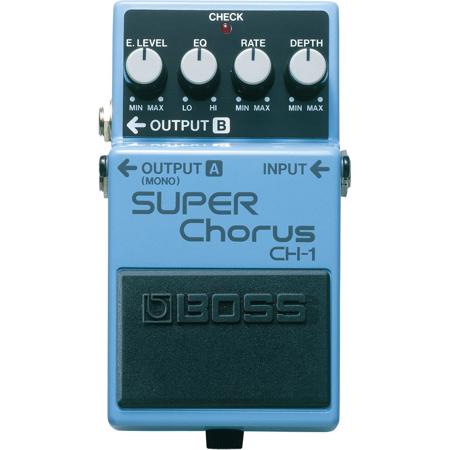
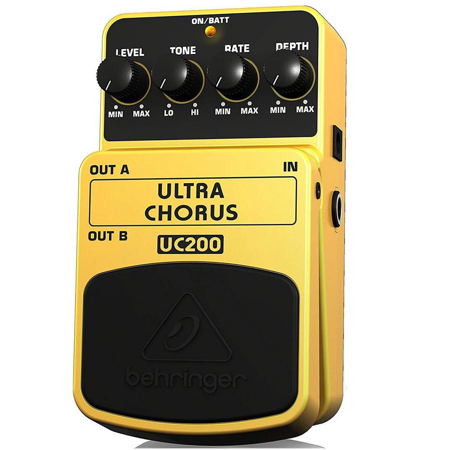
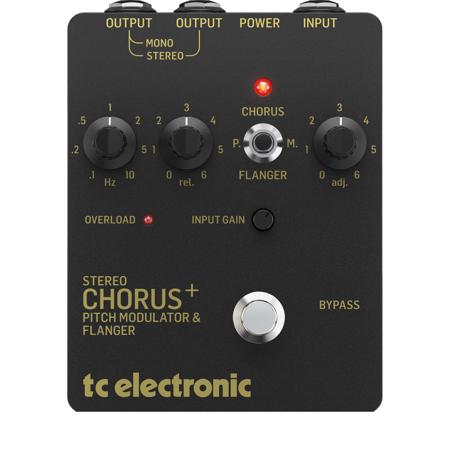
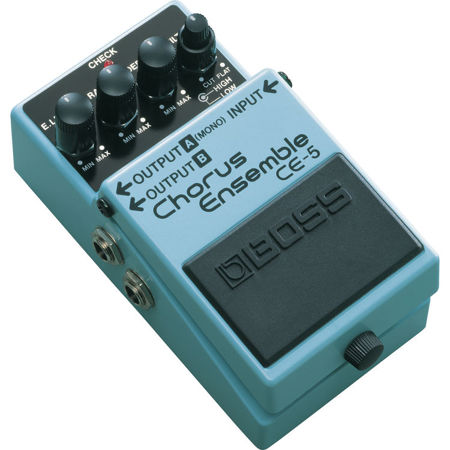
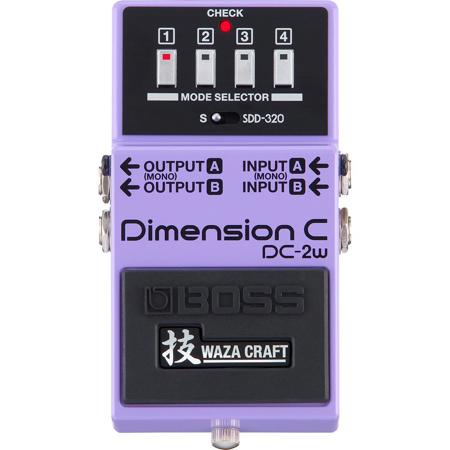
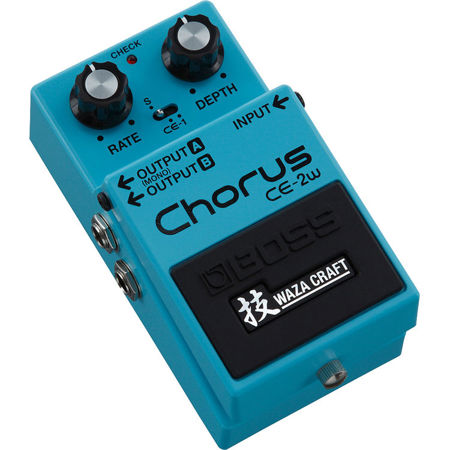
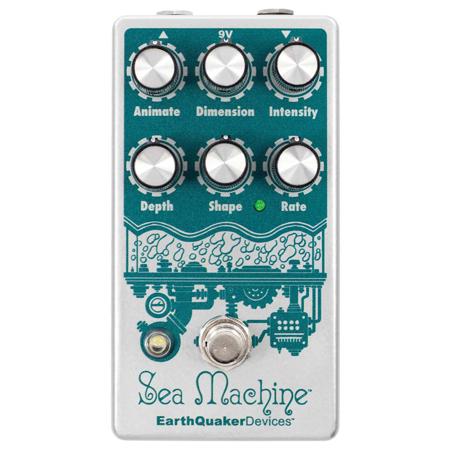
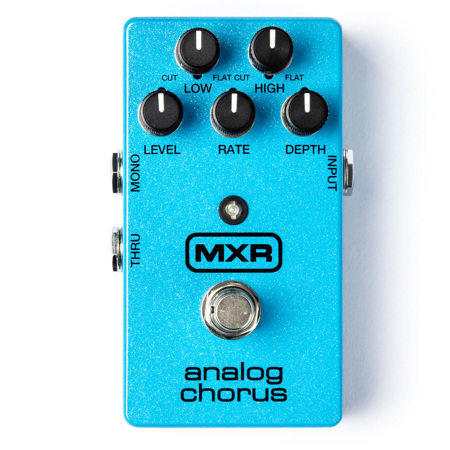
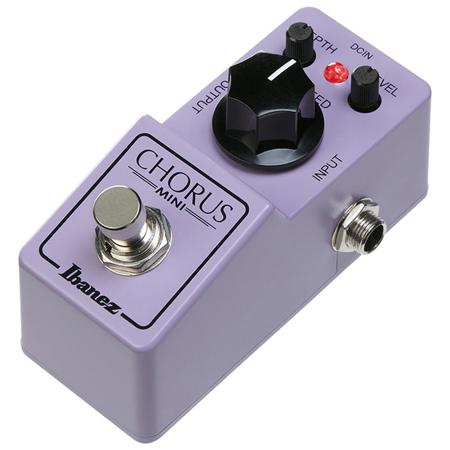
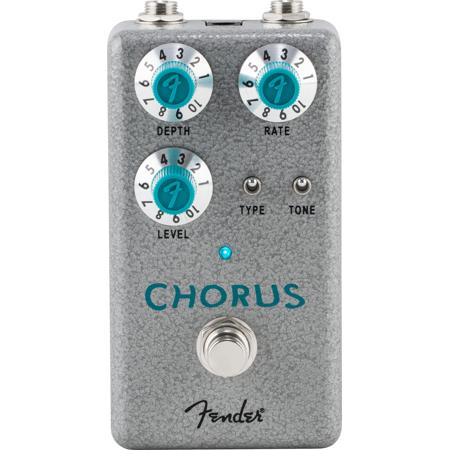
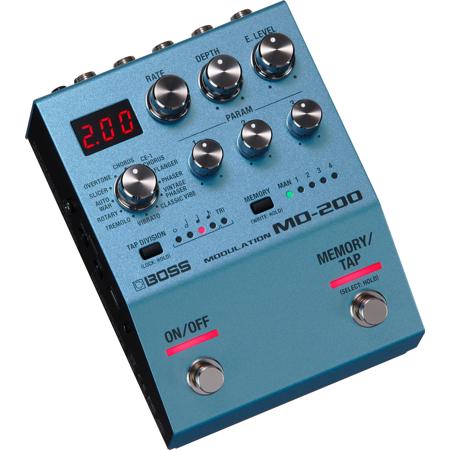
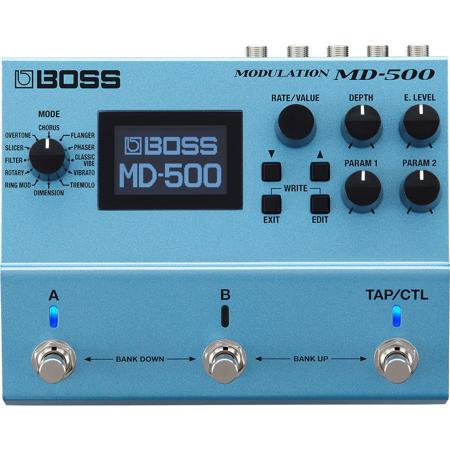
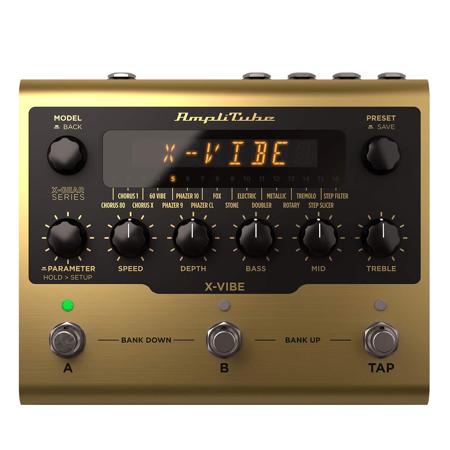
Stereo chorus pedals are a distinctive and versatile tool in the arsenal of many guitarists and musicians, offering a lush, shimmering effect that can enhance the depth and spatial quality of sound. As spring blossoms into the vibrant colors of May, music enthusiasts often find this season perfect for exploring new sounds and textures, making it an ideal time to consider the addition of a stereo chorus pedal to one's musical setup. This kind of pedal splits the guitar signal into two identical signals, slightly delays one, and modulates the delay time at a low frequency. This creates a doubling effect that simulates the sound of two guitars playing in harmony, adding richness and dimension to the music. The stereo output allows for these signals to be sent to two different amplifiers, enveloping the listener in a captivating stereo field that is particularly effective during live performances or recordings.
When considering a purchase, it's important to think about the specific features that might suit your musical style and needs. For instance, some stereo chorus pedals offer a variety of adjustable parameters such as depth, rate, and even tone control, allowing for a wide range of sound customization. Musicians interested in more complex setups might look for units with multiple modes or presets, enabling them to switch between different chorus effects seamlessly during a performance. Furthermore, the choice between analog and digital chorus pedals can significantly affect the tonal quality; analog pedals are often prized for their warm, organic sound, while digital chorus pedals can provide a cleaner, more precise effect that might be desired in modern music genres. As we move deeper into the digital age, the integration of digital technology in music production continues to expand, making digital chorus effects an increasingly popular choice among tech-savant musicians and producers.
Stereo chorus pedals are not only a tool for seasoned professionals but also make a thoughtful and inspiring gift for budding guitarists looking to broaden their sound or experiment with new sonic landscapes. Whether it's a birthday, graduation, or just a special occasion, giving a stereo chorus pedal can be a gateway to creativity and expression. As musicians weave the ethereal sounds of a chorus effect into their performances, they tap into a tradition of sonic exploration that echoes through the ages—from the lush textures of 80s pop to the expansive soundscapes of modern ambient music. For those looking to delve even deeper into the world of chorus effects, exploring Guitar Chorus Pedals can provide additional insights and options, catering to every guitarist’s unique style and creative ambitions. Whether used in the quiet corners of a home studio or under the bright lights of a concert stage, a stereo chorus pedal remains a beloved staple for artists seeking to enrich their musical voice with depth, movement, and a touch of sonic magic.
When considering a purchase, it's important to think about the specific features that might suit your musical style and needs. For instance, some stereo chorus pedals offer a variety of adjustable parameters such as depth, rate, and even tone control, allowing for a wide range of sound customization. Musicians interested in more complex setups might look for units with multiple modes or presets, enabling them to switch between different chorus effects seamlessly during a performance. Furthermore, the choice between analog and digital chorus pedals can significantly affect the tonal quality; analog pedals are often prized for their warm, organic sound, while digital chorus pedals can provide a cleaner, more precise effect that might be desired in modern music genres. As we move deeper into the digital age, the integration of digital technology in music production continues to expand, making digital chorus effects an increasingly popular choice among tech-savant musicians and producers.
Stereo chorus pedals are not only a tool for seasoned professionals but also make a thoughtful and inspiring gift for budding guitarists looking to broaden their sound or experiment with new sonic landscapes. Whether it's a birthday, graduation, or just a special occasion, giving a stereo chorus pedal can be a gateway to creativity and expression. As musicians weave the ethereal sounds of a chorus effect into their performances, they tap into a tradition of sonic exploration that echoes through the ages—from the lush textures of 80s pop to the expansive soundscapes of modern ambient music. For those looking to delve even deeper into the world of chorus effects, exploring Guitar Chorus Pedals can provide additional insights and options, catering to every guitarist’s unique style and creative ambitions. Whether used in the quiet corners of a home studio or under the bright lights of a concert stage, a stereo chorus pedal remains a beloved staple for artists seeking to enrich their musical voice with depth, movement, and a touch of sonic magic.