
Studio Channels
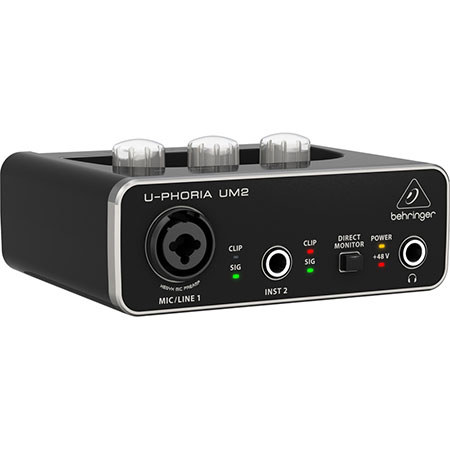
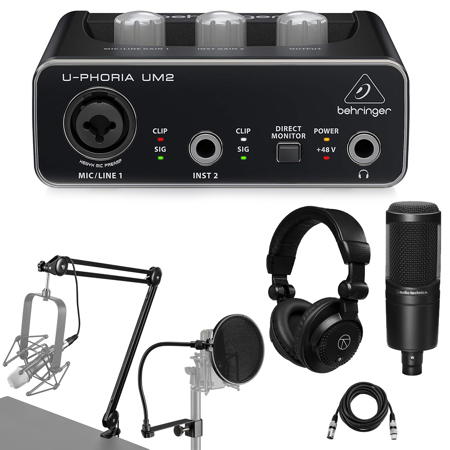
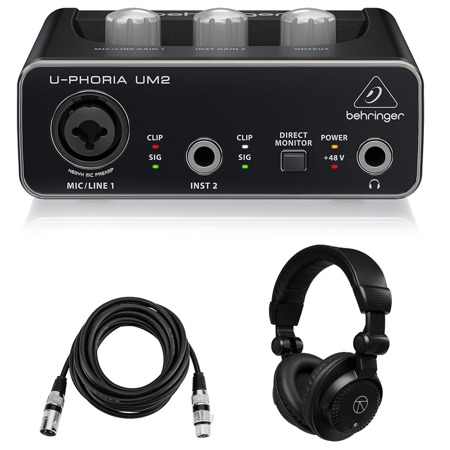
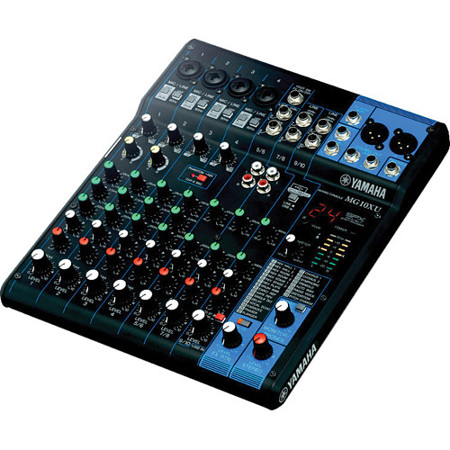
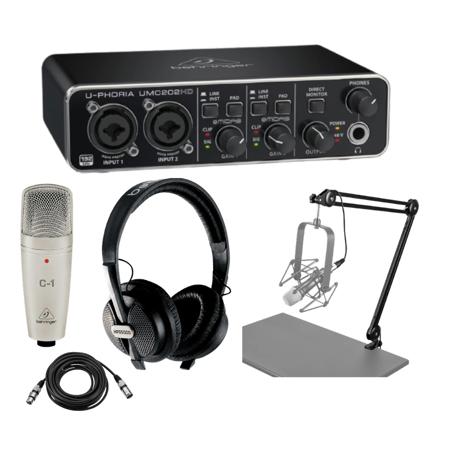
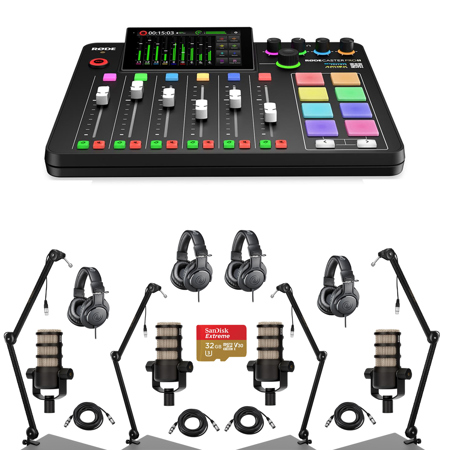
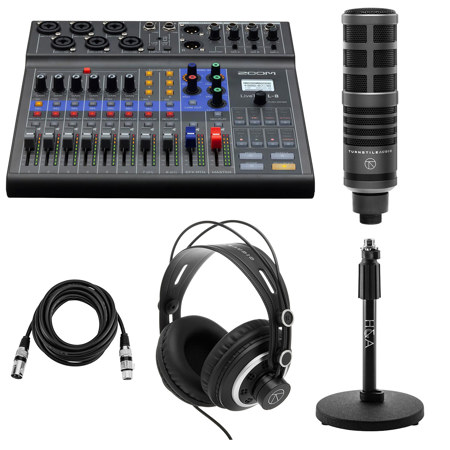
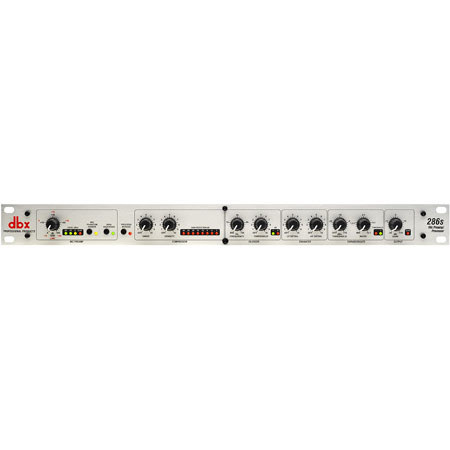
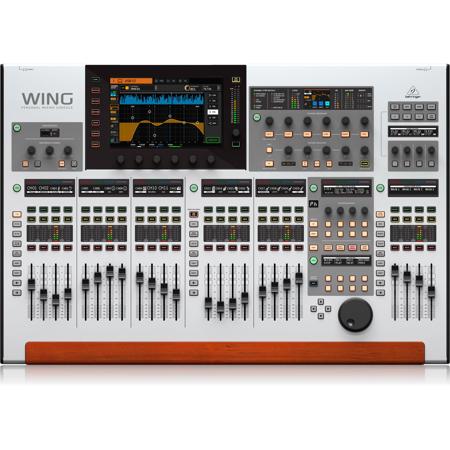
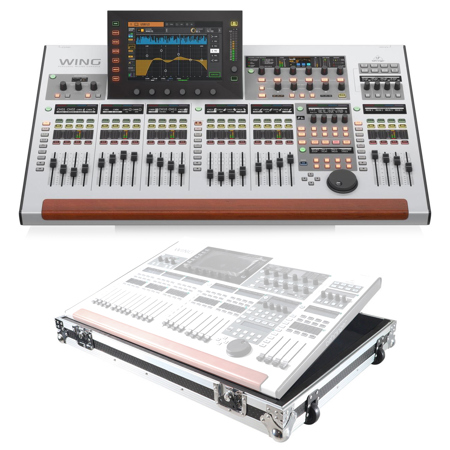
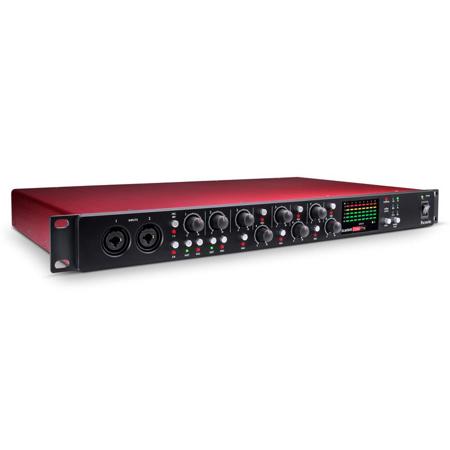
In the world of audio production, studio channels are essential tools for shaping, refining, and controlling the sound that flows through your studio. Whether you’re working in a professional recording environment, crafting tracks in a home studio, or setting up a podcasting space, understanding the role of studio channels can elevate your workflow and the quality of your results. At their core, studio channels—sometimes called channel strips—combine several key audio processing elements into a single, streamlined unit. Typically, these include a microphone preamplifier, a compressor for dynamic control, and an equalizer for tonal shaping. This all-in-one approach allows musicians, recording engineers, voiceover artists, and content creators to capture cleaner, warmer, and more defined audio at the very first stage of the signal chain. During the warmer months, when creative projects often ramp up and collaborative sessions are more frequent, having a reliable studio channel can make the difference between a rough take and a polished, professional sound. These devices are especially valued for their ability to add analog character to digital recordings, making them a thoughtful gift for aspiring producers or seasoned audio enthusiasts looking to expand their sonic palette.
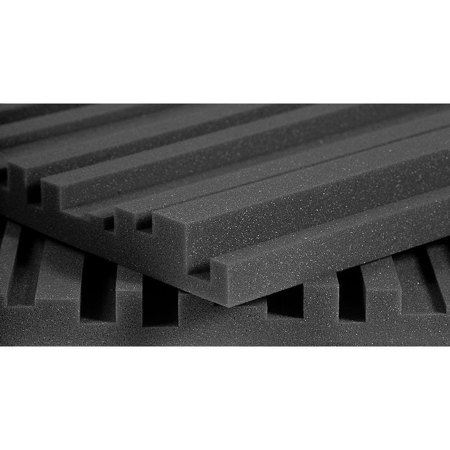
Studio channels are not limited to hardware; in today’s digital age, software-based channels within Digital Audio Workstations (DAWs) offer a flexible and powerful alternative. In a DAW, each channel functions as a dedicated path for audio signals—whether it’s a vocal track, guitar, or virtual instrument—and can be equipped with virtual effects, EQ, and dynamics processing. Users can group multiple channels together using bus channels for collective processing, apply shared effects via FX channels, or manage overall levels with VCA channels. This digital workflow mirrors the tactile experience of hardware, providing granular control over every element of a mix. Whether you’re recording a live band, editing a podcast, or mixing sound for video, understanding the unique benefits of both hardware and software studio channels empowers you to make informed decisions about your gear. As the seasons transition and studio projects evolve, many find themselves rethinking their setup—adding new channels, upgrading components, or investing in acoustic treatments to further refine their sound. If you’re considering optimizing your recording space even further, pairing your studio channels with high-quality Studio Panels can help achieve a balanced, professional acoustic environment. Ultimately, the right studio channel setup is about more than just technical specs; it’s about capturing creativity at its source and bringing your audio vision to life with clarity and character.
Studio channels are not limited to hardware; in today’s digital age, software-based channels within Digital Audio Workstations (DAWs) offer a flexible and powerful alternative. In a DAW, each channel functions as a dedicated path for audio signals—whether it’s a vocal track, guitar, or virtual instrument—and can be equipped with virtual effects, EQ, and dynamics processing. Users can group multiple channels together using bus channels for collective processing, apply shared effects via FX channels, or manage overall levels with VCA channels. This digital workflow mirrors the tactile experience of hardware, providing granular control over every element of a mix. Whether you’re recording a live band, editing a podcast, or mixing sound for video, understanding the unique benefits of both hardware and software studio channels empowers you to make informed decisions about your gear. As the seasons transition and studio projects evolve, many find themselves rethinking their setup—adding new channels, upgrading components, or investing in acoustic treatments to further refine their sound. If you’re considering optimizing your recording space even further, pairing your studio channels with high-quality Studio Panels can help achieve a balanced, professional acoustic environment. Ultimately, the right studio channel setup is about more than just technical specs; it’s about capturing creativity at its source and bringing your audio vision to life with clarity and character.