






Studio Screens
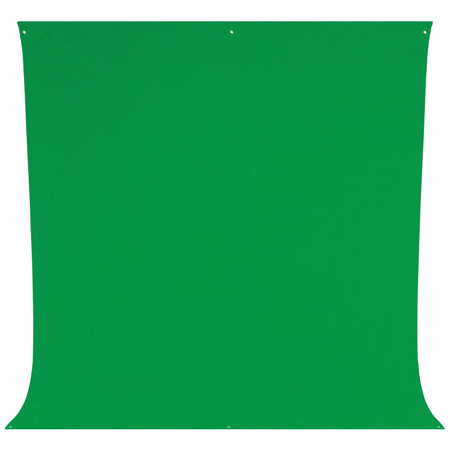
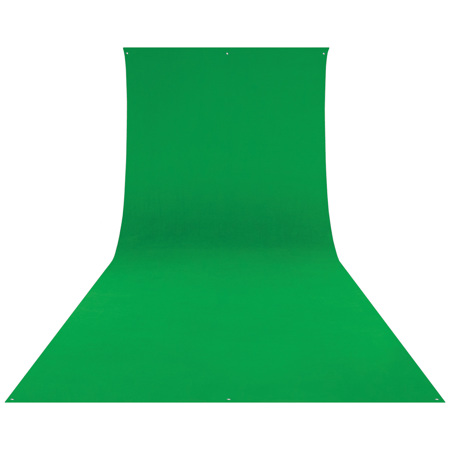
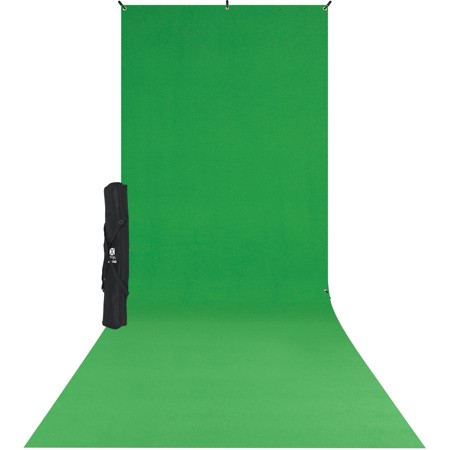
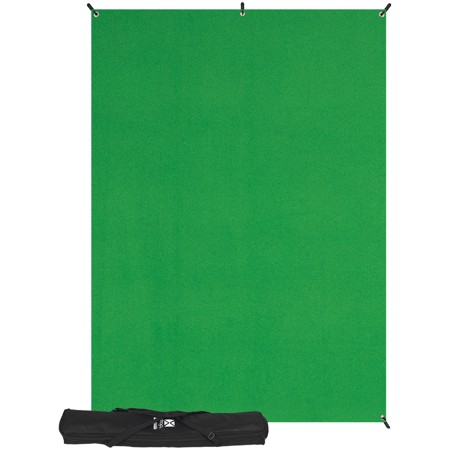
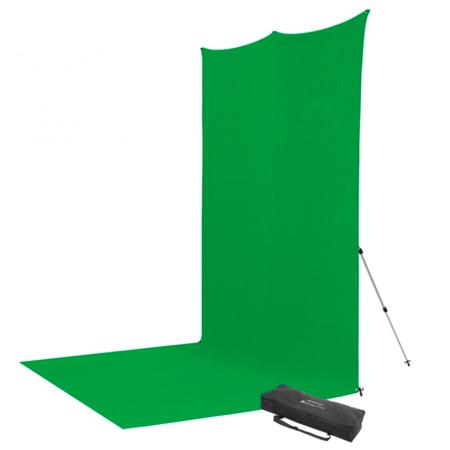
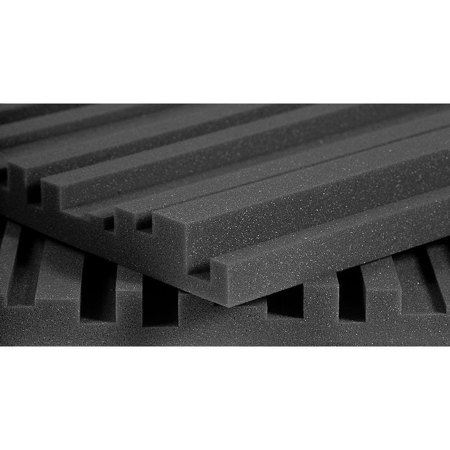
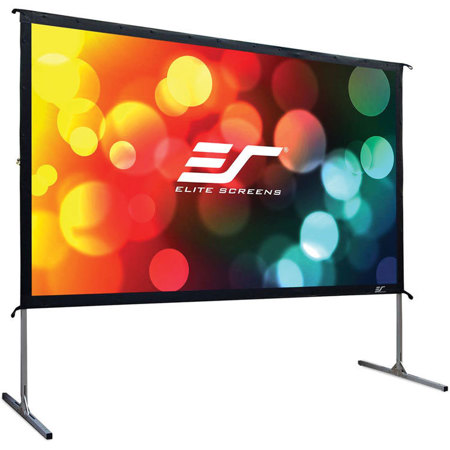
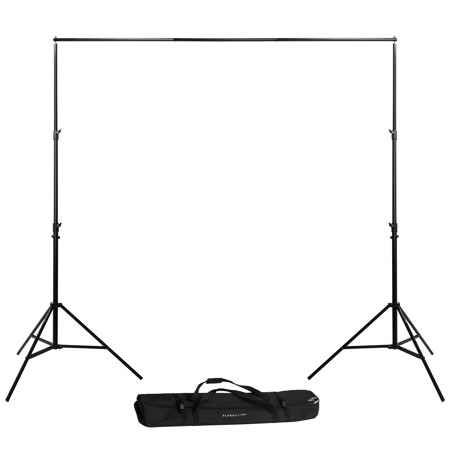
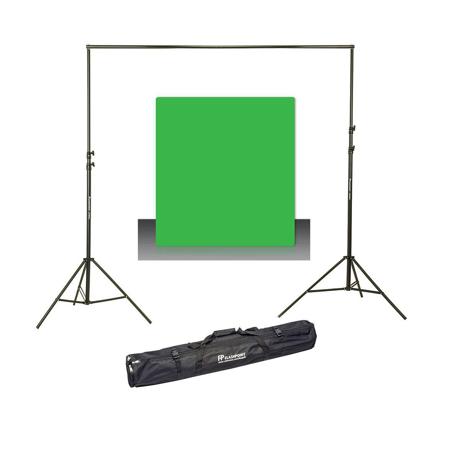
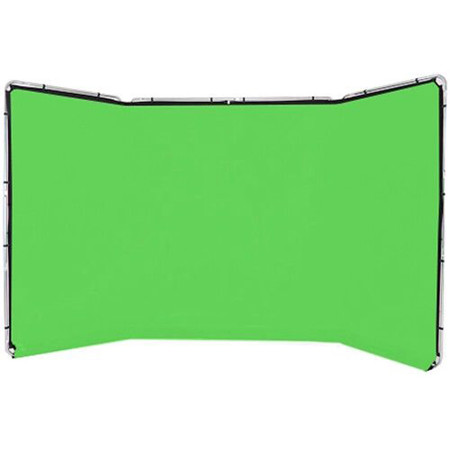
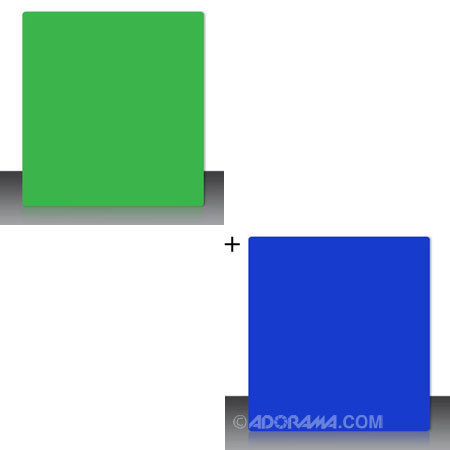
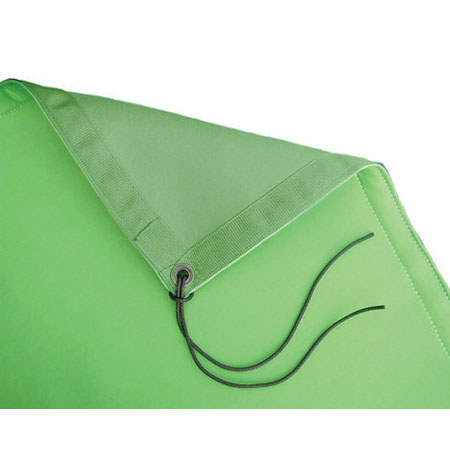
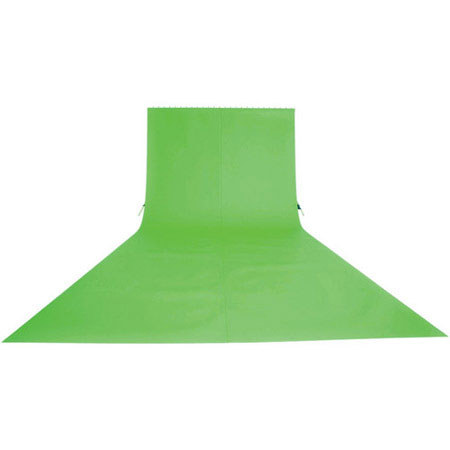
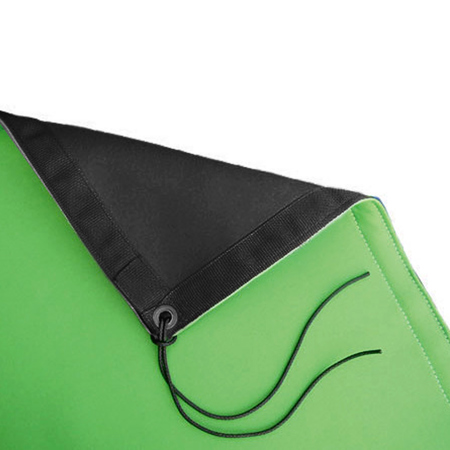
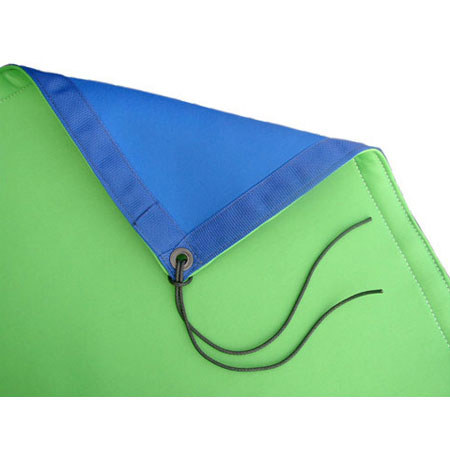
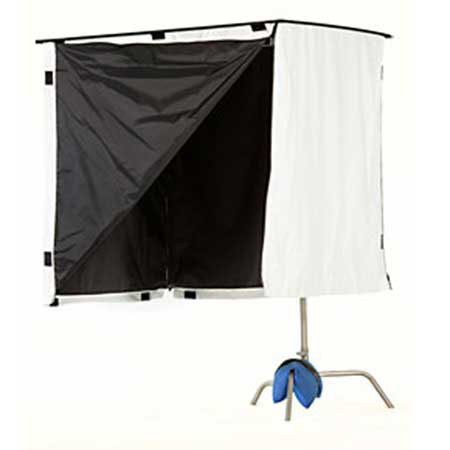
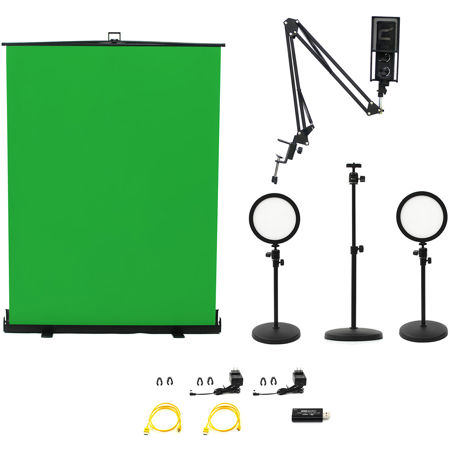
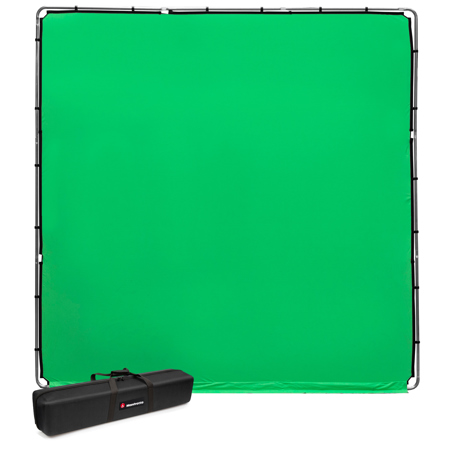
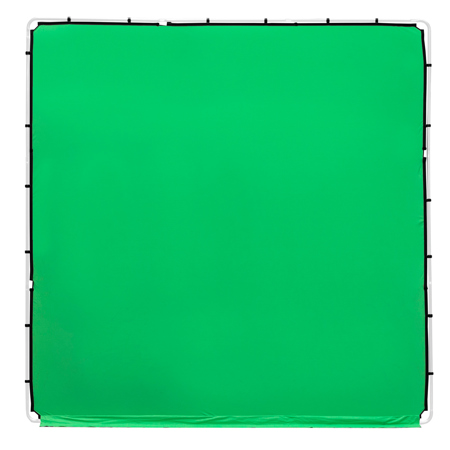
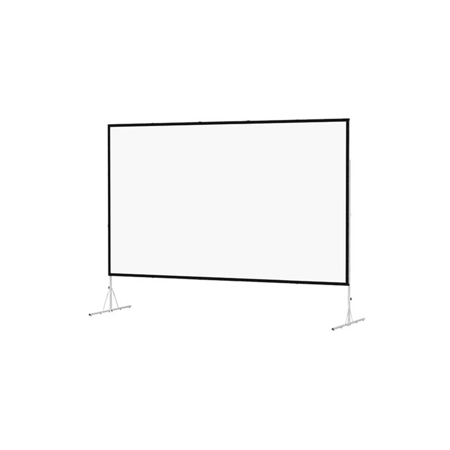
In any creative environment—whether it’s a bustling professional studio, a home recording nook, or a multi-purpose content creation space—studio screens play a vital role in shaping both the workflow and the final output. These versatile tools can refer to a range of products, from high-performance monitors for video editing and color grading, to acoustic partitions that tame sound reflections, to chroma key backdrops for visual effects and virtual production. When selecting a screen for studio use, it’s important to consider the specific needs of your space and your creative goals. For audio professionals, acoustic screens and gobos help carve out quiet, controlled zones within larger rooms, essential for capturing clean vocals or isolating instruments during a session. These portable dividers are especially useful in open-plan studios or shared spaces, where flexibility and quick reconfiguration are key. For visual artists, filmmakers, and live streamers, collapsible green or blue screens create an instant backdrop for compositing, making it possible to transport your subject anywhere—whether you’re filming a product demo, a music video, or a virtual meeting. Meanwhile, those working in post-production or digital imaging rely on professional-grade monitors with accurate color reproduction and high resolution, ensuring that every detail is visible and every creative decision is reflected faithfully onscreen.
As the weather shifts from the warmth of summer into the cooler, more introspective days of fall, many creators find themselves spending more time indoors, refining their craft or embarking on new projects. Studio screens make thoughtful gifts for musicians setting up a home studio, podcasters seeking better sound isolation, photographers adding creative backgrounds, or video editors upgrading their workstation. A well-chosen screen for studio use can transform a spare room or a corner of the living room into a space that inspires focus and creativity. Acoustic screens are particularly valuable for those recording at home, where controlling ambient noise and echo can be a challenge; they’re easy to move, store, and set up as needed. Visual creators benefit from portable chroma key screens that fold away between shoots, offering flexibility for impromptu projects or remote work. And for anyone whose workflow depends on accurate visuals—whether editing photos, grading video, or designing graphics—a dedicated studio monitor delivers the clarity and consistency that consumer screens often lack.
No matter your discipline, investing in the right studio screens can elevate your creative process, improve comfort, and help you achieve professional results. It’s worth considering how these tools fit into your broader studio setup, especially if you’re building out a space for the first time or looking to upgrade individual elements. For those interested in exploring additional options for acoustic treatment, check out our curated selection of Studio Panels, which offer even more ways to control sound and fine-tune your environment. Whether you’re preparing for a season of new projects, outfitting a creative space for a loved one, or simply seeking to enhance your workflow, studio screens offer practical solutions that blend seamlessly into any setup, supporting your vision from concept to completion.
As the weather shifts from the warmth of summer into the cooler, more introspective days of fall, many creators find themselves spending more time indoors, refining their craft or embarking on new projects. Studio screens make thoughtful gifts for musicians setting up a home studio, podcasters seeking better sound isolation, photographers adding creative backgrounds, or video editors upgrading their workstation. A well-chosen screen for studio use can transform a spare room or a corner of the living room into a space that inspires focus and creativity. Acoustic screens are particularly valuable for those recording at home, where controlling ambient noise and echo can be a challenge; they’re easy to move, store, and set up as needed. Visual creators benefit from portable chroma key screens that fold away between shoots, offering flexibility for impromptu projects or remote work. And for anyone whose workflow depends on accurate visuals—whether editing photos, grading video, or designing graphics—a dedicated studio monitor delivers the clarity and consistency that consumer screens often lack.
No matter your discipline, investing in the right studio screens can elevate your creative process, improve comfort, and help you achieve professional results. It’s worth considering how these tools fit into your broader studio setup, especially if you’re building out a space for the first time or looking to upgrade individual elements. For those interested in exploring additional options for acoustic treatment, check out our curated selection of Studio Panels, which offer even more ways to control sound and fine-tune your environment. Whether you’re preparing for a season of new projects, outfitting a creative space for a loved one, or simply seeking to enhance your workflow, studio screens offer practical solutions that blend seamlessly into any setup, supporting your vision from concept to completion.