Thunderbolt Cables
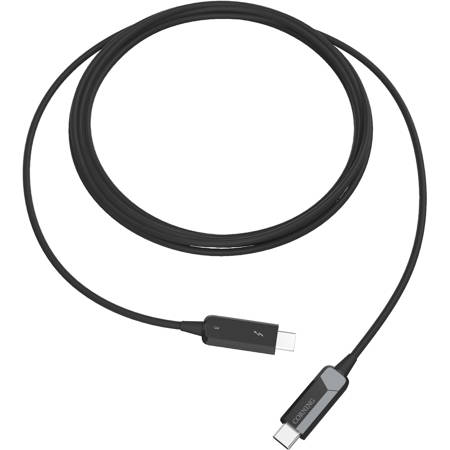
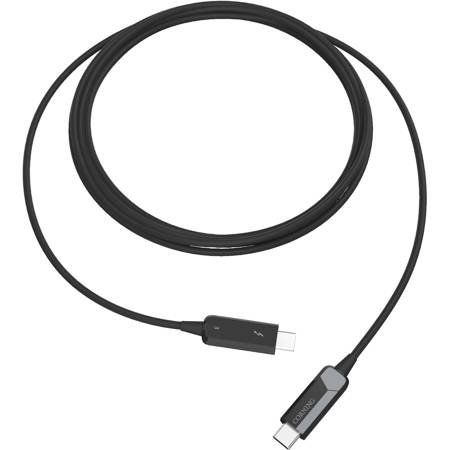
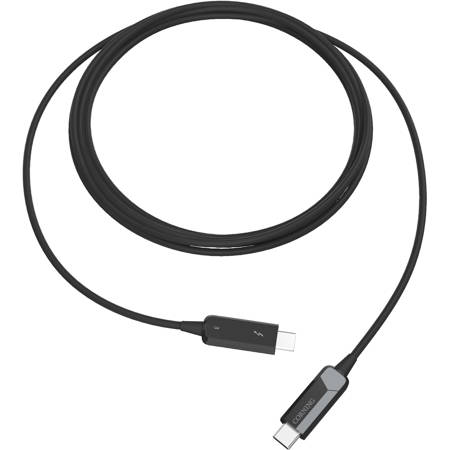
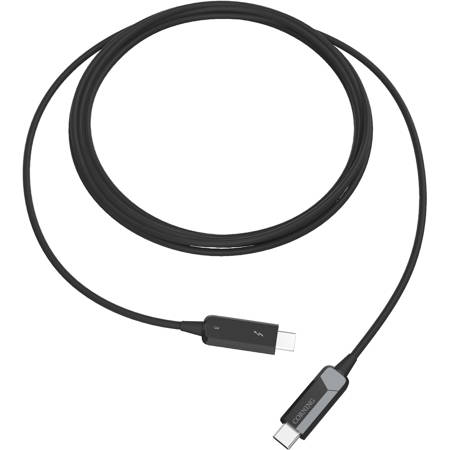
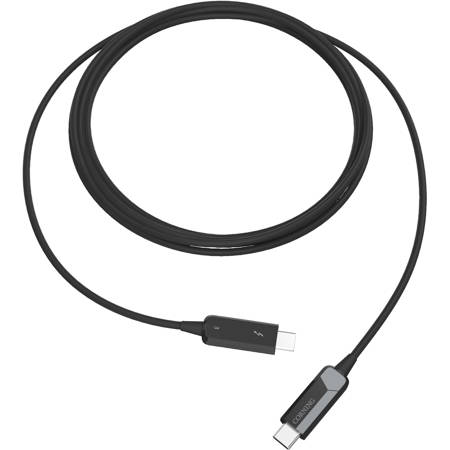
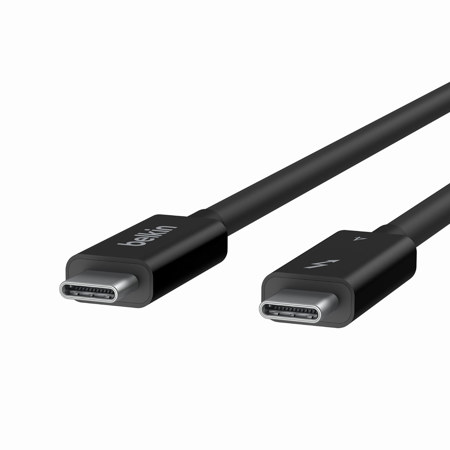
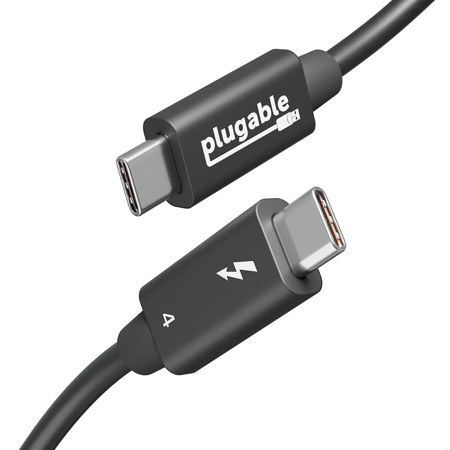
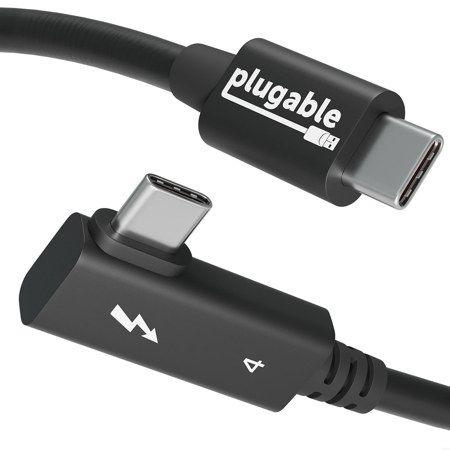
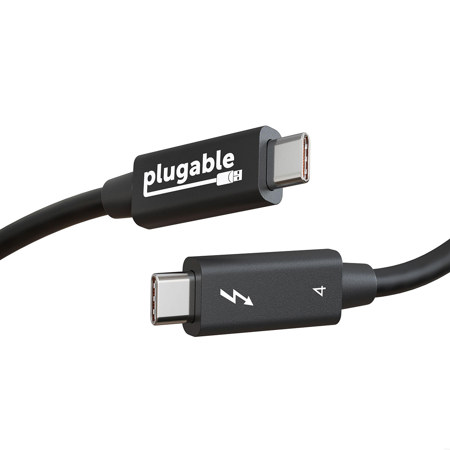
Thunderbolt cables have become an essential part of modern creative and professional workspaces, seamlessly blending high-speed data transfer, video output, and robust power delivery through a single universal USB-C connector. Whether you’re setting up a home studio, outfitting a busy office, or upgrading your portable workstation for travel during the warmer months, the right Thunderbolt cable can make all the difference in your workflow. These cables are prized by photographers offloading massive RAW files to external SSDs, video editors working with 4K or 8K footage, and musicians who rely on ultra-low latency audio interfaces. Thunderbolt’s backward compatibility ensures that even as newer standards like Thunderbolt 4 and Thunderbolt 5 emerge, you can connect to legacy devices without sacrificing reliability. The difference between active and passive cables is particularly relevant for those who need to run longer connections—such as when you’re setting up a workstation across a studio or connecting a high-resolution monitor several feet away. Active cables, like those using corning thunderbolt 4 technology, allow for longer runs without compromising on data integrity or speed, which is crucial when every second counts during a fast-paced shoot or live performance.
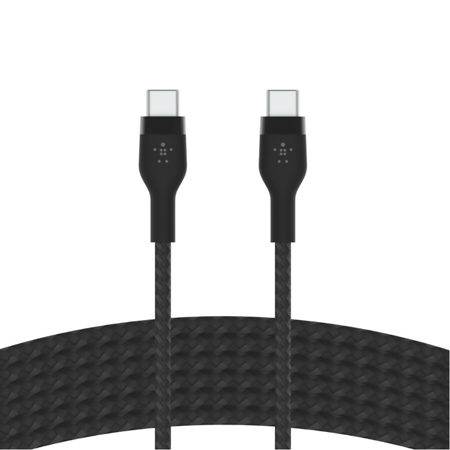
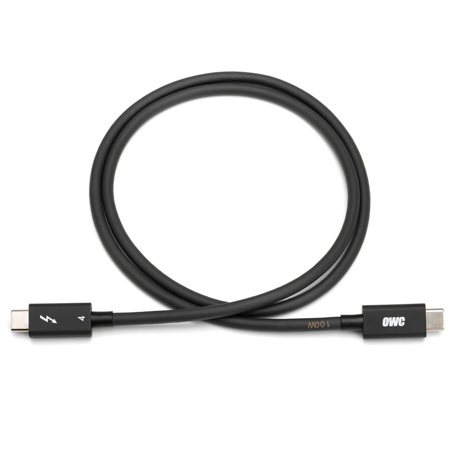
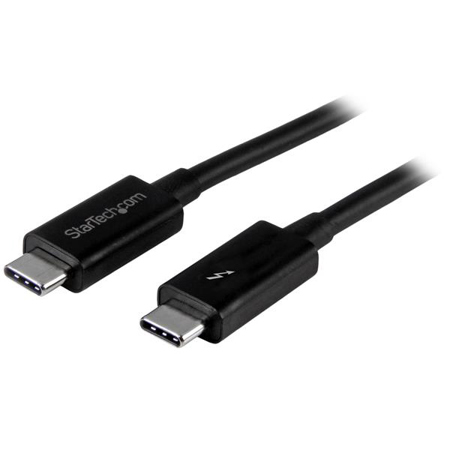
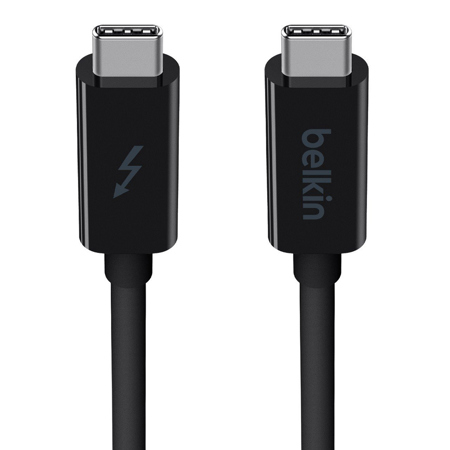
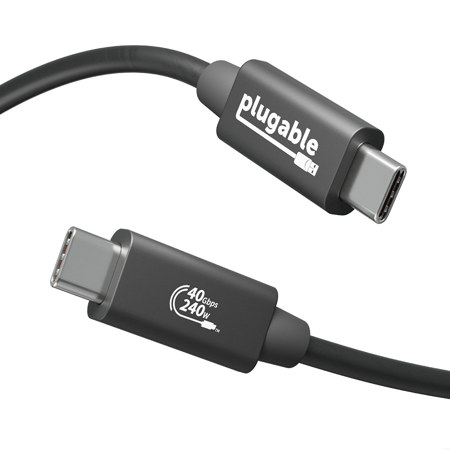
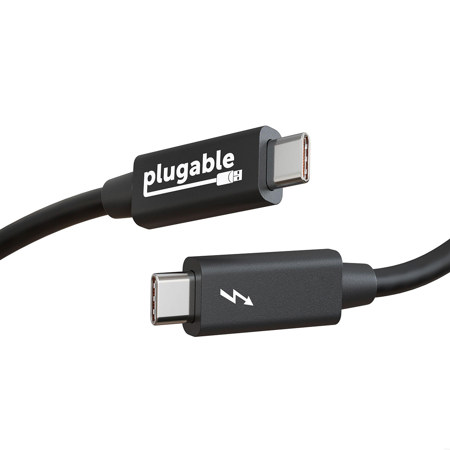
Choosing the right Thunderbolt cable involves considering factors such as data transfer speed, power delivery, and cable length. For users with devices that demand the highest charging capabilities, an apple 240w cable ensures that even power-hungry laptops and docking stations can stay charged while simultaneously handling intensive data and video streams. During the transition from spring to fall, when many professionals and students are either wrapping up big projects or gearing up for new ones, a reliable Thunderbolt cable can be an invaluable gift—perfect for graduates entering creative fields, remote workers upgrading their home setups, or anyone looking to streamline their digital life. The universal USB-C form factor means these cables can often be used across a range of devices, but it’s important to look for the Thunderbolt “lightning bolt” icon to ensure you’re getting the full bandwidth and power delivery capabilities required for advanced peripherals like external GPUs or high-refresh-rate monitors. Standard USB-C cables may look similar, but they lack the certification and performance needed for demanding applications. Always check the manufacturer’s specifications for speed ratings, especially as cable length increases, to avoid bottlenecks in your setup.
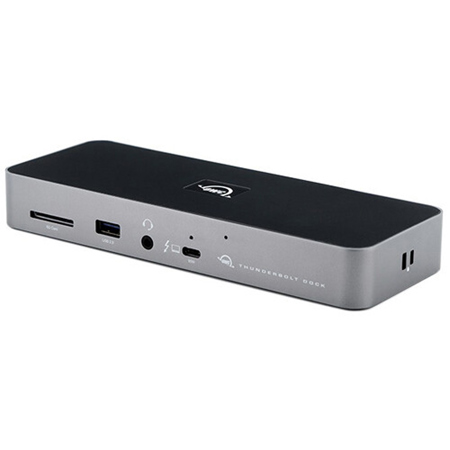
As technology continues to evolve, staying informed about the latest Thunderbolt standards and their compatibility can help you make the most of your investment—whether you’re connecting a cutting-edge display in your studio, transferring terabytes of footage in the field, or simply keeping your devices powered and organized at home. For those interested in exploring the full range of connectivity options, our curated selection of Thunderbolt Interfaces provides a deeper look into how these versatile cables integrate with professional gear. From the flexibility of backward compatibility to the peace of mind that comes with certified, high-performance cables, Thunderbolt technology empowers creators and professionals to work more efficiently, collaborate seamlessly, and bring their visions to life—no matter the season.
Choosing the right Thunderbolt cable involves considering factors such as data transfer speed, power delivery, and cable length. For users with devices that demand the highest charging capabilities, an apple 240w cable ensures that even power-hungry laptops and docking stations can stay charged while simultaneously handling intensive data and video streams. During the transition from spring to fall, when many professionals and students are either wrapping up big projects or gearing up for new ones, a reliable Thunderbolt cable can be an invaluable gift—perfect for graduates entering creative fields, remote workers upgrading their home setups, or anyone looking to streamline their digital life. The universal USB-C form factor means these cables can often be used across a range of devices, but it’s important to look for the Thunderbolt “lightning bolt” icon to ensure you’re getting the full bandwidth and power delivery capabilities required for advanced peripherals like external GPUs or high-refresh-rate monitors. Standard USB-C cables may look similar, but they lack the certification and performance needed for demanding applications. Always check the manufacturer’s specifications for speed ratings, especially as cable length increases, to avoid bottlenecks in your setup.
As technology continues to evolve, staying informed about the latest Thunderbolt standards and their compatibility can help you make the most of your investment—whether you’re connecting a cutting-edge display in your studio, transferring terabytes of footage in the field, or simply keeping your devices powered and organized at home. For those interested in exploring the full range of connectivity options, our curated selection of Thunderbolt Interfaces provides a deeper look into how these versatile cables integrate with professional gear. From the flexibility of backward compatibility to the peace of mind that comes with certified, high-performance cables, Thunderbolt technology empowers creators and professionals to work more efficiently, collaborate seamlessly, and bring their visions to life—no matter the season.