Tone Generators
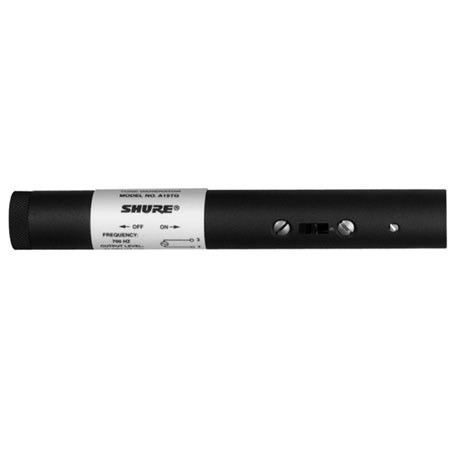
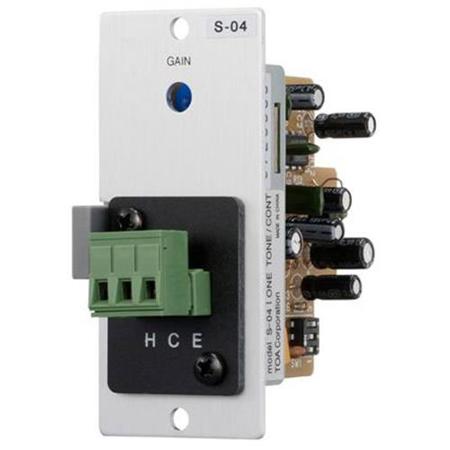
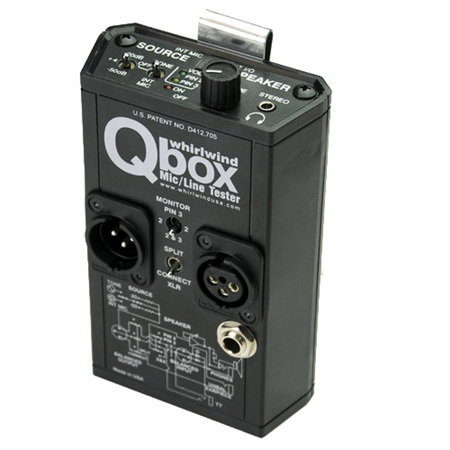
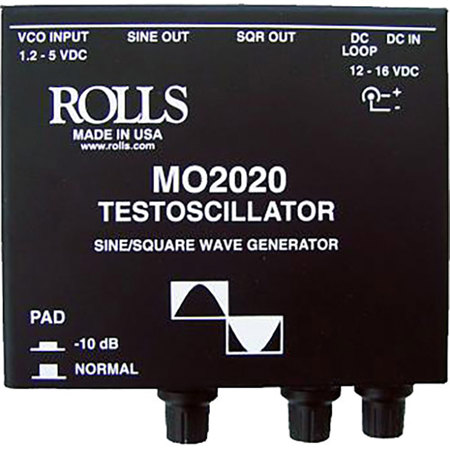
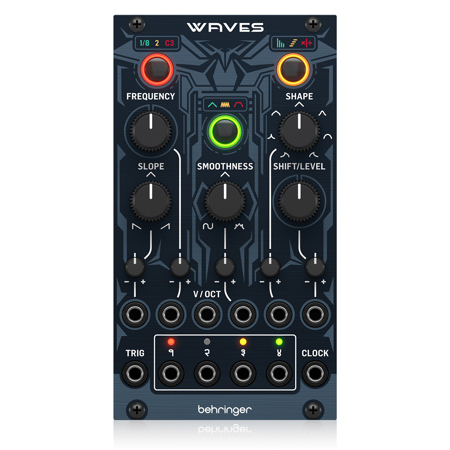
Whether you’re setting up a new studio, maintaining a live sound rig, or fine-tuning an educational audio lab as the days grow longer and schedules shift, tone generators are indispensable tools for professionals and enthusiasts alike. These compact yet powerful devices are designed to produce precise audio signals across a range of frequencies, making them essential for testing, troubleshooting, and calibrating audio equipment. From experienced sound engineers to ambitious hobbyists, anyone who works with mixers, amplifiers, or PA systems can benefit from a reliable audio signal generator. For those responsible for ensuring flawless sound in venues, houses of worship, or school auditoriums, a tone generator for PA system setup can streamline the process of identifying signal path issues, verifying speaker placement, and confirming system balance. The ability to generate consistent test tones—whether sine, square, or other waveforms—enables users to isolate problems quickly, saving valuable time during both installation and routine maintenance. During the warmer months, when outdoor concerts and events become more frequent, having a robust tone generator device on hand ensures sound checks run smoothly, even in unpredictable environments.
Selecting the right tone generator involves considering several practical factors. Portability is key for those who need to move between locations, while studio-based professionals may prioritize advanced features like selectable output levels, multiple waveform options, or balanced XLR outputs. An xlr tone generator is particularly useful for interfacing directly with professional audio gear, allowing for seamless integration with mixers, patch bays, and rack-mounted processors. Battery-powered models offer added versatility for fieldwork, making them ideal for broadcast engineers or AV technicians who might be troubleshooting systems in remote or temporary setups. For educators or students delving into the science of acoustics, tone generators provide a hands-on way to demonstrate frequency response, phase alignment, and signal flow concepts. They also make thoughtful gifts for aspiring audio engineers, music teachers, or anyone passionate about sound technology—especially as people gather for summer workshops, music camps, or prepare classrooms for the academic year ahead. While digital solutions exist, there’s no substitute for the tactile reliability and precision of a dedicated tone generator device when accuracy matters most.
Beyond their primary role in audio testing, tone generators can also be paired with other calibration tools to achieve professional results. For example, those working in environments where both electronic and acoustic tuning are required may combine an audio signal generator with traditional Tuning Forks to cover every aspect of system alignment. This comprehensive approach ensures that both electronic components and acoustic instruments are performing at their best, whether during a bustling festival, a quiet rehearsal, or a critical recording session. As the weather transitions from the heat of summer to the crispness of early fall, the versatility and dependability of a quality tone generator remain constant, supporting audio professionals through busy event seasons and quieter periods of system maintenance. With thoughtful selection and regular use, these devices become trusted companions in the pursuit of perfect sound, ensuring every note and spoken word is delivered with clarity and confidence.
Selecting the right tone generator involves considering several practical factors. Portability is key for those who need to move between locations, while studio-based professionals may prioritize advanced features like selectable output levels, multiple waveform options, or balanced XLR outputs. An xlr tone generator is particularly useful for interfacing directly with professional audio gear, allowing for seamless integration with mixers, patch bays, and rack-mounted processors. Battery-powered models offer added versatility for fieldwork, making them ideal for broadcast engineers or AV technicians who might be troubleshooting systems in remote or temporary setups. For educators or students delving into the science of acoustics, tone generators provide a hands-on way to demonstrate frequency response, phase alignment, and signal flow concepts. They also make thoughtful gifts for aspiring audio engineers, music teachers, or anyone passionate about sound technology—especially as people gather for summer workshops, music camps, or prepare classrooms for the academic year ahead. While digital solutions exist, there’s no substitute for the tactile reliability and precision of a dedicated tone generator device when accuracy matters most.
Beyond their primary role in audio testing, tone generators can also be paired with other calibration tools to achieve professional results. For example, those working in environments where both electronic and acoustic tuning are required may combine an audio signal generator with traditional Tuning Forks to cover every aspect of system alignment. This comprehensive approach ensures that both electronic components and acoustic instruments are performing at their best, whether during a bustling festival, a quiet rehearsal, or a critical recording session. As the weather transitions from the heat of summer to the crispness of early fall, the versatility and dependability of a quality tone generator remain constant, supporting audio professionals through busy event seasons and quieter periods of system maintenance. With thoughtful selection and regular use, these devices become trusted companions in the pursuit of perfect sound, ensuring every note and spoken word is delivered with clarity and confidence.