Tuning Forks
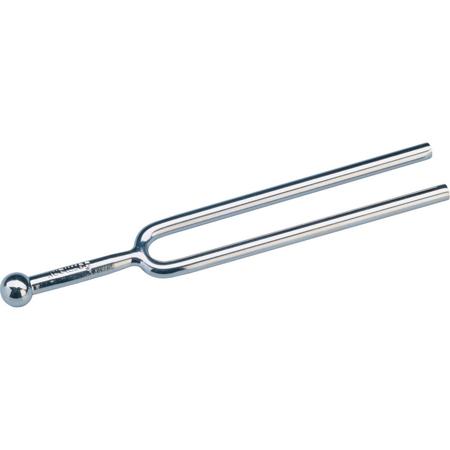
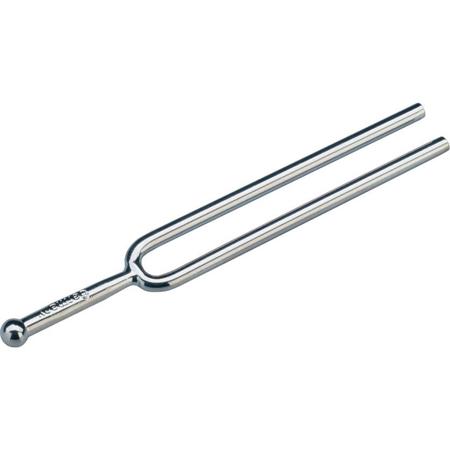
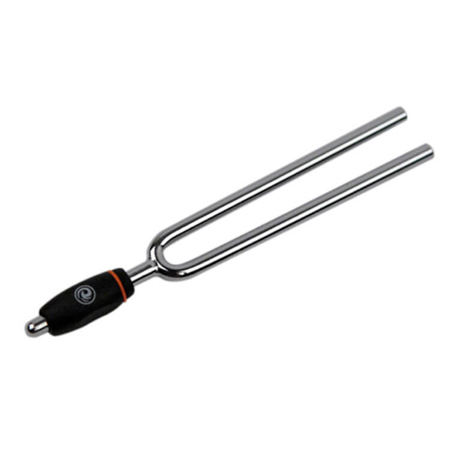
Tuning forks are precise acoustic tools prized for their ability to generate pure, consistent tones, making them indispensable across a wide range of disciplines. Musicians and audio professionals often rely on tuning forks as a steadfast reference for pitch, especially when tuning stringed instruments such as guitars, violins, cellos, and pianos. The standard A440 tuning fork, which vibrates at 440 Hz, is a staple in orchestras and music classrooms, ensuring that ensembles are perfectly in sync. Some artists and educators prefer alternative frequencies like 432 Hz, which is sometimes favored for its reputedly soothing qualities and its historical association with natural resonance. Tuning forks are also invaluable in educational settings, where they help students grasp the fundamentals of acoustics, vibration, and sound wave propagation. Their simplicity and reliability mean that even as technology evolves, the tactile, hands-on experience of striking a tuning fork and feeling its vibrations remains a powerful learning tool.
Beyond the world of music, tuning forks play a vital role in medical and therapeutic environments. Healthcare professionals, including neurologists and audiologists, use weighted and unweighted tuning forks to assess nerve function and hearing acuity. For instance, a 128 Hz tuning fork may be used to test vibratory sensation in patients, helping to diagnose conditions affecting the nervous system, while higher frequency forks assist in differentiating types of hearing loss during clinical assessments. In holistic and alternative wellness practices, tuning forks are embraced for their potential in vibrational sound therapy. Practitioners may use weighted forks to apply gentle vibrations to specific points on the body, such as joints or muscles, aiming to promote relaxation and support well-being. Unweighted forks are often employed around the head and energy centers to create a calming atmosphere, making them a thoughtful gift for anyone exploring mindfulness, meditation, or stress reduction, especially as the pace of life shifts with the changing seasons.
When selecting a tuning fork, it’s important to consider the intended application, desired frequency, and whether a weighted or unweighted model is most suitable. For musicians, durability, accuracy, and ease of use are key factors, while medical and therapeutic users may prioritize specific frequencies and ergonomic designs that facilitate regular handling. Tuning forks also make meaningful gifts for music students, teachers, healthcare professionals, or anyone interested in the science of sound. Their compact size and timeless design make them easy to transport, whether heading to a summer music camp, a classroom, or a wellness retreat as the weather warms or cools. For those seeking even greater versatility in sound and pitch generation, exploring complementary tools like Tone Generators can open up new creative and practical possibilities. With their enduring appeal and broad range of uses, tuning forks continue to resonate—both literally and figuratively—across music, science, and wellness communities.
Beyond the world of music, tuning forks play a vital role in medical and therapeutic environments. Healthcare professionals, including neurologists and audiologists, use weighted and unweighted tuning forks to assess nerve function and hearing acuity. For instance, a 128 Hz tuning fork may be used to test vibratory sensation in patients, helping to diagnose conditions affecting the nervous system, while higher frequency forks assist in differentiating types of hearing loss during clinical assessments. In holistic and alternative wellness practices, tuning forks are embraced for their potential in vibrational sound therapy. Practitioners may use weighted forks to apply gentle vibrations to specific points on the body, such as joints or muscles, aiming to promote relaxation and support well-being. Unweighted forks are often employed around the head and energy centers to create a calming atmosphere, making them a thoughtful gift for anyone exploring mindfulness, meditation, or stress reduction, especially as the pace of life shifts with the changing seasons.
When selecting a tuning fork, it’s important to consider the intended application, desired frequency, and whether a weighted or unweighted model is most suitable. For musicians, durability, accuracy, and ease of use are key factors, while medical and therapeutic users may prioritize specific frequencies and ergonomic designs that facilitate regular handling. Tuning forks also make meaningful gifts for music students, teachers, healthcare professionals, or anyone interested in the science of sound. Their compact size and timeless design make them easy to transport, whether heading to a summer music camp, a classroom, or a wellness retreat as the weather warms or cools. For those seeking even greater versatility in sound and pitch generation, exploring complementary tools like Tone Generators can open up new creative and practical possibilities. With their enduring appeal and broad range of uses, tuning forks continue to resonate—both literally and figuratively—across music, science, and wellness communities.