USB Cables
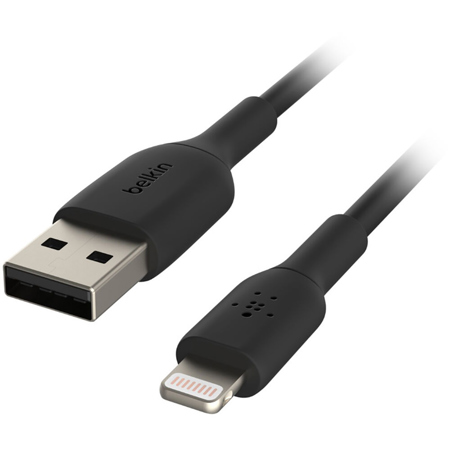
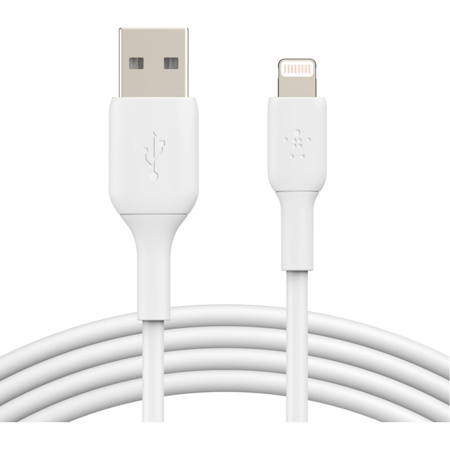
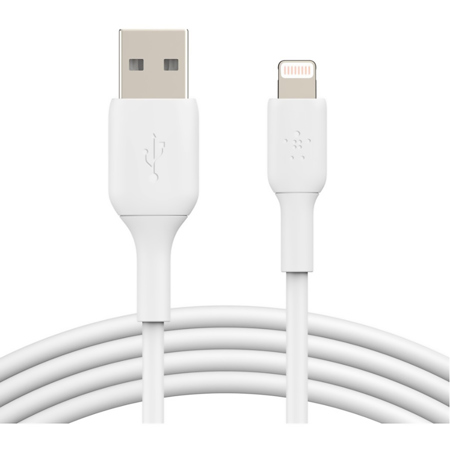
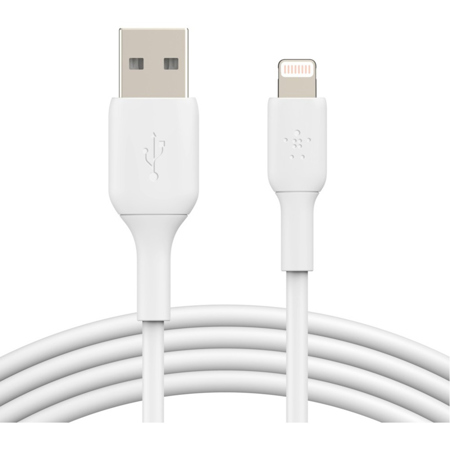
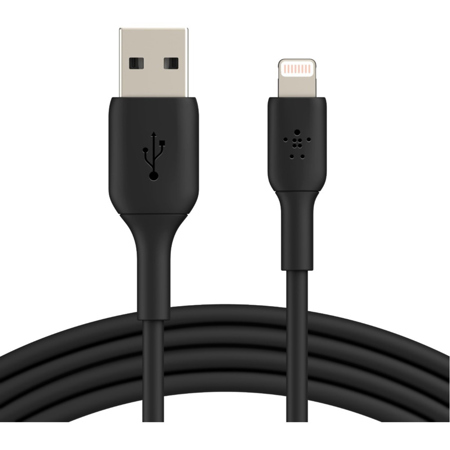
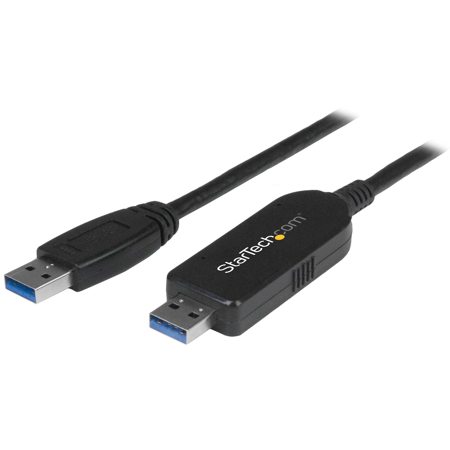
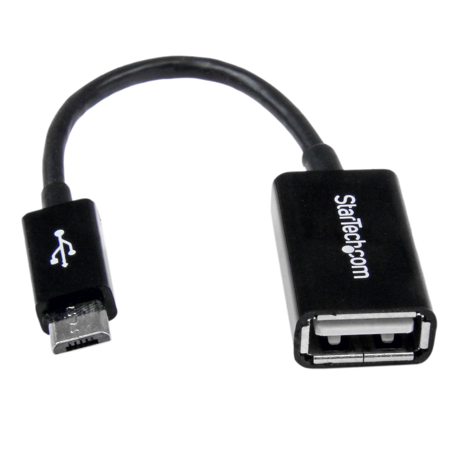
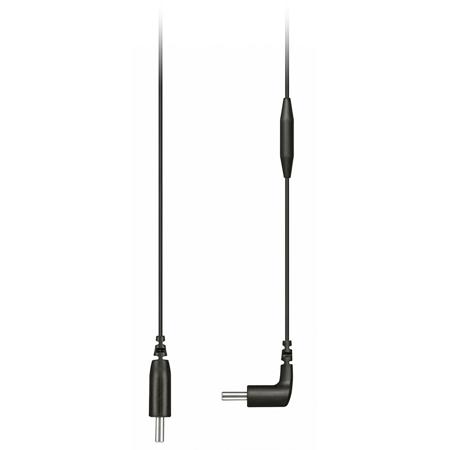
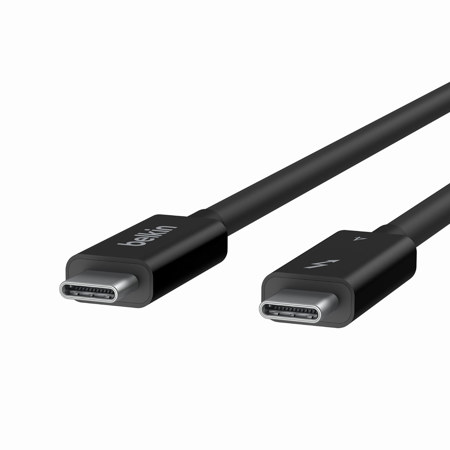
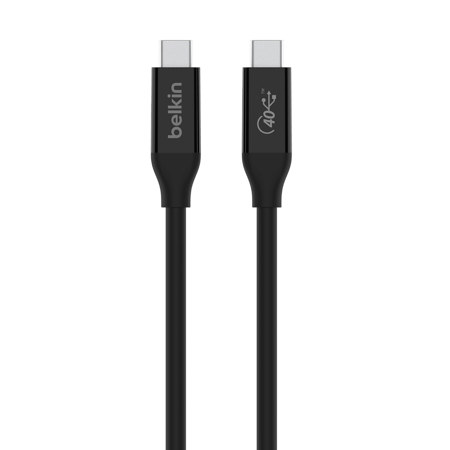
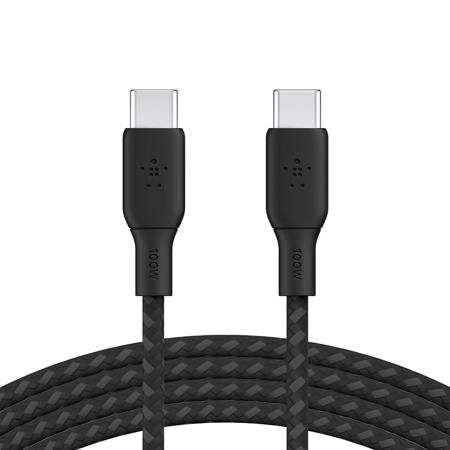
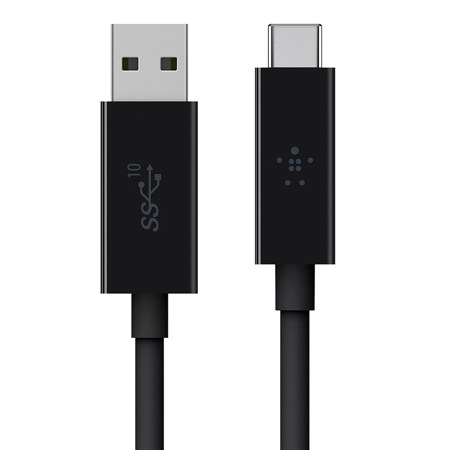
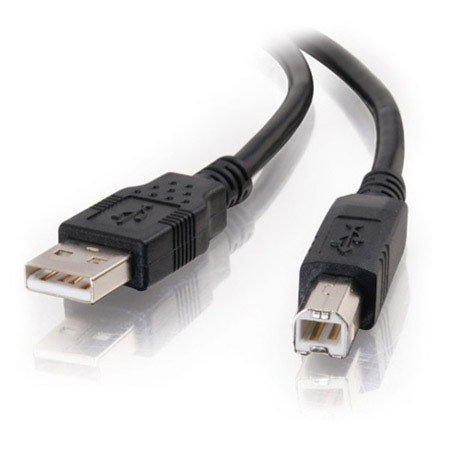
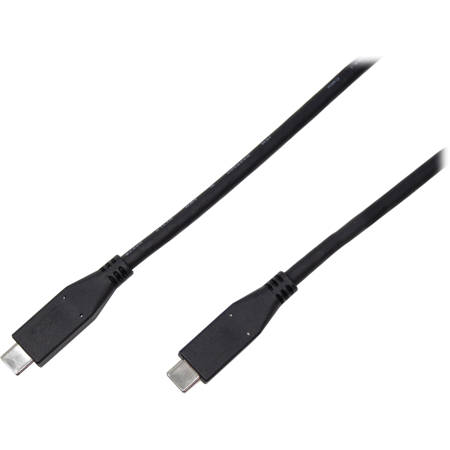
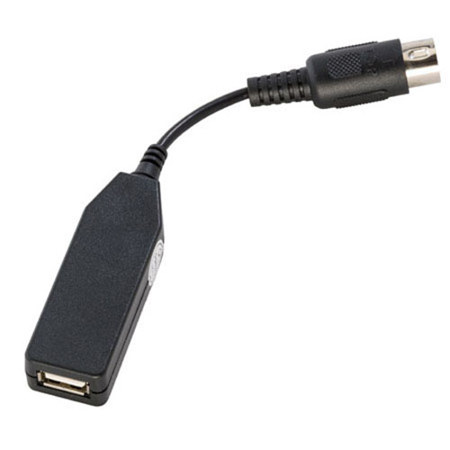
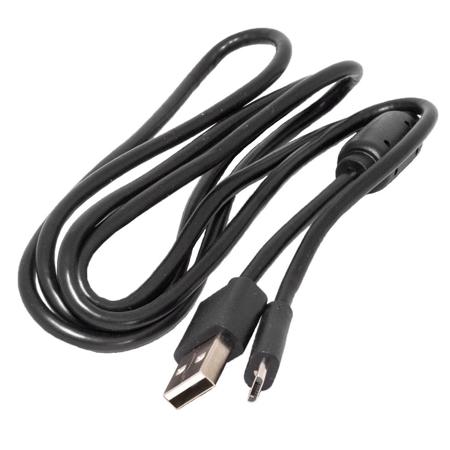
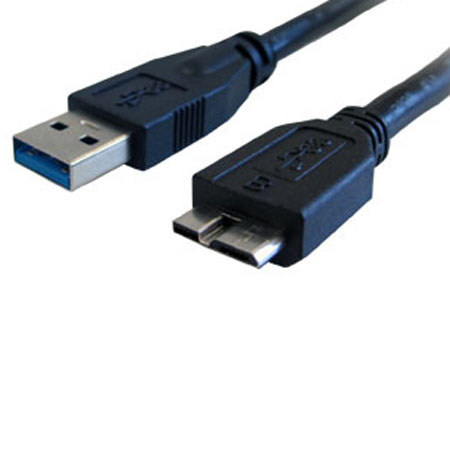
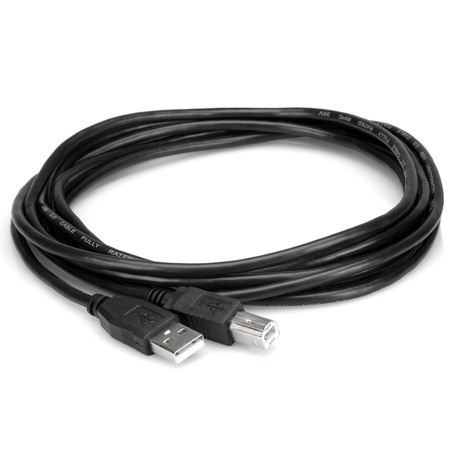
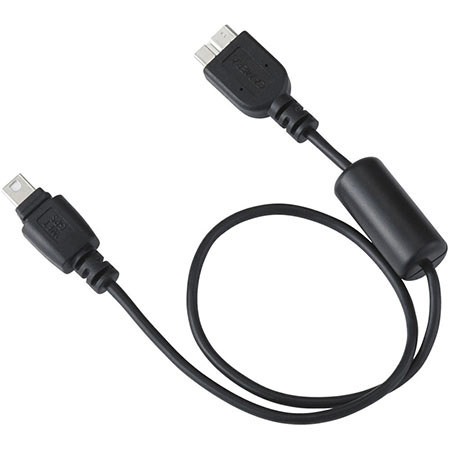
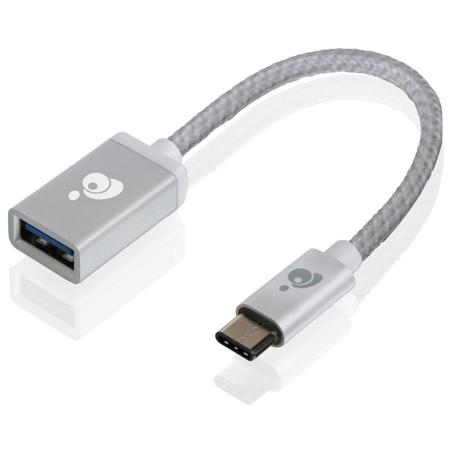
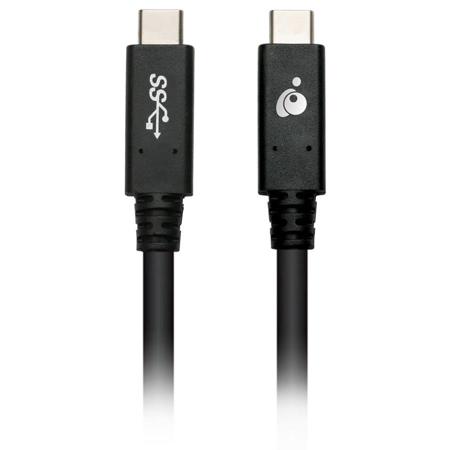
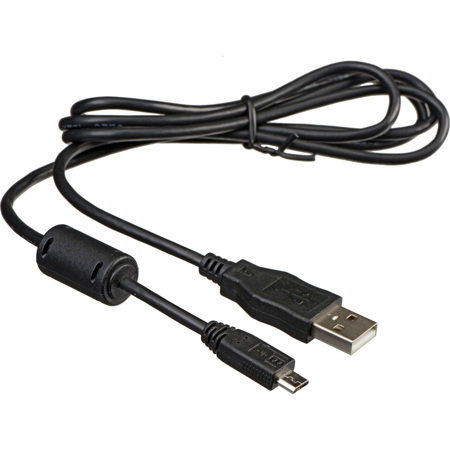
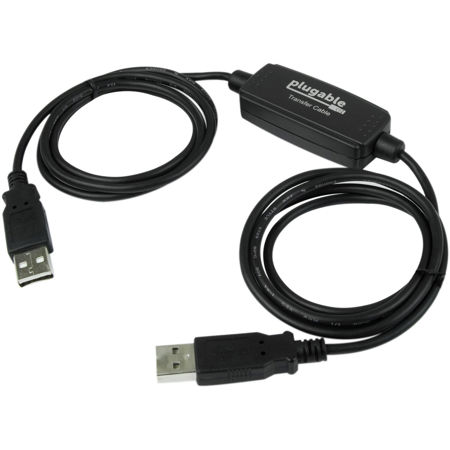
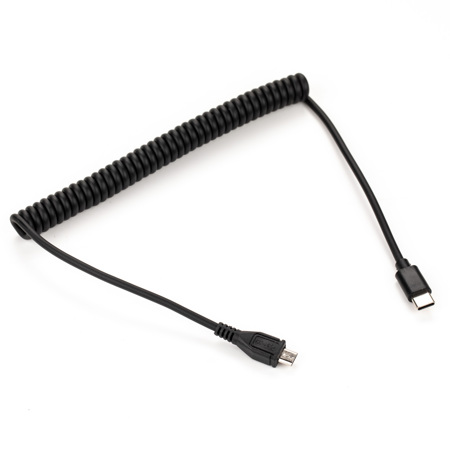
As technology continues to evolve and the number of devices in our homes and workspaces multiplies, USB cables have become the backbone of everyday connectivity. Whether you’re syncing photos from a digital camera, charging a smartphone, or transferring files between a laptop and an external hard drive, the right USB cable ensures seamless communication and reliable power delivery. Over the years, USB standards have expanded to accommodate a wide variety of devices—ranging from the classic, flat USB-A connectors on legacy computers and chargers, to the newer, reversible USB-C connectors that dominate modern smartphones, tablets, and laptops. Photographers and videographers often rely on fast, high-capacity USB-C cables to offload large RAW files from cameras or to tether directly to editing stations, while musicians and audio engineers may use micro USB pigtail adapters to connect MIDI controllers or audio interfaces to computers during recording sessions. For those with older gear, mini-USB and micro-USB cables still play a vital role, especially when working with vintage cameras, e-readers, or handheld gaming devices. As the weather warms and travel becomes more frequent, many people find themselves packing extra USB cables for road trips, vacations, or outdoor shoots, ensuring that every device remains charged and ready for action.
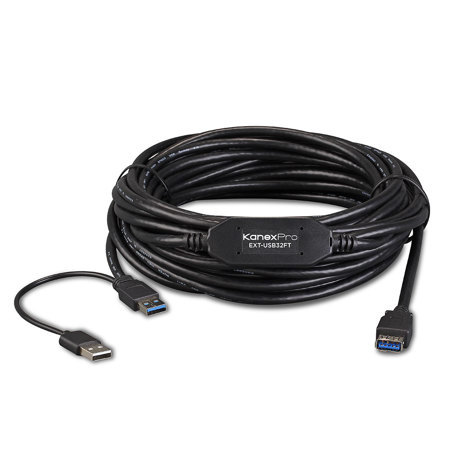
Selecting the right USB cable involves a few important considerations beyond just the connector type. Length, durability, data transfer speed, and power delivery capabilities can all make a significant difference depending on your needs. Professional creators who edit 4K video or manage large photo libraries benefit from high-speed USB-C cables capable of supporting fast data transfer rates and robust power output—sometimes up to 240W for demanding laptops and external monitors. Meanwhile, hobbyists and everyday users may prioritize flexibility and compactness, opting for shorter cables or micro USB pigtail adapters that can be tucked into a camera bag or backpack. When gifting USB cables, consider the recipient’s devices and workflow: a student heading to college, a parent upgrading their phone, or a friend who’s passionate about photography will all appreciate a thoughtfully chosen cable that matches their tech setup. Seasonal events like graduations, summer vacations, and back-to-school preparations often prompt upgrades or replacements, making this a practical and timely gift idea. For those looking to streamline their workspace or travel kit, a well-organized collection of cables—neatly coiled and labeled—can transform a cluttered desk or bag into an efficient, frustration-free zone.
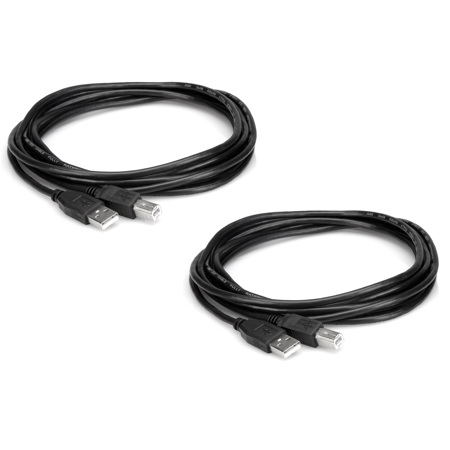
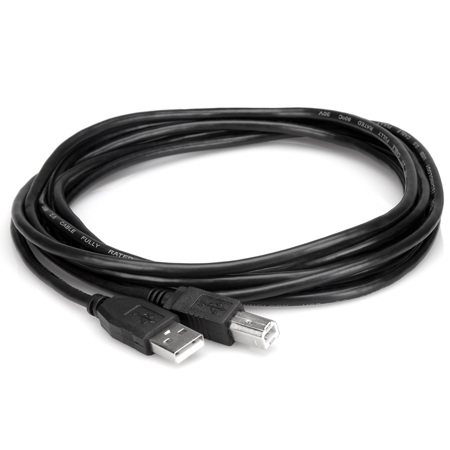
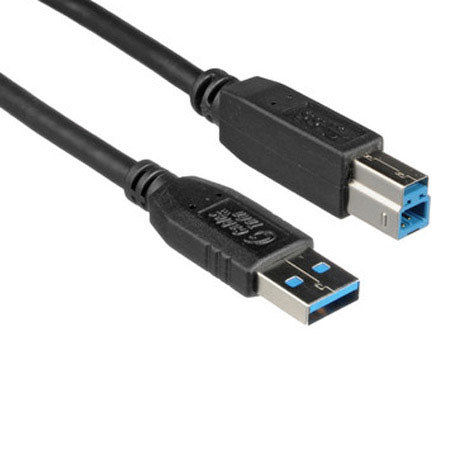
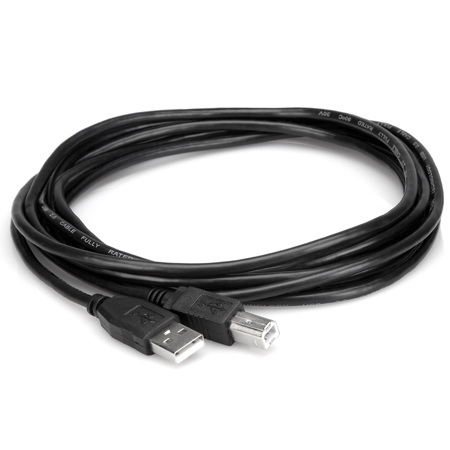
No matter your expertise or interests, understanding the distinctions between USB-A, USB-B, USB-C, micro-USB, and mini-USB connectors is essential for building a reliable tech ecosystem. As devices become more specialized, having the right cable on hand can save time and prevent connectivity headaches—whether you’re setting up a home studio, managing a professional photo shoot, or simply charging your phone by the pool. For a more in-depth look at all types of connectors and to ensure you’re choosing the best fit for your needs, explore our comprehensive guide to USB Connectors. With the right combination of cables and adapters, you’ll be ready for any creative project or adventure that the season brings.
Selecting the right USB cable involves a few important considerations beyond just the connector type. Length, durability, data transfer speed, and power delivery capabilities can all make a significant difference depending on your needs. Professional creators who edit 4K video or manage large photo libraries benefit from high-speed USB-C cables capable of supporting fast data transfer rates and robust power output—sometimes up to 240W for demanding laptops and external monitors. Meanwhile, hobbyists and everyday users may prioritize flexibility and compactness, opting for shorter cables or micro USB pigtail adapters that can be tucked into a camera bag or backpack. When gifting USB cables, consider the recipient’s devices and workflow: a student heading to college, a parent upgrading their phone, or a friend who’s passionate about photography will all appreciate a thoughtfully chosen cable that matches their tech setup. Seasonal events like graduations, summer vacations, and back-to-school preparations often prompt upgrades or replacements, making this a practical and timely gift idea. For those looking to streamline their workspace or travel kit, a well-organized collection of cables—neatly coiled and labeled—can transform a cluttered desk or bag into an efficient, frustration-free zone.
No matter your expertise or interests, understanding the distinctions between USB-A, USB-B, USB-C, micro-USB, and mini-USB connectors is essential for building a reliable tech ecosystem. As devices become more specialized, having the right cable on hand can save time and prevent connectivity headaches—whether you’re setting up a home studio, managing a professional photo shoot, or simply charging your phone by the pool. For a more in-depth look at all types of connectors and to ensure you’re choosing the best fit for your needs, explore our comprehensive guide to USB Connectors. With the right combination of cables and adapters, you’ll be ready for any creative project or adventure that the season brings.