USB Connectors
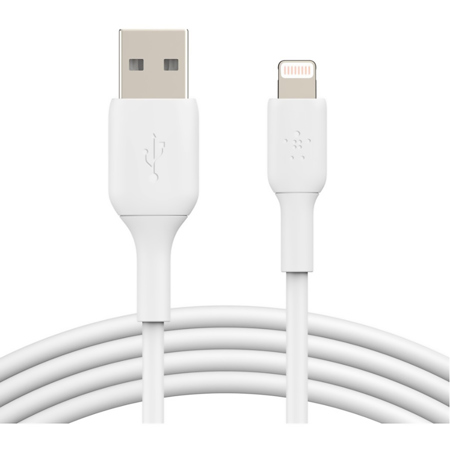
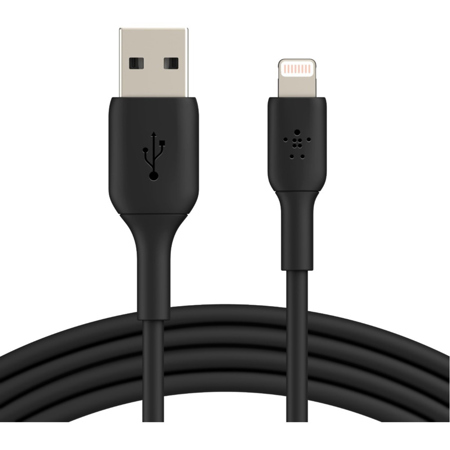
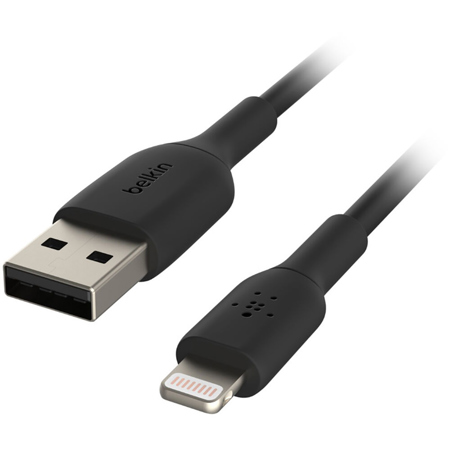
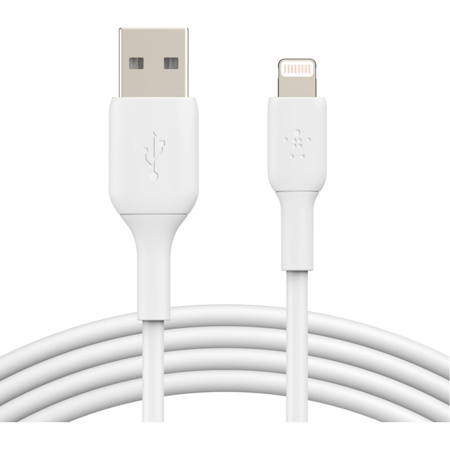
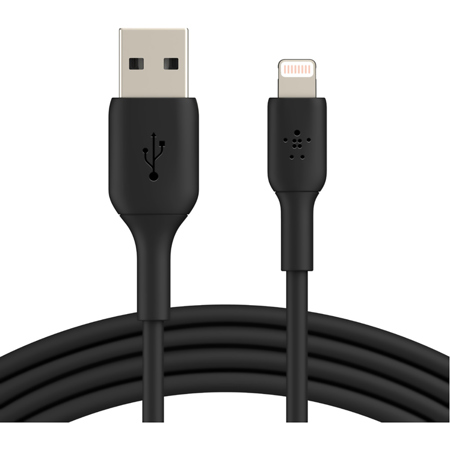
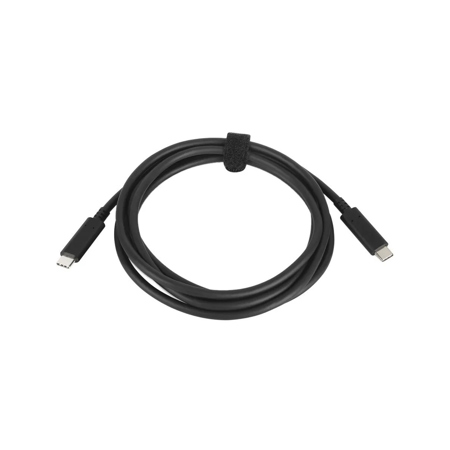
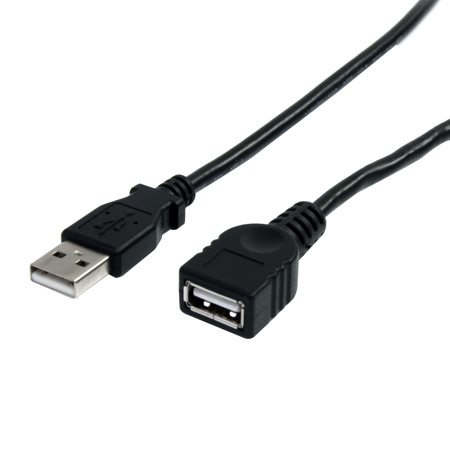
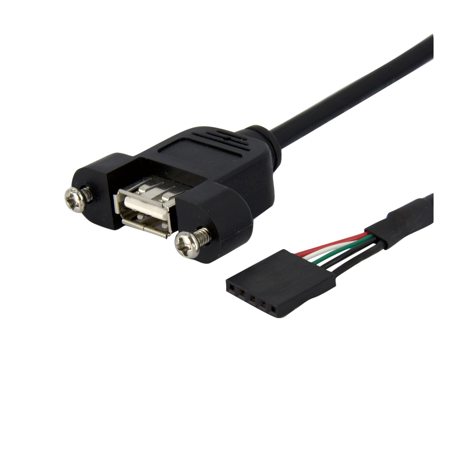
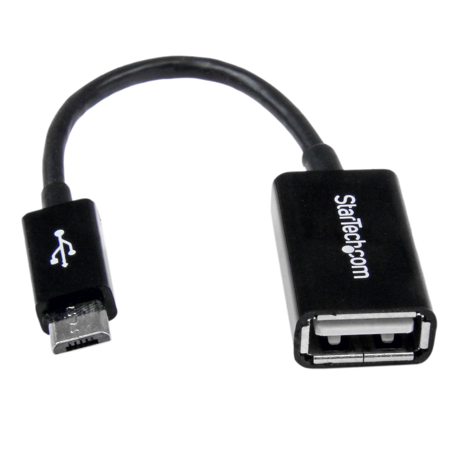
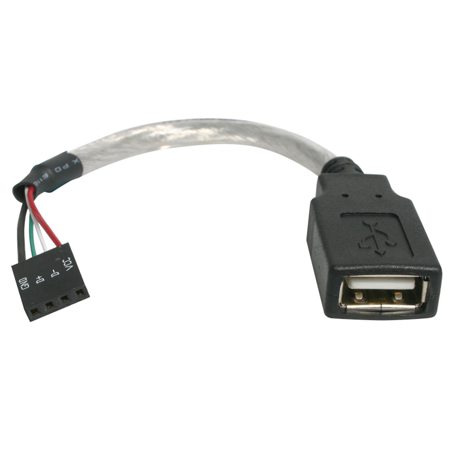
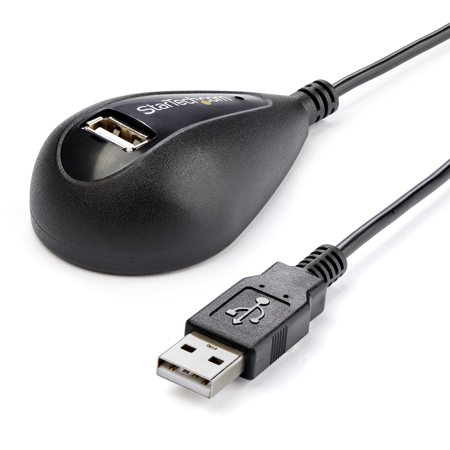
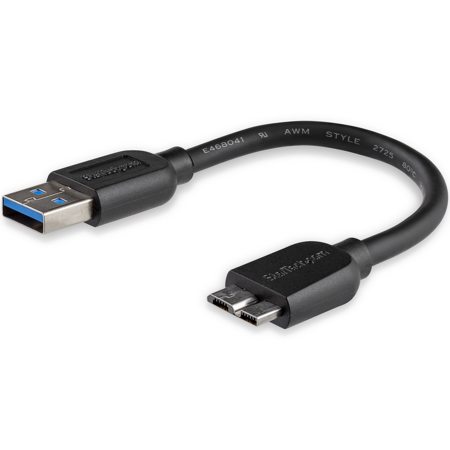
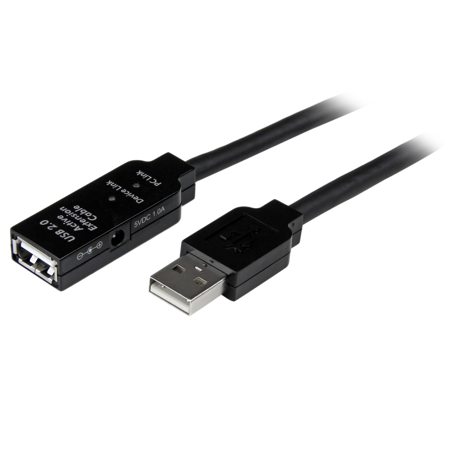
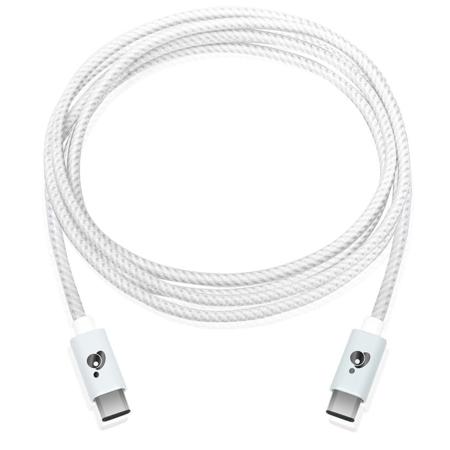
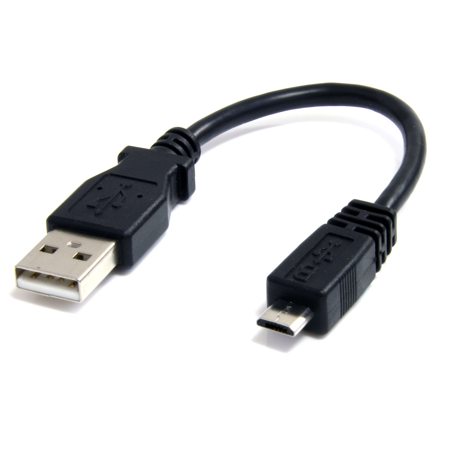
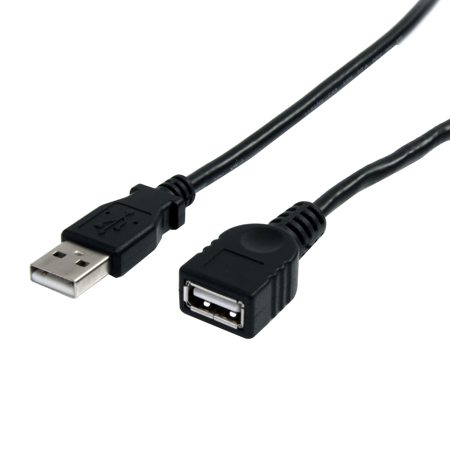
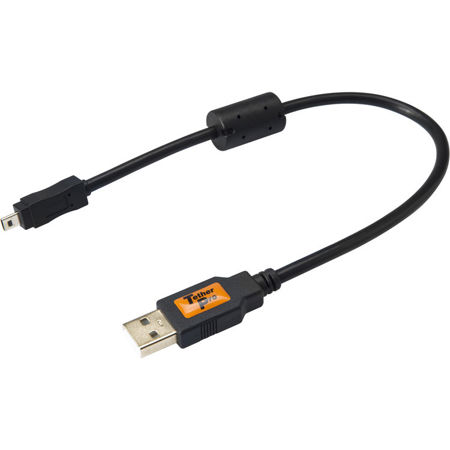
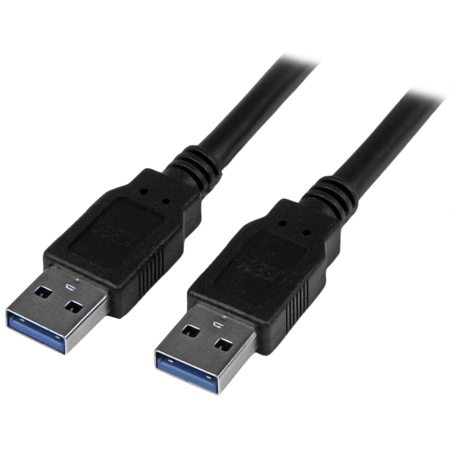
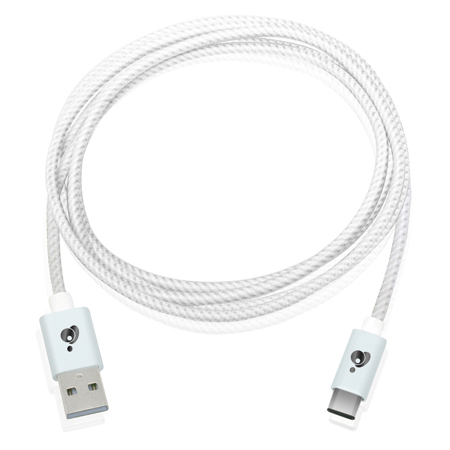
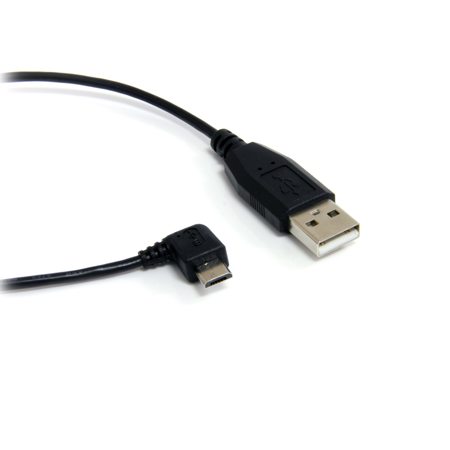
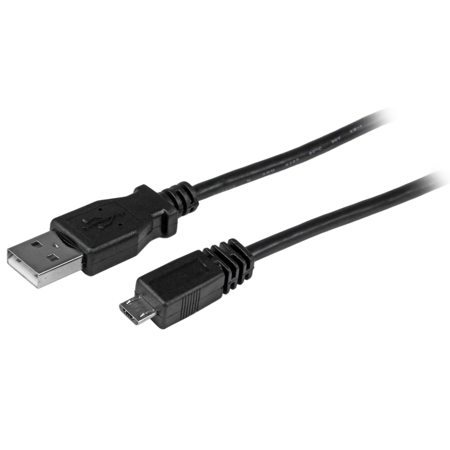
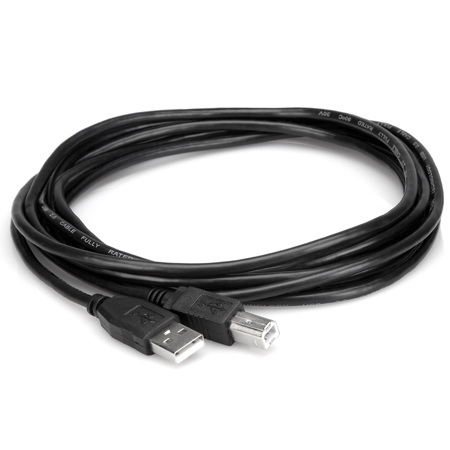
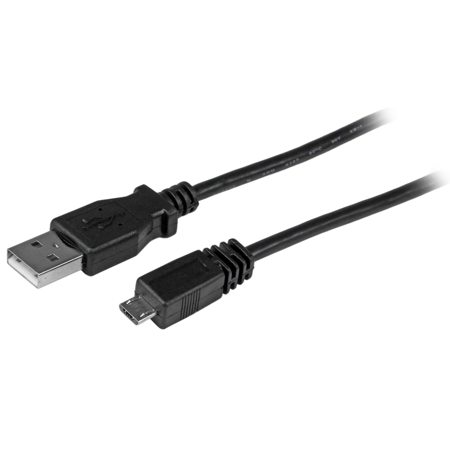
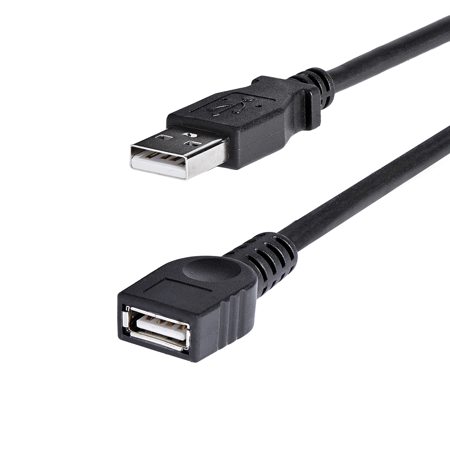
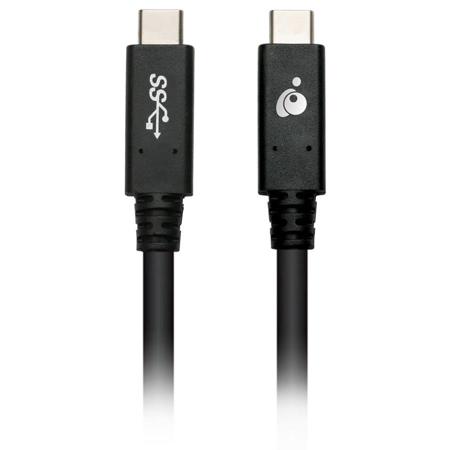
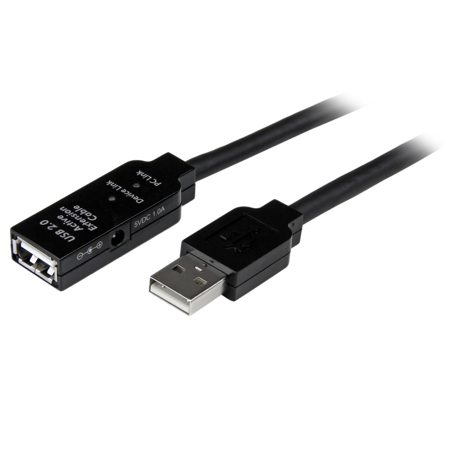
USB connectors have become the universal language of connectivity, seamlessly linking a vast array of devices across home, office, and studio environments. Whether you’re a photographer offloading high-resolution images from a camera, a musician syncing MIDI controllers, or a professional setting up a workstation, the right USB connector ensures reliable data transfer and power delivery. Over the years, the landscape of USB cable connectors has evolved to include a variety of shapes and standards, each designed to meet specific needs. USB Type-A, the familiar rectangular port, has long been the workhorse for computers and chargers, while USB Type-B is commonly found on larger peripherals like printers and audio interfaces. As technology advanced, mini-USB and micro-USB connectors became staples for compact devices such as cameras, portable recorders, and older smartphones—though many of these have now given way to the versatile USB Type-C. Type-C stands out for its compact, reversible design and ability to handle high-speed data transfers and robust power delivery, making it an essential connector for modern laptops, tablets, and even some cameras and audio equipment.
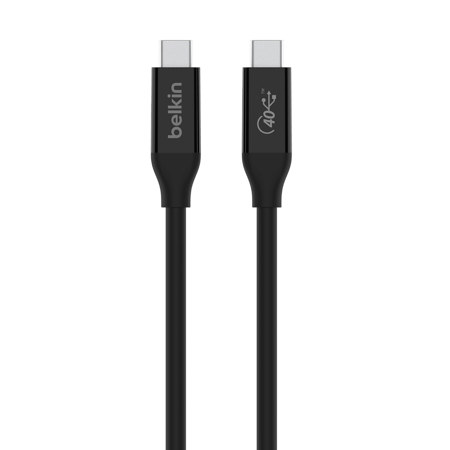
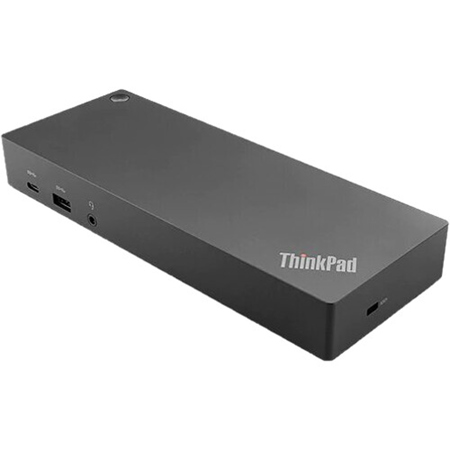
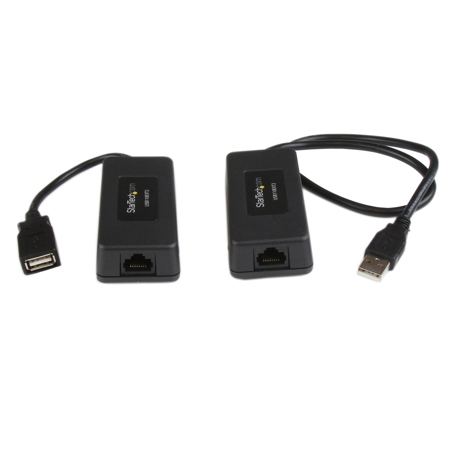
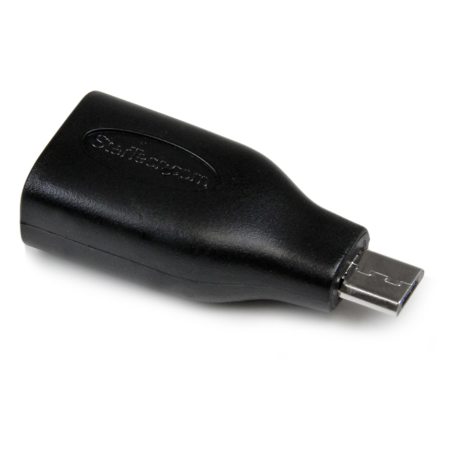
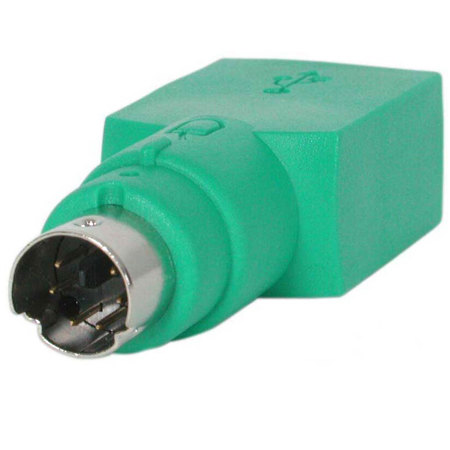
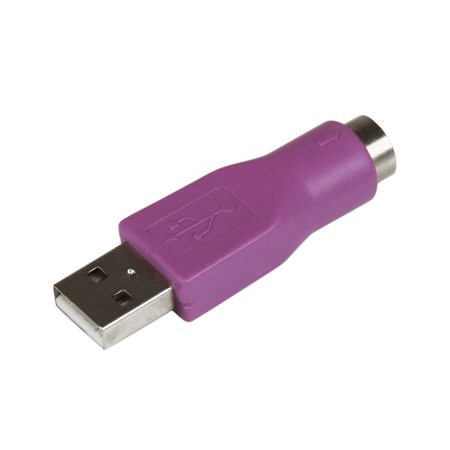
When choosing a USB connector, it’s important to consider both the physical type and the underlying standard, as these determine compatibility, transfer speed, and power capabilities. USB 2.0, still found in many legacy devices, offers solid reliability for basic peripherals and charging needs, while USB 3.0, 3.1, and 3.2 standards deliver significantly faster data rates—ideal for transferring large media files, streaming high-definition video, or powering demanding equipment. USB4, the latest evolution, is exclusive to Type-C and brings data speeds up to 40 Gbps, which is a game-changer for creative professionals working with massive files or multi-device setups. As the weather warms and travel or outdoor projects become more common, having the right USB cable connector on hand is invaluable—whether you’re backing up photos in the field, charging devices on the go, or setting up a mobile workstation at a summer event. Adapters and hubs can bridge the gap between new and older devices, ensuring that legacy gear remains useful even as you upgrade to the latest technology.
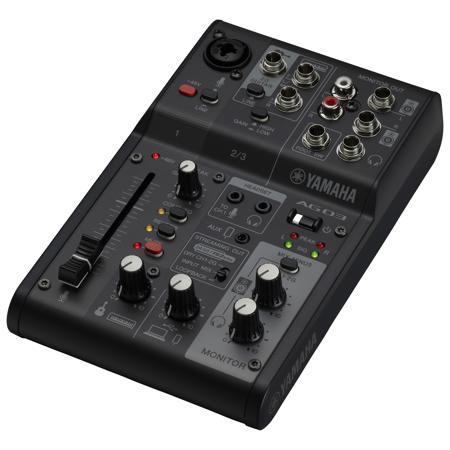
USB connectors also make thoughtful, practical gifts for students heading off to college, tech enthusiasts upgrading their gear, or anyone setting up a home office or creative studio. The versatility and necessity of these connectors mean they’re always in demand, especially as devices continue to evolve and diversify. For those interested in expanding their setup for content creation, podcasting, or live events, exploring options for USB Streaming can open up new possibilities for high-quality audio and video transmission. As you navigate the wide selection of USB connectors available, consider not just the immediate compatibility with your devices, but also future-proofing your setup by opting for multi-standard cables and adapters that support both legacy and cutting-edge equipment. With the right connectors, you can ensure smooth, uninterrupted workflows—whether you’re editing photos in a sunlit studio, recording music on a cool evening, or sharing memories with friends and family.
When choosing a USB connector, it’s important to consider both the physical type and the underlying standard, as these determine compatibility, transfer speed, and power capabilities. USB 2.0, still found in many legacy devices, offers solid reliability for basic peripherals and charging needs, while USB 3.0, 3.1, and 3.2 standards deliver significantly faster data rates—ideal for transferring large media files, streaming high-definition video, or powering demanding equipment. USB4, the latest evolution, is exclusive to Type-C and brings data speeds up to 40 Gbps, which is a game-changer for creative professionals working with massive files or multi-device setups. As the weather warms and travel or outdoor projects become more common, having the right USB cable connector on hand is invaluable—whether you’re backing up photos in the field, charging devices on the go, or setting up a mobile workstation at a summer event. Adapters and hubs can bridge the gap between new and older devices, ensuring that legacy gear remains useful even as you upgrade to the latest technology.
USB connectors also make thoughtful, practical gifts for students heading off to college, tech enthusiasts upgrading their gear, or anyone setting up a home office or creative studio. The versatility and necessity of these connectors mean they’re always in demand, especially as devices continue to evolve and diversify. For those interested in expanding their setup for content creation, podcasting, or live events, exploring options for USB Streaming can open up new possibilities for high-quality audio and video transmission. As you navigate the wide selection of USB connectors available, consider not just the immediate compatibility with your devices, but also future-proofing your setup by opting for multi-standard cables and adapters that support both legacy and cutting-edge equipment. With the right connectors, you can ensure smooth, uninterrupted workflows—whether you’re editing photos in a sunlit studio, recording music on a cool evening, or sharing memories with friends and family.