VGA Video Cards
For anyone working with computers—whether it’s for retro gaming, maintaining legacy systems, or ensuring compatibility with older displays—VGA video cards remain an essential piece of hardware. While the term “VGA” originally referred to a specific 640x480 display standard, it’s now synonymous with the familiar blue, 15-pin DE-15 connector that defined analog video output for decades. Many professionals and enthusiasts still rely on VGA video cards, especially when dealing with classic CRT monitors, vintage hardware builds, or specialized industrial and point-of-sale setups. The resurgence of interest in retro computing, particularly as the weather warms and hobbyists dive into summer projects, has brought new attention to these cards. For those restoring a DOS or Windows 9x PC, sourcing a VGA video card with the right interface—whether ISA, PCI, or AGP—can make all the difference in achieving an authentic experience. These cards are also invaluable for educators and IT professionals who need to keep older lab equipment running smoothly, or for anyone with a beloved monitor that only accepts analog input.
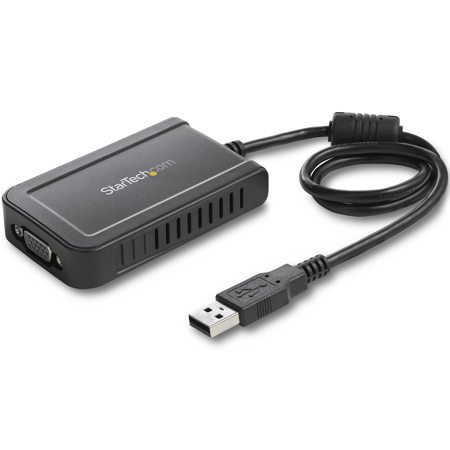
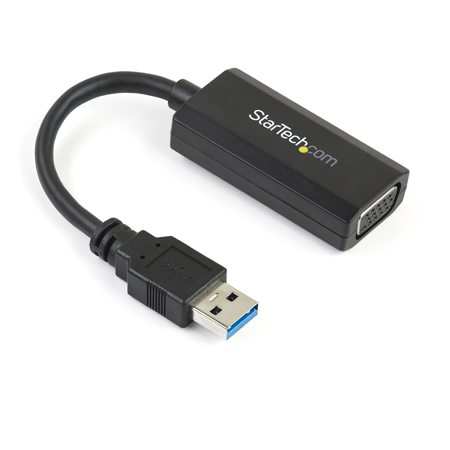
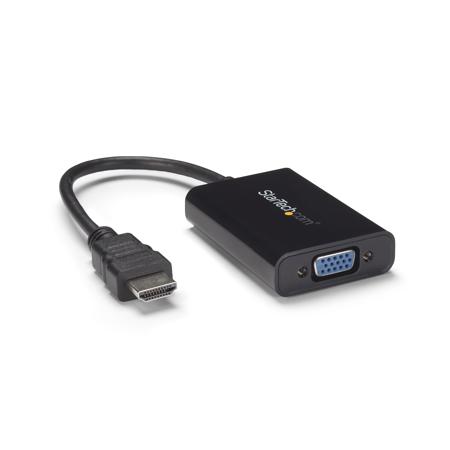
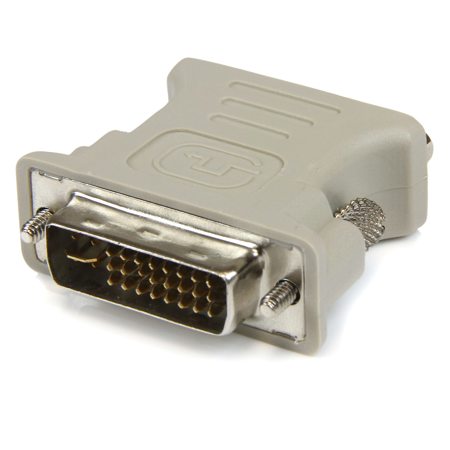
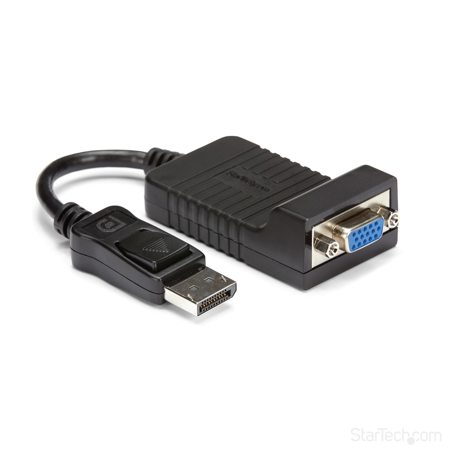
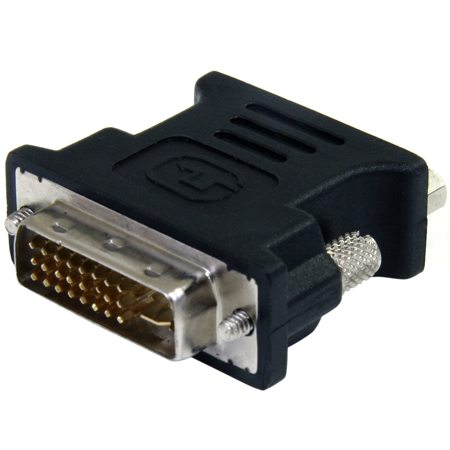
Selecting the right VGA video card involves a few important considerations. Compatibility is key: older systems may require legacy interfaces, while modern desktops typically use PCI Express (PCIe). If your goal is to connect a newer computer to an older VGA monitor, you might need to pair a digital-output card with an active HDMI-to-VGA or DisplayPort-to-VGA adapter, since passive DVI-to-VGA adapters only work with the increasingly rare DVI-I ports. Performance requirements will also vary. For basic office tasks or multi-monitor setups, an entry-level card with native VGA support is usually sufficient and can be found at a reasonable price point. However, retro gaming enthusiasts might seek out specific chipsets or brands that deliver authentic visuals and compatibility with vintage software. During the transition from summer into the cooler months, many find it a rewarding time to complete these projects or gift a VGA video card to a friend or family member who loves tinkering with classic PCs. The satisfaction of seeing a vintage monitor flicker to life or an old game running in its original glory is hard to match.
VGA video cards are not only a practical solution for legacy hardware but also a thoughtful gift for collectors, educators, or anyone passionate about computer history. They serve as a bridge between generations of technology, allowing old and new to coexist in a single workspace. Whether you’re outfitting a home office, restoring a cherished family computer, or building a unique gaming rig, the right card ensures smooth, reliable analog video output. For those seeking more modern connectivity options, it’s worth exploring cards with digital outputs as well—our dedicated page for HDMI Video Cards offers a wide range of solutions for today’s displays. No matter your needs, a carefully chosen VGA video card keeps classic technology relevant and functional, offering both nostalgia and practicality in equal measure.
Selecting the right VGA video card involves a few important considerations. Compatibility is key: older systems may require legacy interfaces, while modern desktops typically use PCI Express (PCIe). If your goal is to connect a newer computer to an older VGA monitor, you might need to pair a digital-output card with an active HDMI-to-VGA or DisplayPort-to-VGA adapter, since passive DVI-to-VGA adapters only work with the increasingly rare DVI-I ports. Performance requirements will also vary. For basic office tasks or multi-monitor setups, an entry-level card with native VGA support is usually sufficient and can be found at a reasonable price point. However, retro gaming enthusiasts might seek out specific chipsets or brands that deliver authentic visuals and compatibility with vintage software. During the transition from summer into the cooler months, many find it a rewarding time to complete these projects or gift a VGA video card to a friend or family member who loves tinkering with classic PCs. The satisfaction of seeing a vintage monitor flicker to life or an old game running in its original glory is hard to match.
VGA video cards are not only a practical solution for legacy hardware but also a thoughtful gift for collectors, educators, or anyone passionate about computer history. They serve as a bridge between generations of technology, allowing old and new to coexist in a single workspace. Whether you’re outfitting a home office, restoring a cherished family computer, or building a unique gaming rig, the right card ensures smooth, reliable analog video output. For those seeking more modern connectivity options, it’s worth exploring cards with digital outputs as well—our dedicated page for HDMI Video Cards offers a wide range of solutions for today’s displays. No matter your needs, a carefully chosen VGA video card keeps classic technology relevant and functional, offering both nostalgia and practicality in equal measure.