
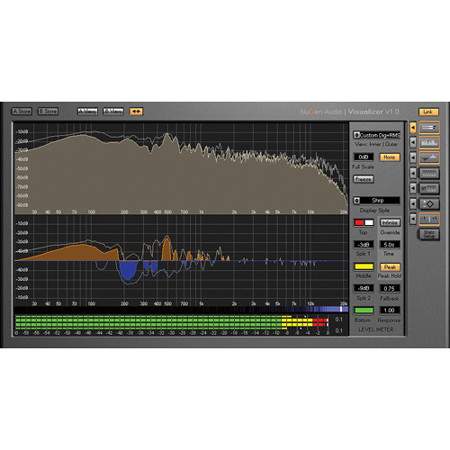
Virtual Instrument Software
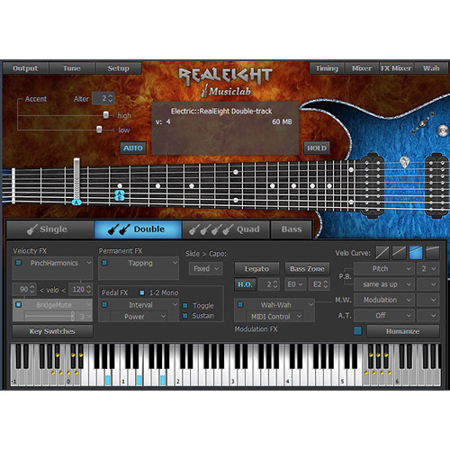
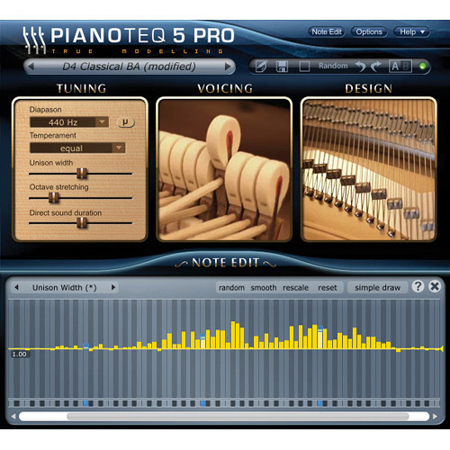
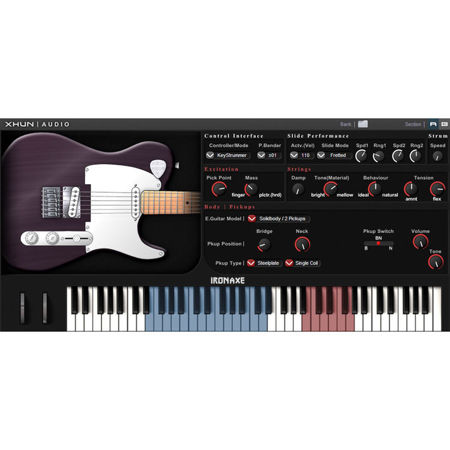
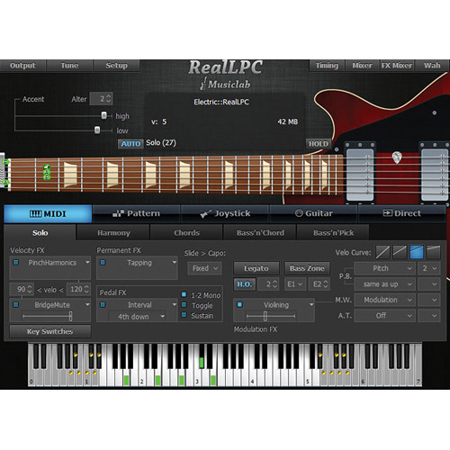
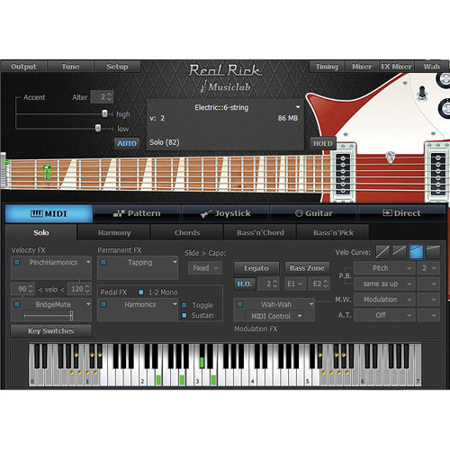
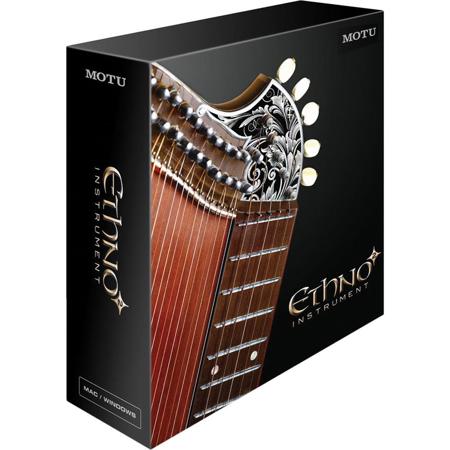
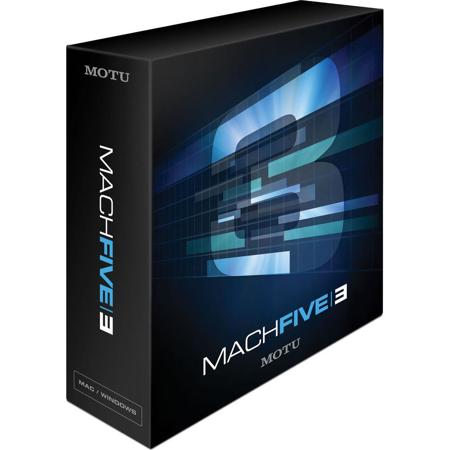
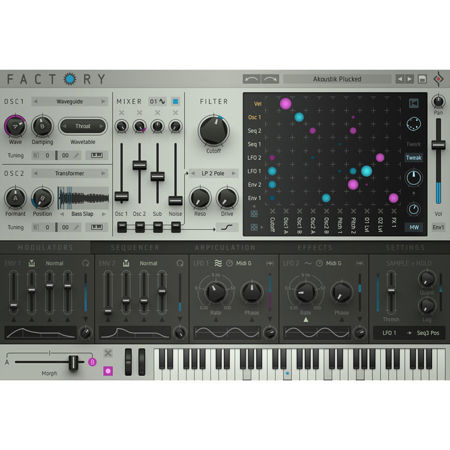
Virtual instrument software has revolutionized the way musicians, producers, and composers create and perform music, bringing the sounds of the world’s finest instruments directly to your digital workspace. Whether you’re a seasoned studio professional, a live performer looking to expand your sonic palette, or an aspiring musician eager to experiment with new sounds, these tools offer a level of versatility and realism that was once unimaginable. With the right software, a simple MIDI controller can transform into a grand piano, a full symphony orchestra, or a cutting-edge synthesizer, all within the comfort of your home or studio. The winter months, with their quieter evenings and indoor focus, provide the perfect backdrop for diving deep into creative projects, making now an ideal time to explore new sonic landscapes and refine your craft.
Choosing the best virtual instruments software involves considering your musical goals, workflow preferences, and the type of music you want to create. For composers working on film scores or game soundtracks, orchestral libraries with nuanced articulations and dynamic layers can bring cinematic visions to life. Electronic producers might gravitate toward synths and drum machines with vast sound design capabilities, while songwriters may appreciate realistic acoustic guitar, piano, or vocal emulations for quick demo creation. All instrument software is designed to be compatible with popular digital audio workstations, ensuring seamless integration into your existing setup. Many options support both standalone and plugin formats, providing flexibility whether you’re performing live or layering tracks in the studio. Gifting virtual instrument software can be a thoughtful gesture for the musician in your life, offering them access to new creative tools and inspiration—perfect for birthdays, holidays, or simply as a way to encourage their artistic journey.
The beauty of virtual instrument software lies in its ability to democratize music creation, making world-class sounds accessible to anyone with a computer and a vision. From students learning the fundamentals of music production to educators enhancing their curriculum, these tools have become essential in modern music education and collaboration. They allow for experimentation without the physical and financial constraints of traditional instruments, opening doors for creativity and innovation. As you browse through our curated selection, consider how each piece of software might fit into your workflow, inspire your next project, or help you achieve that elusive sound you’ve been chasing. For a comprehensive overview of available options and to find the perfect fit for your needs, visit our Instrument Software page, where you’ll discover a wide array of solutions tailored to every style and skill level.
Choosing the best virtual instruments software involves considering your musical goals, workflow preferences, and the type of music you want to create. For composers working on film scores or game soundtracks, orchestral libraries with nuanced articulations and dynamic layers can bring cinematic visions to life. Electronic producers might gravitate toward synths and drum machines with vast sound design capabilities, while songwriters may appreciate realistic acoustic guitar, piano, or vocal emulations for quick demo creation. All instrument software is designed to be compatible with popular digital audio workstations, ensuring seamless integration into your existing setup. Many options support both standalone and plugin formats, providing flexibility whether you’re performing live or layering tracks in the studio. Gifting virtual instrument software can be a thoughtful gesture for the musician in your life, offering them access to new creative tools and inspiration—perfect for birthdays, holidays, or simply as a way to encourage their artistic journey.
The beauty of virtual instrument software lies in its ability to democratize music creation, making world-class sounds accessible to anyone with a computer and a vision. From students learning the fundamentals of music production to educators enhancing their curriculum, these tools have become essential in modern music education and collaboration. They allow for experimentation without the physical and financial constraints of traditional instruments, opening doors for creativity and innovation. As you browse through our curated selection, consider how each piece of software might fit into your workflow, inspire your next project, or help you achieve that elusive sound you’ve been chasing. For a comprehensive overview of available options and to find the perfect fit for your needs, visit our Instrument Software page, where you’ll discover a wide array of solutions tailored to every style and skill level.