Vision Aids For Elderly
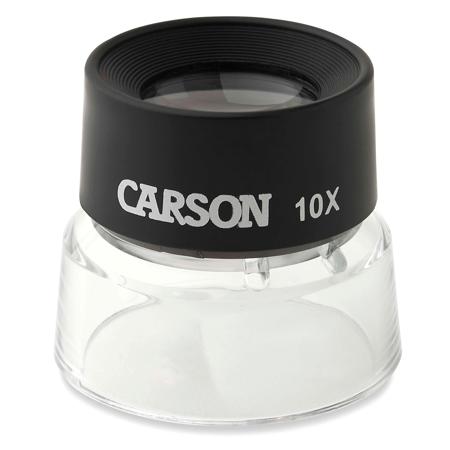
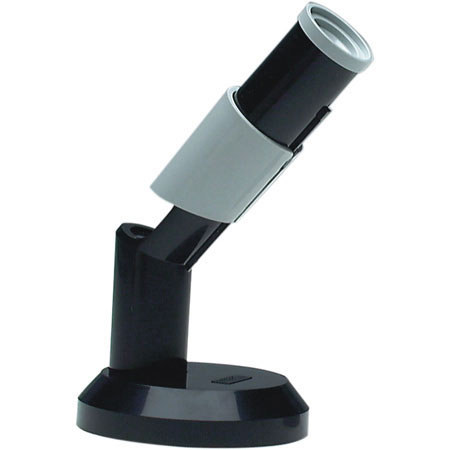
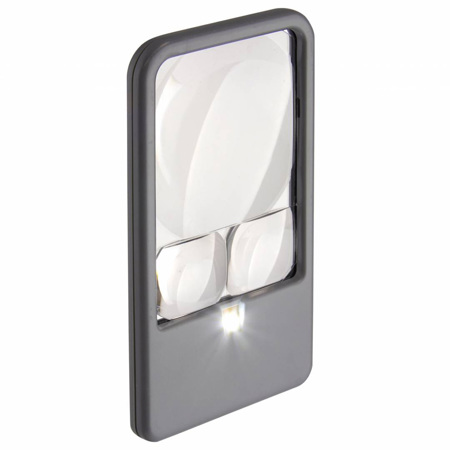
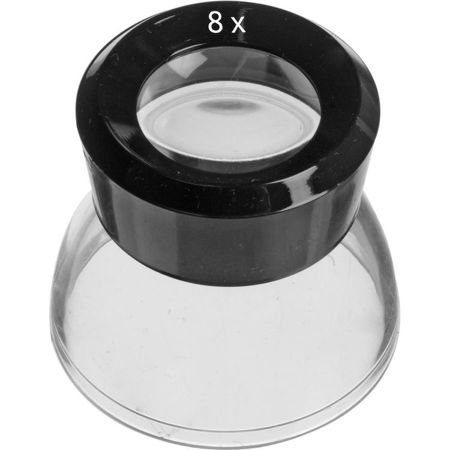
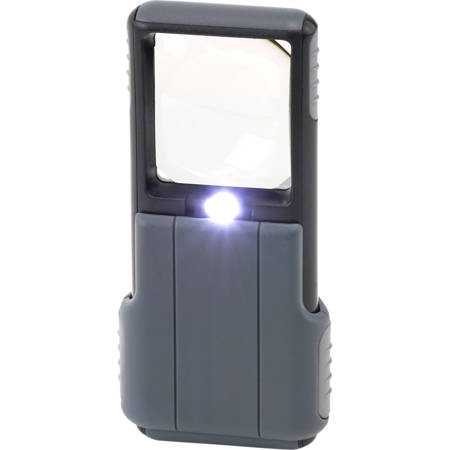
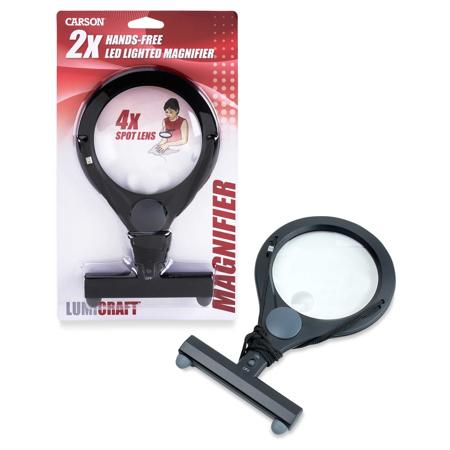
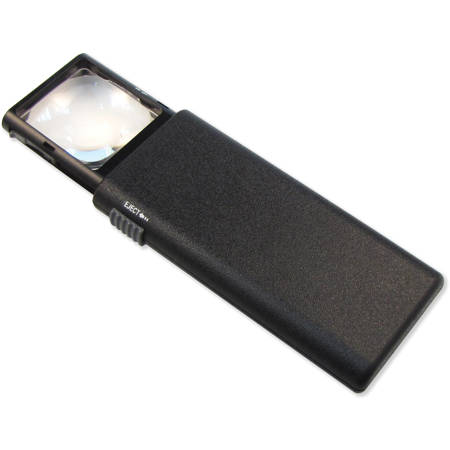
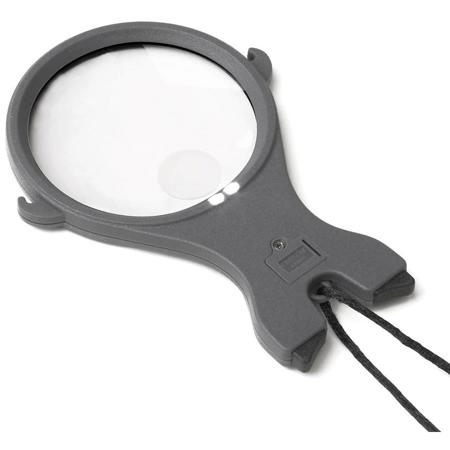
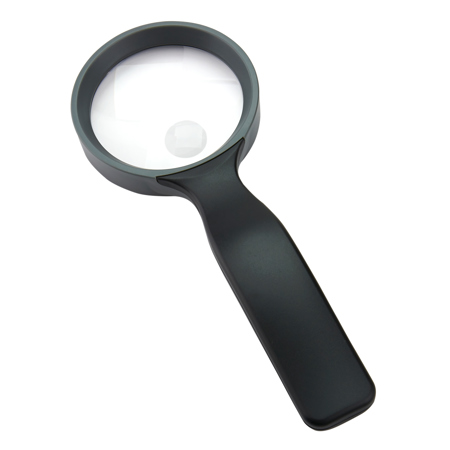
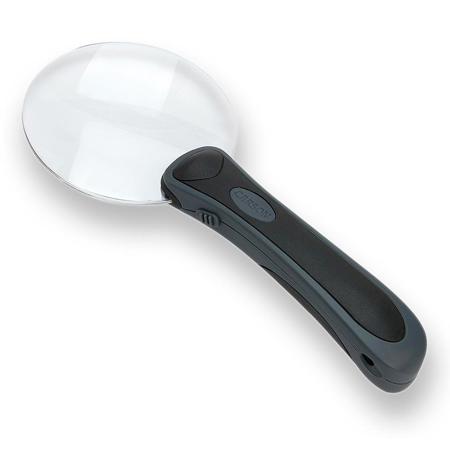
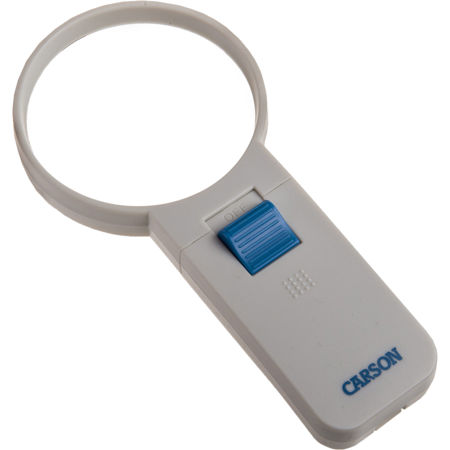
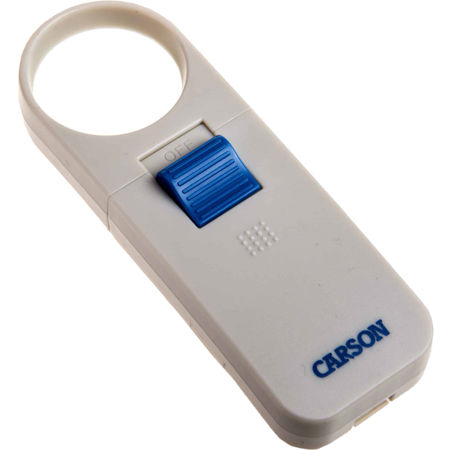
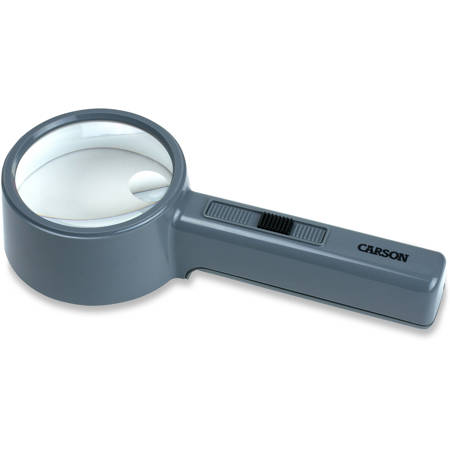
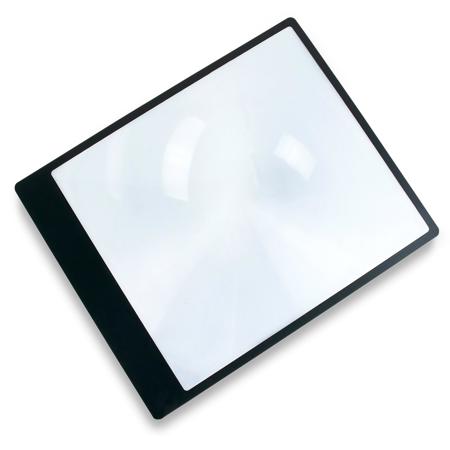
As eyesight naturally changes with age, many individuals find that daily tasks like reading, cooking, or enjoying hobbies require more effort and focus than before. Vision aids for the elderly are thoughtfully designed to bridge this gap, offering practical solutions that enhance independence and comfort in everyday life. From magnifiers that bring fine print into sharp relief to adaptive lighting that transforms dim corners into inviting spaces, these tools can make a significant difference for those experiencing age-related vision loss due to conditions such as macular degeneration, glaucoma, or diabetic retinopathy. For some, simple handheld or stand magnifiers are invaluable at the breakfast table, making it easier to read the newspaper or medication instructions. Others appreciate the convenience of electronic video magnifiers, which project enlarged, high-contrast text onto a screen—ideal for reviewing mail, enjoying a favorite book, or following recipes in the kitchen. Enhanced lighting options, such as adjustable gooseneck lamps or high-lumen LED bulbs, can be especially helpful as the days grow longer or shorter, ensuring that workspaces and reading nooks remain well-lit and inviting throughout the changing seasons.
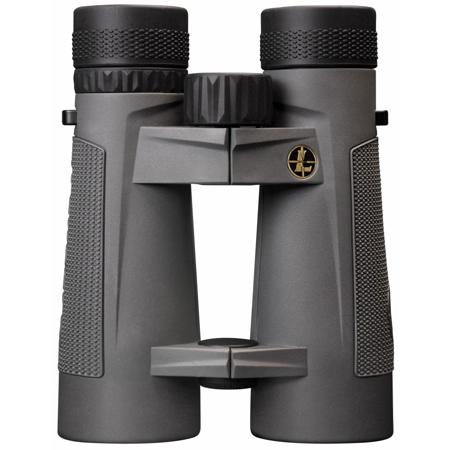
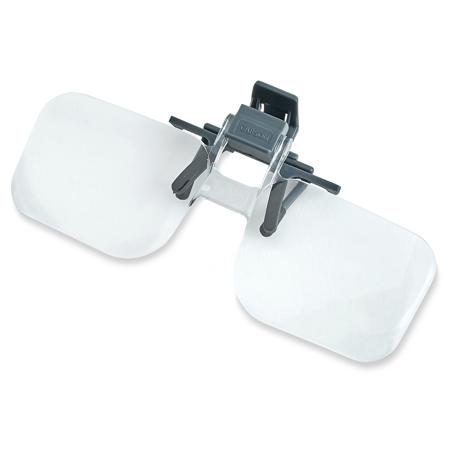
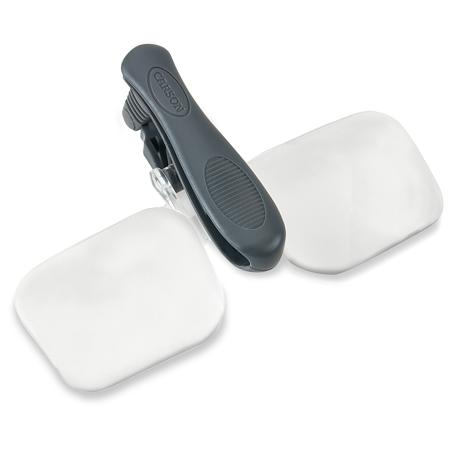
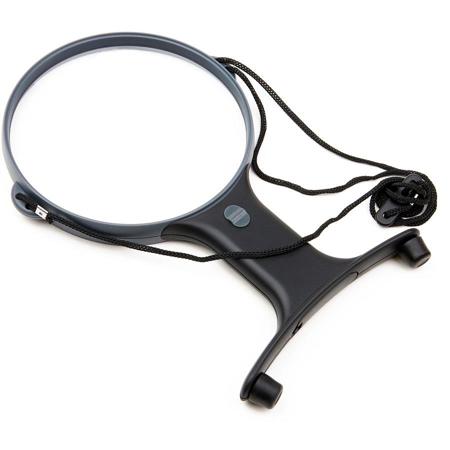
Vision aids are not just functional—they can be deeply personal gifts that show thoughtfulness and care. For family members or friends seeking a meaningful present for an older loved one, these devices offer the promise of greater autonomy and continued enjoyment of cherished activities. Large-print items, such as calendars, playing cards, and clocks, can reduce eye strain and make routine moments more manageable. Devices with tactile or high-contrast features—like brightly colored tape for marking steps or switches—help prevent accidents and make navigation around the home safer. For those who enjoy television or birdwatching, wearable magnifying glasses or specialized binoculars designed for eyeglass wearers open up new ways to experience favorite pastimes; you can explore more options for these specific needs at our dedicated page on Binoculars For Eyeglass Wearers. Many seniors also benefit from the accessibility features built into modern smartphones and tablets, such as adjustable font sizes, voice-over functions, and color inversion, which make digital communication and entertainment more accessible.
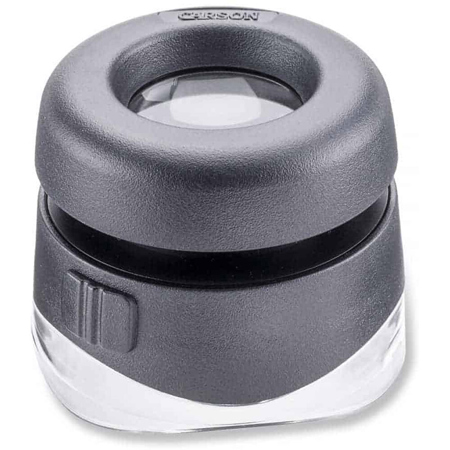
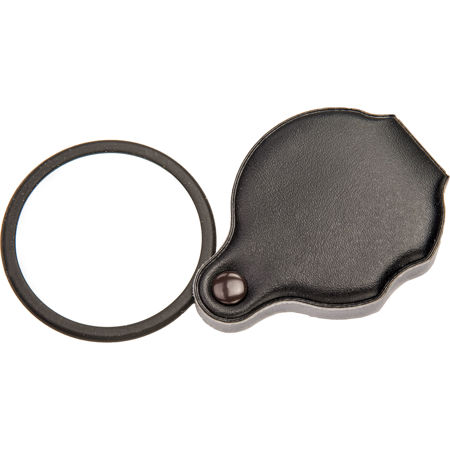
When considering which vision aids to choose, it’s important to think about the unique preferences and lifestyle of the user. Some individuals prefer portable, easy-to-use tools that can be carried from room to room or taken on outings—perfect for reading restaurant menus or navigating unfamiliar spaces. Others may need more robust solutions, such as desktop video magnifiers or OCR (Optical Character Recognition) devices that scan and read aloud printed text, bringing books, mail, and important documents within easy reach. Comfort and ergonomics are key: stand magnifiers that rest directly on a page can be a relief for those with arthritis or hand tremors, while lightweight options with adjustable handles offer flexibility for different tasks. As the weather shifts from the warmth of summer to the cooler days of fall, vision aids can help seniors continue to participate in outdoor gatherings, community events, or quiet afternoons spent with a crossword puzzle by the window. Whether for personal use or as a thoughtful gift, vision aids are a practical investment in quality of life, offering reassurance and renewed confidence to seniors and their families alike.
Vision aids are not just functional—they can be deeply personal gifts that show thoughtfulness and care. For family members or friends seeking a meaningful present for an older loved one, these devices offer the promise of greater autonomy and continued enjoyment of cherished activities. Large-print items, such as calendars, playing cards, and clocks, can reduce eye strain and make routine moments more manageable. Devices with tactile or high-contrast features—like brightly colored tape for marking steps or switches—help prevent accidents and make navigation around the home safer. For those who enjoy television or birdwatching, wearable magnifying glasses or specialized binoculars designed for eyeglass wearers open up new ways to experience favorite pastimes; you can explore more options for these specific needs at our dedicated page on Binoculars For Eyeglass Wearers. Many seniors also benefit from the accessibility features built into modern smartphones and tablets, such as adjustable font sizes, voice-over functions, and color inversion, which make digital communication and entertainment more accessible.
When considering which vision aids to choose, it’s important to think about the unique preferences and lifestyle of the user. Some individuals prefer portable, easy-to-use tools that can be carried from room to room or taken on outings—perfect for reading restaurant menus or navigating unfamiliar spaces. Others may need more robust solutions, such as desktop video magnifiers or OCR (Optical Character Recognition) devices that scan and read aloud printed text, bringing books, mail, and important documents within easy reach. Comfort and ergonomics are key: stand magnifiers that rest directly on a page can be a relief for those with arthritis or hand tremors, while lightweight options with adjustable handles offer flexibility for different tasks. As the weather shifts from the warmth of summer to the cooler days of fall, vision aids can help seniors continue to participate in outdoor gatherings, community events, or quiet afternoons spent with a crossword puzzle by the window. Whether for personal use or as a thoughtful gift, vision aids are a practical investment in quality of life, offering reassurance and renewed confidence to seniors and their families alike.