

Widescreen Displays
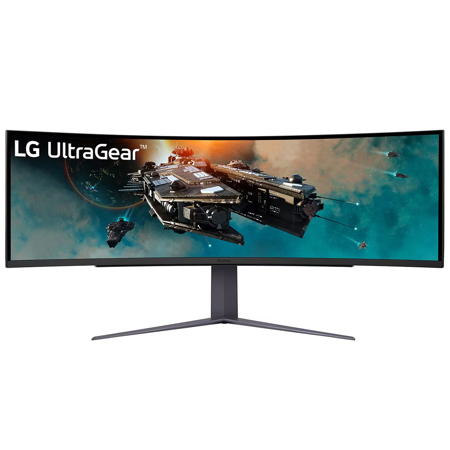
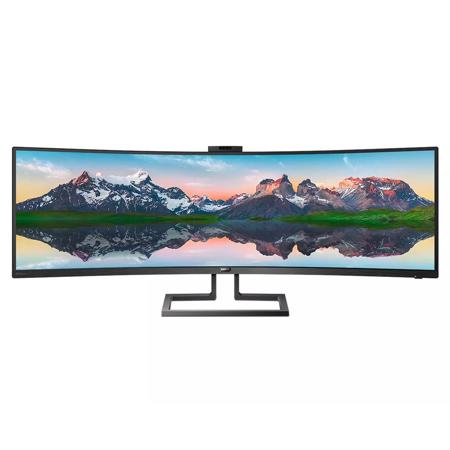
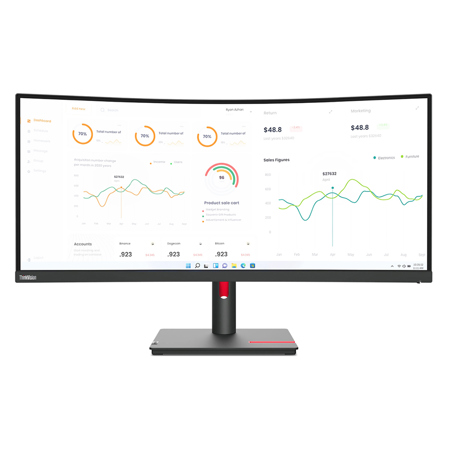
Widescreen displays have become an essential feature for anyone seeking a more immersive and productive visual experience, whether at home, in the studio, or at the office. With their expansive horizontal real estate, these monitors provide a canvas that’s perfectly suited for multitasking, creative work, and entertainment. The 16:9 aspect ratio is now the standard for many displays, offering a broad, cinematic view that brings movies and games to life with striking clarity and detail. For those who crave even more space, ultra-wide and super ultra-wide formats—like 21:9 and 32:9—extend the field of view, allowing for multiple windows, timelines, or applications to sit comfortably side by side. This is a game-changer for video editors who need to stretch out their editing timelines, programmers who want reference material alongside their code, or professionals managing large data sets in sprawling spreadsheets. During the warmer months, when daylight stretches longer and projects ramp up, a widescreen display can be the difference between squinting at cramped windows and breezing through tasks with room to spare. As the days grow cooler, these monitors also become a cozy companion for movie marathons, immersive gaming sessions, or connecting virtually with family and friends.
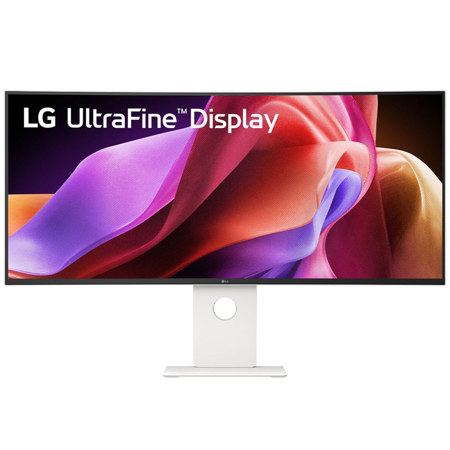
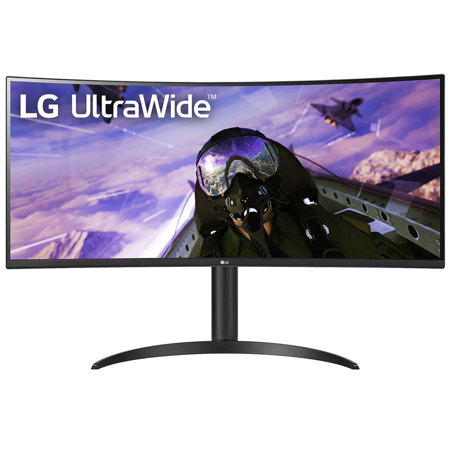
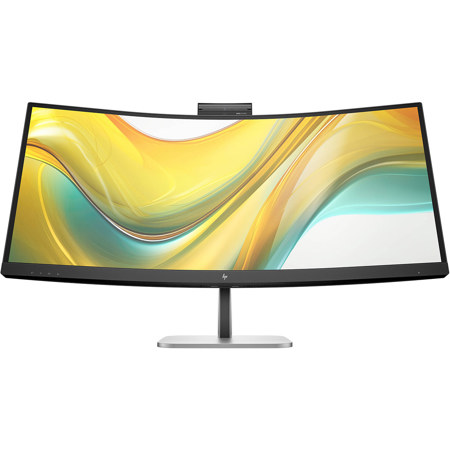
When choosing a widescreen display, there are several important features to consider to ensure you find the right fit for your needs. Resolution is key—higher resolutions like QHD or Dual QHD deliver crisp, detailed images but may require more powerful hardware to run smoothly, especially for gaming or graphic-intensive tasks. Curvature is another factor, especially for screens larger than 34 inches; a curved design helps keep every part of the screen at an equal distance from your eyes, reducing strain and creating a more natural, enveloping viewing experience. Connectivity options such as USB-C hubs can simplify your workspace by allowing you to connect peripherals and power your laptop with a single cable, minimizing clutter. If you’re a console gamer, keep in mind that most gaming consoles are optimized for 16:9 output, so ultra-wide resolutions may not be fully supported. For those working from home, a widescreen monitor can transform a kitchen table into a productive workspace, while creative professionals will appreciate the ability to view high-resolution images, video timelines, or audio tracks in their full glory. Widescreen displays also make thoughtful gifts for students heading back to school, remote workers setting up a home office, or anyone who enjoys streaming movies and shows in cinematic format.
Whether you’re upgrading your current setup or searching for the perfect display to enhance your workflow, browsing a curated selection of Widescreen LCD Monitors can help you compare the latest models and find the features best suited to your lifestyle. These monitors are designed to adapt to the demands of modern work and play, offering flexibility, comfort, and a visually stunning experience throughout the changing seasons. From boosting productivity during busy workdays to enjoying entertainment with friends and family as the evenings cool, a widescreen display is a versatile addition to any space. With thoughtful consideration of specifications like resolution, curvature, and connectivity, you can select a monitor that not only meets your immediate needs but also provides a future-proof foundation for all your digital adventures.
When choosing a widescreen display, there are several important features to consider to ensure you find the right fit for your needs. Resolution is key—higher resolutions like QHD or Dual QHD deliver crisp, detailed images but may require more powerful hardware to run smoothly, especially for gaming or graphic-intensive tasks. Curvature is another factor, especially for screens larger than 34 inches; a curved design helps keep every part of the screen at an equal distance from your eyes, reducing strain and creating a more natural, enveloping viewing experience. Connectivity options such as USB-C hubs can simplify your workspace by allowing you to connect peripherals and power your laptop with a single cable, minimizing clutter. If you’re a console gamer, keep in mind that most gaming consoles are optimized for 16:9 output, so ultra-wide resolutions may not be fully supported. For those working from home, a widescreen monitor can transform a kitchen table into a productive workspace, while creative professionals will appreciate the ability to view high-resolution images, video timelines, or audio tracks in their full glory. Widescreen displays also make thoughtful gifts for students heading back to school, remote workers setting up a home office, or anyone who enjoys streaming movies and shows in cinematic format.
Whether you’re upgrading your current setup or searching for the perfect display to enhance your workflow, browsing a curated selection of Widescreen LCD Monitors can help you compare the latest models and find the features best suited to your lifestyle. These monitors are designed to adapt to the demands of modern work and play, offering flexibility, comfort, and a visually stunning experience throughout the changing seasons. From boosting productivity during busy workdays to enjoying entertainment with friends and family as the evenings cool, a widescreen display is a versatile addition to any space. With thoughtful consideration of specifications like resolution, curvature, and connectivity, you can select a monitor that not only meets your immediate needs but also provides a future-proof foundation for all your digital adventures.