XLR Interfaces
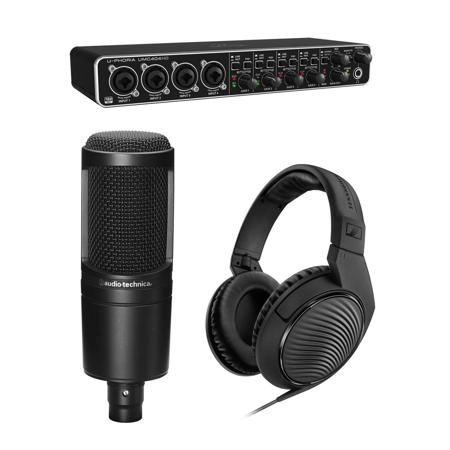
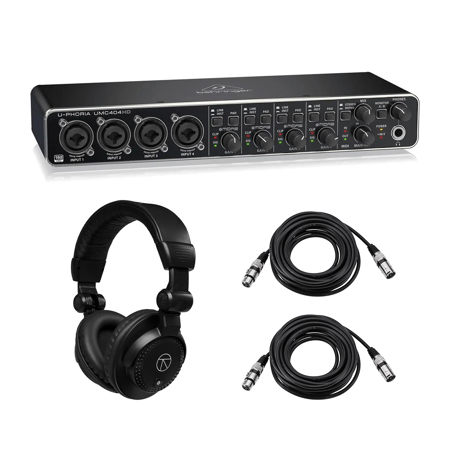
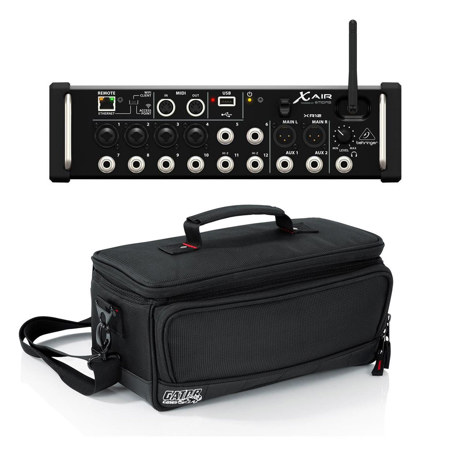
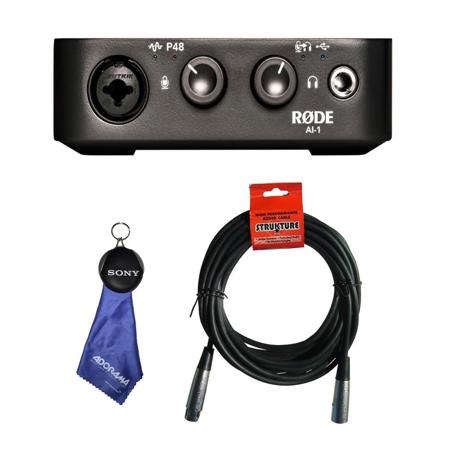
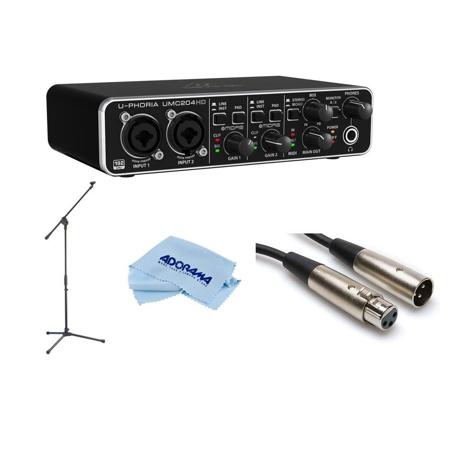
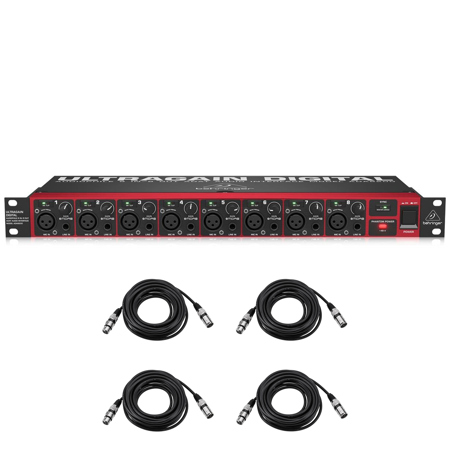
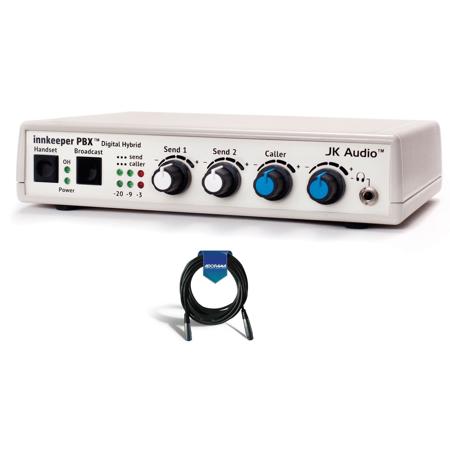
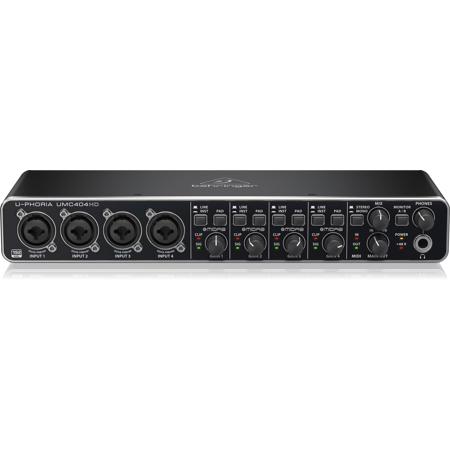
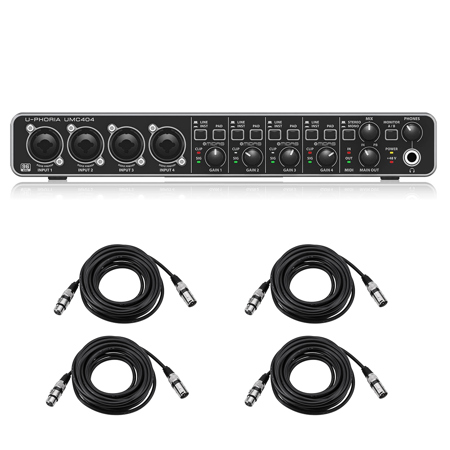
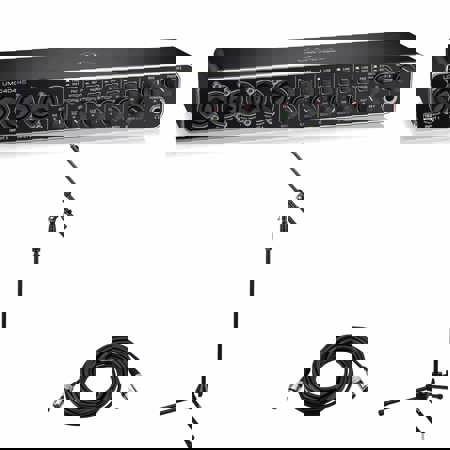
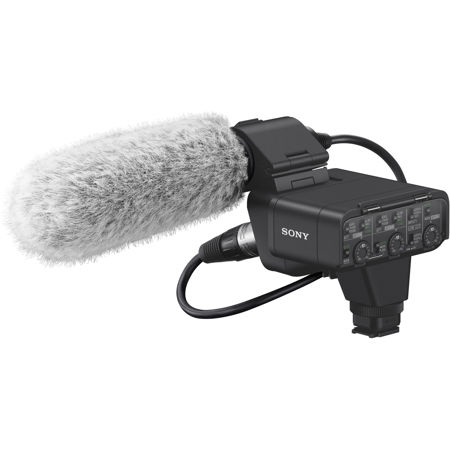
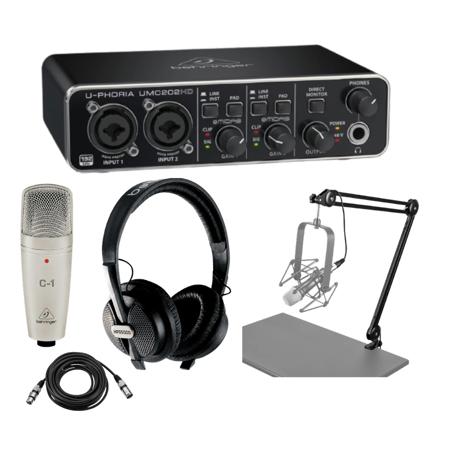
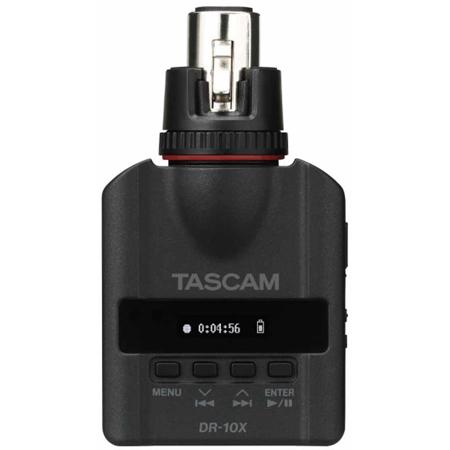
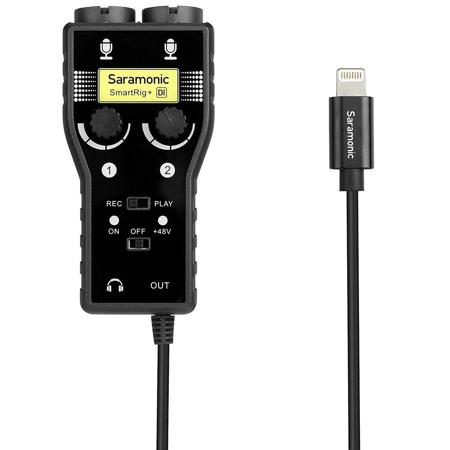
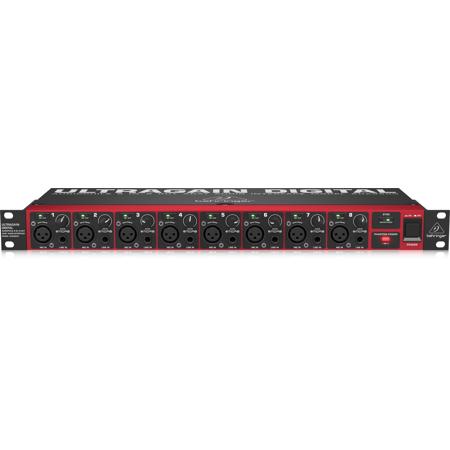
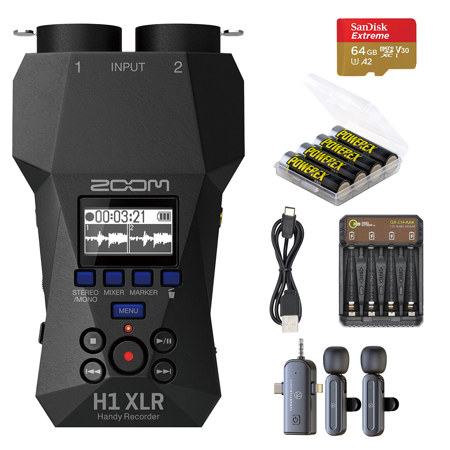
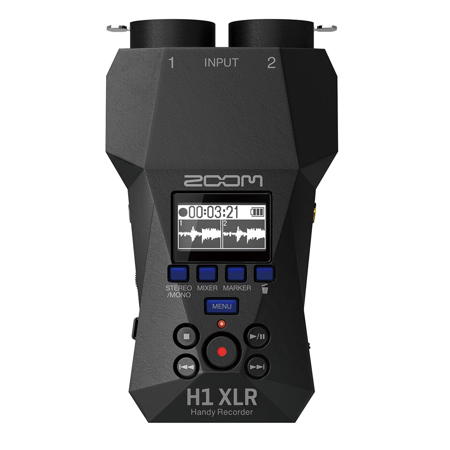
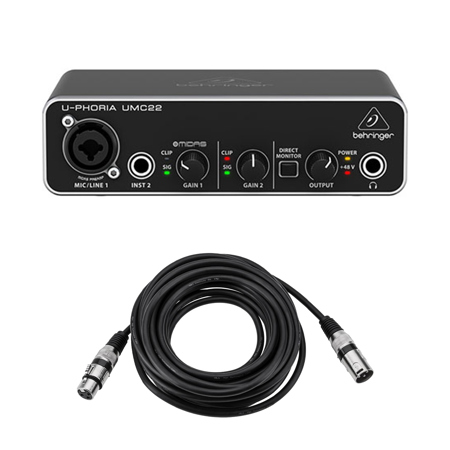
XLR interfaces have become essential tools for anyone looking to bridge the gap between professional audio equipment and modern digital workflows. Whether you’re a musician laying down tracks at home, a content creator building a podcasting studio, or a live streamer aiming to elevate your sound quality, these devices provide the backbone for high-fidelity recording and seamless integration with computers and DAWs. XLR interfaces are prized for their ability to deliver clean, low-noise audio thanks to built-in preamps and robust analog-to-digital conversion. Many models also offer phantom power, which is crucial for condenser microphones that require an extra voltage boost to capture vocals and instruments with clarity and nuance. As the weather shifts from the laid-back days of summer into the crisp energy of fall, creative projects often ramp up—making this an ideal time to invest in gear that supports both spontaneous inspiration and more structured sessions. For those gifting to a budding musician, a family member starting a podcast, or a friend diving into content creation, an XLR interface is a thoughtful choice that opens up a world of creative possibilities.
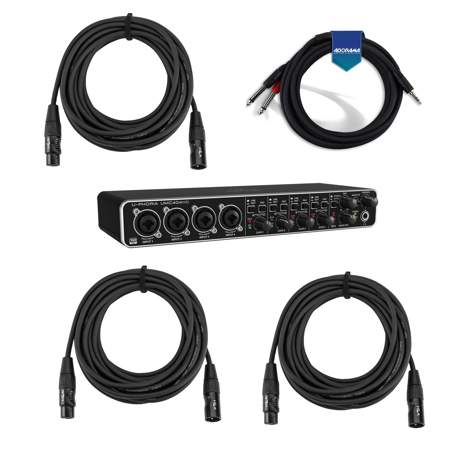
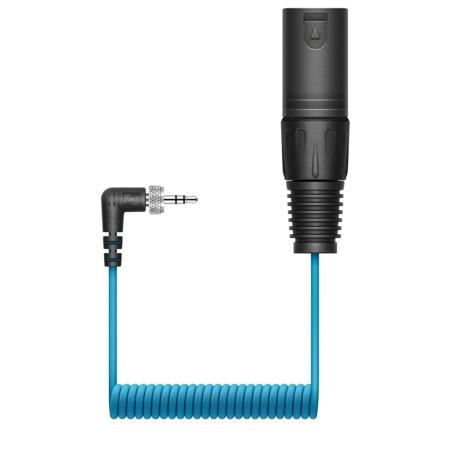
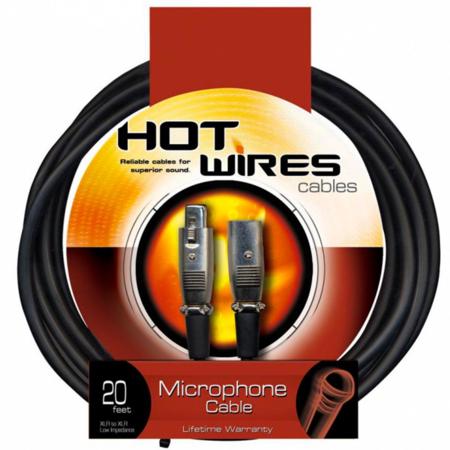
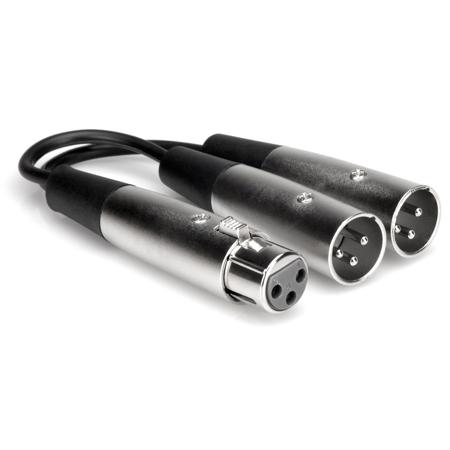
When considering which XLR interface best fits your needs, think about how many microphones or instruments you’ll want to connect at once, the type of connectivity your computer supports, and the environments where you’ll be recording. Solo artists or voiceover professionals might prefer compact, single-input models that slip easily into a backpack for mobile sessions or remote interviews. Bands, audio engineers, or those capturing group discussions often benefit from multi-channel interfaces with flexible routing and monitoring options. Look for features like direct monitoring, MIDI integration, and durable build quality—these details can make a real difference during long recording days or when moving between home, studio, and live venues. Seasonal shifts often bring new routines and opportunities: as gatherings move indoors or creative projects pick up momentum, reliable audio gear becomes even more valuable. For those building or upgrading their setup, attention to detail matters, right down to the cables and connectors that keep everything running smoothly. If you’re assembling a complete system, don’t overlook the importance of quality XLR Female Connectors for secure, noise-free connections between your microphones and interface.
XLR interfaces aren’t just for professionals—they’re accessible enough for hobbyists and students, yet robust enough to meet the demands of seasoned engineers and performers. Their versatility makes them a staple in home studios, classrooms, rehearsal spaces, and on-the-go rigs. As the pace of life shifts with the seasons, having an XLR interface on hand means you’re always ready to capture ideas, collaborate with others, or share your voice with the world. Whether you’re tracking an acoustic set as the sun sets on a warm evening, recording narration for a fall documentary, or streaming a live performance to a global audience, the right interface ensures your sound is crisp, clear, and true to your vision. With thoughtful selection and a few key accessories, you can build an audio setup that supports your ambitions—today and as your creative journey evolves.
When considering which XLR interface best fits your needs, think about how many microphones or instruments you’ll want to connect at once, the type of connectivity your computer supports, and the environments where you’ll be recording. Solo artists or voiceover professionals might prefer compact, single-input models that slip easily into a backpack for mobile sessions or remote interviews. Bands, audio engineers, or those capturing group discussions often benefit from multi-channel interfaces with flexible routing and monitoring options. Look for features like direct monitoring, MIDI integration, and durable build quality—these details can make a real difference during long recording days or when moving between home, studio, and live venues. Seasonal shifts often bring new routines and opportunities: as gatherings move indoors or creative projects pick up momentum, reliable audio gear becomes even more valuable. For those building or upgrading their setup, attention to detail matters, right down to the cables and connectors that keep everything running smoothly. If you’re assembling a complete system, don’t overlook the importance of quality XLR Female Connectors for secure, noise-free connections between your microphones and interface.
XLR interfaces aren’t just for professionals—they’re accessible enough for hobbyists and students, yet robust enough to meet the demands of seasoned engineers and performers. Their versatility makes them a staple in home studios, classrooms, rehearsal spaces, and on-the-go rigs. As the pace of life shifts with the seasons, having an XLR interface on hand means you’re always ready to capture ideas, collaborate with others, or share your voice with the world. Whether you’re tracking an acoustic set as the sun sets on a warm evening, recording narration for a fall documentary, or streaming a live performance to a global audience, the right interface ensures your sound is crisp, clear, and true to your vision. With thoughtful selection and a few key accessories, you can build an audio setup that supports your ambitions—today and as your creative journey evolves.