Xlr Trs Inputs
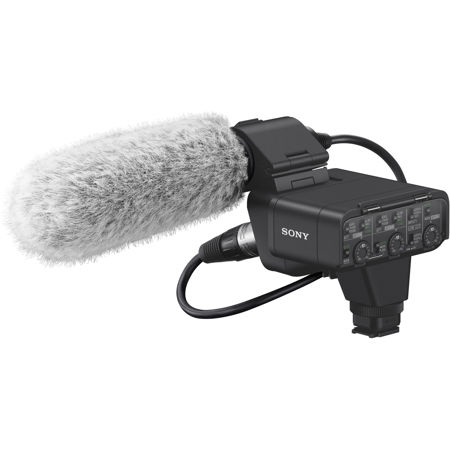
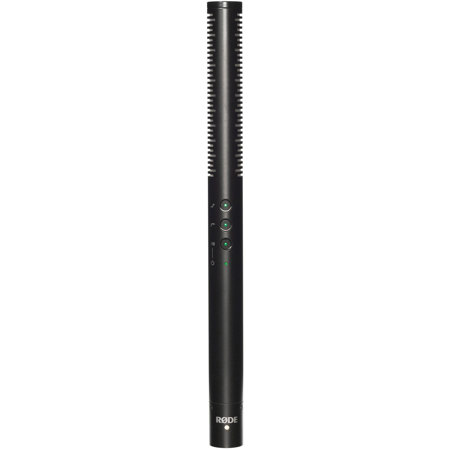
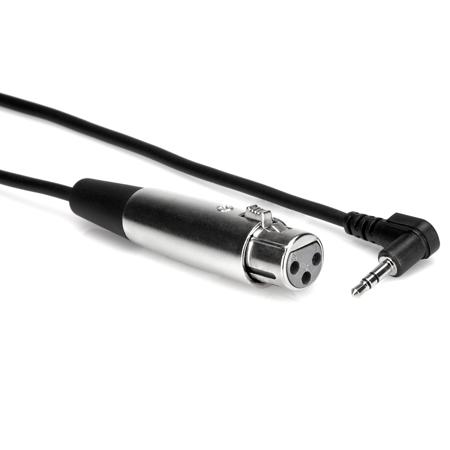
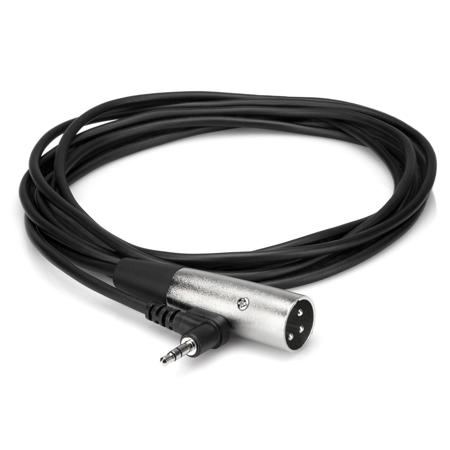
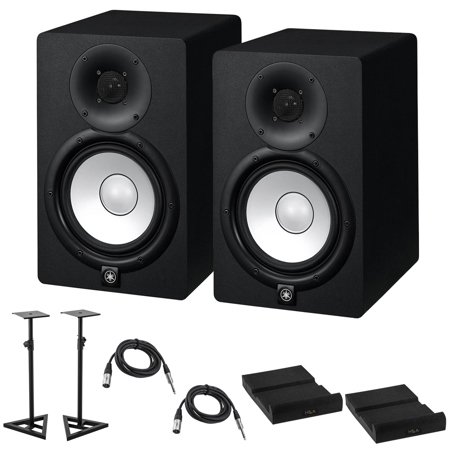
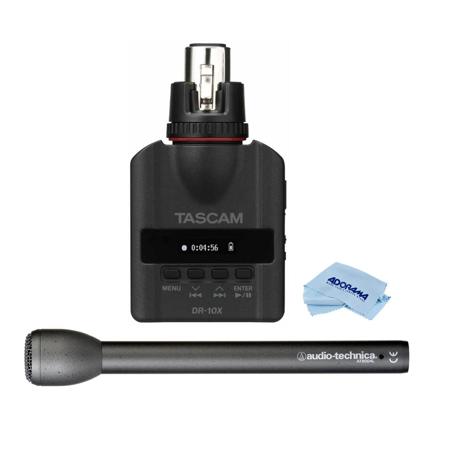
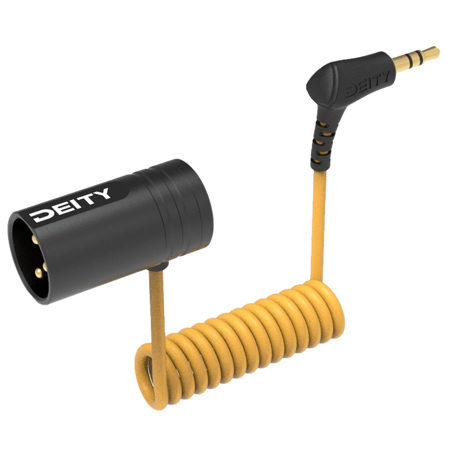
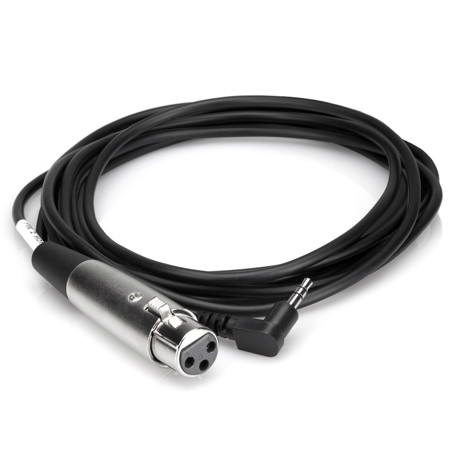
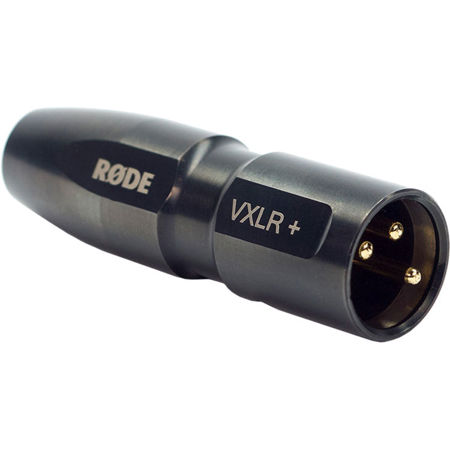
When it comes to building a reliable audio setup for home studios, live sound, podcasting, or professional recording environments, the importance of XLR/TRS inputs cannot be overstated. These versatile connections provide the foundation for transmitting balanced audio signals, which helps to minimize unwanted noise and interference—an absolute necessity whether you’re tracking vocals in a sunlit home studio or mixing a live band at an outdoor festival as the weather warms. XLR inputs are a mainstay for microphones, offering a secure locking mechanism that prevents accidental disconnection, while TRS (Tip-Ring-Sleeve) inputs are commonly found on mixers, audio interfaces, and studio monitors, maximizing space without sacrificing audio quality. The ability to seamlessly integrate both XLR and TRS connections in a single device or cable means you can connect a variety of gear, from patching analog mixing consoles to outboard processors, to routing signals from an audio interface to powered monitors. This flexibility is especially appreciated by audio engineers, musicians, content creators, and anyone who values a clean, professional signal chain. For those who are just starting to explore audio production or are upgrading their setup for summer recording projects or fall performances, understanding the role of XLR/TRS inputs is crucial for making informed choices.
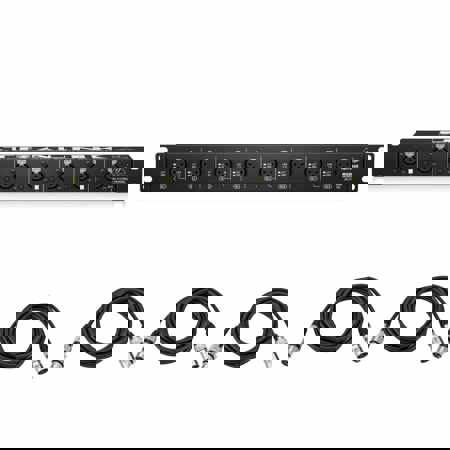
Selecting products featuring XLR/TRS inputs requires careful consideration of your specific needs and the types of equipment you plan to use. For solo podcasters or small recording setups, a compact audio interface with both XLR and TRS inputs offers the flexibility to connect microphones, instruments, and line-level devices without the need for multiple adapters or converters. In larger studio environments or live sound rigs, mixers and patchbays with multiple XLR input options allow for easy expansion and reconfiguration as your needs evolve—ideal for capturing everything from intimate acoustic sessions on a breezy patio to full bands in bustling venues as the season shifts. Balanced connections provided by XLR and TRS inputs are particularly valuable when running long cables, as they effectively reject electromagnetic and radio frequency interference, ensuring that your audio remains pristine regardless of the environment. These products also make thoughtful gifts for aspiring musicians, audio students, or anyone setting up their first home studio, providing them with the quality and reliability needed to pursue their creative projects with confidence. Whether you’re capturing the subtle nuances of a singer-songwriter’s performance or ensuring clear communication during a corporate webcast, the right combination of XLR and TRS inputs can make all the difference in the final result.
As you browse through the selection of products featuring XLR/TRS inputs, consider how these connections will fit into your workflow and enhance your creative possibilities. If you’re looking to expand your setup even further, explore dedicated XLR Interfaces for even greater compatibility and control. From recording crisp vocals in the comfort of your home studio to managing complex signal routing at a bustling live event, products with XLR and TRS input options offer the adaptability and reliability that professionals and enthusiasts alike rely on. This season, as projects move from indoor practice sessions to outdoor performances or collaborative jam sessions with friends, having equipment equipped with XLR/TRS inputs ensures that your sound stays as clear and vibrant as your creative vision.
Selecting products featuring XLR/TRS inputs requires careful consideration of your specific needs and the types of equipment you plan to use. For solo podcasters or small recording setups, a compact audio interface with both XLR and TRS inputs offers the flexibility to connect microphones, instruments, and line-level devices without the need for multiple adapters or converters. In larger studio environments or live sound rigs, mixers and patchbays with multiple XLR input options allow for easy expansion and reconfiguration as your needs evolve—ideal for capturing everything from intimate acoustic sessions on a breezy patio to full bands in bustling venues as the season shifts. Balanced connections provided by XLR and TRS inputs are particularly valuable when running long cables, as they effectively reject electromagnetic and radio frequency interference, ensuring that your audio remains pristine regardless of the environment. These products also make thoughtful gifts for aspiring musicians, audio students, or anyone setting up their first home studio, providing them with the quality and reliability needed to pursue their creative projects with confidence. Whether you’re capturing the subtle nuances of a singer-songwriter’s performance or ensuring clear communication during a corporate webcast, the right combination of XLR and TRS inputs can make all the difference in the final result.
As you browse through the selection of products featuring XLR/TRS inputs, consider how these connections will fit into your workflow and enhance your creative possibilities. If you’re looking to expand your setup even further, explore dedicated XLR Interfaces for even greater compatibility and control. From recording crisp vocals in the comfort of your home studio to managing complex signal routing at a bustling live event, products with XLR and TRS input options offer the adaptability and reliability that professionals and enthusiasts alike rely on. This season, as projects move from indoor practice sessions to outdoor performances or collaborative jam sessions with friends, having equipment equipped with XLR/TRS inputs ensures that your sound stays as clear and vibrant as your creative vision.