
XLR Microphone For Studio Quality
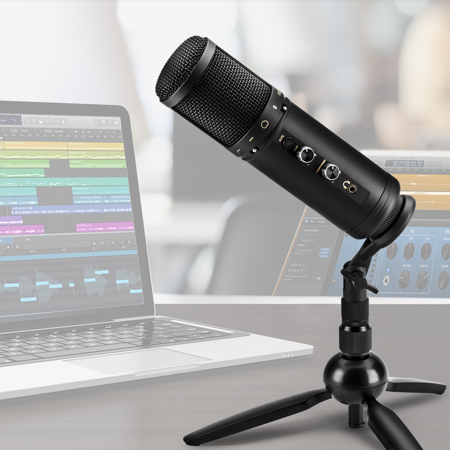
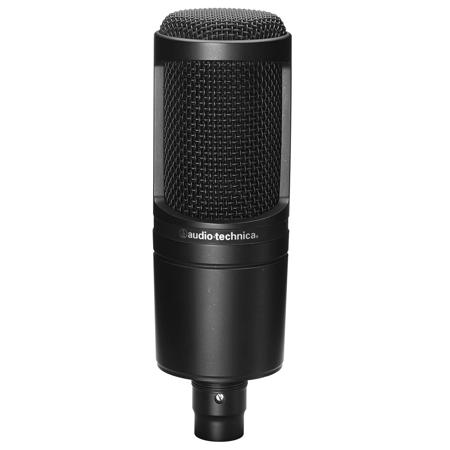
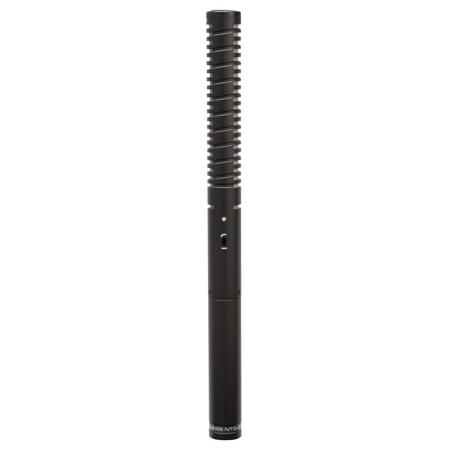
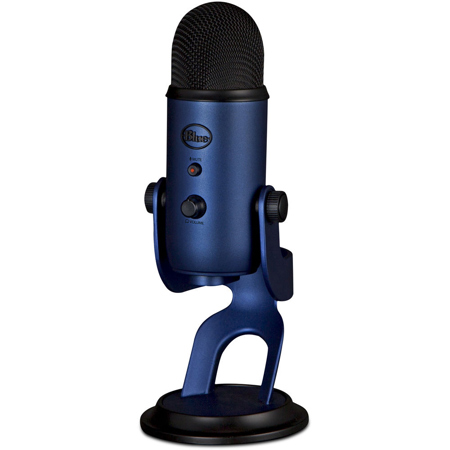
Studio-quality XLR microphones are the preferred choice for anyone seeking to capture sound with exceptional clarity, depth, and nuance. Unlike USB microphones that plug directly into a computer, XLR mics connect via a balanced cable to an external audio interface or mixer, which supplies the necessary phantom power and preamplification for professional-grade results. This setup bypasses the limitations of built-in sound cards, preserving the full, uncompressed detail of your performance—whether it’s a vocal take, acoustic instrument session, podcast, or voiceover. The robust design of XLR microphones, often featuring large-diaphragm condenser or dynamic capsules, allows them to handle everything from the subtlety of a whispered lyric to the force of a drum kit or guitar amplifier. This versatility makes XLR mics a staple in both commercial studios and home recording spaces, especially during the creative bursts that come with longer daylight hours or the reflective, focused energy that often arrives as the weather cools.
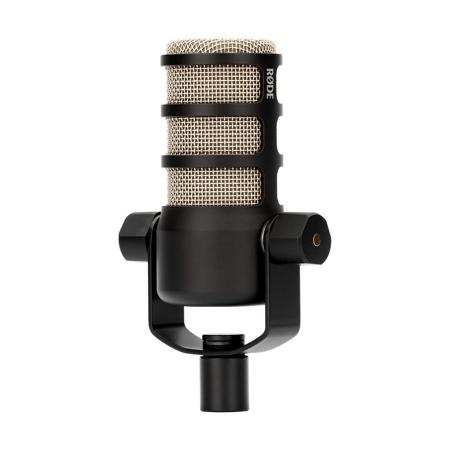
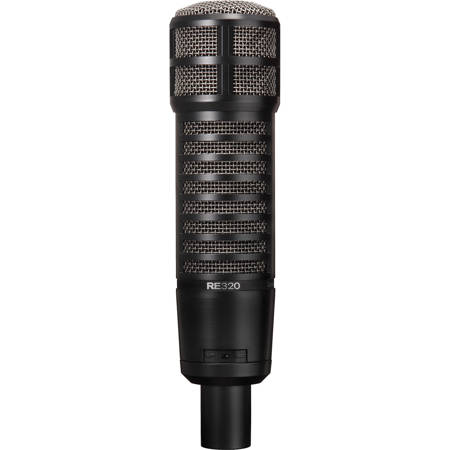
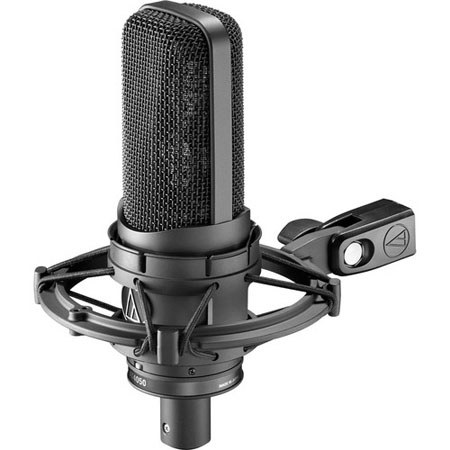
Choosing the right XLR microphone involves considering your recording environment, the type of sound source, and your workflow. For vocalists and voiceover artists, a condenser microphone with ultra-low self-noise and a smooth, extended frequency response can bring out the warmth and detail in every phrase, capturing the emotion behind each word. Musicians recording acoustic instruments or amplifiers will benefit from a mic that can handle high sound pressure levels without distortion, ensuring every nuance is faithfully reproduced. Podcasters, streamers, and broadcasters often gravitate toward dynamic XLR microphones, which offer excellent off-axis noise rejection—a real advantage in untreated rooms or bustling home studios. Many content creators find that investing in a quality XLR microphone is a transformative step, elevating the professionalism of their projects and providing a reliable tool for years of creative work. These microphones also make thoughtful gifts for aspiring musicians, audio engineers, and storytellers, especially as people look to upgrade their gear during the back-to-school season or prepare for a busy fall of content creation.
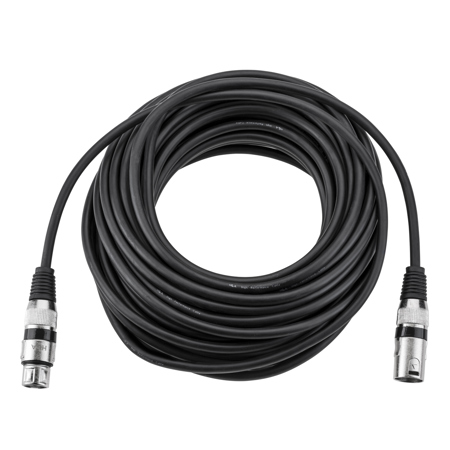
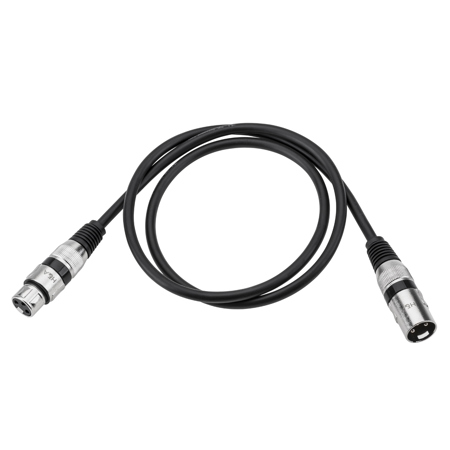
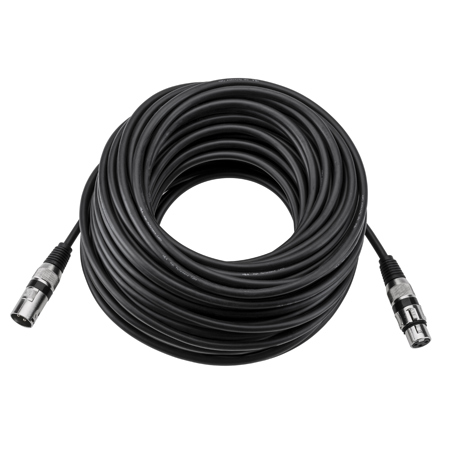
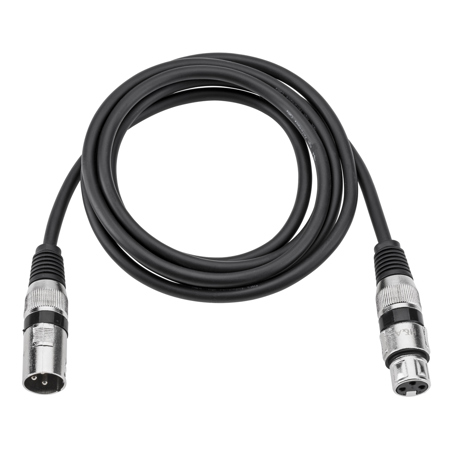
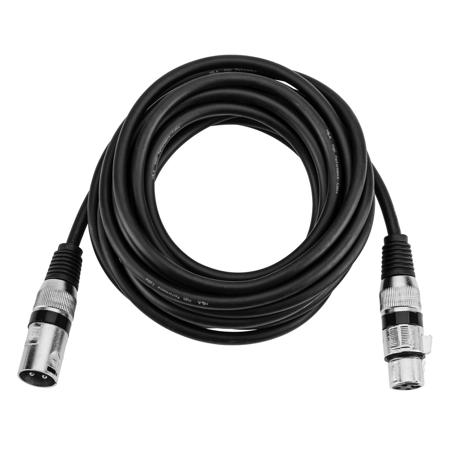
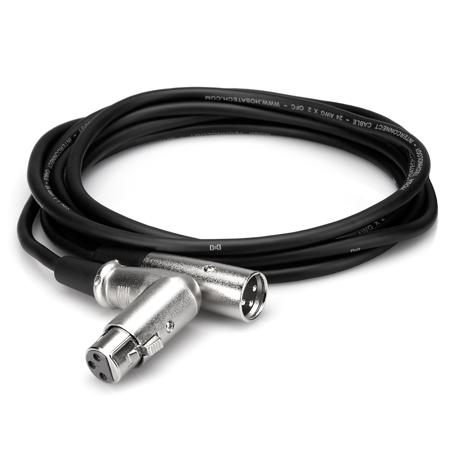
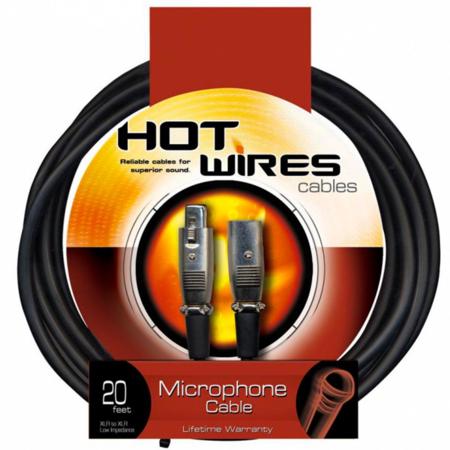
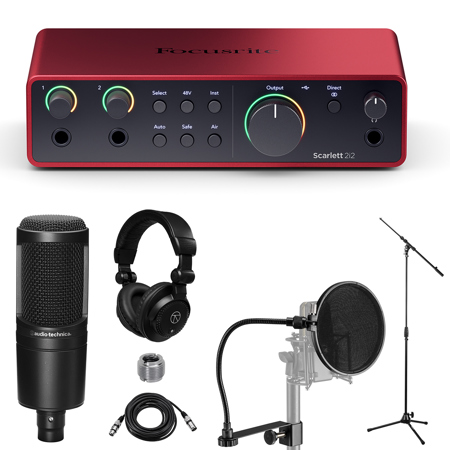
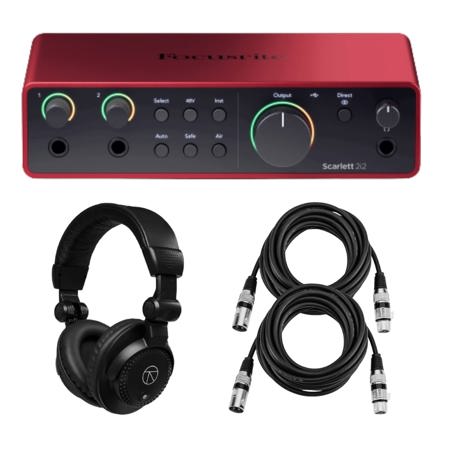
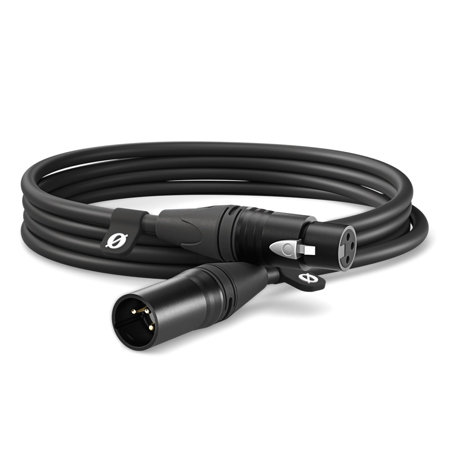
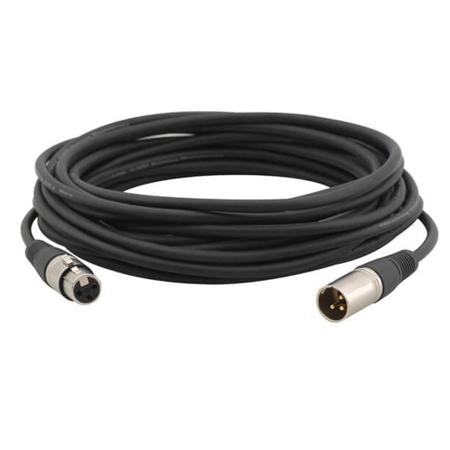
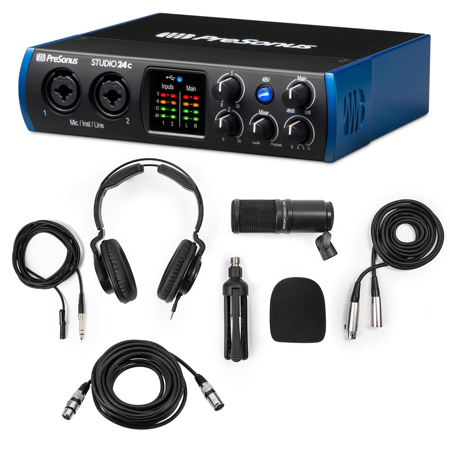
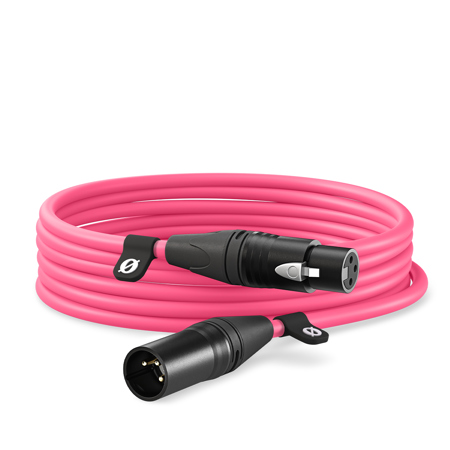
When setting up a studio-quality XLR microphone, it’s important to pair it with essential accessories for optimal performance. An audio interface acts as the bridge between your microphone and computer, delivering clean gain and phantom power while ensuring a transparent signal path. High-quality XLR cables are crucial for maintaining signal integrity, and a sturdy mic stand or boom arm helps isolate the microphone from desk vibrations and accidental bumps. Adding a shock mount and pop filter can further enhance your recordings by minimizing unwanted noise and plosives. As you refine your setup—whether you’re laying down tracks for a new album, capturing the intimacy of a spoken-word performance, or hosting a roundtable podcast—these details make all the difference in achieving a polished, professional sound. If your focus is on spoken word, interviews, or streaming, you may want to explore our dedicated guide to finding the ideal XLR Microphone For Podcasting, where you’ll find more tailored recommendations for broadcast-ready audio. With the right XLR microphone and supporting gear, your recordings can reach a new level of fidelity and impact, no matter where your creative journey takes you through the changing seasons.
Choosing the right XLR microphone involves considering your recording environment, the type of sound source, and your workflow. For vocalists and voiceover artists, a condenser microphone with ultra-low self-noise and a smooth, extended frequency response can bring out the warmth and detail in every phrase, capturing the emotion behind each word. Musicians recording acoustic instruments or amplifiers will benefit from a mic that can handle high sound pressure levels without distortion, ensuring every nuance is faithfully reproduced. Podcasters, streamers, and broadcasters often gravitate toward dynamic XLR microphones, which offer excellent off-axis noise rejection—a real advantage in untreated rooms or bustling home studios. Many content creators find that investing in a quality XLR microphone is a transformative step, elevating the professionalism of their projects and providing a reliable tool for years of creative work. These microphones also make thoughtful gifts for aspiring musicians, audio engineers, and storytellers, especially as people look to upgrade their gear during the back-to-school season or prepare for a busy fall of content creation.
When setting up a studio-quality XLR microphone, it’s important to pair it with essential accessories for optimal performance. An audio interface acts as the bridge between your microphone and computer, delivering clean gain and phantom power while ensuring a transparent signal path. High-quality XLR cables are crucial for maintaining signal integrity, and a sturdy mic stand or boom arm helps isolate the microphone from desk vibrations and accidental bumps. Adding a shock mount and pop filter can further enhance your recordings by minimizing unwanted noise and plosives. As you refine your setup—whether you’re laying down tracks for a new album, capturing the intimacy of a spoken-word performance, or hosting a roundtable podcast—these details make all the difference in achieving a polished, professional sound. If your focus is on spoken word, interviews, or streaming, you may want to explore our dedicated guide to finding the ideal XLR Microphone For Podcasting, where you’ll find more tailored recommendations for broadcast-ready audio. With the right XLR microphone and supporting gear, your recordings can reach a new level of fidelity and impact, no matter where your creative journey takes you through the changing seasons.