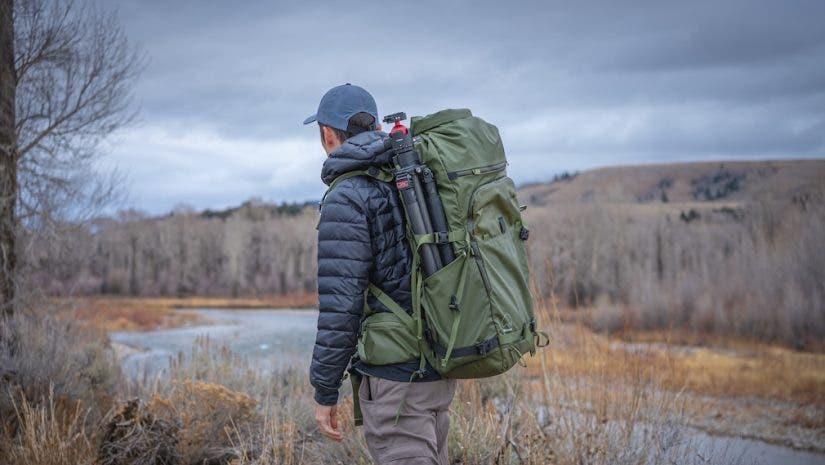
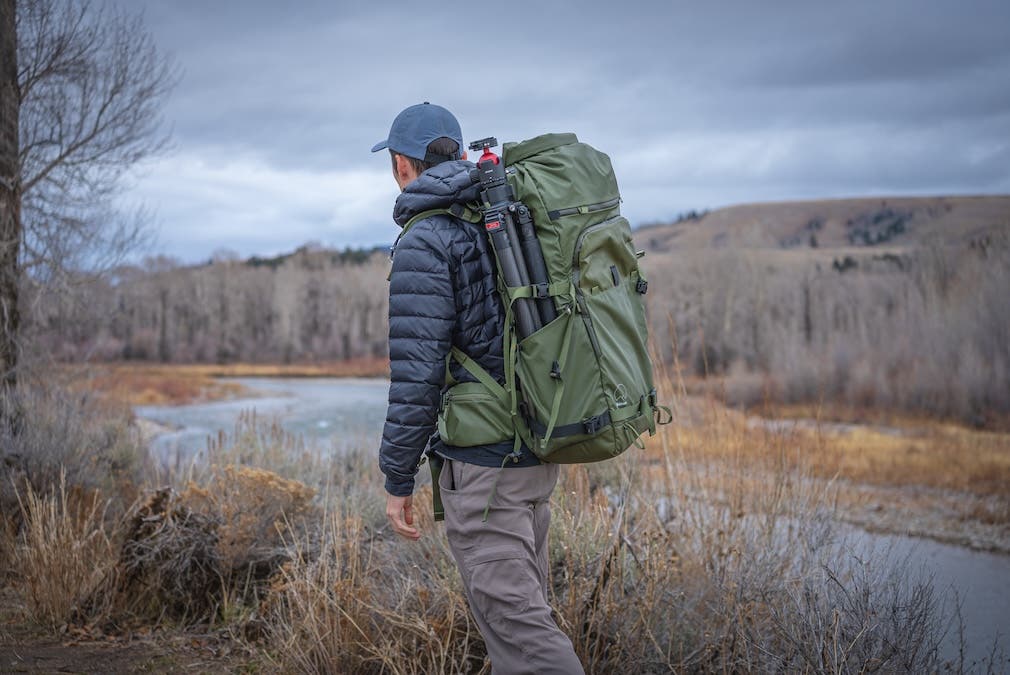
November in Wyoming’s Grand Teton National Park represents the beginning of the slow season. Nearly a million visitors a month in the summer quickly turn to less than 50,000 visitors as the year comes to a close. And while the weather may not be as enjoyable, the lack of people—and the abundance of wildlife—makes November one of my favorite times to visit the park.
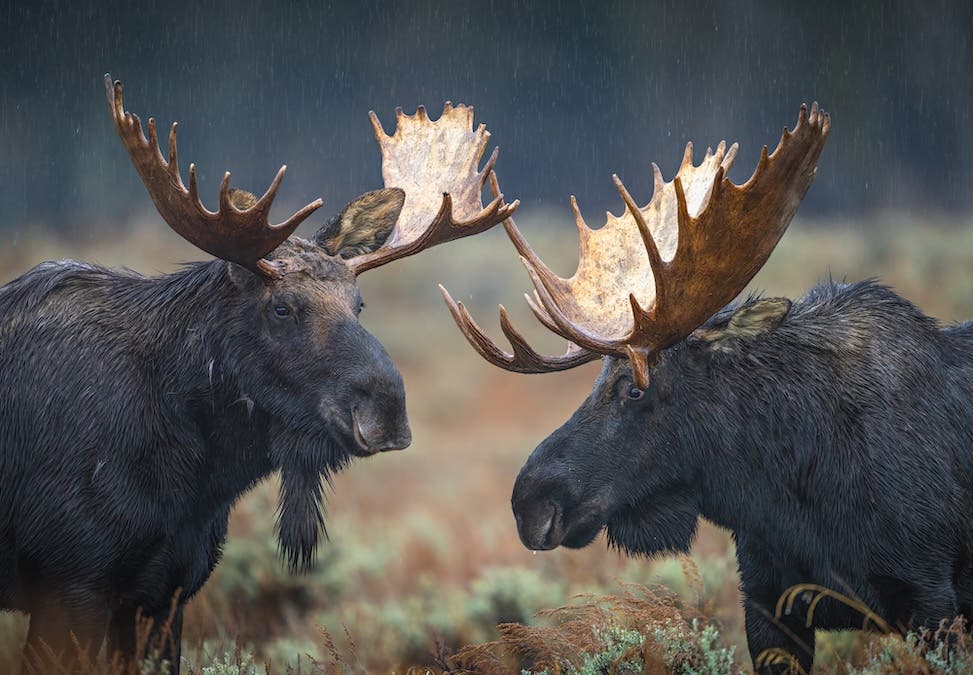
This year, I set out in mid-November to photograph one of my favorite subjects: bull moose in the flats. During the summer months, moose typically lie low in the forest as their antlers continue to grow. In the fall, they come out of the woods and meet together in the sagebrush flats. They spar to prove dominance and attract a female to mate. This provides an amazing photographic opportunity as you can capture the interaction between animals. Also, you get to spot massive bull moose with fully grown antlers.
Rock-Solid Performance in Low Light

A November trip typically means snow in Grand Teton National Park, but this year’s warm weather had other plans. Warmer days led to rain instead of snow, and mostly cloudy skies provided an excellent softbox for photography. Although, dark clouds meant that low-light conditions were present at all times. Luckily, I got the chance to test out the 3Pod Everest T5 Tripod. It allowed me to slow down my shutter speed to capture more light. Consequently, I got higher-quality images than if I had shot handheld at a higher ISO and faster shutter speed.
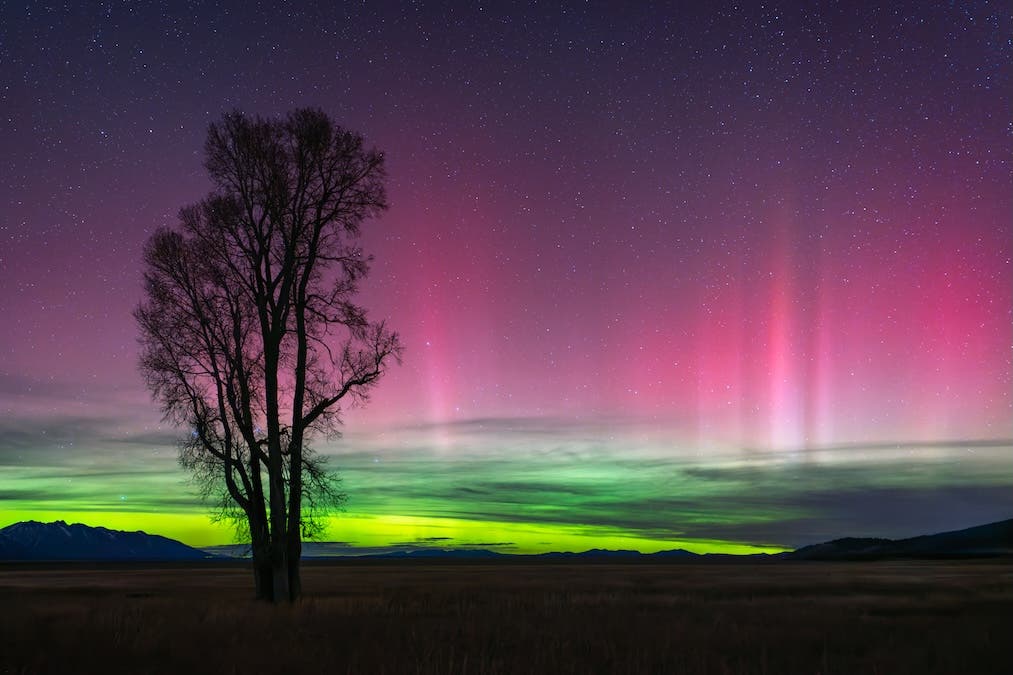
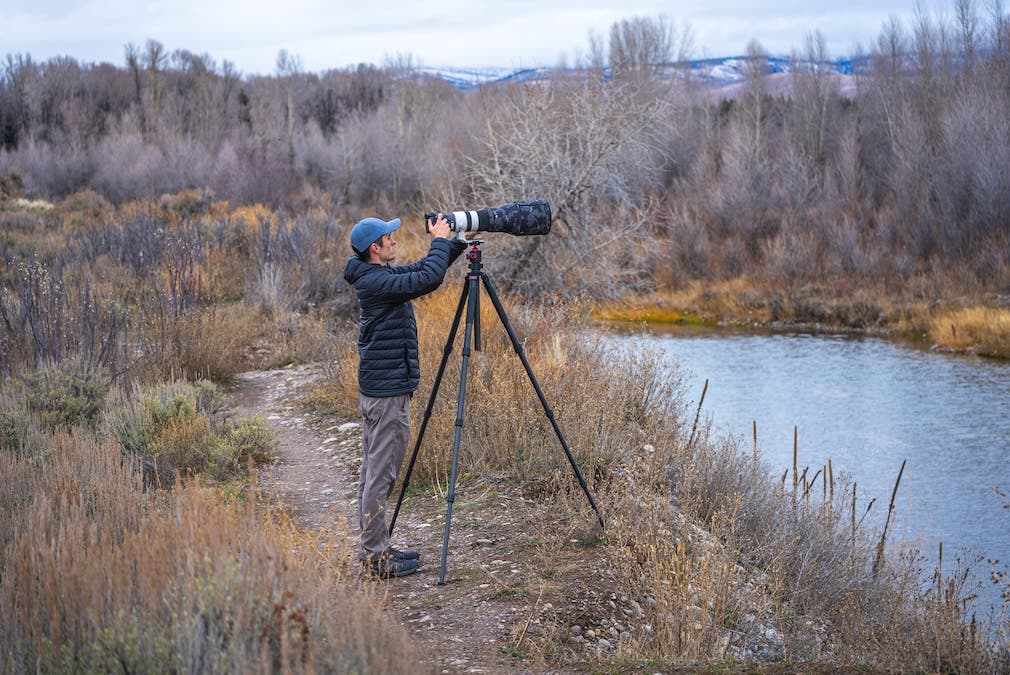
I’ll admit, I was skeptical at first that this tripod would be able to stabilize my massive wildlife lens. Camera and lens combined, my whole setup was just over 10 pounds. That’s a huge ask for a tripod and standard ballhead. But the stability of this tripod was one of the most obvious features that really stood out to me. To be honest with you, I’m not the photographer who perfectly levels their tripod each time they set it up. Wildlife moves quickly, and oftentimes you don’t have time to ensure ideal setup conditions.
Oftentimes, I’d find myself throwing the tripod down as promptly as possible and adjusting the ballhead to capture fleeting moments. The ballhead proved invaluable for making split-second adjustments to compositions to capture the best frames. Even in times where the tripod was clearly not level, the stability was never in question. For the times when I shot landscapes, I was more than comfortable letting my camera sit hands-free. Yep, even during a windy afternoon.
Built for Speed and Versatility
There were even a few situations where it was advantageous to get lower or higher than eye level. I think shooting photos at true eye-level is usually not going to provide the most flattering angle of your subject. On a rainy morning, I followed two bull moose through fields of sagebrush. I shot low to the ground to get an animal-level view of these majestic creatures. There, the foliage helped conceal some of the scene’s imperfections.
What went from a friendly walk through the meadows quickly turned into a sparring matchup between two large bull moose. And of course, they were right behind a bush. I quickly pivoted and raised the 3Pod Everest T5 to its maximum height of 6.5 feet. This gave me more than enough height to see over the bush, revealing a perfect scene before me. Adjusting the tripod between shooting around 2.5 feet high and shooting at 6.5 feet only took seconds. That detail was crucial to be able to grab the shot in time.
As a landscape and wildlife photographer, I’m constantly traveling, and space and weight come at a premium. One of my favorite things about the 3Pod Everest T5 was its high versatility in different shooting situations.
There were a few times when I had to hike to find the animals. I wanted to shave every ounce of weight I could. In these instances, I removed the center column from the tripod. Other times, when I knew the wildlife or landscapes would be close to my vehicle, I used both the center column and the leveling base to give me maximum versatility in the field. Even with all of the accessories, the tripod can easily fit in a water bottle pouch on most average-sized camera bags, meaning you don’t need to carry the tripod yourself.
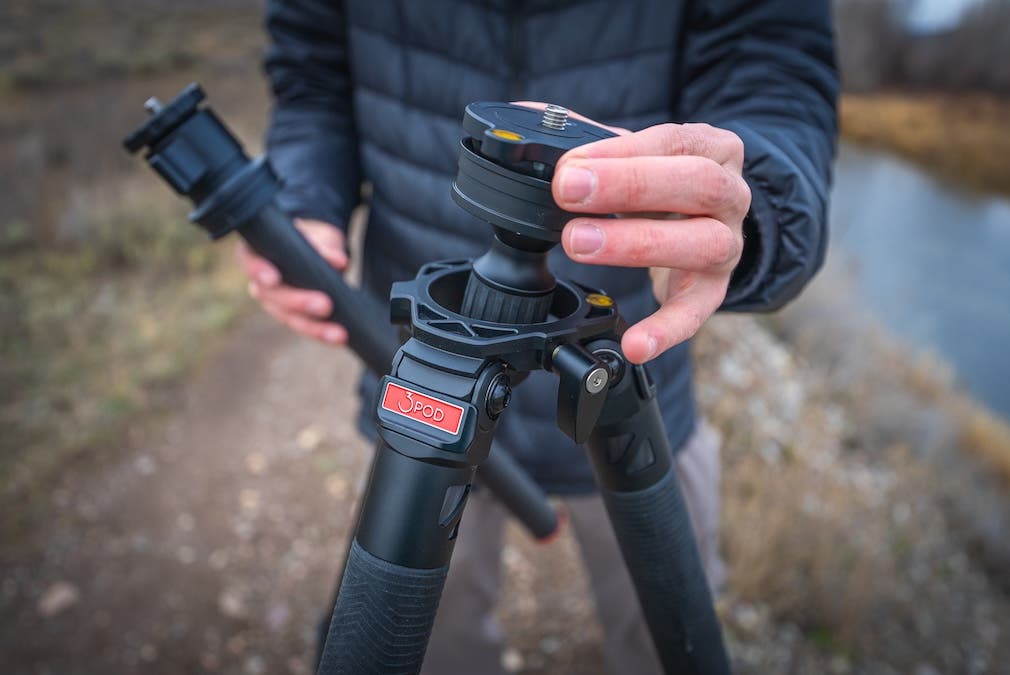
Verdict: The 3Pod Everest T5 Tripod is a winter essential.
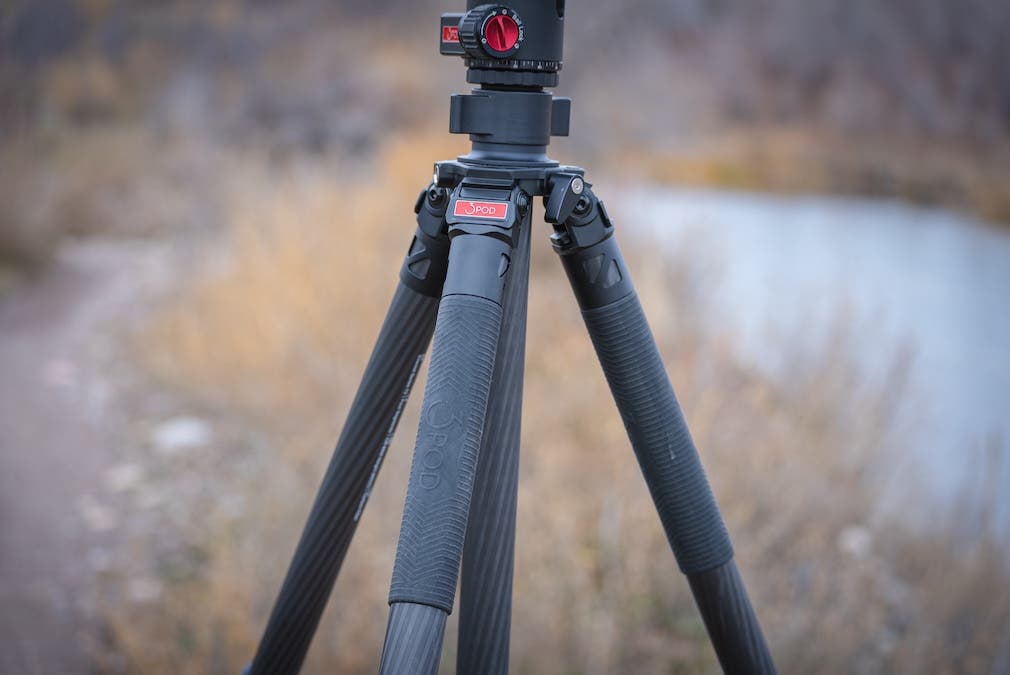
Finally, the Everest T5 was equipped with one feature that you don’t typically see on most high-end tripods, but it’s a lifesaver for photographers shooting in the cold. Two of the three legs have a rubber wrap on the top, making it much better for cold-weather carrying. It sounds silly, but carrying a carbon fiber tripod in colder weather will instantly freeze up your hands, so having the wrap helps your hands to stay warm. This proved advantageous on just about every morning of the trip, and one that you will certainly like if you ever shoot in the cold.
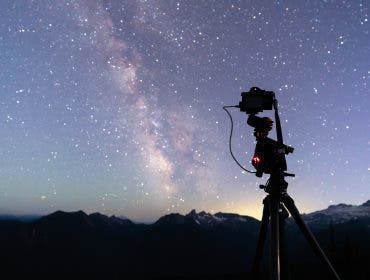
For landscapes and wildlife photography, a tripod is a must if you want to produce the highest quality images with the least amount of noise. On this trip in particular, the tripod allowed me to extend the shutter speed slower than I would be able to reliably handhold, meaning I could keep my ISO lower and, in turn, capture more detail in my images.
The 3Pod Everest T5 is a well-built tripod that can support a ton of weight, and the ballhead is well-designed and easy to adjust quickly to ensure you don’t miss the moment. If you’re looking for a tripod that is a little smaller and more travel-friendly, consider checking out the 3Pod Trek Series Carbon Fiber Tripod, which offers a slightly smaller alternative to its big brother, the Everest T5. Either way, you can’t go wrong with a 3Pod tripod — extremely well built, long-lasting, and a true pleasure to use.