Photography can be the most fulfilling thing in the world, until it’s not. Until you’re searching up photography tips or wondering why your photos feel flat, why you’re not improving, or why everyone else seems to be out there making magic while you’re stuck in a creative fog.
If that sounds familiar, don’t worry. You’re not broken, you’re just a photographer going through the same cycle every creative person goes through. You just need a bit of a reset.
Here are seven steps that helped me fix my photography and find my spark again.
Photography Tip #1: Figure Out What You Actually Want to Shoot

This sounds like a simple photography tip, but it’s probably the biggest reason most photographers lose their way. So much of how we shoot now is influenced by what we see online. Social media is great for inspiration, but it’s also a trap. You see a certain style taking off and suddenly you’re trying to recreate it. Before you know it, you’ve lost your own photographic identity and you’re wondering why your work feels hollow.
Here’s the question that changed everything for me:
What would you shoot if no one ever saw your work?
Seriously, think about it. If likes and followers didn’t exist, what would you point your camera at? The answer will tell you a lot about who you actually are as a photographer.
When you figure that out, shooting stops feeling like a job or a chore. It becomes something that reflects who you are, not who the internet wants you to be. That’s when photography becomes fulfilling again.
Photography Tip #2: Stop Overcomplicating Everything
We all do this. We tell ourselves we can’t take great photos until we buy a better camera, or a sharper lens, or more expensive lighting. We see our favourite photographers using all this gear and assume the complexity is the secret sauce.
But most of the time, it’s not.
Photography, at its core, is simple. It’s light, composition, and timing. The rest is just garnish. Sure, there’s always more to learn, but it’s a process, not a test you can ace and move on from.
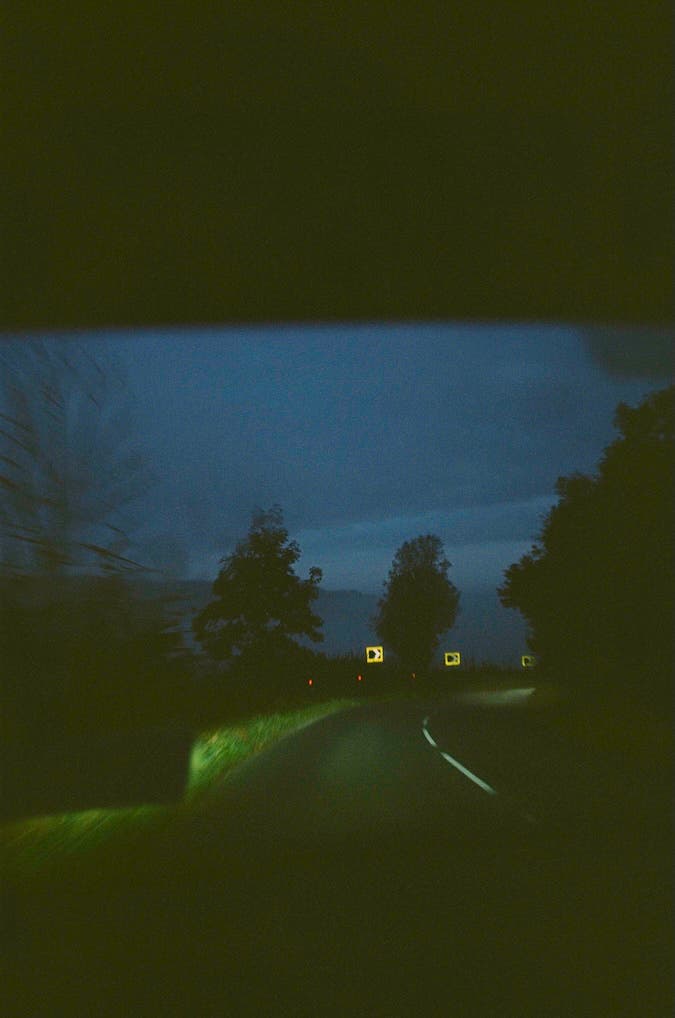
You don’t get better at photography by waiting for the perfect setup. You get better by shooting. Constantly. Bad lighting? Shoot. Boring subject? Shoot anyway. The more you shoot, the faster you start understanding what actually matters and what doesn’t.
The best photographers in the world didn’t start that way. They just stayed curious long enough to figure things out.
Photography Tip #3: Spend Less Time on Social Media
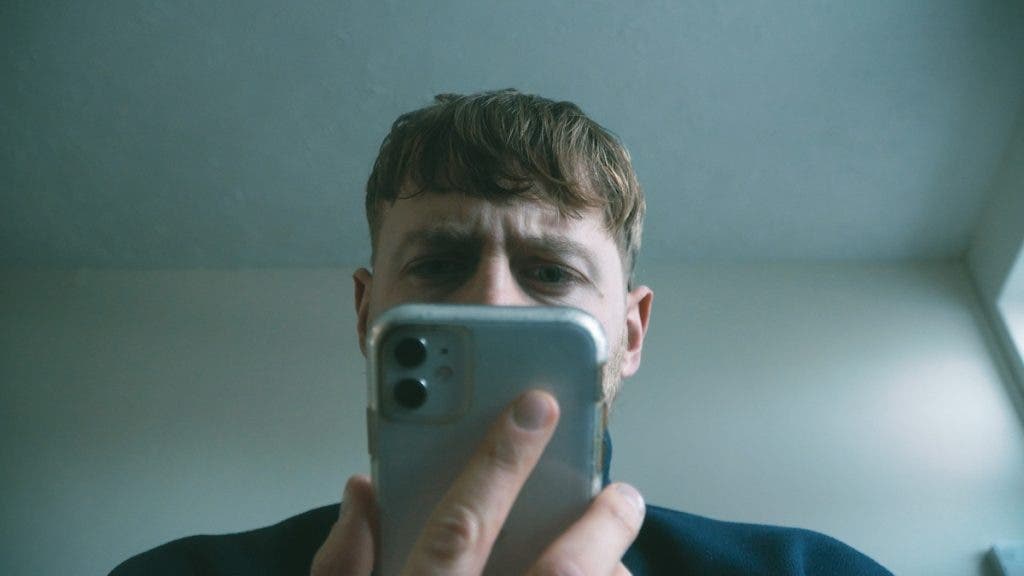
This one hurts a little because, let’s be honest, we’ve all spent far too long scrolling through feeds, comparing our work to everyone else’s highlight reel. Social media can make you feel like you’re constantly behind, like you’re not creating enough, not improving enough, not enough in general.
And while social media can be useful, it’s not where creativity thrives.
My advice? Take a break. Delete the app if you can. Or at least limit it to posting your own work and checking out a few creators who genuinely inspire you.
If you spend less time scrolling, you’ll start to find time for something way more valuable, actually looking at photography.
Pick up a photobook. Go to an exhibition. Dive into a photographer’s portfolio without any distractions like follower counts or engagement stats. You’ll start to see work for what it is, not how it performs. You’ll develop your own taste and that’s one of the most powerful tools you can have as a photographer.
Photography Tip #4: Get Real Feedback from Real Photographers
We all crave validation, it’s natural. But there’s a huge difference between “Nice shot!” comments online and real feedback from people who know what they’re talking about.
A few years ago, I met an older photographer who sat down with me and properly critiqued my work. He didn’t sugarcoat anything, but he also shared insights that stuck with me for years. That kind of honest feedback changed how I approached photography.
So if you can, seek out photographers you respect and ask for feedback. Not for praise, but for perspective. Be open to criticism, because that’s where real growth happens. It’ll make your photography better, and you’ll probably build some meaningful connections along the way.
Photography Tip #5: Make Real Connections

For some reason, photography can feel like a lonely pursuit. We wander around on our own, headphones in, camera ready, lost in our own little world. And while solitude can be good for creativity, too much of it can isolate you.
Meeting other photographers can completely change that. Go to exhibitions, join a photo walk, attend a workshop, or just hang around your local camera store or film lab. Talk to people. Ask questions. Share stories.
You’ll start to realise that everyone struggles with the same stuff you do, self-doubt, burnout, comparison. You’ll also learn new techniques, get new ideas, and maybe even make a few friends.
Real conversations beat online validation every time. Use social media as a bridge to real-world connection, not a replacement for it.
Photography Tip #6: Learn from People Who’ve Already Done It
When you’re trying to figure out your path in photography, it’s easy to feel lost. Maybe you want to become a documentary photographer, or publish a photo book, or make a living shooting weddings. Whatever it is, don’t try to reinvent the wheel, learn from people who’ve done it before.
When I first started, I had no idea what I was doing. I knew what kind of photos I wanted to make but had no clue how to get there. Over time, I realised the best thing I could do was study the people who had already walked that path. Read interviews, watch their behind-the-scenes content, study their projects, and try to understand how they think.
Photography Tip #7: Set Realistic Goals

Some photographers prefer to keep things completely open-ended, shooting purely for enjoyment. That’s perfectly fine. But if you’re someone who’s motivated by progress or structure, setting goals can help you stay focused and inspired.
The trick is to break those goals into manageable pieces.
Maybe your long-term goal is to make a living as a freelance photographer, a five-year plan, perhaps. If you divide that into smaller steps, like building a portfolio, reaching out to clients, or publishing a project every quarter, it suddenly feels achievable.
For example, instead of thinking, I want 100,000 followers someday, start with I want to reach 2,000 by the end of the year. Then break that into quarterly milestones. Smaller goals build momentum, and that momentum keeps you moving forward.
Realistic timelines also prevent burnout. When you understand that progress takes time, you’ll stop beating yourself up for not being where you want to be yet. You’ll be too busy improving to notice.
Final Thoughts
Photography doesn’t have to be complicated, stressful, or defined by what everyone else is doing. When you strip away the noise and focus on what truly matters, your curiosity, your community, your growth, you start to rediscover why you fell in love with it in the first place.
So take a breath. Pick up your camera. Reconnect with what drew you to photography and let that guide you forward.
Your work will thank you for it.