
Five Photography students from the Fashion Institute of Technology (FIT) took part in the Adorama and LUMIX photo challenge in Union Square, recently. They were equipped with nothing more than a boldly hued LUMIX S9 camera. And, of course, a lens. Their task? To capture the essence of New York City while experimenting with the entry-level, full-frame camera’s vivid color profiles and built-in LUTs.
The outing marked the first student-focused collaboration of its type between Adorama and LUMIX. It was an experience designed to spark creativity while giving emerging photographers hands-on access. Access to new tools, mentorship, and room to play. This was clear while talking to Adorama’s Key Accounts Marketing Manager, Keith McCord, and LUMIX’s Manager of Marketing, Ivonne Maldonado. Supported by Adorama’s Classroom Connect EDU program and LUMIX’s newly launched LUMIX EDU initiative, the challenge became a meeting point for new technology and education.
“Even more importantly,” adds FIT Adjunct Professor Curtis Willocks, who provided the photo talent, “is that these students now know there is support out there for them. And that’s what it’s all about in this industry, for these young photo students rising through the ranks to have access to community and networking.”
A New Kind of Classroom
“We’ve wanted to put the LUMIX S9 in the hands of students who are the future of the photography industry since its inception in 2024,” says LUMIX’s Maldonado. “Many photo students often start their schooling with a basic or older camera,” they remarked. This was a chance for these students to step up into the full-frame system and play with the Real Time LUTs, the full-frame lenses, and all the features that make the S9 such an intuitive entry point.”
Professor Willocks selected eight promising students from his classes—most were second-year photography majors, except for one who was a fine-art painting student, and another who was working as a nurse while also pursuing photography as a second career. The Adorama team reviewed the portfolios of all eight and from there selected five finalists whose work showed variety, promise, and strong creative instincts.
“Before the challenge,” adds Maldonado, “we held a one-hour tutorial—led by LUMIX expert Sean Robinson—to introduce the students to the S9’s key features, including Real Time LUTs. That way, they had enough familiarity to hit the ground running.”
The Three-Part Challenge
With the pressure of a prompt and a two-hour time frame to work within, each student chose their camera color—from Jet Black, Night Blue, Dark Olive, Sakura, and Crimson Red. Only then did they learn the rules of the assignment. Their final submissions of three images had to meet three criteria:
- Capture the essence of New York City
- Incorporate the color of their camera into their photos
- Use at least one LUT to customize the look and feel of their final images
Later that evening, after the challenge, they were given time to cull their images down to the final three and edit down a video they were asked to shoot showcasing their creative process to just 10-15 seconds.
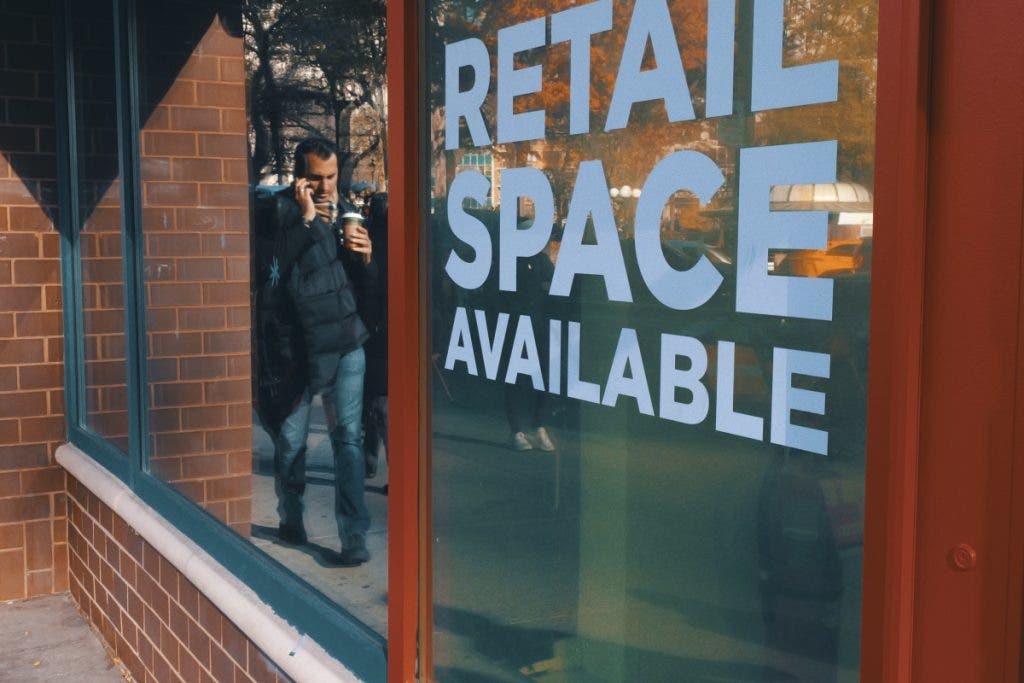
As judge and Adorama content producer Seth Miranda describes it, the Union Square setting offered the perfect starting point: holiday market stalls, performers, commuters, vendors, unexpected moments, and all the visual chaos that fuels NYC street photography. With just the two hours to shoot and working with a camera they had never held before, the students had to think quickly, adapt, and trust their instincts.
“Some took hundreds of images—one student filled an entire memory card with over 1,000 shots,” Miranda exclaims. “Others worked more deliberately, experimenting with color grading, aspect ratios, and stylistic homages.”

Five Students, Five Different Visions
In addition to the LUMIX S9, each student had the same lens to work with: a LUMIX S 20-60mm f/3.5-5.6
They embraced the challenge very differently and walked away with very different results.
Ethan Terzini, who worked with the blue LUMIX S9, began by looking to the sky, then transitioned into observing people—street vendors, clothing details, and subtle pops of blue throughout the market and side streets. “I took about 320 images,” he said. “That’s conservative for me. Narrowing down to just three was extremely tough.”
Samantha Simpson-Katz took her red LUMIX S9 and found a bright-red sculpture with a circular cutout as well as a red wall that cast striking shadows on the sidewalk. She used the color-rich geometry—and even the shadow itself—as a stage for people passing through her frame.
“When I think of street images of NYC, I usually think of a lot of black, white, grey, and the occasional blue sky,” she explains. “It makes sense. New York is known for its gritty character, which is part of its charm. Having red as my theme challenged me to look for a more colorful way to depict the city. It was challenging because when I shoot, I’m not usually seeking out a particular color. But with this ‘assignment’, my goal was not to be seen while shooting and capture each subject while they were absorbed in their thoughts. And do it in red.”
An Instant Color Connection
FIT fine art, painting major Wiktoria Klimczuk says that the second she saw the S9’s color choices, she really wanted the Dark Olive one. It worked well for her, especially considering all that green scaffolding blanketing the city at almost every turn. She says she photographed around Union Square and then decided to run to Washington Square with the remaining time. “Both of these locations bloom with life and people. I looked for the green, but I also found myself just shooting whatever I found interesting on instinct.”
In her statement submitted with her final three images, she wrote, “In NYC, the spirit of green never disappears. It lingers around parks and the city’s infrastructures, becoming a quiet witness to the rhythm of diverse city life. Whether it’s observing the pigeons sweep across the sky in symphonies, keeping company on construction sites where workers hold up the bones of the city, or lining the sidewalks where parents navigate the morning rush with their children, the green became part of the city’s visual vocabulary.”
The only one who didn’t get the color they originally wanted was student Chloe Valdez. It was between her and Hyeseon Hwang (both of whom wanted the jet black one). “They had a friendly game of Rock, Paper, Scissors to decide who got the black camera—It was Hyeseon,” says Adorama’s McCord.
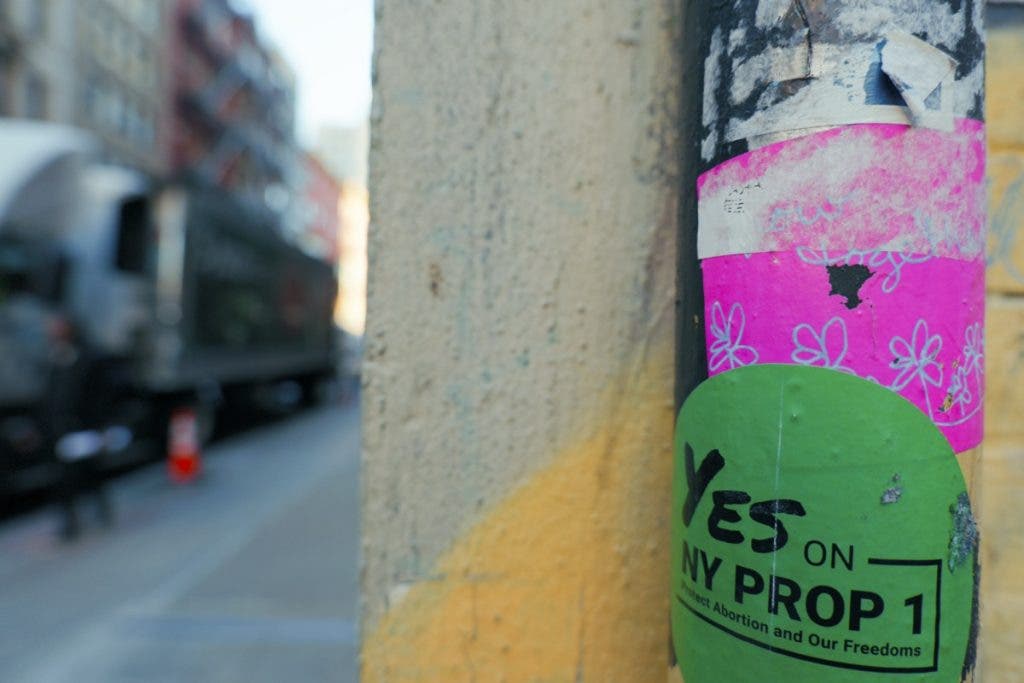
That left Valdez with the Sakura camera, which she used to focus on beautiful, small details while unearthing pops of color in the late-fall landscape they were working within. Adds McCord: “She also embraced the juxtaposition of the NYC grime with the cuteness and vibrancy of pink.”
A Standout Concept and Vision
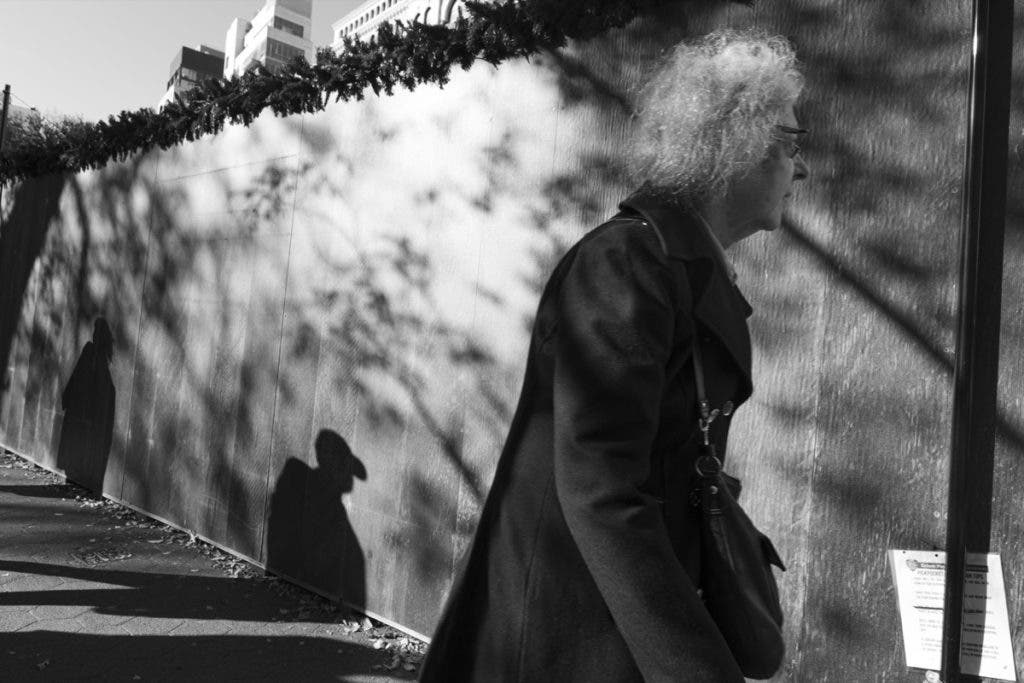
The overall winner, Hyeseon Hwang, approached the challenge with a level of intention that impressed every judge. She took the black S9 and channeled the visual language of legendary photographer Walker Evans. She shot in black and white—using one of the S9’s B&W LUTs—and composed with a clean, modern, high-contrast aesthetic. Her images were unmistakably New York, but not in the gritty tradition often associated with B&W street photography. They were elegant, thoughtful, and cohesive.
Hwang’s images were specifically inspired by Walker Evans’ series of street photographs of pedestrians walking along a tall wall. “I was able to capture, under the delightful sunlight, the intensity and vibrancy of New Yorkers’ lives. The LUMIX S9 became my companion as I wandered around, people watching.”
“She had a more mature starting point,” explains Adorama’s Seth Miranda, who was one of the judges, along with McCord and Maldonado. “Not just ‘let me point and pray,’ but ‘what story am I telling?’ Her use of the LUTs wasn’t random—it was intentional. Even her aspect ratios were deliberate.”
Maldonado agrees: “Hyeseon really took the challenge to heart. Her work was methodical and beautifully executed.” And her video? “She edited her clips together and added music. She understood the assignment on every level.”
In a fitting twist, the very first camera Hwang ever used—years before this challenge—was a LUMIX point-and-shoot she borrowed from a friend.
For winning the challenge, Hwang received her own LUMIX S9 from LUMIX, along with an Adorama gift card worth $250. The other students also received $250 Adorama gift cards as well as swag from LUMIX.
Why This Type of Photo Challenge Matters
For both Adorama and LUMIX, the challenge served a larger purpose.
In June 2025, LUMIX launched LUMIX EDU, a program designed to support students, educators, and academic institutions with tools, training, and access to equipment. After partnering with Adorama on the All-American High School Film Festival this past October, Maldonado says the LUMIX S9 challenge was a natural next step.
“This was a grassroots opportunity to introduce the LUMIX S9 to real students, shooting real content, in a real environment,” she explains. “We know once photographers get their hands on a camera and enjoy the experience, they stay loyal. LUMIX has strong brand loyalty because the cameras are intuitive—they let you be creative. And this challenge showed that firsthand.”
Adorama mirrors this commitment through its Classroom Connect EDU program, which offers discounts, resources, and community support for students and teachers. “This was the first photo challenge we’ve done like this,” says McCord. “But it won’t be the last. The results were impressive, and the students were incredibly talented. We plan to do more.”