As a teenager in the 70s, my passion was photography. Using my dad’s old Nikon SLR, I shot black-and-white film (analog photography) of anything that caught my eye: quirky portraits, interesting birds in our backyard, even my dad’s old car. I could have used an instant or compact camera, but I wanted to learn the craft, process my own film, and watch my vision come to life in the chemical trays in our basement.
The process was quietly magical, despite the challenges. This sense of magic was echoed when Adorama held a two-part master class at Oyster Bay High School earlier this year for students, most of whom had never seen a roll of film before.
Adorama and Pentax Bring Analog Photography to Oyster Bay High School
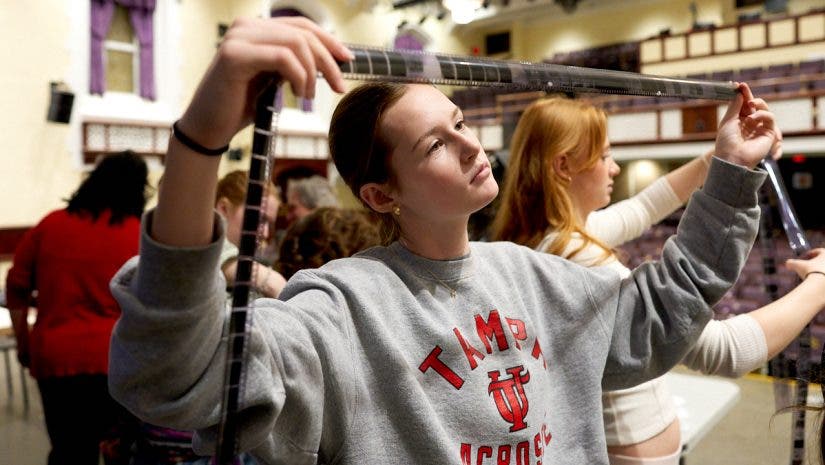
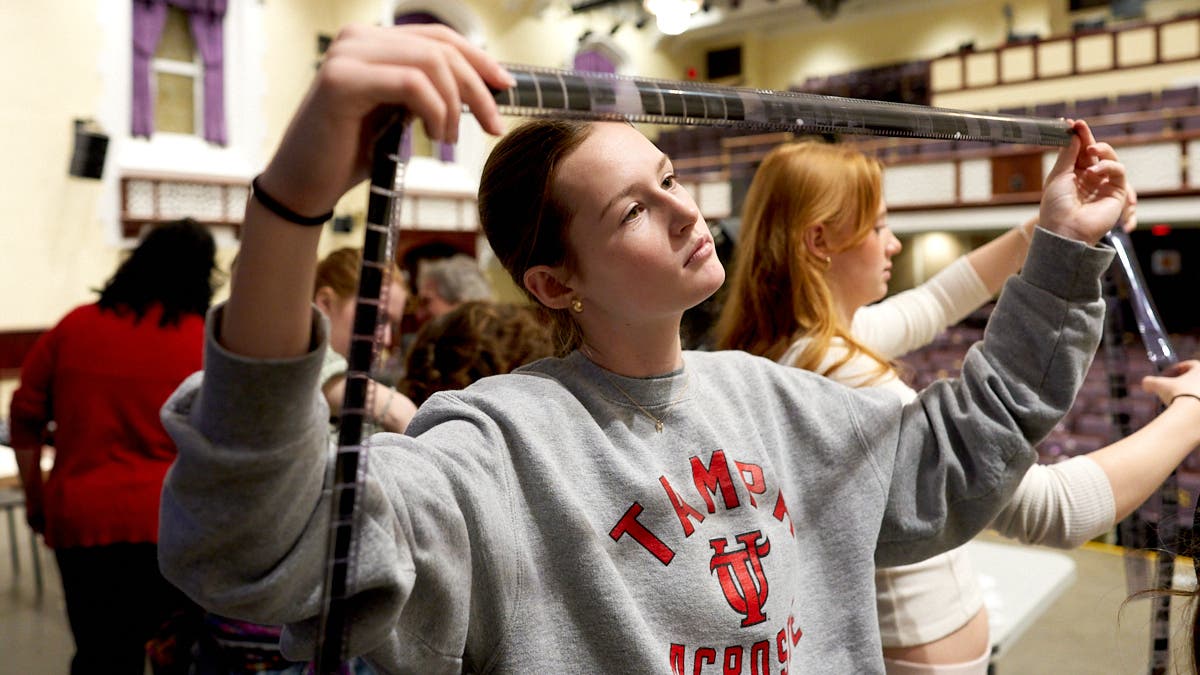
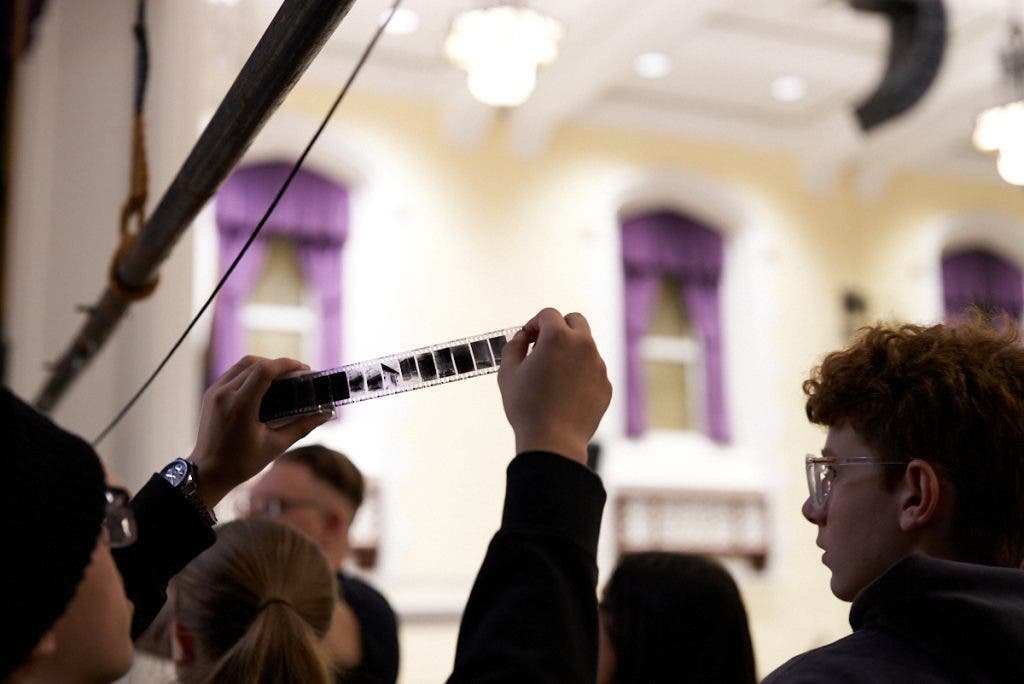
Roughly 25 students taking an art elective across grades 10–12 traded their digital cameras and smartphone screens for Pentax 17s when Adorama photo educators Daniel Norton and Seth Miranda arrived at the high school on January 30. The goal was to introduce students, already fluent in digital photography, to the tactile nature of analog image-making. That meant shooting, developing, and printing their own film. Since the school didn’t have a darkroom, Adorama created a temporary workspace that allowed students to experience the full process firsthand.
The collaboration itself had a bit of serendipity behind it. Before the workshop took shape, Adorama’s team connected with Erica Giglio Pac, K–12 Director of Fine, Performing, and Media Arts, who had attended high school on Long Island with Adorama Key Accounts Marketing Manager Keith McCord back in the day. When McCord approached her with the idea, she didn’t hesitate. “I try to take every opportunity I can for the kids; it gives them another lens (no pun intended),” she says.
A Strong Foundation in Digital Photography
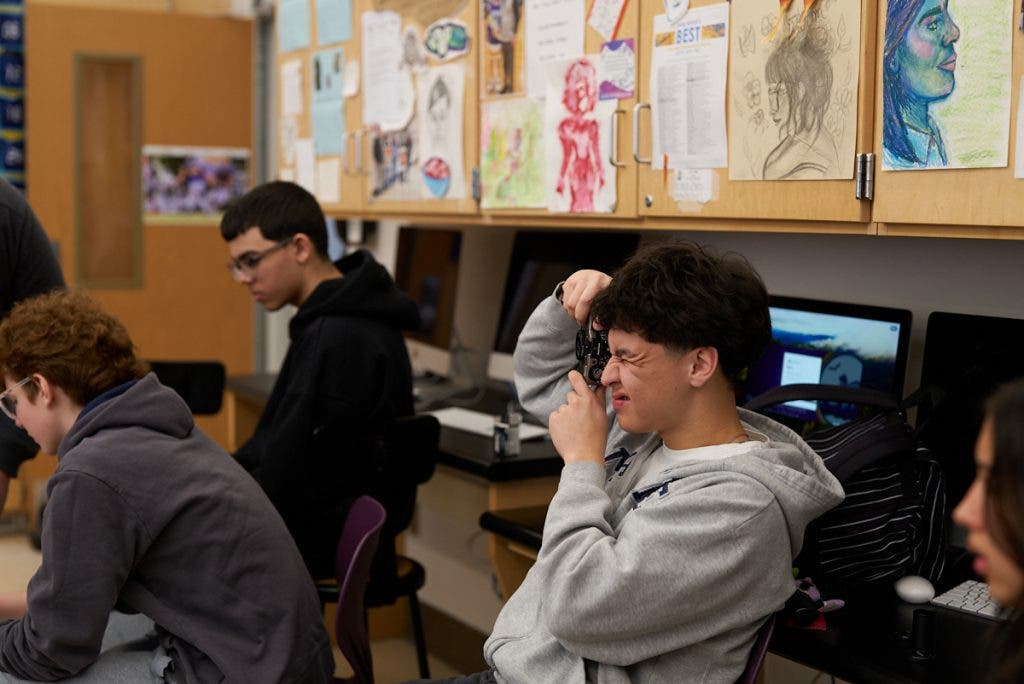
Oyster Bay’s photography program already offers students a strong foundation. Photo 1 and Photo 2 classes cover photographic history and introduce them to influential artists, while art and photo teacher Scott Boris regularly takes students off campus, to places like the Brooklyn Bridge, the High Line, and even on a graffiti photography day to learn more about street art and expand how they see the world. Still, Giglio Pac says this experience stood apart. “This workshop was truly different for our students.”
Bringing it to life required careful planning. In advance of the workshop, Giglio Pac, McCord, Norton, and Boris met over Zoom to shape the structure. “As we talked, the plan kept evolving,” she recalls. “We knew we needed space for the chemical process, for printing, and for assembling changing bags.” The auditorium stage became an impromptu drying and scanning area, while classroom spaces were adapted for safely handling chemicals and rinsing negatives. Even simple tools, like a can opener for retrieving film from canisters, became part of the learning experience.
Pentax Steps up for the Next Generation of Analog Photographers
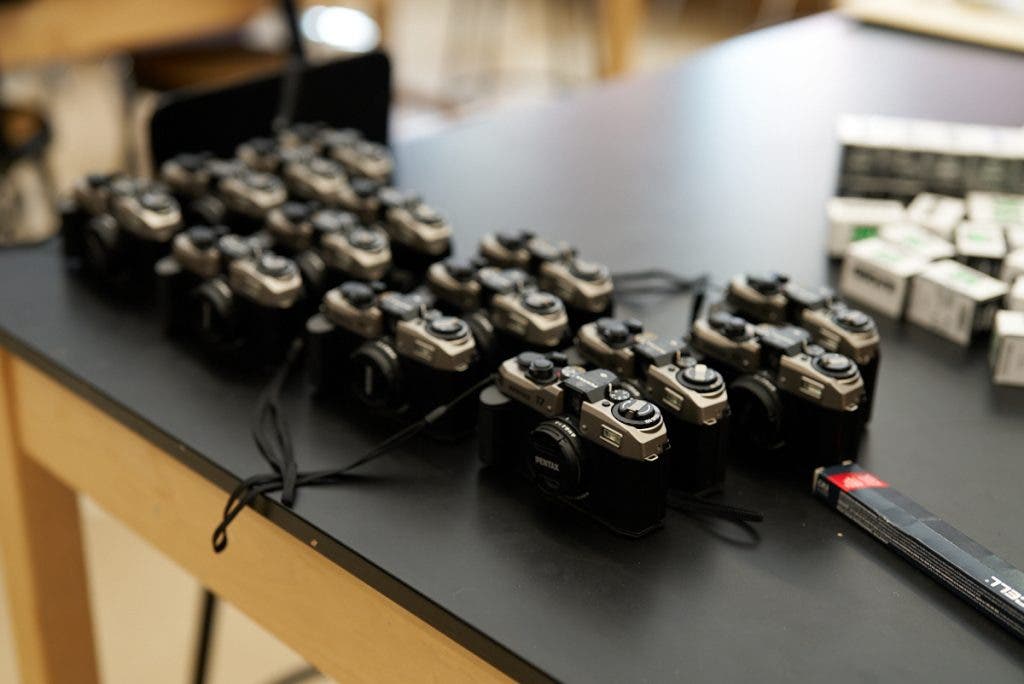
A key element of the workshop was access to the right camera. Through a partnership with Ricoh, students used the Pentax 17, a half-frame film camera ideal for beginners. Even better, the half-frame format meant they could take twice as many photos on a single roll of 35mm film, giving them 72 images instead of the usual 36. “From the start, we all acknowledged that giving students access to a camera like this was essential,” Giglio Pac says. Structured as a two-part experience, the master class began with students learning how to use the camera, followed by a week or two of shooting. When Norton and Miranda returned in mid-February, students developed their film, Miranda sleeved and scanned the film so the students could decide which images they wanted to print.
Ricoh National Account Manager Bill Sims, whose company supplied the Pentax 17s, sees film as an ideal teaching tool. “Shooting with film is the best way to learn photography,” he says. “I never developed film myself, but I always found the process fascinating to watch. The students were excited, and Daniel and Seth made it both educational and enjoyable.” Launched in summer 2024, the Pentax 17 is Ricoh’s first new film camera in nearly two decades. Sims says its automatic features make it approachable, while still allowing experimentation with manual settings. For the workshop, students shot Ilford HP5 400 black-and-white film.
Lessons in the Perfect Imperfection of Analog Photography
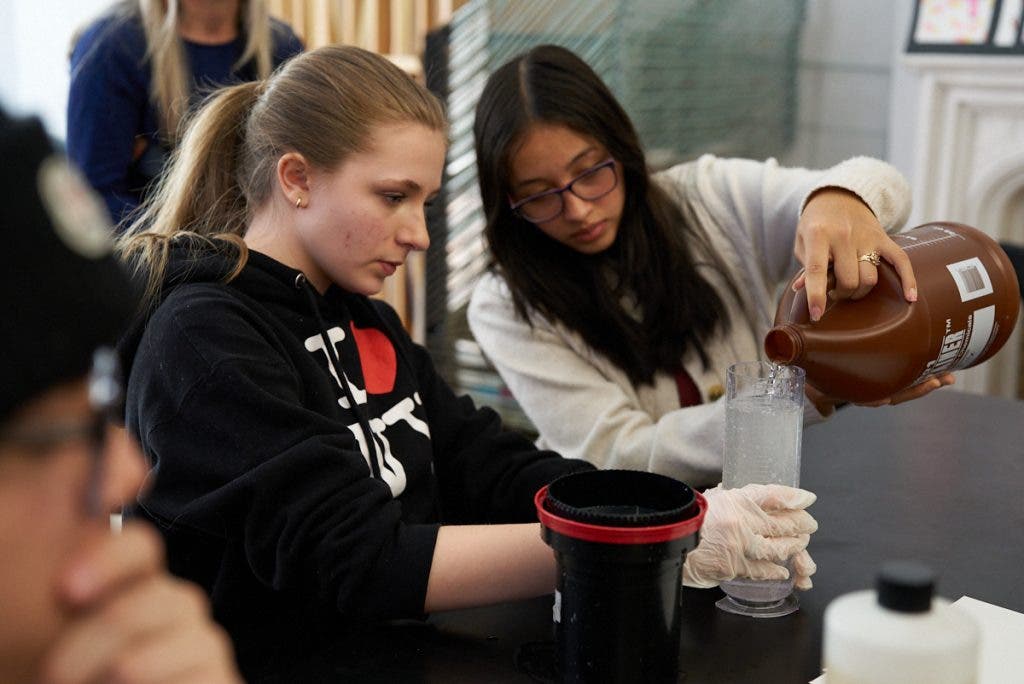
What unfolded over the two sessions was less about perfection and more about discovery. Norton and Miranda guided students step by step, from loading film in blackout bags to developing negatives and watching images slowly emerge. The process demanded patience and collaboration. Students worked in pairs, troubleshooting together and learning by doing.
Art teacher Scott Boris was especially intent on ensuring students left with something tangible. “We turned an art room sink and surrounding space into a makeshift darkroom,” he says. “The students used blackout bags to load the film, and we hung the negatives to dry across the auditorium stage. The whole thing was very cool.” Even imperfections, like light leaks, uneven exposures, or minor processing errors, became valuable teaching moments, reinforcing the idea that craft is learned through experience.
“There’s something powerful about tangible photography,” Adorama’s Norton notes. “When you make a picture, there’s nothing on the back of the camera. You just have to trust what you captured.” After the sessions, that idea resonated deeply with students accustomed to instant feedback and endless retakes.
A Day to be Shared and Remembered
The workshop made an impression beyond the classroom as well, drawing coverage from local outlets including the Long Island Press and the LI Herald. Senior Madison Morley, who is enrolled in both photography and AP art, told the LI Herald that the experience gave her a new perspective. After using the camera at a friend’s birthday party and experimenting with movement, she found herself welcoming the uncertainty. “I enjoyed not being able to immediately review my shots,” she said. “I kind of liked not seeing the picture afterwards. Maybe I should just learn to trust myself.”
The finished prints will be displayed at the high school’s annual art show in May, accompanied by an explanation of the process and what students took away from it. For Giglio Pac, the impact was clear. “The feedback from the kids was so positive,” she says. “At first, they didn’t know what to expect, but I’m a huge proponent of hands-on learning. You learn by doing and by having access to tools and materials you might not otherwise have. That was amazing for them.”
For students raised in a digital world, the workshop offered something rare: a chance to slow down, engage fully with the process, and discover the quiet magic of photography, one frame at a time.
Further Reading: If I Started Photography Again in 2026, Here’s What I’d Do by the wonderful Analog Photographer Max Kent