ISO is part of the exposure triangle, so choosing the right value is crucial to achieving properly exposed images. But sometimes, picking the right ISO can be challenging when conditions change quickly. Whether you’re shooting a scene with fast-moving light or you’re quickly panning through a scene with varying brightness, sometimes picking the right ISO can be a challenge. In this guide, we’ll explain what auto ISO is and when to use it instead of manual ISO.
What is Auto ISO
Auto ISO lets the camera select the sensor’s sensitivity to light for your image and can be used in any of your camera’s shooting modes, including manual. Instead of picking the ISO value yourself, auto ISO selects the camera’s ISO based on the exposure value you have selected. This helps to maintain consistent exposures across a set of images without the need to constantly adjust your camera’s settings.
How to Use Auto ISO
If you choose to use this, it’s important to set your camera to achieve optimal exposure. If you’re shooting with manual shutter speed and aperture, ensure you gather as much light as possible from both a wide aperture and a longer shutter speed so that the ISO can stay relatively low, giving you a cleaner image. Most cameras can set minimum and maximum ISO values, which helps prevent ISO from going too high or too low, depending on the shot.
When to Use Auto ISO vs. Manual ISO
Auto ISO offers convenience and speed, but there are situations where manual ISO may be better. Consider using manual ISO if you’re still learning your camera’s settings. This is because Auto ISO can make it harder to understand the exposure triangle since you don’t have to think critically to maintain proper exposure with the ISO being selected for you.
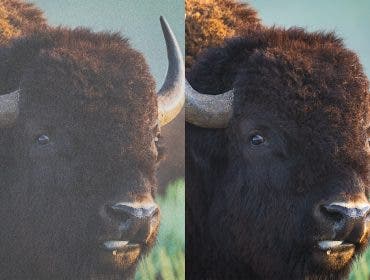
If you don’t know how to use shutter speed and aperture to gain more light in your image, you can end up with Auto ISO increasing the ISO too far, resulting in images that will be properly exposed but overrun with noise. Additionally, in controlled lighting, setting the ISO once is quick and easy, and manual ISO gives you more control over the final image’s look.
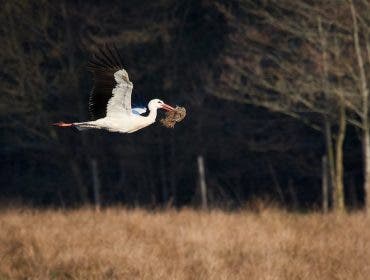
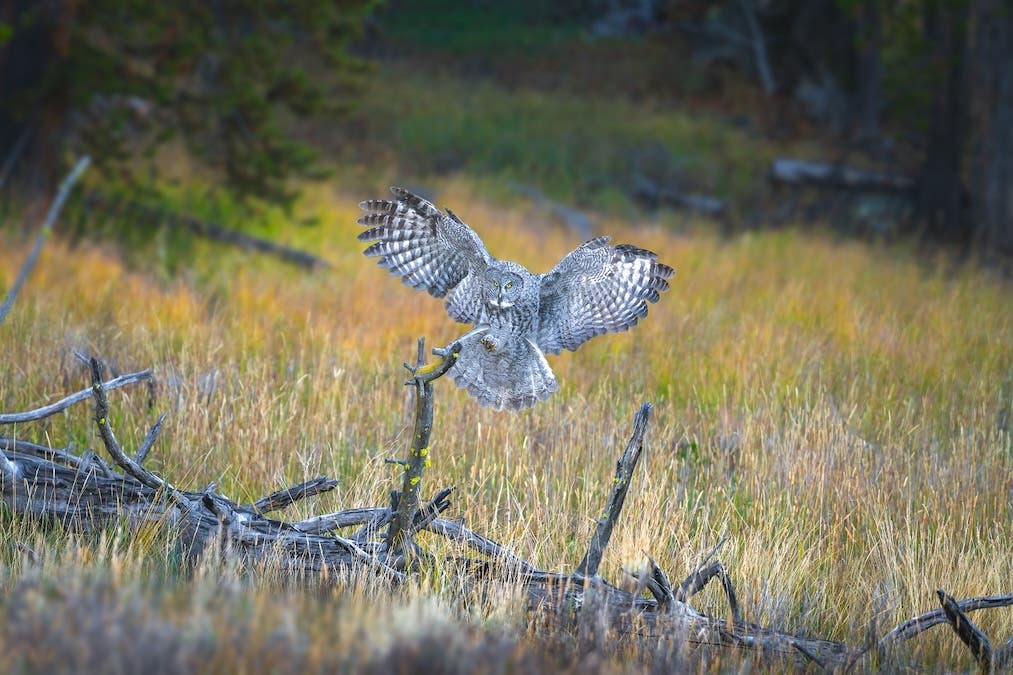
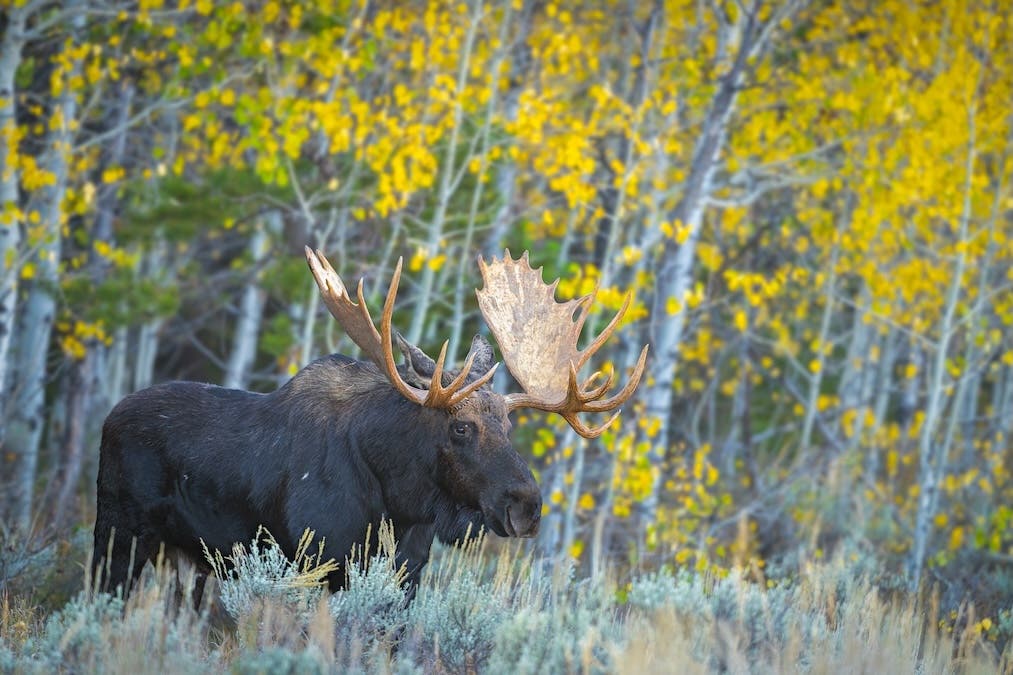
The best use of Auto ISO is in situations with fast-moving action and changing lighting conditions. Sports and wildlife photographers can benefit from Auto ISO to maintain proper exposure as a scene unfolds. It helps them stay focused on getting the shot rather than adjusting their camera’s settings.
When used with customized limits, Auto ISO can help you quickly adapt to changing conditions. And with it, you can ensure you never miss the moment while adjusting your camera’s settings. Knowing when to rely on Auto ISO and when to switch to manual will empower you to make the right decisions in the field. It captures exactly the image you want with greater confidence every time.