
We’ve all been there: you return home from a shoot, excited to edit the photos you just took. You connect your memory card to the computer, hit import, and start culling through your images just to find out that your photos lack impact. The images you shot in the field simply don’t do the scene justice. While there are many important elements to a great photograph, one key element that you must get right is the composition. For new and even intermediate photographers, composition can be a major pitfall and one of the most common areas where photographers struggle. Oftentimes, many of the other common photography mistakes, such as overediting, are a symptom of the core problem: poor composition. In this article, we’ll talk about composition and the techniques you can use to capture the perfect scenes in the field.
Why is Composition Important in Photography?
Composition is equivalent to the foundation of your house. Without proper composition, no amount of editing can fix your image. When your composition is lacking, it is incredibly difficult to create an image that is impactful. On the other hand, with a great composition, it is very easy to create stellar images.
Since photos are two-dimensional and only a single frame, composition plays a huge role in the storytelling aspect of your images. A great composition tells a story, whether it be about the natural world, a person, or the interaction between two different subjects. Composition can help guide the viewer’s eye to different parts of the image, causing the viewer to stay intrigued by the photo or to be uninterested and quickly look away.
What Makes a Good Composition?
Many aspects make up a good composition, and of course, this is partially subjective to the viewer. But every element in a good composition serves a purpose in the scene. The best photographers understand that everything in the image must add to the subject, and if it doesn’t add, it takes away. There is no net-zero element in your images. With this in mind, composition becomes much more peculiar, and can oftentimes feel like the art of subtraction to create the most compelling scenes.
Great compositions are balanced and help the subject stand out from its surroundings. Every great photograph has a subject, whether this be a person, an animal, a mountain, a building, or anything else you can dream up. Consider how you can best position your subject or your camera to place the most emphasis on the subject, and utilize supporting elements to make the composition stronger. While this might seem like a challenge, there are a few basic rules, guidelines, and techniques you can follow to help you create perfect compositions.
10 Common Composition Rules and Techniques
No matter what your skill level is, these compositional rules will come in handy when you are considering the best way to photograph a subject. As always, these rules are great to follow, but occasionally you’ll want to break the rules, which can still result in excellent compositions. Use these rules more as basic guidelines, but don’t feel too restricted by them if you have an opportunity to think outside the box.
Rule of Thirds
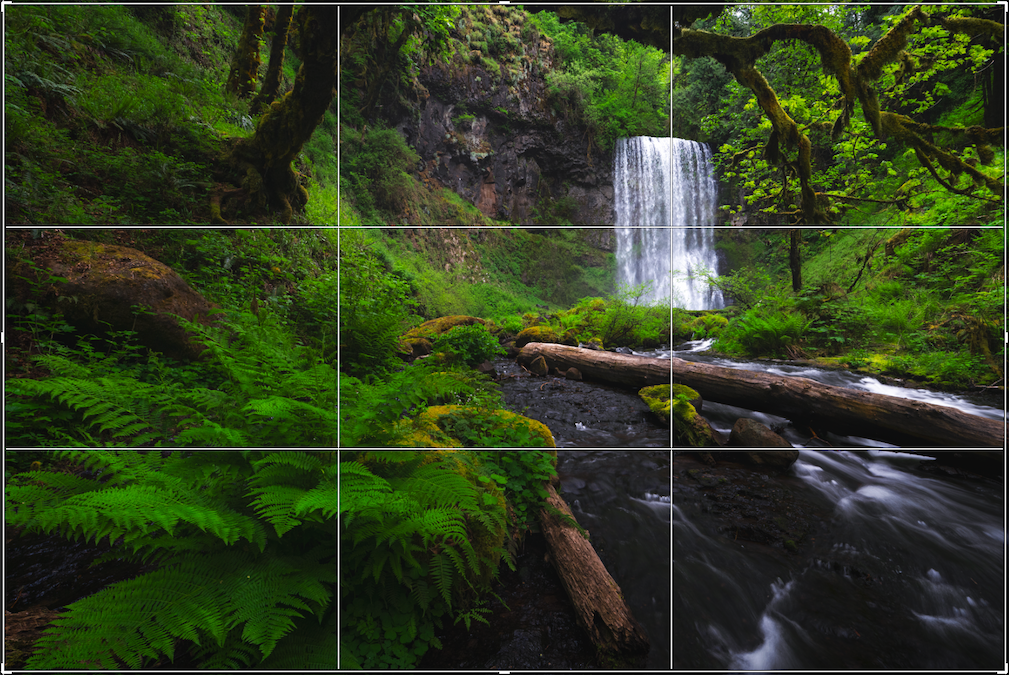
The Rule of Thirds is the most widely used and followed compositional rule in the world. So much so that most cameras even give you a rule of thirds grid on the back of your camera’s screen. This rule uses the technique of placing subjects off center to yield a stronger composition that gives you more control over the negative space in your frame. Imagine a 3×3 grid that divides the frame into nine equal parts. Place any focal point in your scene on the intersection of these lines. This helps you to avoid putting everything in the center, which can help your images to be more interesting and creative.
Golden Ratio
The Golden Ratio refers to a spiral in the shape of a nautilus shell overlaid on an image. The parts of the image that the spiral passes through are said to provide greater visual impact than other portions of the frame. This ratio exists in countless places in the natural world and is based upon the mathematical concept called The Fibonacci Sequence. To utilize the Golden Ratio, consider placing your subject in a spot that can utilize the spiral with the surrounding elements of your scene.

Leading Lines
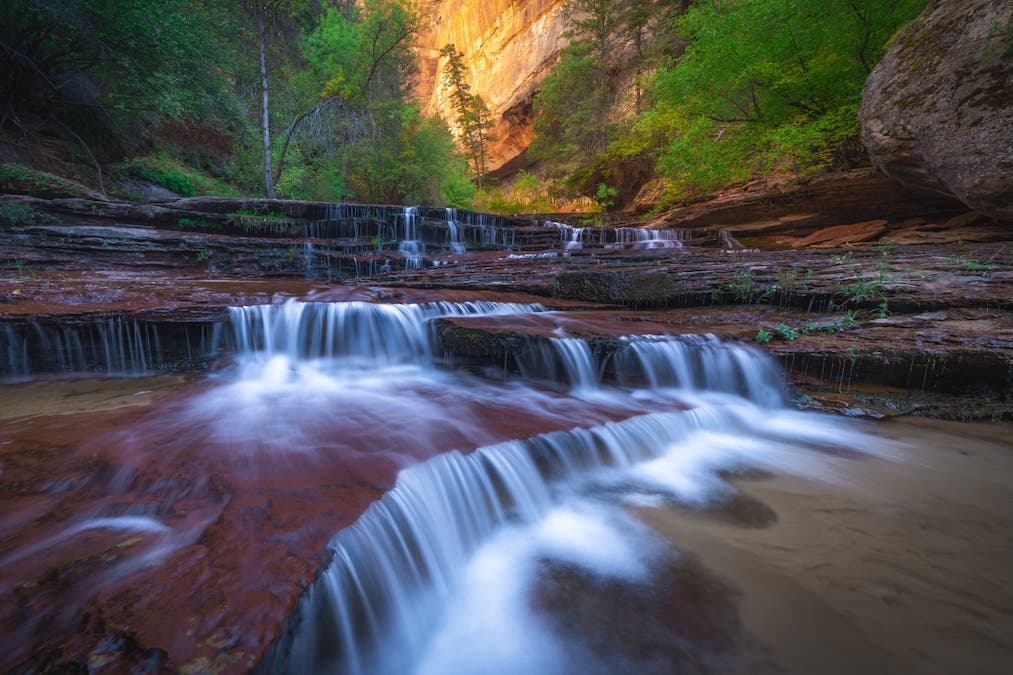
Leading lines are an excellent way to add visual interest to your scene and pull the viewers eye into the frame. The idea behind leading lines is that they give your viewer a path to enter the image from, bringing their eye to the subject. When looking for leading lines, look for objects in the scene that guide the eye inwards towards the subject.
Negative Space
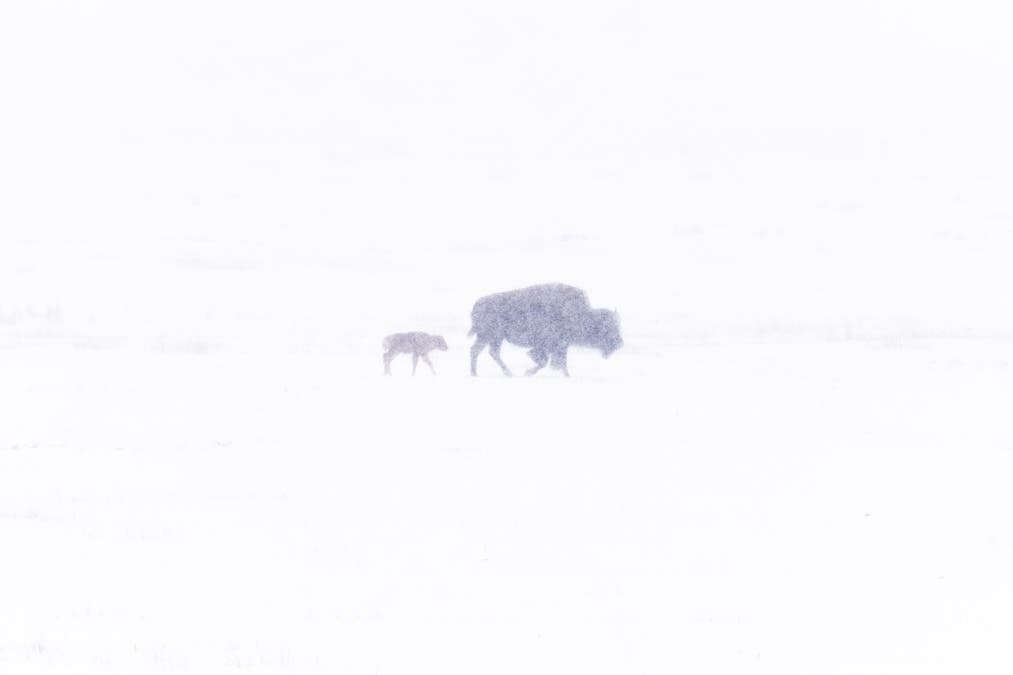
One of the most underrated compositional techniques it to utilize negative space in your images. Many photographers don’t understand the value that negative space has in their image. This can be one of the best ways to add scale or tell a story in your image. To utilize negative space, consider how you can simplify the scene and how negative space can help to give context to a subject in the scene.
Balance/Symmetry
Scenes with balance often feel well thought out and are more appealing to look at. Balance can mean many different things in photography, but try to consider the weight of different objects in your frame. If you have an object in the top left corner of the image, can you find something else in the bottom right to balance out the scene? Can you place equal weight on both the left and right, and the top and bottom? This technique works very well when used alongside the Rule of Thirds.

Framing
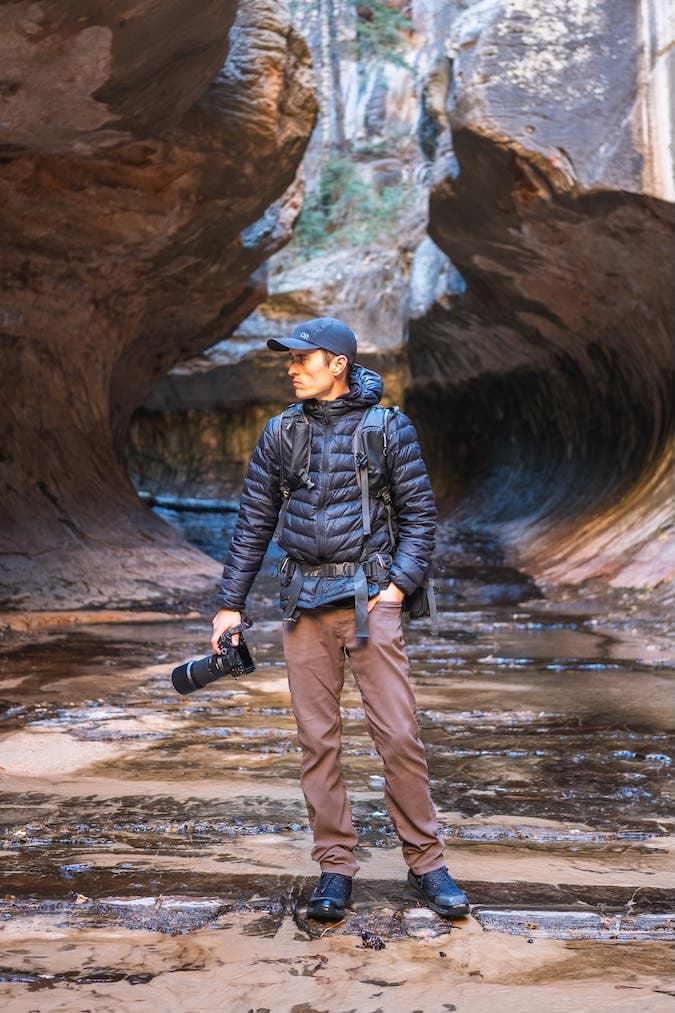
When you can’t find anything interesting to surround your subject with, considering framing. Framing is a way that you can use other elements to ‘frame’ your subject. This could mean shooting through a fence, a tree, or even surrounding your subject with something in the scene. Consider how you can use framing alongside leading lines to create a more compelling composition.
Simplicity
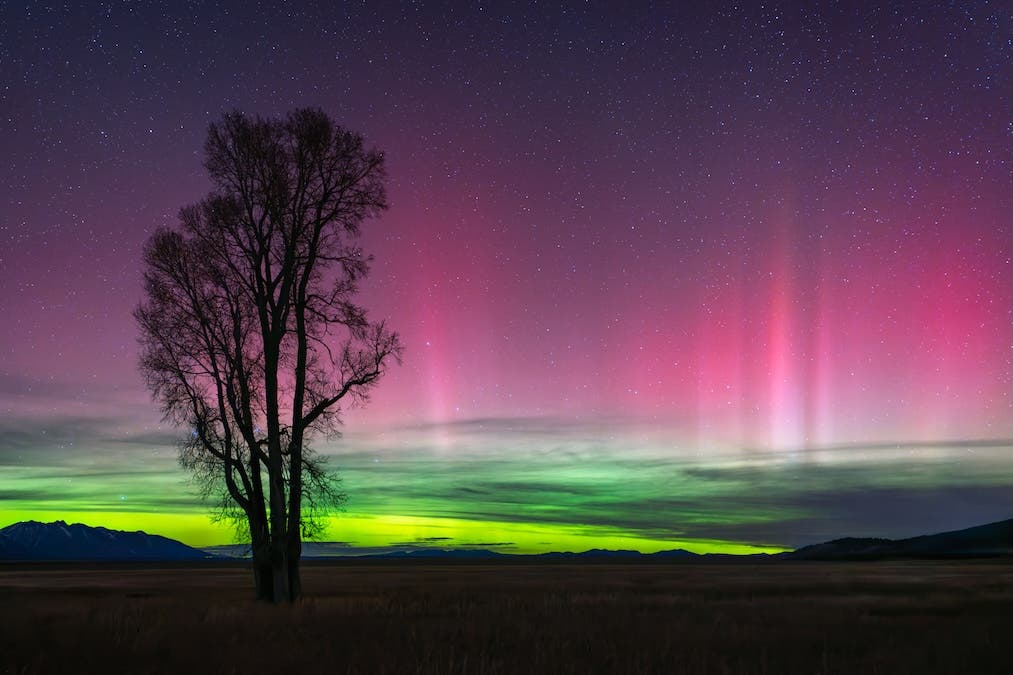
Oftentimes new photographers can over complicate the scene. It’s easy to think that more elements creates a more interesting photo, but our brains don’t like overly complex images because they are hard to digest. Having supporting elements for your subject is important, but don’t overcomplicate the scene and remember that anything that doesn’t add to the scene is actively taking away from it.
Compression
Consider how your position in relation to the subject can effect the composition. Compression is the art of moving back from your subject and zooming in, or moving closer to your subject and zooming out. While this might sound counterintuitive, understand that doing this can help to make the background appear either closer or further away from your subject. This can be a great way to emphasize scale in your images, and can also greatly change the look of your portraits and landscape images.

Shoot High or Low
Typically, eye level is one of the least interesting heights to shoot from. The most eye-catching photos are those that show a different angle of something that you haven’t seen before. Oftentimes getting lower or higher than your subject can provide more interesting compositions, especially for wildlife, landscape, and cityscape photography.
Left to Right Rule
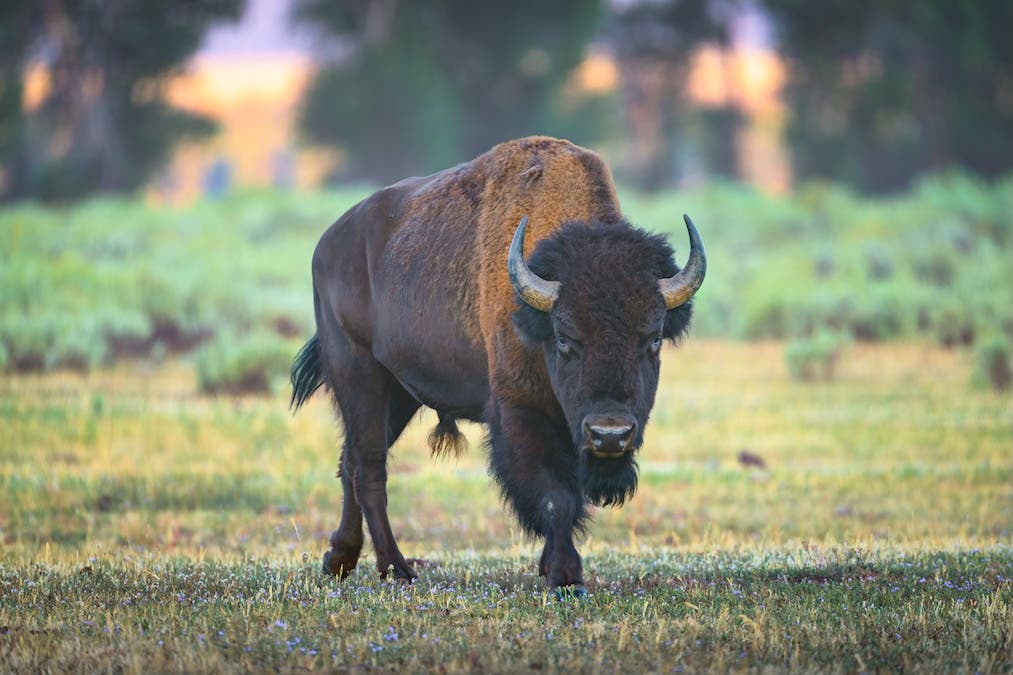
This theory states that we ‘read’ photographs the same way as we read text: from left to right. If the opportunity is present, try to photograph your scene from left to right. For example, if you have a subject moving in the frame, try to capture them facing and walking to the right, rather than to the left. However, other cultures read differently, so this theory may work opposite in places where text is read from right to left.
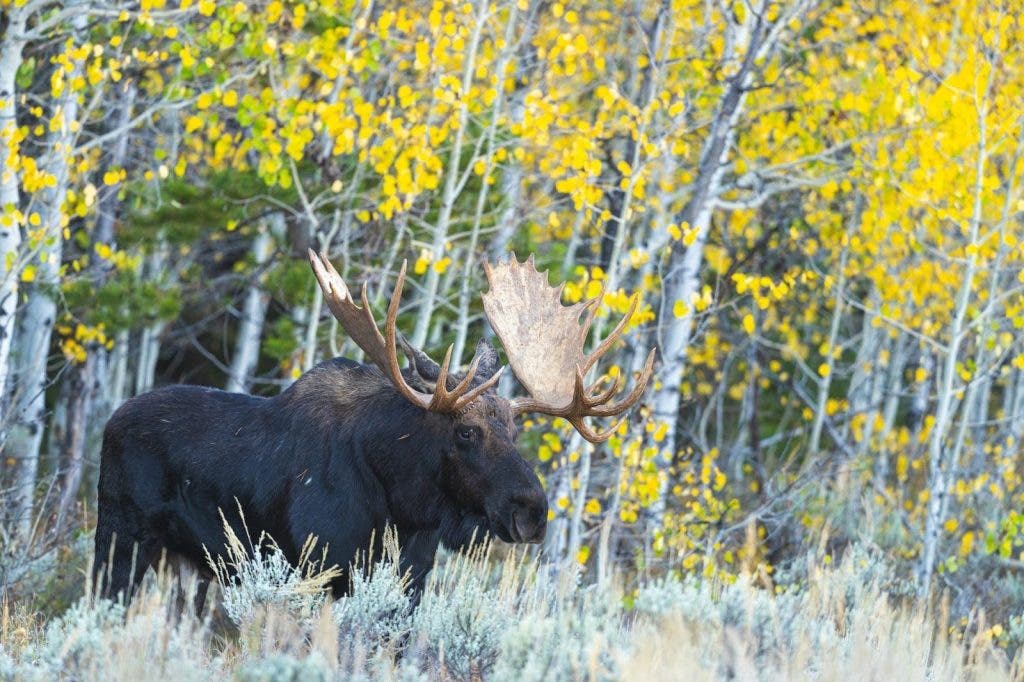
There is a lot to consider when you’re creating thoughtful compositions, and these rules provide a great baseline for new or even intermediate photographers. With that being said, don’t feel like you can’t break these rules, but use them more as a guideline to help you when you feel stuck. Even with the power of post-processing these days, the very first (and arguably most important) step to creating striking images is getting the composition right in the field.