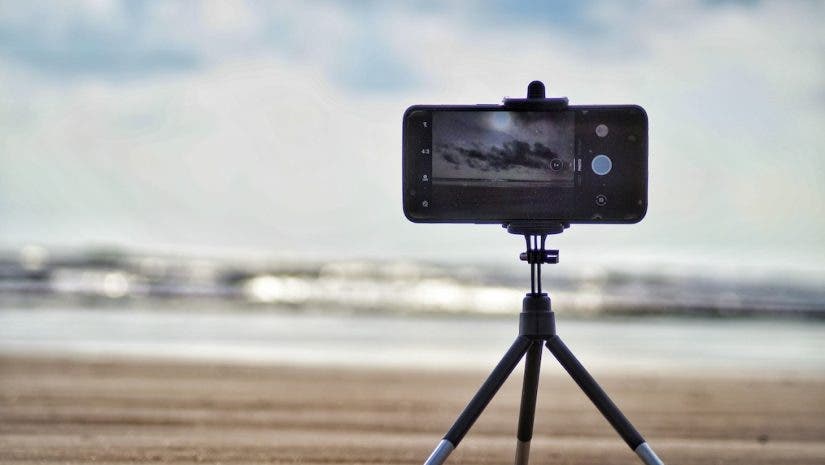
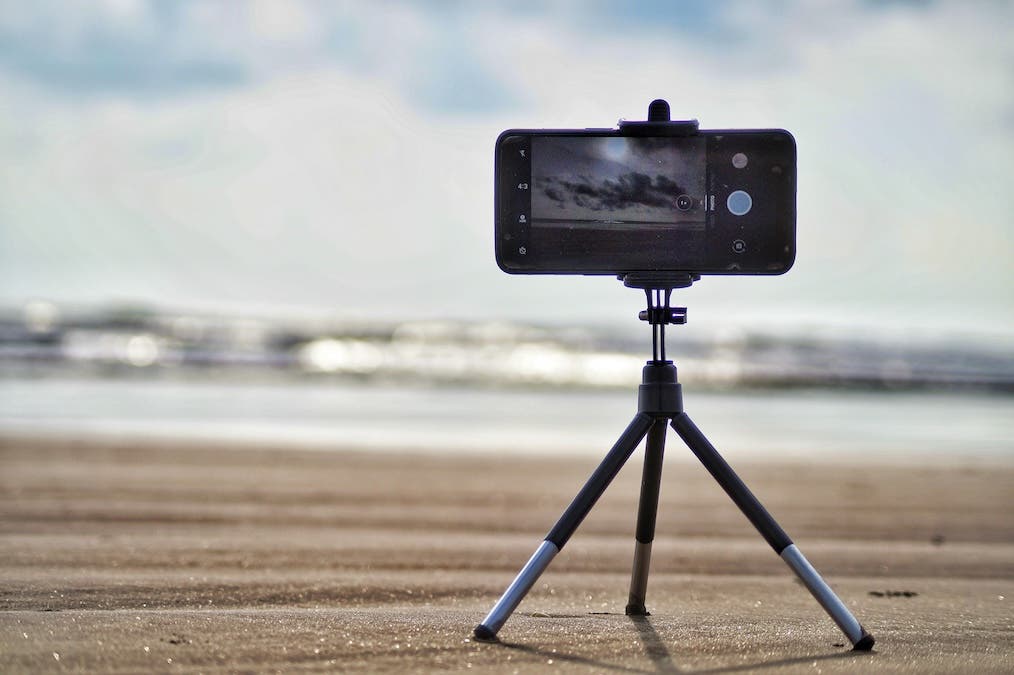
The tripod, where would we be without it? As a nature photographer, the tripod is an essential part of long sessions in a hide. But nowadays there are all sorts of tripods on the market, and one can’t help wondering which one is the best for me. Maybe I should stick to one, or maybe I am better with a couple of tripods to handle the myriad of situations professional photographers find themselves in. So, let’s analyze the smallest option available and see if what you need now is a tabletop tripod.
What Is a Tabletop Tripod?
A tabletop tripod is a small, lightweight, and compact tripod designed to sit on a flat surface. The average weight varies between 8.8 oz (250g) and 2 lbs. (1kg), while the average height range is between 10 and 20 inches (25 and 50 cm). However, you can find specialized tabletop tripods with even smaller weights and heights, so look them up.
Due to its small size, the tabletop tripod can’t hold heavy weights. It is essentially engineered for holding lightweight cameras, action cameras, webcams, smartphones, or microphones. Many tabletop tripods come with a ball head or cold shoe mounts and use a 1/4″-20 screw.
What Are the Advantages of a Tabletop Tripod?
The compact tabletop tripod can slide into a jacket pocket or small camera bag, offering a reasonable alternative when shooting handheld isn’t the best option. One can perch it atop a handy picnic table, brick wall, or any other flat horizontal surface, or even at home in the studio on a table as the name suggests. This little foldable gem can provide all the stability you need to shoot sharp, shake-free stills and videos in low light, at slow shutter speeds.
As most of them come with a ball head, you can easily adjust the camera to the optimum shooting angle. Some tabletop tripods have flexible legs that let you set them up on uneven surfaces and adjustable center columns for little height adjustments. A few even come with window clamps for firmly attaching them to a car window, or universal clamps for mounting a smartphone.
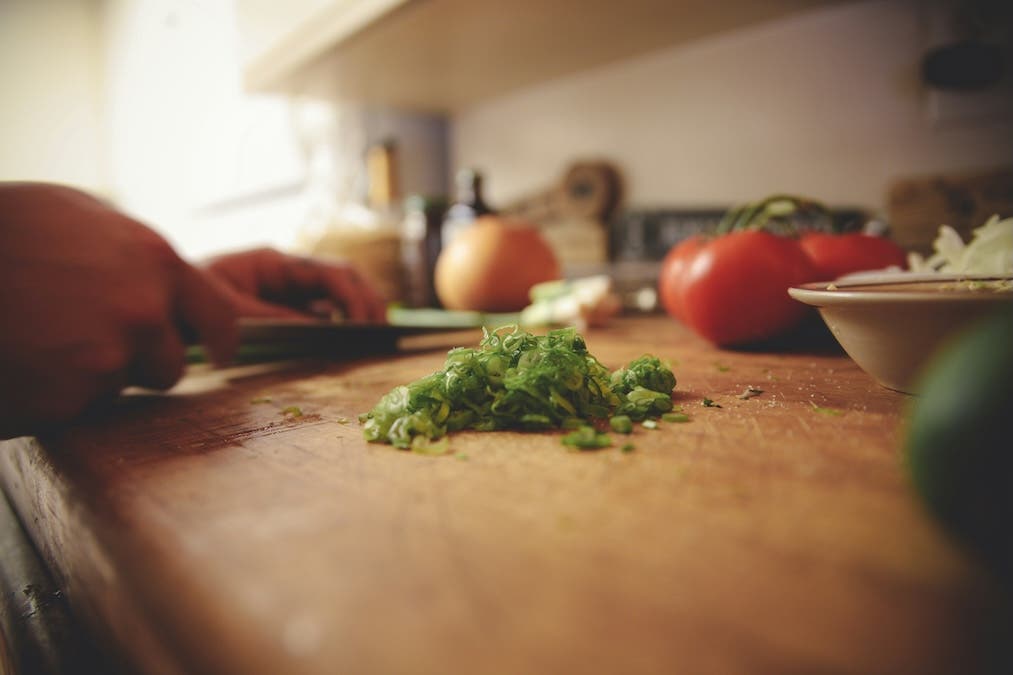
Tabletop tripods are not just compact and portable, but also easy to set up and fold. They come in handy in busy environments, such as video conferences, vlogging, and live streaming. Due to their small height, they are perfect for taking close-up shots at table level, which is a nice touch in food photography and videography, recording how-to videos, and so on.
GoPro users might want to look at the PGYTECH GoPro Edition CapLock MantisPod 5000mAh Power Grip with Built-In Tripod Legs. This is not just a great tabletop tripod, but a power source and remote as well!
What Are the Disadvantages of a Tabletop Tripod?
While tabletop tripods are good at photographing or filming a subject close to the flat surface the tripod stays on, they are less good at capturing a subject at high heights. For me, the maximum height of 20 inches (50cm) is simply not enough because it doesn’t let me get to the height I want as I record a lot outdoors, and I often don’t have a place to put the tripod. There isn’t always a fallen tree around. However, using a GorillaPod, I have more options, as I can bend the legs around a branch.
Another disadvantage that stands out to me is the limited payload capacity. Although there are tabletop tripods capable of supporting up to 22 lbs. (10 kg) of gear, they come to weigh almost as much as a full-size tripod without providing the same height. If you stick to lightweight tabletop tripods, the average payload they can support is between 5 lbs. and 15 lbs. (2.3 kg to 6.8kg), more often less than that. It may be alright for a small mirrorless camera and a kit lens, but for a heavier setup with a faster or longer lens, flash, and other accessories, it may not be enough. Stability suffers at heavy, bulky loads.
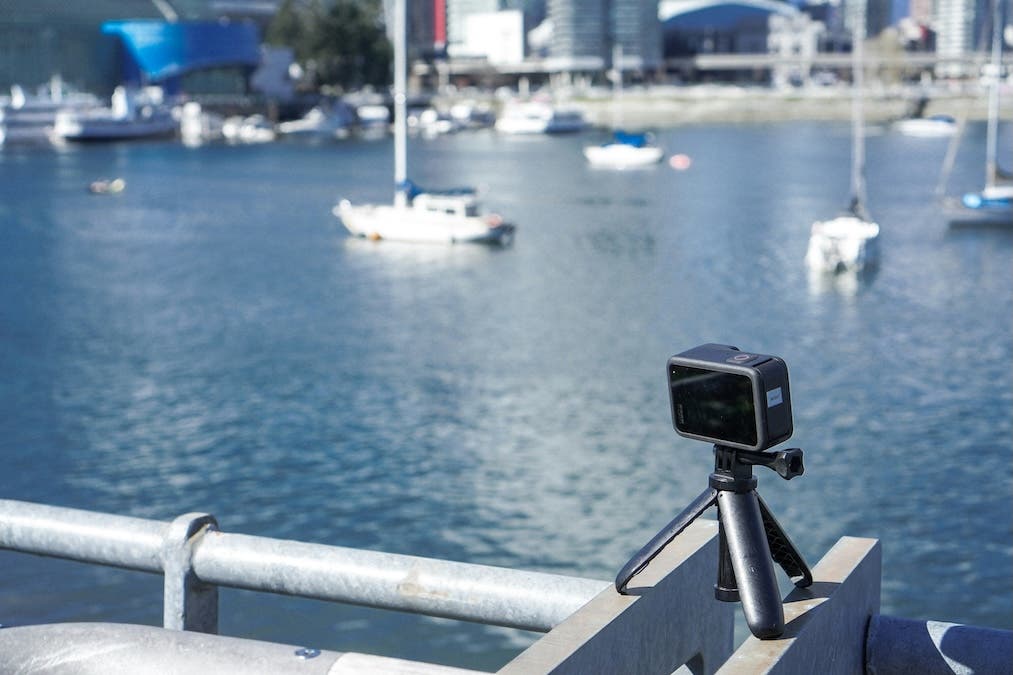
I prefer gear I can use for a long time, which is why I pay attention to build quality and robustness. Shooting mostly outdoors means working in dusty, humid, and rough conditions. Tabletop tripods are more fragile than regular ones, less adapted to work on mud or snow (they slip more easily), and more likely to break if you insist on using them in the rain.
Lightweight but strong, the Leica Tabletop Tripod is a classic for a reason.
What to Look for in a Tabletop Tripod
When deciding on a tabletop tripod, there are a few important features you should pay attention to. Their priority is, of course, based on your workflow and requirements, but mainly, they are:
Load Capacity
Load capacity is first on my list because there isn’t much you can do with a tripod if it doesn’t support your gear. Add everything, from the weight of the camera with a battery and memory card to the weight of the lens, flash, external microphone, and external screen if you use one. Then, choose a tabletop tripod capable of holding a bit more than your gear’s weight. You can choose a tripod with a way larger payload capacity, but keep in mind that it will be heavier.
Height
Because some tabletop tripods can reach much higher heights than others, you need to consider height. A higher tripod is more versatile. It is even more so if it has an adjustable neck piece or central column so that you can adjust the height as you wish.
Legs and Head
There is nothing wrong with a particular leg type or head type, but the differences may affect your workflow. Although these things come down to a personal preference, they do make a difference. So, pay a visit to a photo shop and play a bit with flip-lock legs and twist-lock legs. The principle is the same for regular and tabletop tripods, so it doesn’t matter what type you find in the store. In my experience, flip-lock legs are faster to set up, whilst twist-lock legs are more secure and trustworthy.
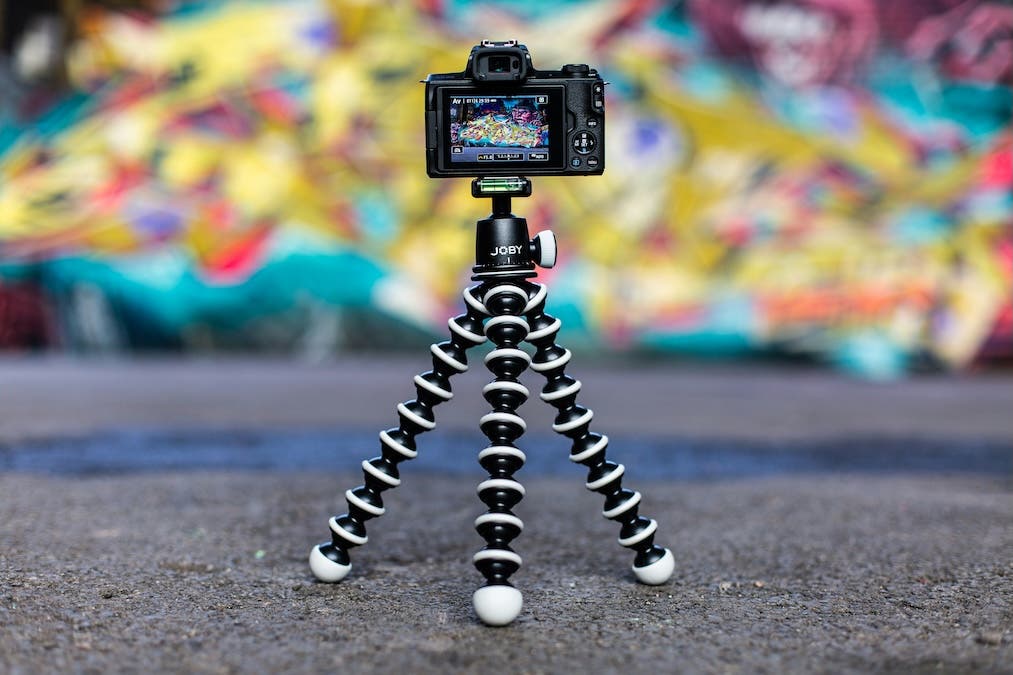
Many tabletop tripods come with a ball head because it is the most suitable for their users. However, you can purchase a tabletop tripod without the head and pair it with the head of your choice. There is a wide range of tripod heads, from complex ones with endless tuning options to simple ones with a single knob.
Weight and Size
The main advantage of a tabletop tripod is its compactness. It should be lightweight, small, and easy to carry around. However, in order to extend their load capacity or give them a bit of extra height, some manufacturers compromise weight and size. So, take some time to compare a few models and see which one is lighter, more packable, and easier to throw in a backpack.
Case Study: Do I Need a Tabletop Tripod?
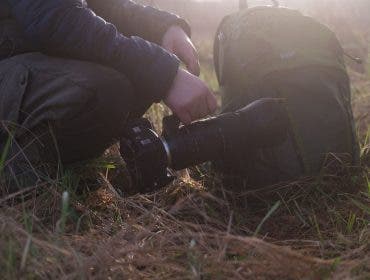
Let’s take me, for example. I am a nature photographer, meaning I shoot outdoors, chasing stunning landscapes, patiently waiting for wildlife, and getting very close to insects. A tripod is an essential part of my photo setup, but do I need a tabletop tripod for this? The answer is no. For outdoor nature photography, I need a sturdy tripod capable of supporting my heavy gear on any terrain and allowing me to follow wildlife and birds with smooth panning movements. I need a good height tripod with a gimbal head and a solid central column to balance the weight of a heavy telephoto lens.
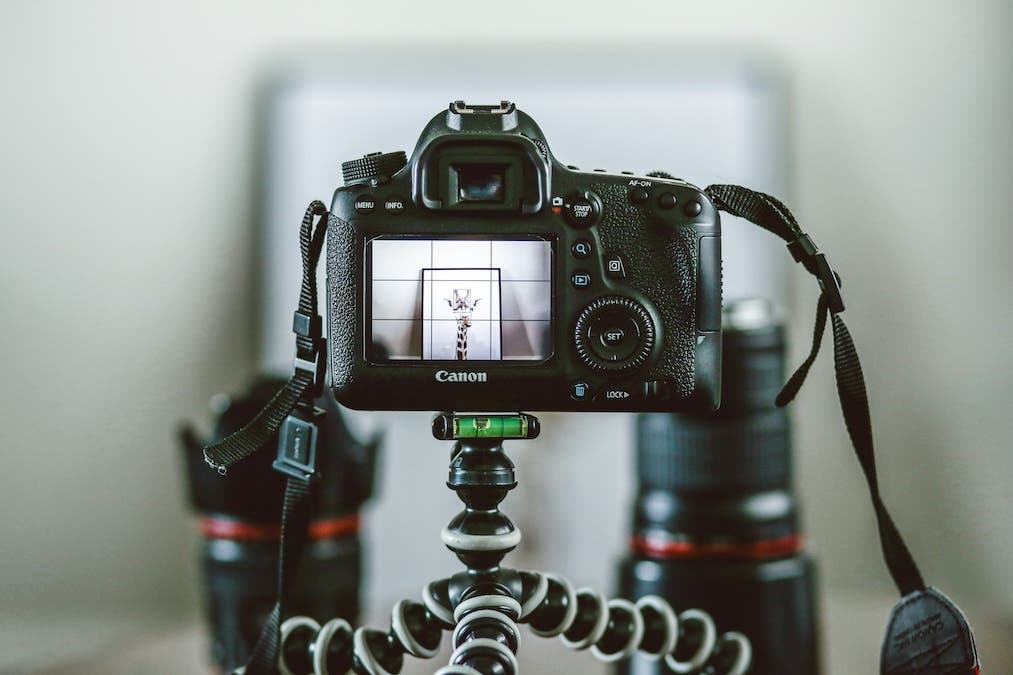
How about macro photography? Could the small tripod help me out? Here, the answer is yes. If the subject is close to a flat surface on which I can set up the tabletop tripod, I could use one.
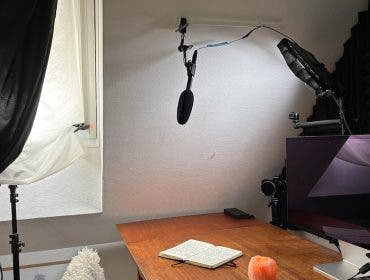
I also have a YouTube channel where I share my experience and knowledge with fellow photographers. Some of my videos are recorded in my home office using a lightweight mirrorless camera. Here, the tabletop tripod comes in very handy because it stabilizes the camera and allows me to easily position the camera at the end of my desk. My office space is quite small, so having a large tripod set up all the time is not really practical. On a few occasions, I took the tabletop tripod outside, rested it on a fallen tree or big rock, and recorded my videos in an environment that suits a nature photographer better. Tabletop tripods are not the most robust and resistant ones, but with a bit of care, you can manage a recording in the woods very well.
Final Thoughts
For me, there isn’t a single tripod that fits all. Whether you need a tabletop tripod or not depends on your shooting style and specific requirements. If you, like me, shoot primarily outdoors and use heavy equipment, a full-size, sturdy tripod may be more practical. However, for in-studio macro work, videos, or situations where portability and a quick setup matter a lot, the compact size, versatility, and convenience of a tabletop tripod make it a great addition to any kit.