
Do you ever look at those dreamy, motion-blurred photos and think, how do people do that? The ones that look like memories instead of moments, soft, nostalgic, full of motion and emotion. Well, good news, slow shutter speed photography is easier than you think. You just need a few tools, a bit of patience, and a solid grasp of the “sweet spot” where everything feels balanced.
I’ve been shooting like this for years, and I promise you, it’s one of the most fun and expressive ways to make photos. Let’s break it down.
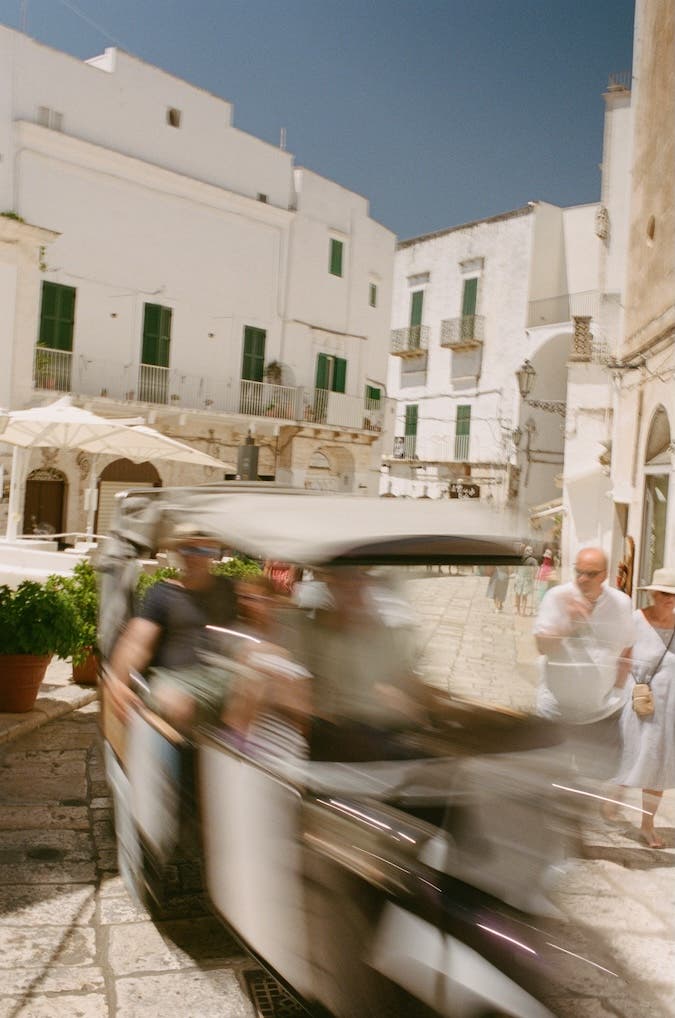
How to Actually Shoot Slow Shutter Speed
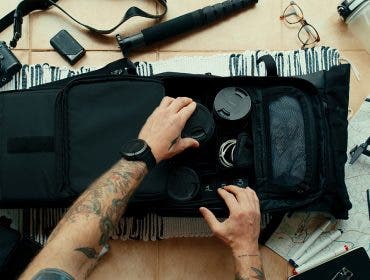
First things first: to take slow shutter speed photos, you need to be able to get slow shutter speeds. That’s easy enough when you’re shooting at night or in low light, but in bright daylight, it’s another story. The solution? An ND filter (or better yet, a variable ND). Think of it as sunglasses for your lens, it blocks some of the light so you can drag that shutter without completely blowing out your exposure.
Once you’ve got your ND filter, it’s time to dial in your camera settings.
Start by setting your ISO as low as it goes, 100 on digital, or just whatever your film stock gives you. Still too bright? Stop down your aperture to something like f/16 or f/22, depending on your lens. That’ll cut even more light, letting you shoot slower.
Technically, you don’t always need an ND filter. If you’re shooting in the shade, at sunset, or in any kind of low light, you can usually get slow enough shutter speeds naturally.
And then there’s stability. A lot of the slow shutter magic can be done handheld (especially around 1/60th of a second) but once you go below 1/10th, keeping the camera steady becomes a challenge.
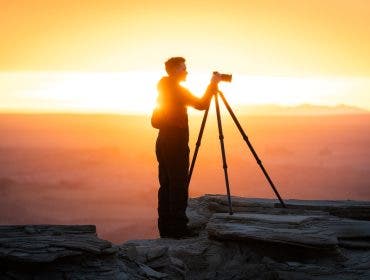
That’s when a tripod or a solid place to rest your camera becomes essential. If you’re using a longer lens, you’ll definitely want the extra support. Nothing kills a good slow shutter shot like unintentional camera shake.
The Sweet Spot
Here’s where the real magic happens: finding the sweet spot in slow shutter speed photography.
You’ve probably seen photos where everything’s a silky blur, waterfalls that look like clouds, city streets that dissolve into streaks of light. Those are cool if you’re a 40 year old dad, but that’s not what we’re after here. The sweet spot isn’t about complete motion blur; it’s about showing just enough movement to make a photo feel alive.
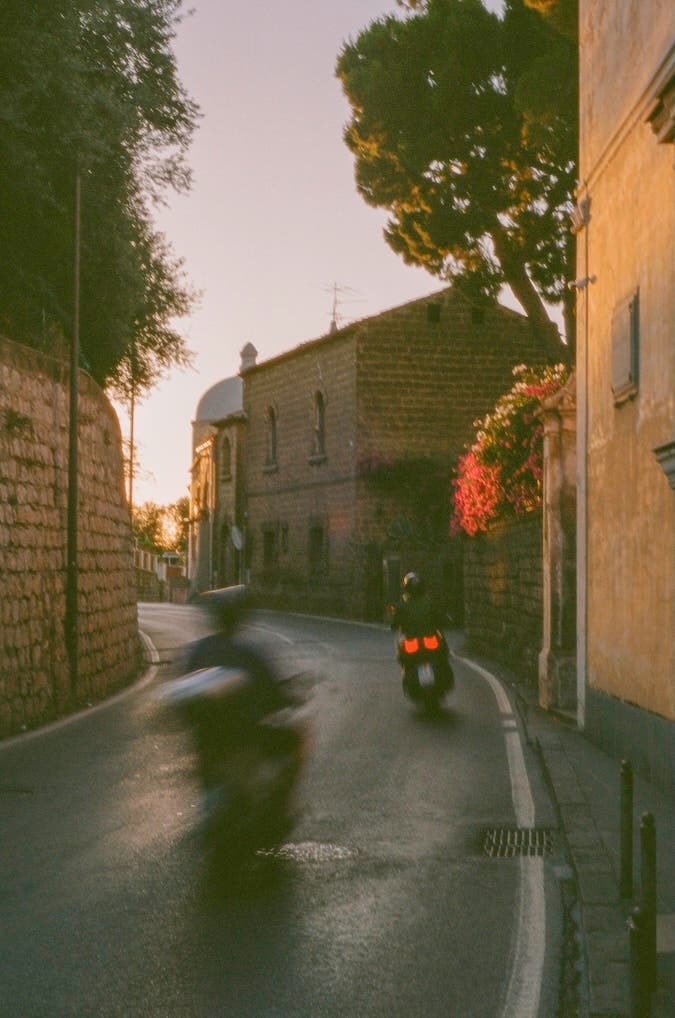
Here’s the golden rule of slow shutter speed photography: The effect of your shutter speed depends on two things – how fast your subject is moving and how close it is in the frame.
Sounds simple, but it’s surprisingly powerful once you start paying attention to it.
Imagine shooting at a shutter speed of 1 second. If someone runs right in front of you, their motion will streak dramatically across the frame. But if that same person is running 50 meters away, the motion will barely register because they’re smaller in your frame.
Now, if you zoom in with a 200mm lens on that same person, suddenly the movement shows up again. Why? Because the subject takes up more of the frame.
Understanding this concept helps you control how much blur you want. Sometimes, a half-second exposure captures just the right amount of motion, while longer ones can turn everything into a smear.
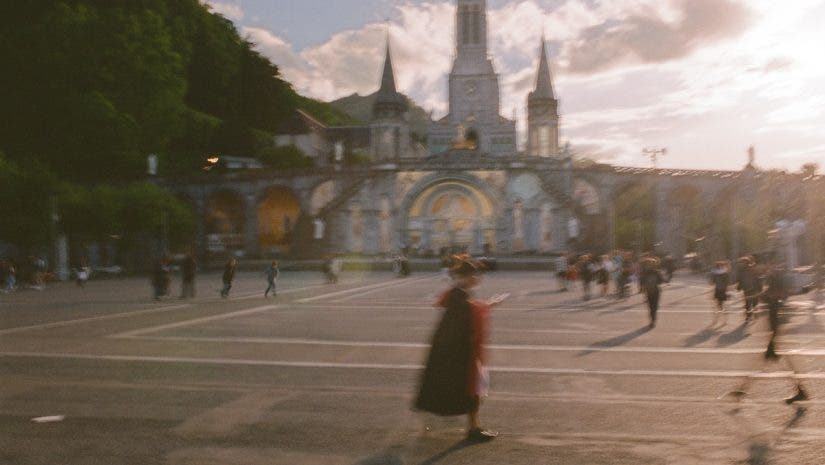
Personally, I find the magic usually happens between ½ a second and 1/60th of a second, depending on how fast your subject’s moving and how close they are. That’s where photos start to feel like memories rather than just documentation.
Finding Movement: What to Shoot When Doing Slow Shutter Speed Photography
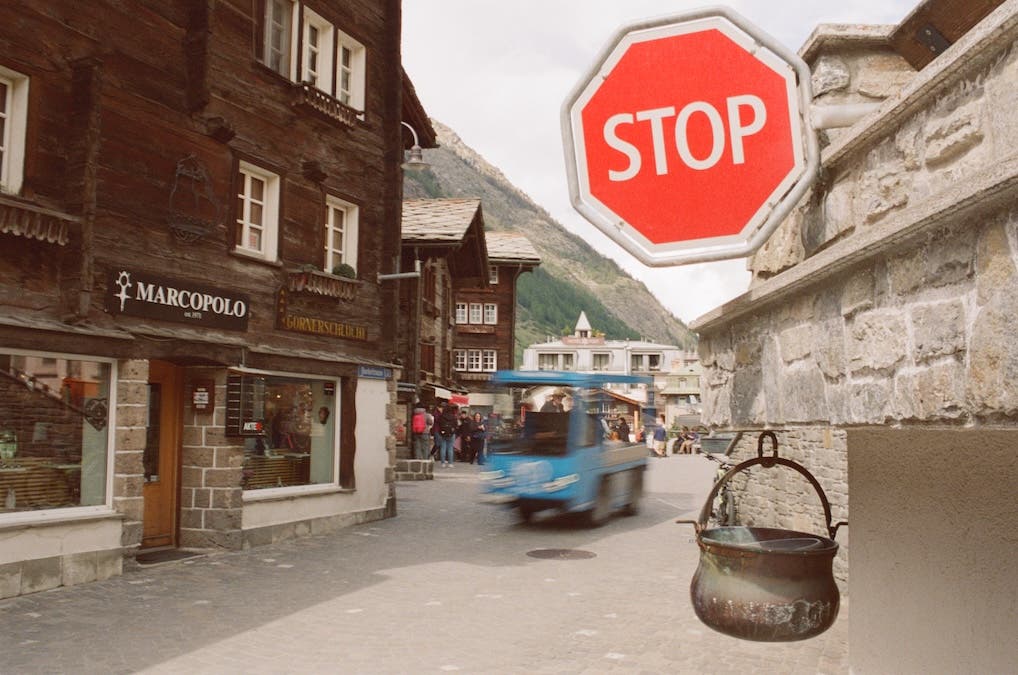
Once you start thinking in slow shutter speeds, you’ll see opportunities everywhere. Birds flying, cars passing by, people walking through light, anything that moves differently from its surroundings becomes interesting. The world turns into one big potential long exposure.
Here are a few of my favourite ways to shoot them:
The Stationary Scene with a Moving Subject
This one’s a classic and the easiest place to start. You find something moving, a car driving by, a person running past and you keep the camera still. The result? A crisp background with a blurred subject cutting through it.
It’s simple, but it can look incredibly powerful when done right. That sense of motion draws the eye and gives the photo life.
To do it, set up your shot (a tripod helps, but not essential). Choose a shutter speed around 1/10th of a second if your subject’s moving slowly, or 1/30th if they’re faster. The trick is to test and adjust too slow and your subject vanishes into a ghostly streak; too fast and you lose the blur entirely.
This technique works especially well when the background is static. A still world with one thing moving through it, that’s storytelling through contrast.
The Panning Shot
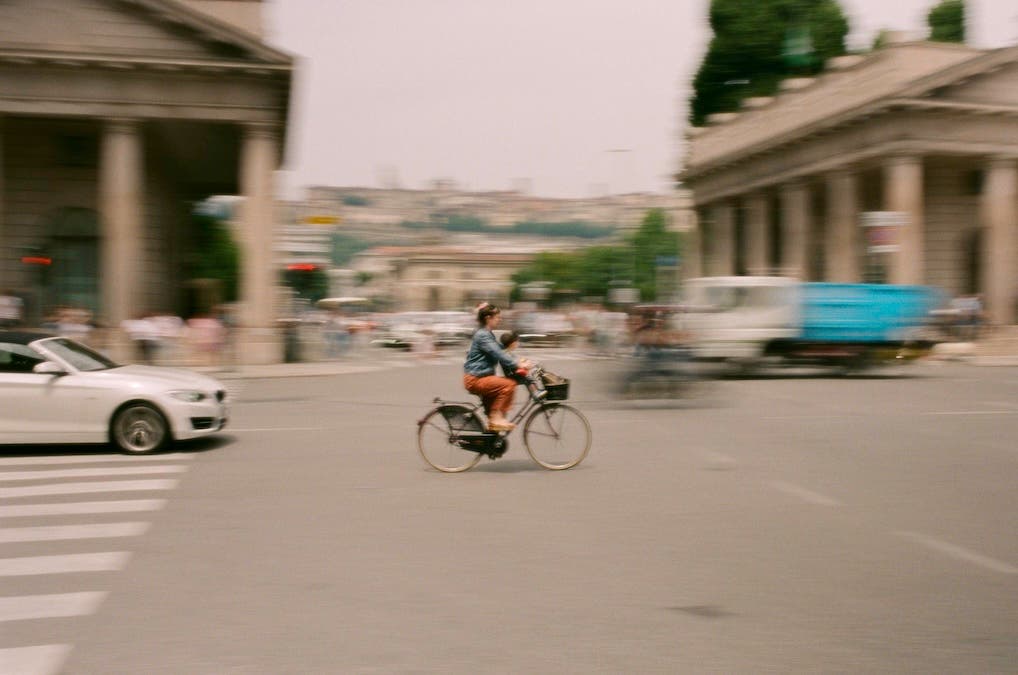
The next one’s trickier but incredibly satisfying when you get it right: the panning shot.
Here, your subject is still moving across your frame, but instead of keeping your camera still, you move it with them. You match their motion as smoothly as possible while the shutter is open, following them through the frame. The goal is to get a sharp subject and a blurred background that streaky, dynamic look that makes the whole image feel like speed itself.
Your shutter speed totally depends on what you’re shooting. A cyclist might need 1/20th of a second, while a car could work better around 1/125th. You’ll need to experiment, no one nails a panning shot on the first try. Keep practising your timing and camera movement and eventually, you’ll start to feel when it clicks.
When it works, it’s magic, a frozen subject in a world that’s rushing past them.
The Creative Blur
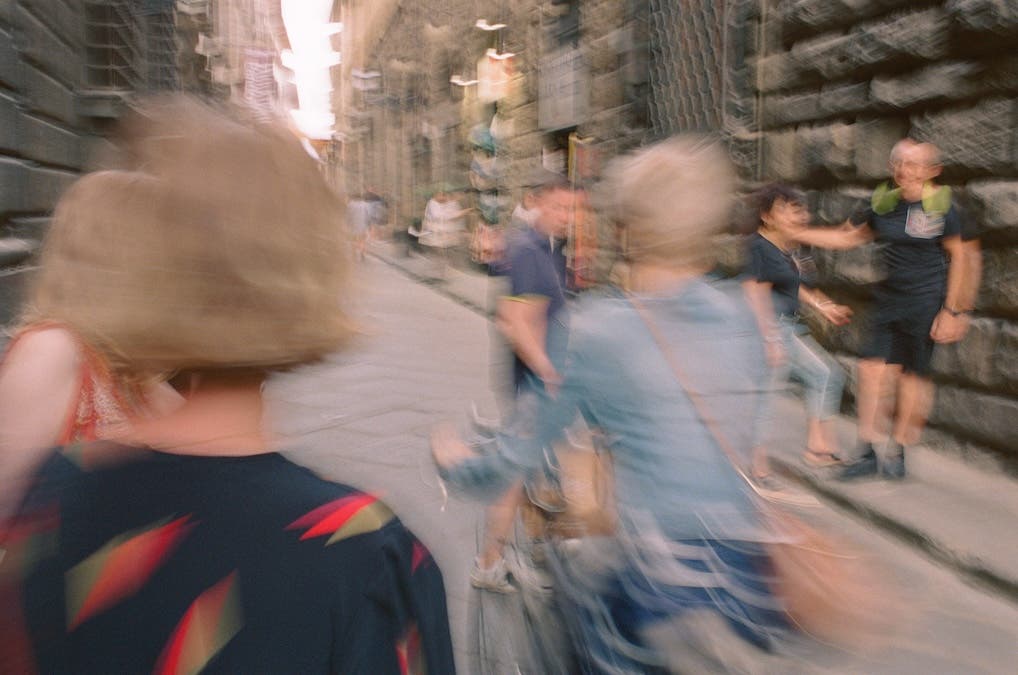
Once you’re comfortable with the basics, it’s time to get creative. Slow shutter speed photography doesn’t just have to be about fast-moving subjects, subtle motion can be just as beautiful.
Think about leaves rustling in the wind, waves lapping at the shore, your friend’s hair blowing across their face, or a dog shaking off after a swim. Even a person walking through shifting light can make for a great shot.
You can also bring slow shutter into portrait work. Try asking your subject to move slightly, dance, spin, or walk and play with shutter speeds around 1/4th to 1/15th of a second. You’ll get these ghostly, emotional blurs that feel cinematic and human all at once.
The fun of this kind of photography is that it rewards experimentation. You can shoot the same scene at ten different shutter speeds and get ten completely different moods. Some might be sharp and nostalgic, others abstract and dreamlike. That’s the point to feel your way into what looks and feels right.
The Magic of Movement
At the heart of slow shutter speed photography is emotion. A little motion blur tells a story: the wind blowing through a city street, the rush of people living their lives, the subtle chaos that surrounds stillness.
So go out and play. Don’t stress about the “rules.” Try different shutter speeds, move your camera, let things blur. You’ll start to see the world differently, not as snapshots, but as flowing, living moments.
Because when you get it right, a slow shutter photo doesn’t just show what happened. It feels like a memory.