Not all cameras are created equal when it comes to sensor size, and the number of megapixels does NOT determine the size of the camera’s sensor. When selecting the best camera for you, sensor size is a major factor to consider. While Full Frame sensors are often the choice of professional photographers, other sensor sizes offer benefits that can still be suitable for creators of all types.
What is a Camera Sensor?
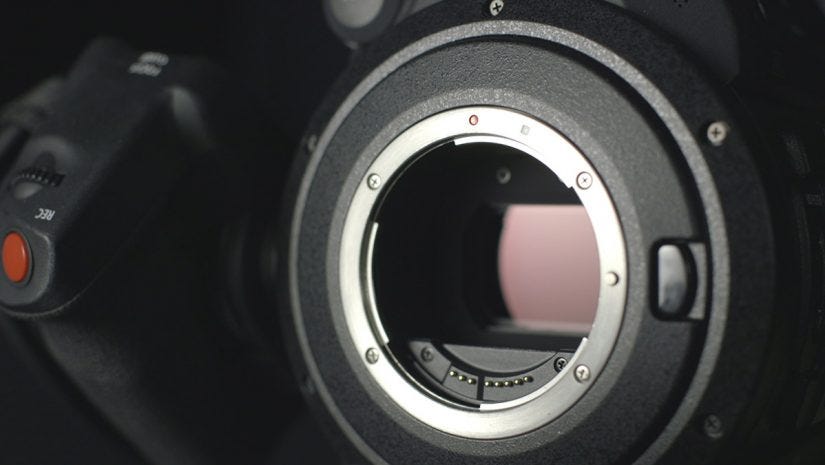
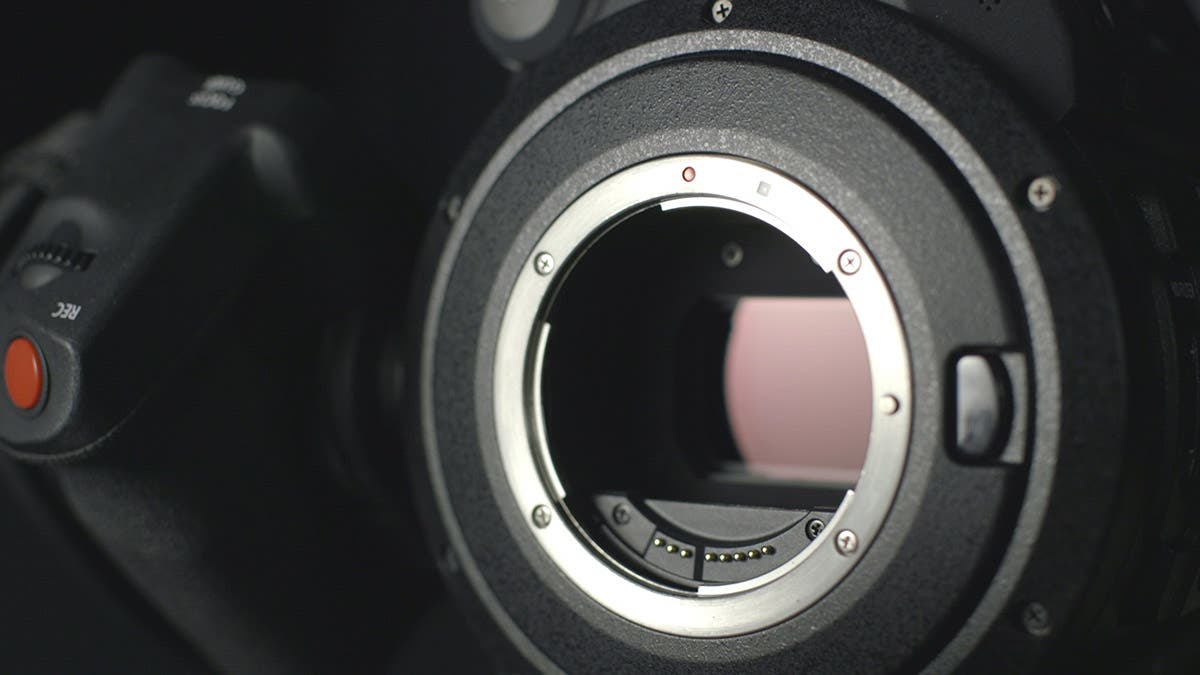
A sensor enables your camera to turn light into an image. When you take a photo, light passes through your lens and hits the sensor, which is covered by millions of light-sensitive elements known as pixels. Each pixel measures both brightness and color of the light and then processes this data into a digital image. While the function of a sensor remains constant across all cameras, its size varies by camera brand and even by individual models within a brand. These size differences come with both advantages and disadvantages for the creator, and choosing the right sensor size is crucial if you’re investing in a camera.
Common Camera Sensor Sizes
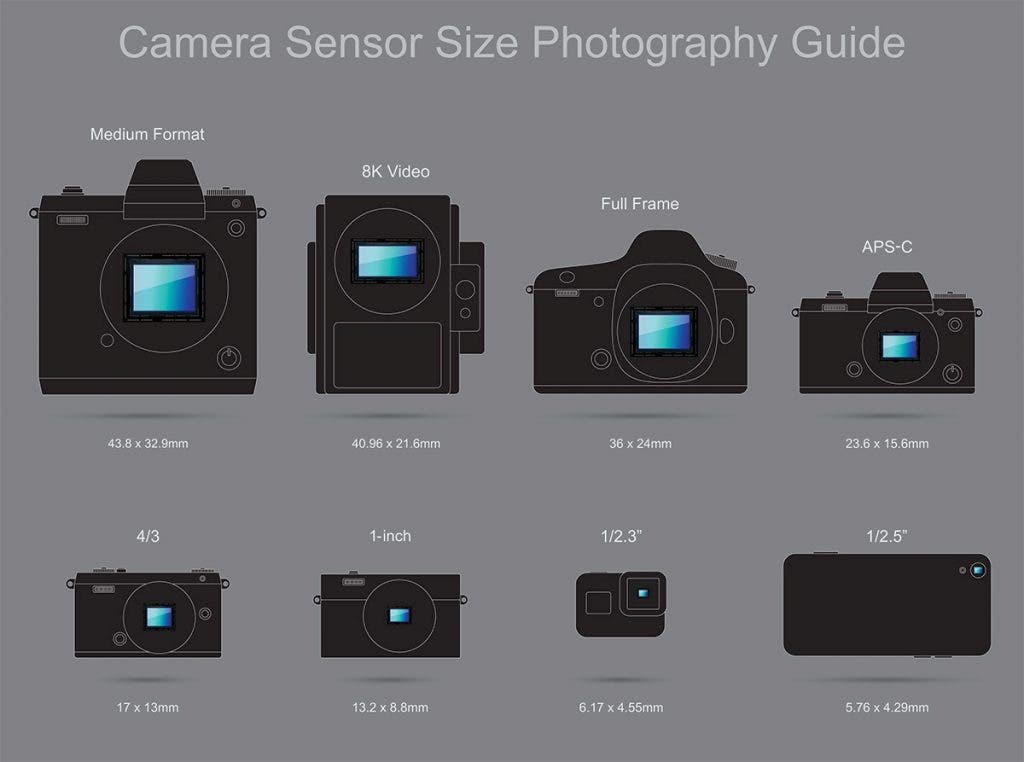
Camera sensors come in various sizes, depending on the camera’s brand and model. Both DSLR and Mirrorless Cameras use the same sensor size measurements, and you can find most of the sensor sizes listed below for both. Let’s review some of the most popular sensor sizes.
Full Frame
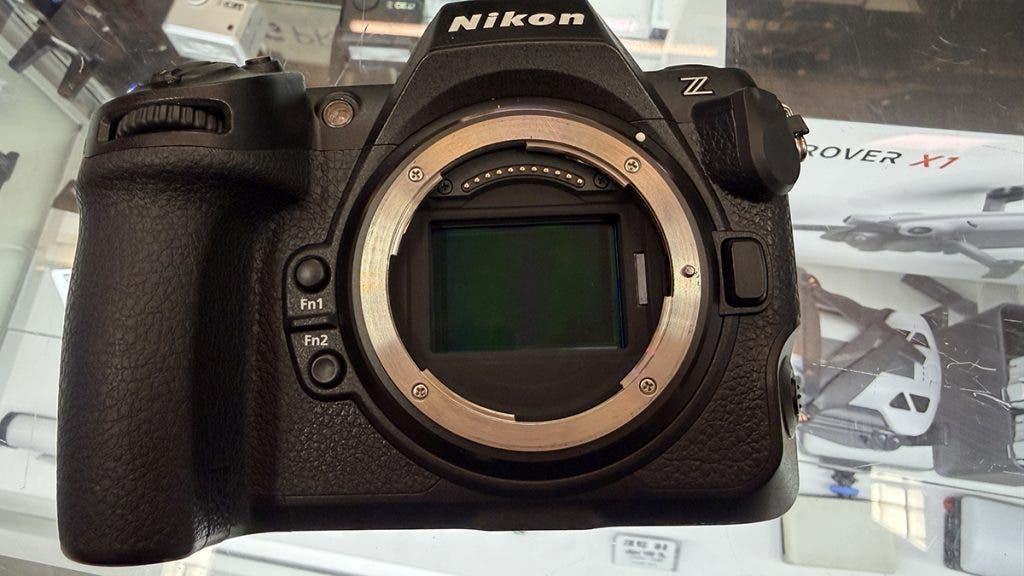
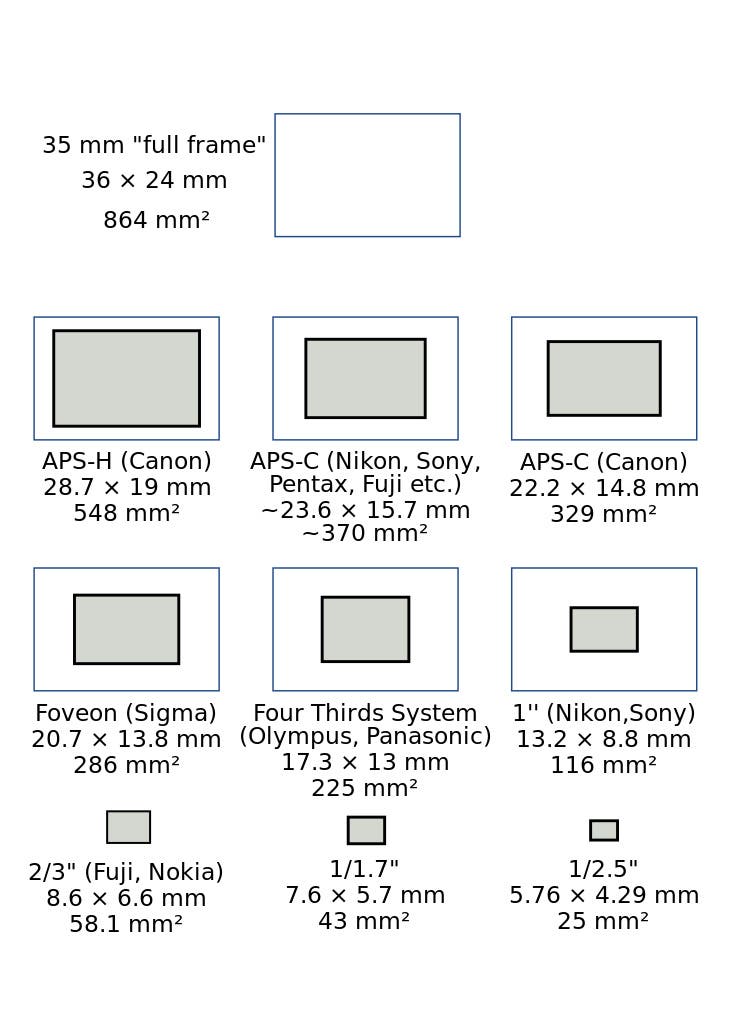
Full-frame sensors have the same dimensions as 35mm film. Most photographers consider full-frame the best option for professionals and those who demand the highest-quality images. The dimensions of a 35mm sensor are typically 36x24mm. Some of the most popular cameras that feature a full-frame sensor include the Sony A7 V Mirrorless Camera, the Canon R6 Mark II, the Leica SL3, and the Nikon Z6III.
APS-C
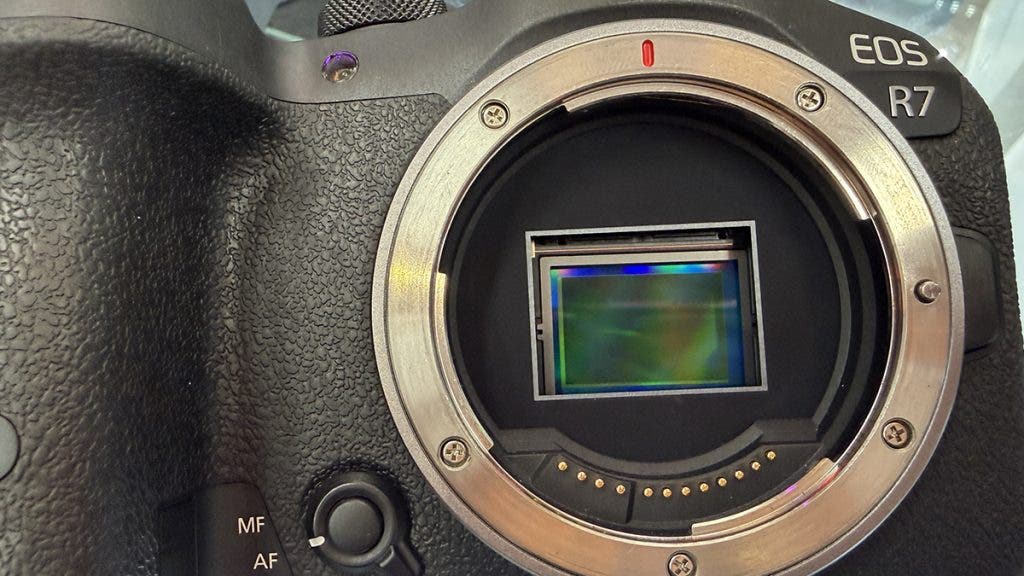
Also known as “crop-sensor” cameras, APS-C cameras are among the most common on the market today, thanks to their versatility and affordability for both amateur and professional photographers. These sensors introduce a crop factor to the focal length of your lens that varies based on the brand, but this means that a lens that has the field of view (FOV) of 50mm on a full-frame camera may have the FOV of 75mm or more on a crop sensor camera. APS-C sensors vary across different camera brands, but most are roughly 24x16mm. Many cameras, including the Canon R7, Fujifilm X100VI, and the Sony Alpha a6700, all hold APS-C sensors.
Micro Four Thirds
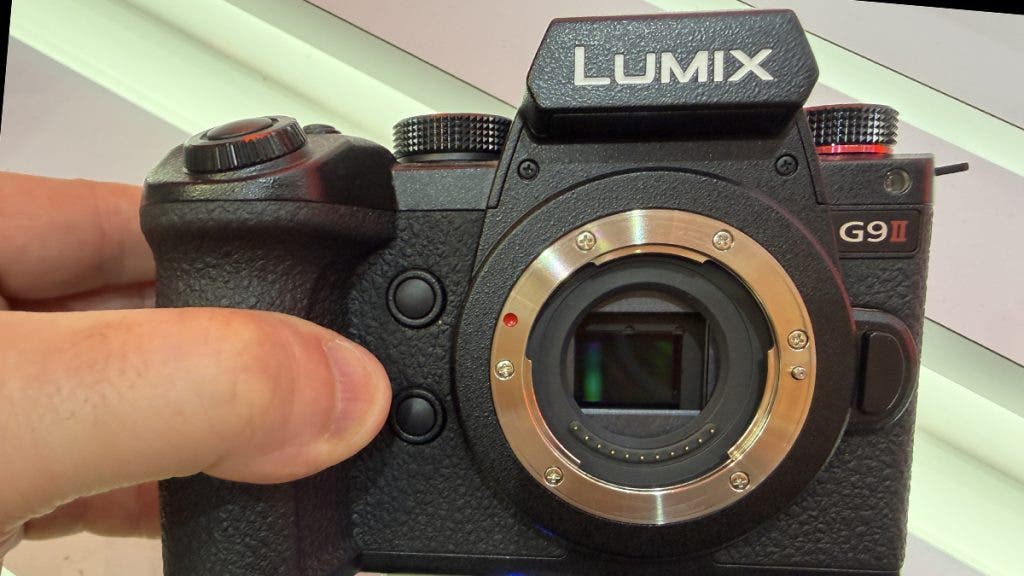
Originally developed by Olympus and Panasonic, the Micro Four Thirds sensor size is smaller than APS-C sensors and has a crop factor of 2.0 compared to full-frame sensors. The sensor size is 17.3x13mm, and it uses a 4:3 aspect ratio. It is included in cameras such as the Olympus OM-1ii and the Panasonic GH7.
Medium Format
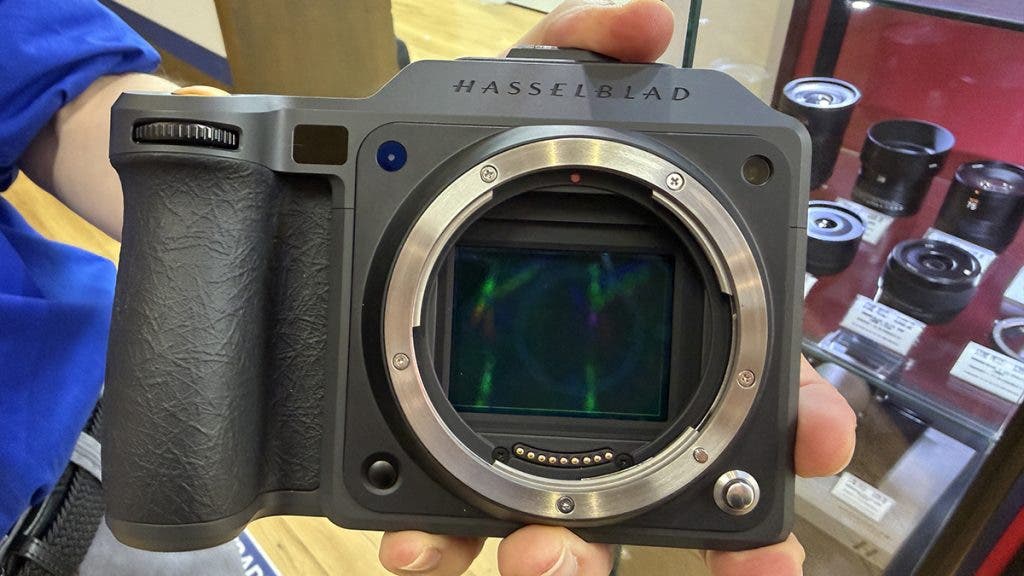
A medium-format sensor is larger than a full-frame sensor but smaller than a large-format film. The term “medium-format” refers to any sensor larger than the 36x24mm full-frame sensor, but it encompasses numerous subgroups of sensor sizes that are all considered medium format. Cameras with medium-format sensors are traditionally heavier and bulkier than their full-frame counterparts, though brands like Hasselblad have begun releasing smaller mirrorless medium-format cameras, such as the X2D II, to offer a more compact option. Since the sensor is larger, these cameras can typically capture higher resolution images and gather more light, resulting in cleaner images with better details.
1 Inch (And Below)
1 Inch and smaller sensors are typically found in point-and-shoot cameras as well as smartphones. These cameras are typically very compact, but the image quality can’t compete with most of the other sensor options on this list. However, some brands have invested in excellent 1-inch sensors over the past few years, and cameras like the Panasonic LUMIX ZS300 and the Sony Cyber-shot DSC-RX100 VII can produce good results that you won’t get with regular point-and-shoot cameras.
Full Frame vs APS-C
Full Frame sensors generally have the advantage over APS-C sensors in image quality due to their larger sensor size, which can collect more light. This leads to less noise in low light, better shadow recovery, and even better dynamic range. However, APS-C sensors have bridged the gap over the years, offering excellent performance in more compact bodies, with a difference much smaller than you’d expect. Most Sony, Nikon, and Fuji APS-C cameras have a 1.5x crop factor, while Canon APS-C cameras have a 1.6x crop factor. This means that the APS-C camera captures a smaller portion of the image projected by the lens, resulting in greater zoom compared to a full-frame sensor. For example, a 200mm lens on a Nikon crop-sensor body will offer the full-frame equivalent of 300mm. This can be beneficial for photographers who need greater reach, such as wildlife and sports photographers.
APS-C cameras are typically more affordable and lighter, making them ideal for travel and budget-conscious consumers. On the other hand, full-frame cameras are perfect for creators who need the best image quality, those who shoot in low light, or anyone who wants the highest resolution for printing.
How Sensor Size Affects Image Quality
Sensor size directly affects image quality because it determines how much light the camera can gather. More light typically means a higher-quality image that is cleaner and more detailed, with better information in both highlights and shadows. Larger sensors typically offer lower noise than their APS-C counterparts because they gather more light, so the camera doesn’t need to amplify the signal as much, reducing noise, especially at higher ISO values.
Larger sensors also often provide a wider dynamic range, leading to better shadow and highlight recovery in post-processing, especially when shooting in RAW. These sensors can also typically record subtler differences in brightness and color, which means you’ll have better gradation between colors and richer tones across the image.
Sensor size is NOT the same as resolution, however. Two sensors of different sizes can still have the same number of megapixels, but the larger sensor will have larger pixels than the smaller sensor at the same resolution. This means each pixel can gather more light.
Crop Factor Explained
Crop factor is a number that tells how much smaller a camera’s sensor is when compared to a full-frame sensor. Imagine the same 50mm lens on a full-frame sensor, and then put it on a crop sensor. With a full-frame sensor, the entire central area is captured. On a crop sensor, only a portion of the light can be captured, resulting in a “crop”. Nikon’s APS-C cameras come with a 1.5x crop factor, meaning that a 50mm lens on a Nikon APS-C camera is equivalent to 75mm. Micro Four Thirds cameras use a 2.0x crop factor, making them ideal for wildlife photographers who need extra reach. Imagine a 400mm lens on a Micro Four Thirds Sensor, which is equivalent to 800mm.
Best Sensor Sizes for Different Types of Photography
Full-frame sensors are by far the most popular amongst professional photographers, as they offer excellent image quality, a large lens selection, and a sufficient ratio between camera size and the image quality they deliver. This makes them ideal for portraits, weddings, low-light photography, and commercial work. Medium-format cameras are a great choice for those who don’t mind carrying a larger body and spending more on their camera, such as fashion, studio, and high-end commercial photographers. APS-C sensors are optimal for price-conscious photographers who need something that is both affordable and packable, making them popular amongst travel, street, and hybrid creators. Finally, Micro Four Thirds sensors are great for wildlife and sports photographers who could benefit from extra reach from their lenses and those who need a lightweight kit that is perfect for run-and-gun shooting.
Does Sensor Size Matter for Video?
Yes, sensor size does matter when choosing a camera for video. 4K video captured on your 1-inch phone sensor is substantially worse than 4K video captured on a full-frame sensor. Just like in photography, a larger sensor can gather more light, which ultimately results in cleaner video.
Pros and Cons of Large Sensors
Large sensors typically have better low-light performance with a wider dynamic range, meaning they can more easily recover shadows and highlights in post-processing. Large sensors also have a shallower depth of field, meaning you can more easily achieve beautiful blurry backgrounds, otherwise known as bokeh. This is due to the need to step closer to your subject to frame them up. For instance, a headshot with a 50mm vs a “75mm equivalent.” Larger sensors also have a wider field of view, meaning that they can utilize lenses to their full capacity without a crop factor.
On the other hand, cameras with larger sensors are typically larger than their crop-sensor counterparts and usually cost more. Most large sensors also capture more data, which means you need more storage space and processing power to handle it.
FAQs
Is Full Frame Always Better?
The best camera for you depends on your intended use. While full-frame cameras typically offer better image quality, this isn’t always the case, and modern technology has helped bridge the gap between full-frame cameras and other sensor types. If you don’t need to capture images in low light at the highest quality, you may find the price of a full-frame camera unnecessary, as you can get very similar results with a more compact, cheaper sensor.
Is APS-C Good Enough for Professional Photography?
Yes, APS-C cameras can be used for professional photography, and many professional photographers may find the benefits of a full-frame camera to be more than necessary to produce their desired results.
What is Crop Factor?
Crop factor describes the difference between sensor sizes when comparing a crop sensor to a full-frame sensor. If you multiply the crop factor by the focal length of a lens, you’ll get the effective focal length when using a lens on a sensor that is not full frame. Most full-frame lenses can be used on crop-sensor cameras, while crop-sensor lenses cannot be used on full-frame cameras. A 24mm lens used on a camera with a 1.5x crop factor is equivalent to 36mm on a full-frame sensor.
Why Do Larger Sensors Perform Better in Low Light?
The larger the sensor, the larger the individual pixel. Imagine a pixel like a bucket of water in the rain. The larger the bucket, the more water it can collect. The pixels on your camera’s sensor function the same way: a larger pixel can gather more light, ultimately leading to cleaner images with less noise and sharper details.
What Sensor Size is Best for Beginners?
No sensor size is easier or more difficult to use than the others, but most beginners opt for an APS-C sensor for lower cost and more compact camera bodies.
Does Sensor Size Matter for YouTube Videos?
Depending on the type of YouTube videos you wish to capture, sensor size may or may not make a difference. For those capturing well-lit in-studio shots, the sensor size will likely have very little difference on the final video. However, if you plan to capture scenes outdoors in low-light and harsh-light conditions, a larger sensor can gather more light and be more forgiving when it comes to preserving highlights and shadows in adverse lighting.
What is better, CCD or CMOS? (By Daniel Norton)
In the last decade or so, CMOS sensors have become a lot more prevalent than CCD sensors. Most consumer cameras and cell phones manufactured today use CMOS sensors. CMOS sensors, in general, use less power, so the camera battery will last longer. They are also typically capable of higher ISOs, which makes creators say they are “better in low light.”
However, there has recently been a growing interest in CCD sensors, with many creators seeking out older digital cameras that use these sensors. Some say the CCD delivers more “film-like” images. Personally, my favorite camera houses a CCD sensor – the Leica M8, and most of my subjects comment on how different the images look from more modern CMOS sensors.
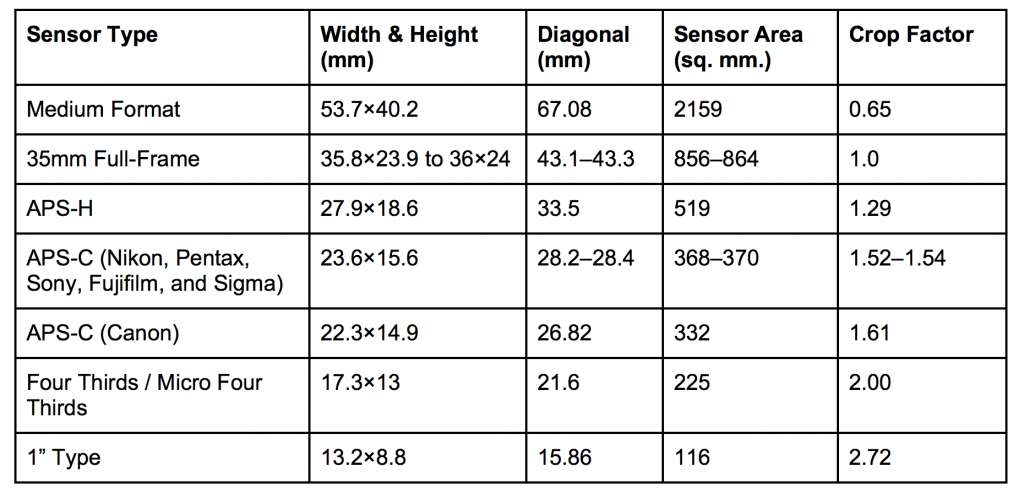
Camera Sensor Size Comparison Table
Feature photo via Shutterstock