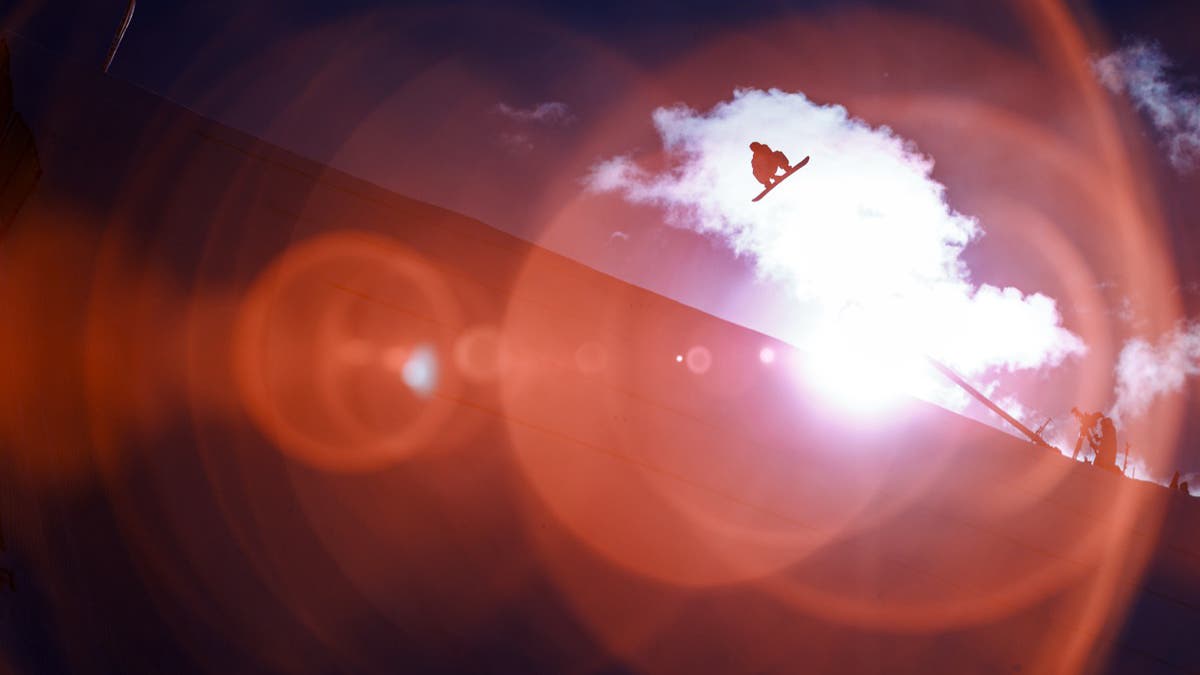
Photographing the Winter Olympics demands far more than showing up with a camera. Getty Images’ teams spend months, often years, planning, coordinating logistics, and refining the technical details required to cover an event of this scale. At the Milano Cortina 2026 Winter Olympics, which wrapped on February 22, their preparation faced its ultimate test as photographers and editors worked in sync to capture and deliver the defining moments of the Games.
Why? “Because the evolution of camera technology has transformed how Getty Images approached and captured the Winter Games. Innovation,” says Michael Heiman, VP of Global Sports. “It’s unlocked new angles, perspectives, and moments once impossible to reach. That means covering the Games has become more than just ‘taking pictures.’ It requires collaborative teamwork, elite precision, endurance in extreme weather, and the ability to work at ultra-fast speeds to get the defining moments and distribute them for the world to see, even outpacing television replays.” Here, Heiman explains just what went into Getty Images’ photo coverage of the games.
Getty Images’ Winter Olympics Photo Coverage in Numbers
The scale of Getty Images’ photo coverage was nothing short of staggering. Over two and a half weeks, the team shot more than six million frames, transmitting roughly 10,000 images a day. Behind the scenes, a seamless global editing operation worked in real time, moving pulse-pounding finishes and gold-medal celebrations from icy tracks and snow-covered ski jumps to Getty Images’ homepage in under 30 seconds.
Getty Images had a team of 120 photographers, editors, and operations staff on the ground, shooting and editing through more than 6 million images from the Opening Ceremony on February 6 to the Closing Ceremony on February 22, including:
- 39 editorial photographers capturing live coverage of all 16 Olympic competition venues around the Milan Cortina region.
- 24 commercial photographers capturing content for top sponsors and paid assignments across the Games.
- More than 20 editors live-editing from Getty Images’ London office and remotely.
- Over 35 operations and support staff ensure the technology, infrastructure, and coverage assignments run smoothly and efficiently.
- Over 10,000 daily photo uploads from 16 venues, ready-to-license and available in close to real-time on gettyimages.com.
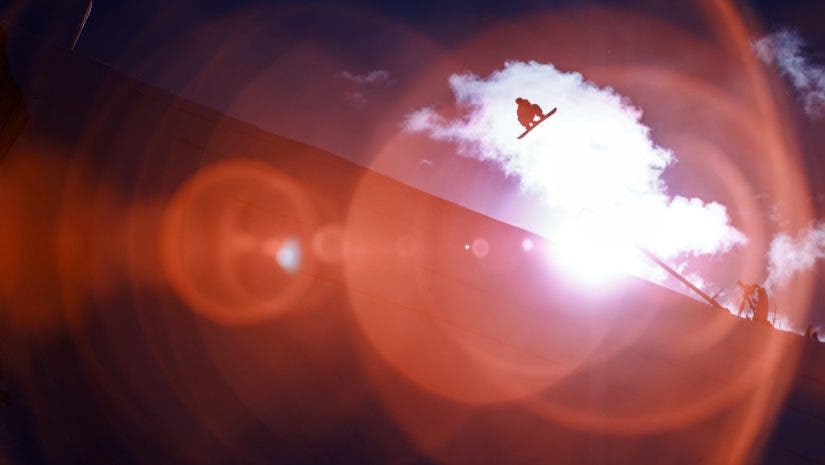
Heiman explains that this year’s Olympic playbook expanded beyond peak action and podium celebrations. Alongside the must-have finish-line shots and medal ceremonies, a dedicated “projects team” reimagined how the Games could look, as photographers experimented with infrared, thermal imaging, layered composites, and even 70-year-old large-format cameras.
“We’ve really supplemented our editorial coverage,” Heiman explains. “Our photographers weren’t just focused on getting the skater or skier at the absolute peak of the jump. They were also immersed in working the Games in ways that employed both innovative technology and creativity.”
Innovative Technology and Creativity
Creative Projects: Back to the Future
Since the Paris Games in 2024, Getty Images has had a dedicated team focusing on creative experimentation. In Milano Cortina, those projects expanded. Heiman breaks it down for us:
One such project, called Layers of the Games, uses stacked digital composites to show motion in a single frame. A snowboarder’s entire halfpipe run, or multiple ski jumpers in sequence, appear layered together, illustrating movement in a way a single frame can’t.
“We can’t shoot video,” Heiman says, referencing broadcast rights. “So how do you show motion in a still photo? This is a great way to do that.”
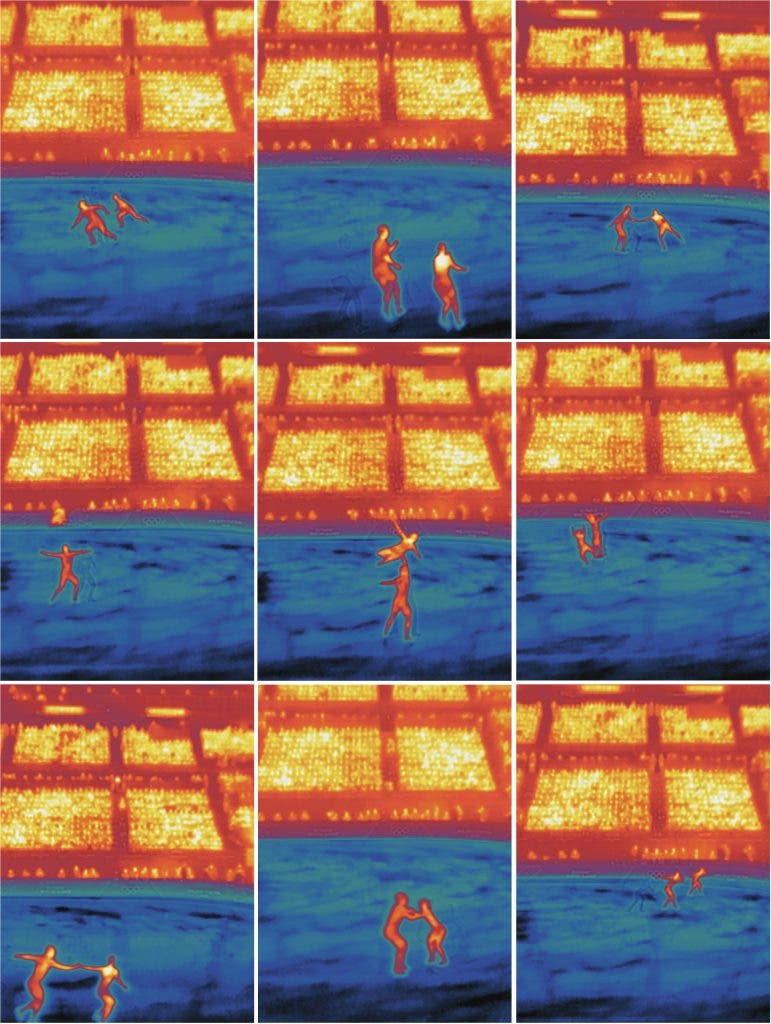
Another project, Winter Heat, uses thermal imaging to visualize the literal heat athletes generate against the cold. Skaters glow in stark contrast to the ice beneath them, fans radiating warmth in the stands behind.
“You see it and go, ‘Wow, they’re putting off a lot of body heat,’” Heiman says. “They’re skating for five minutes, then throwing each other in the air; the exertion is real.”
Vintage Meets Modern
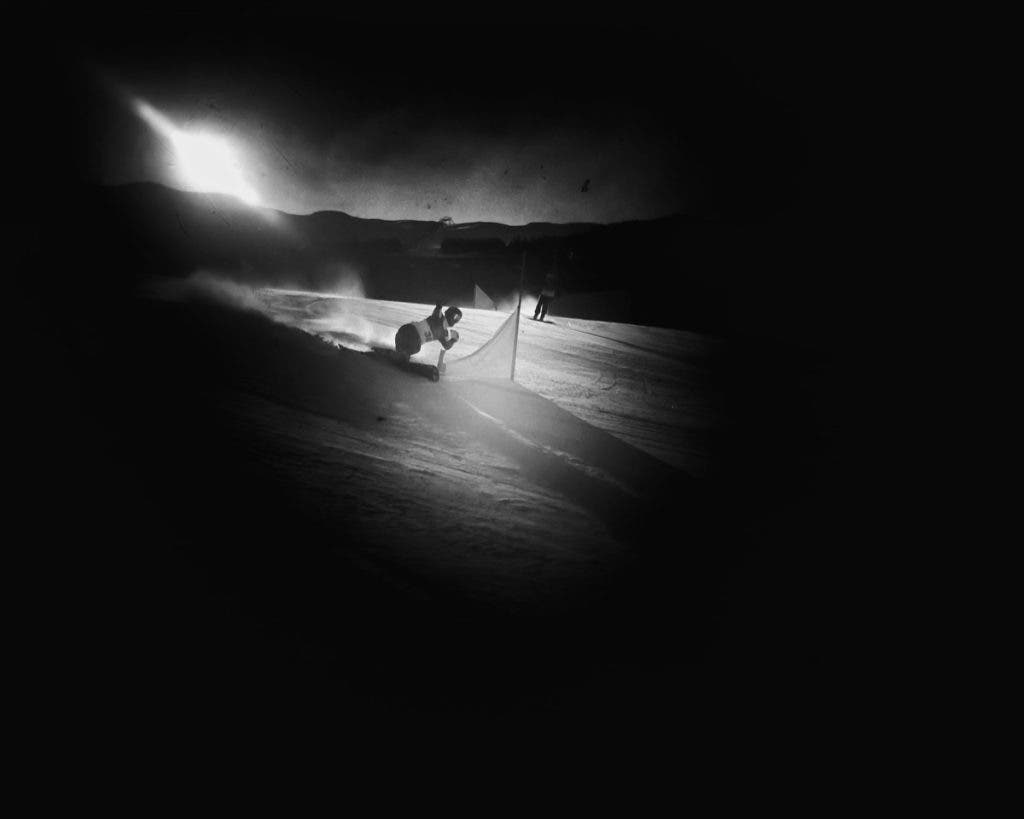
Then there’s Back to the Future: photographers shooting with a vintage Graflex large-format camera, the kind that might have been used at the 1956 Cortina Games, retrofitted with a smartphone back. The result is an image created in-camera, complete with natural vignetting, scratches, and grain from the glass plate.
“It’s not a filter added later,” Heiman says. “They’re seeing the vision in the field and capturing it that way.”
The aesthetic works especially well on fan portraits, a reminder that the Games are as much about the crowd as they are about the competition. “After covering fan-less COVID-era Olympics in Tokyo and Beijing, having spectators back has been transformative,” says Heiman.
“Opening ceremonies without fans was one of the weirdest events I’ve ever been to,” Heiman recalls. “Having them back has been huge.”
Planning Ahead: Remote Cameras and Robotics
Of course, getting it all in place takes time and skilled teams. Heiman says over 60 Getty Images photographers were on the ground in Italy: 39 dedicated to editorial coverage and another 24 supporting commercial partners and sponsors. And behind them, a global editing team that never stopped moving.
Olympic coverage at this level doesn’t happen by accident. Remote cameras, robotics, and network infrastructure, says Heiman, all begin years in advance.
Remote photography has long been part of major sporting events, but the Olympics are different. “We use a lot more robotic cameras at the Games,” Heiman says. “We have the infrastructure, we work with organizers who look at the venues, and ask: if we put a robotic here, what can we get?”
Multiple Angles
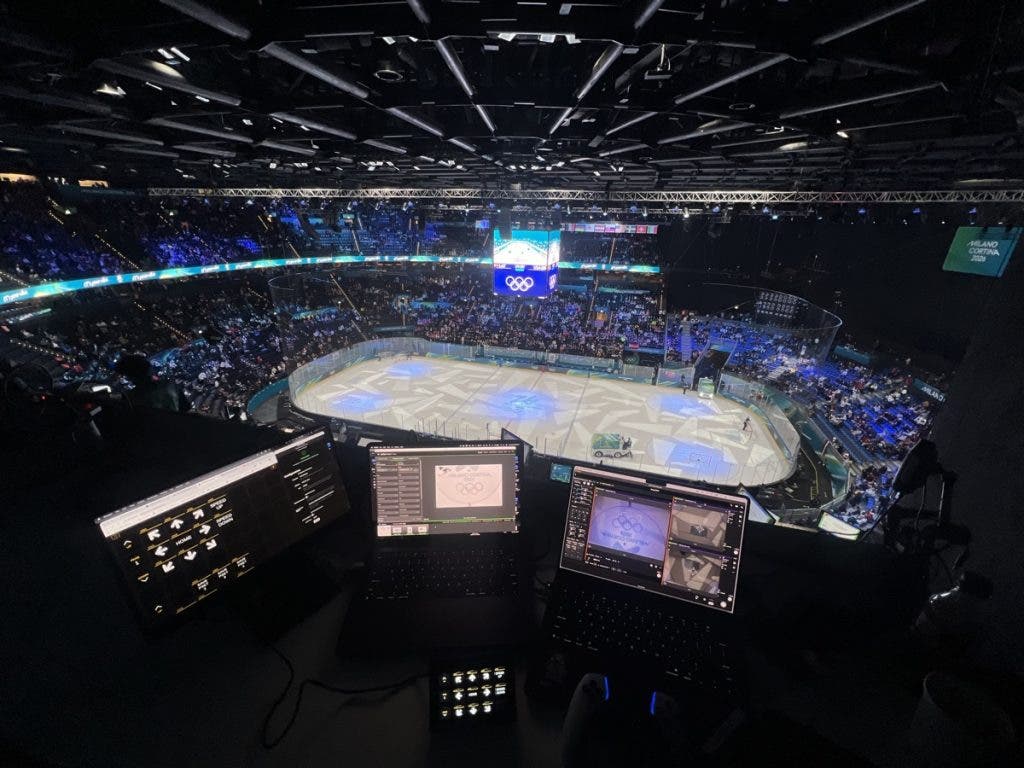
At Milano Cortina, Getty Images installed 12 robotic cameras across different venues. Some were positioned above hockey goals, others embedded in nets or high in the rafters. The result? Multiple angles of the same game-winning goal: the celebration, the dejection, the bench reaction, even the logo beneath the skates, all captured simultaneously.
Thanks to a robust fiber network connecting venues back to Getty Images’ central hub in Milan, Heiman says operators were able to control cameras hundreds of miles away, sometimes with something as simple as a PlayStation controller. For fast-moving indoor sports like hockey or short track speed skating, operators are often on-site to better anticipate the action.
“We shot over 60,000 frames from a single hockey match,” Heiman says. “Between five or six photographers and six or seven remotes, the volume was massive.”
And yet, within 30 seconds of a game-winning goal, the first image was live, edited in London or New York, captioned, cropped, and distributed worldwide.
The Machine Behind the Moment
“When everything’s going well, as it did at women’s hockey one night, we had that game-winning moment out in 30 seconds,” Heiman says. “If you watched our server, it looked alive. Things were constantly moving, getting cropped, captioned, and transmitted.”
Even better, the photographer and editors involved are all specialists in their genre. Many have covered double-digit Stanley Cups or decades of Olympic Games. Getty Images hockey team, led by Hall of Fame photographer Bruce Bennett, brings more than 50 years of experience to the rink.
“It’s muscle memory,” Heiman says. “They know the sport, they know the athletes, they know what’s coming next.”
But speed doesn’t override quality. Editors wait for the true peak moment, the split-second after celebration that turns euphoric, when an athlete jumps, screams, or collapses in disbelief. They balance composition, cropping for vertical social formats and print layouts alike, and the need to serve audiences across dozens of countries.
“It’s not just about the gold medalist,” Heiman says. “The bronze medalist might represent a country winning its first-ever medal. We have to be all things to all people.”
Capturing a Sense of Place
Beyond action and emotion, there’s another priority: making sure you know exactly where you are.
“The Olympics are so photographically clean,” Heiman says. “The venues are designed in a way that makes for amazing pictures.”
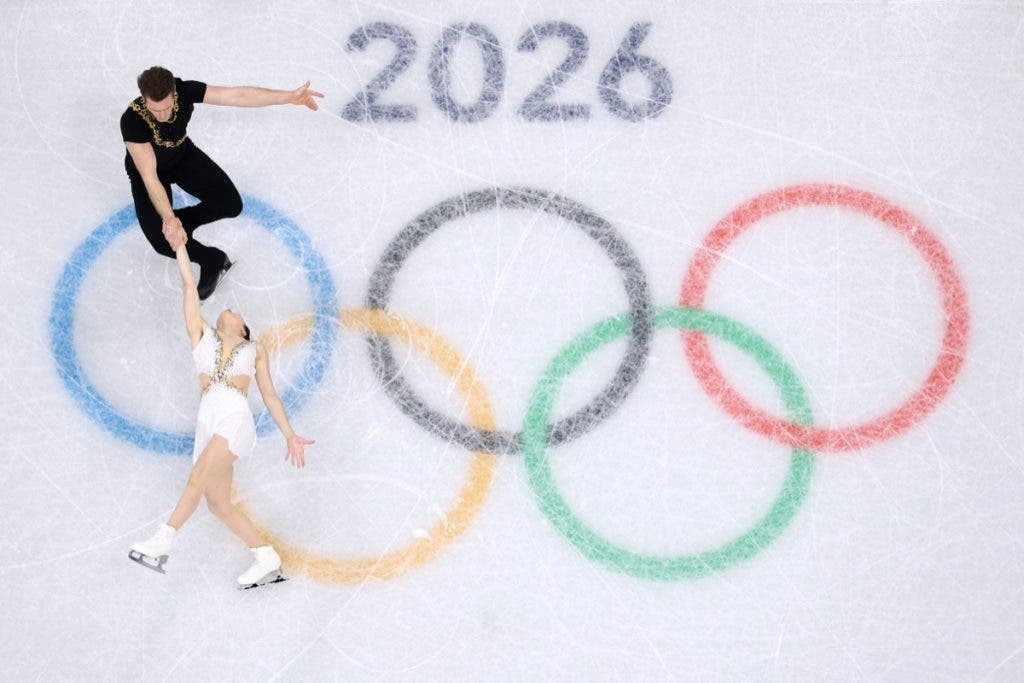
Photographers deliberately align athletes with Olympic rings, venue signage, and architectural details to create a sense of place. “A figure skater spinning across the Olympic logo, a ski jumper framed against the Alpine landscape. These are images that will still read ‘Olympics’ 10 years from now.”
Remotes and robotics play a crucial role here, allowing photographers to shoot from angles impossible at the field level.
“If you shoot a skater tight from ice level, it could be anywhere,” Heiman notes. “But if you pull back and include the rings, the branding, the crowd, that’s the Games.”
Celebration, Dejection, and Everything In Between
Of course, at its core, Olympic photography still hinges on emotion.
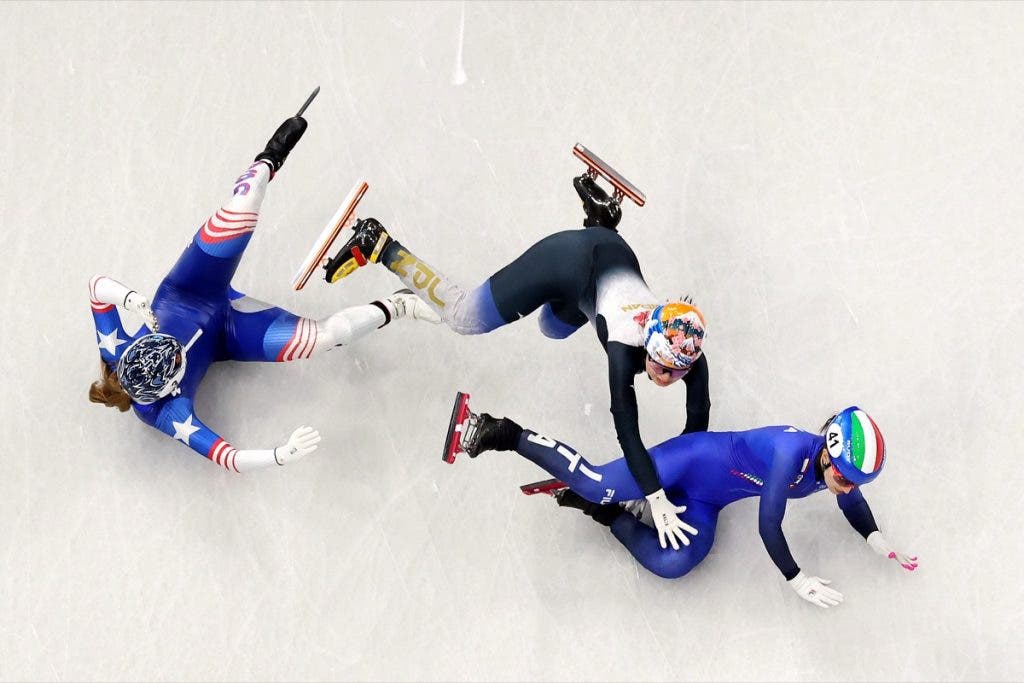
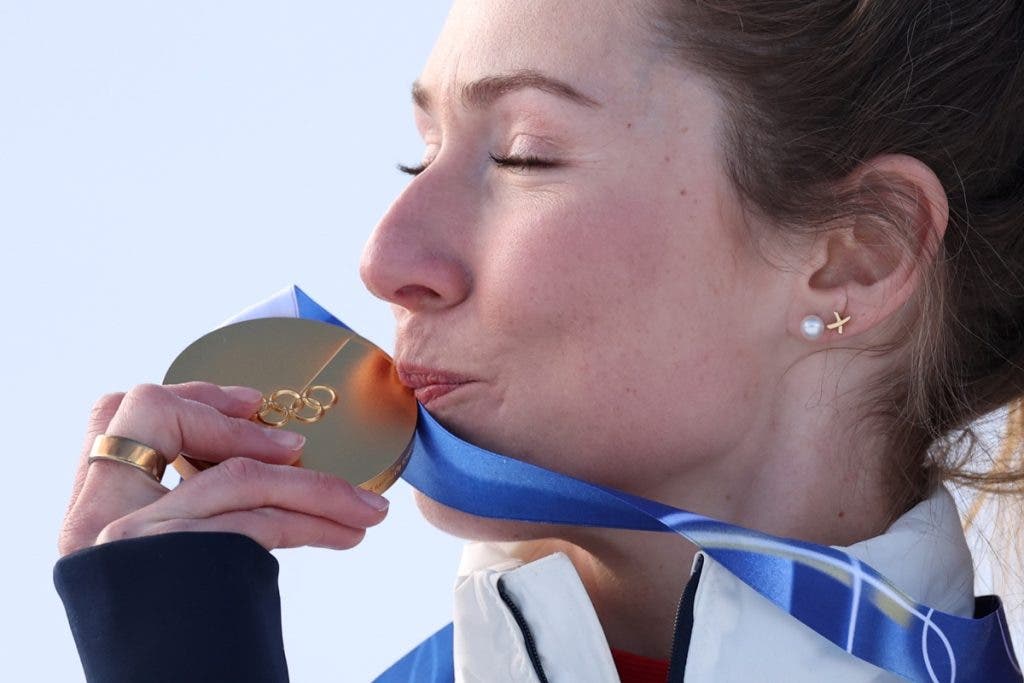
A shirtless gold medalist roaring in triumph. A quiet moment of an Alpine skier kissing her gold medal. A short track speed skating crash, ice spraying, faces contorted, bodies tangled, captured with cinematic intensity.
“You do have to make decisions,” Heiman says. “Do you go on the crash, or do you go on the finish? Ideally, you’re backed up by a remote so you can get both.”
The goal is to show the full spectrum: triumph and heartbreak, chaos and stillness.
“Sometimes it’s the quiet, personal moment,” he says. “Other times, it’s an athlete ripping their shirt off. Both are important.”
The Come Down is Worth It
When it’s all over, after the Closing Ceremony, after the servers slow and the final medal is awarded, there’s an inevitable letdown.
“You’ve been working 14-hour days,” Heiman says. “You’re exhausted. You miss your family. But there’s always a bit of a come down.”
After three weeks of building and running a global photographic machine, packing up the media center in a day and a half feels almost surreal.
“It’s quiet,” he says. “And you wonder why you’re sad to leave.”
Maybe it’s because, for a few weeks, the world narrows to one singular purpose: capturing history as it happens, in six million frames, in 30 seconds flat, and sometimes, through a 70-year-old lens.