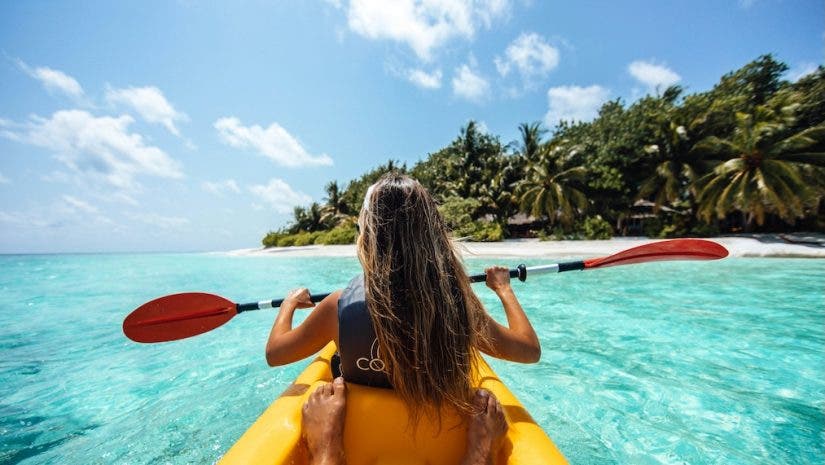
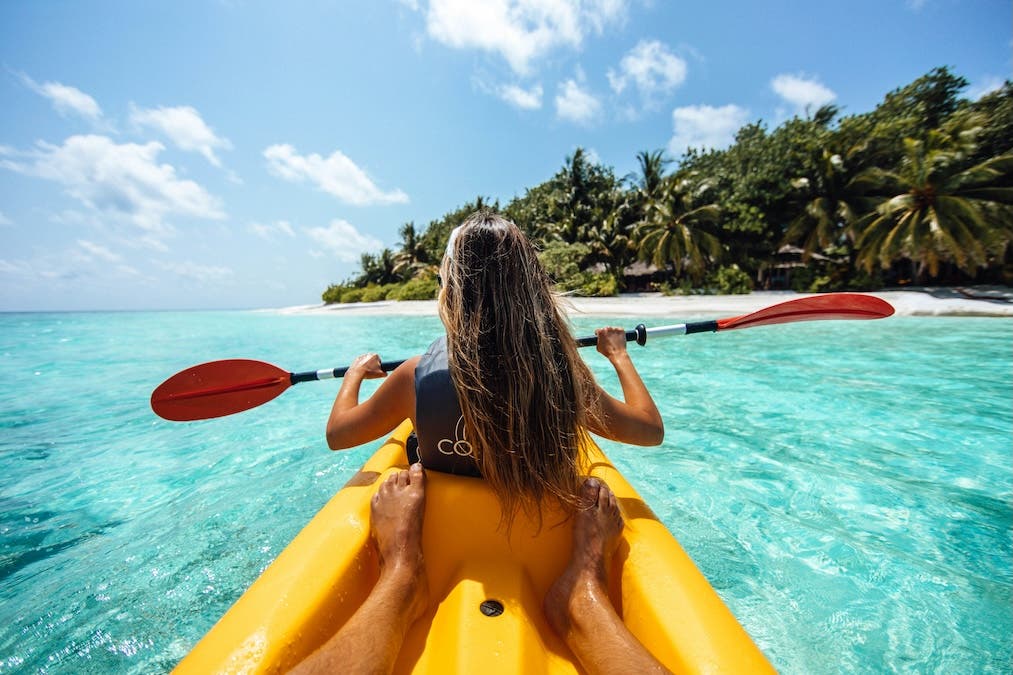
As a nature photographer, choosing a rugged camera is a no-brainer. You really need a solid body build and resistance to shocks, water, dust, and extreme temperatures for any type of outdoor photography. Consider rain covers and UV filters, too.
However, when your adventures get even more extreme, such as paragliding or scuba diving, you may need much more than a splash-resistant camera. So, here is how to choose a rugged camera for any situation and adrenaline level.
Based on Camera Type
If you consider adventure photography from a photographer’s point of view, chances are you first choose the camera and then take it on an adventure. It means you are more likely to judge a camera by its features and decide based on image quality and versatility. However, it helps to have adventure in mind from the get-go. You can easily find a rugged camera amongst the following camera types:
DSLR Cameras
DSLR (digital single-lens reflex) cameras are bigger and bulkier than other camera types and may not seem the obvious choice for adventure. However, they are also best at image quality and versatility. DSLRs come with large image sensors, a broad variety of lenses, and the ultimate level of control. Due to their larger body size, they have a more solid build and longer battery life.
Being on the market for a very long time, DSLRs have had time to evolve and improve in terms of ruggedness. Major brands like Nikon and Canon offer weather-sealed DSLRs with sturdy bodies able to resist shocks, scratches, and dirt. They are recommended for photographing wildlife and sports, for photojournalism, and for any mild outdoor photo adventure.

Mirrorless Cameras
Mirrorless cameras are more compact and lightweight than DSLRs, which makes them ideal for hiking, biking, and other adventures where you have to carry the gear for a longer time. They also tend to have advanced autofocus systems using AI algorithms, able to detect and track objects like people, cars, and animals, which is nice to have for better clarity and fewer ruined photos. Mirrorless cameras are also very good at recording videos.
If you prefer to take a mirrorless camera on your adventure, consider a weather-sealed body, robust materials such as rubber and magnesium alloy, shock and scratch resistance, operating temperatures between at least -10°C and +40°C, and an ergonomic design with excellent grip.
Compact Cameras
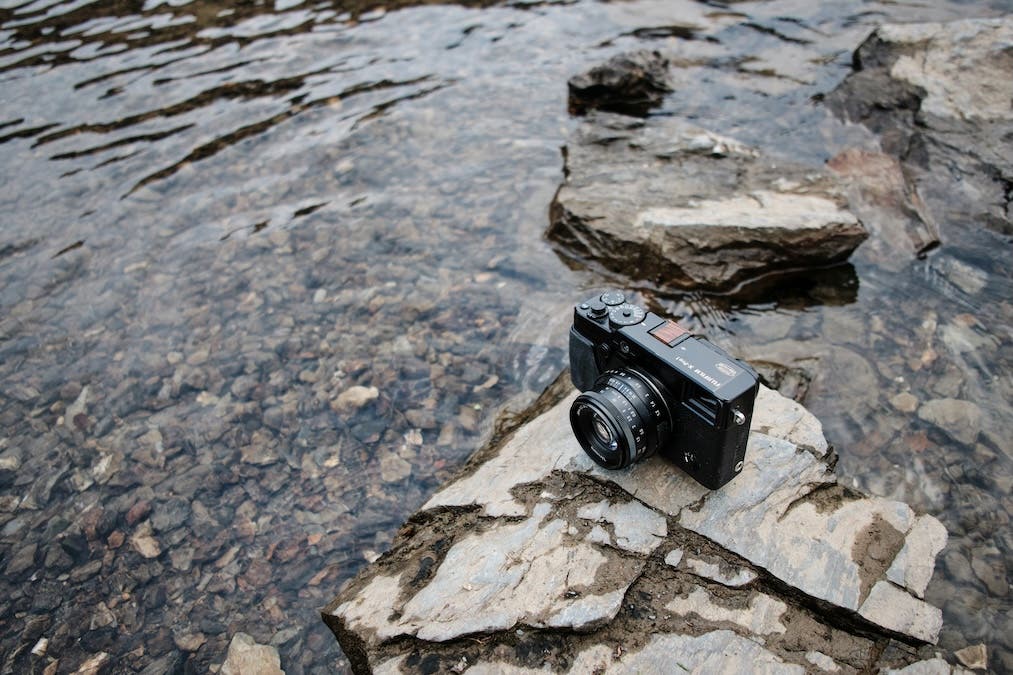
Compact cameras don’t have interchangeable lenses or all the manual controls of a DSLR or mirrorless camera. Instead, they have intuitive, easy-to-use, automatic or semi-automatic controls, zoom lenses with exhaustive focal length ranges, and a tiny body that fits any pocket.
Yes, their performance in terms of image quality is lower than that of professional cameras, and you may feel the limitations, especially in low light or harsher shooting conditions. But at the same time, compact cameras cost much less than professional cameras and, if you respect their limitations, no one will know you didn’t use a professional camera.
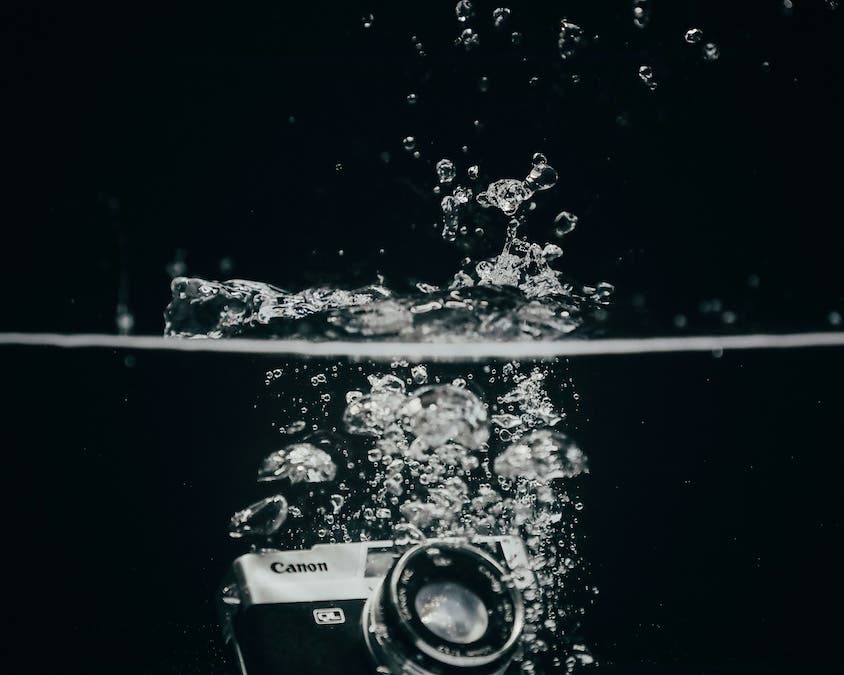
Compact cameras are also better than DSLRs and mirrorless when it comes to ruggedness. They may be completely waterproof and able to shoot underwater, such as some OM System and Kodak models. Also, they may be shockproof and have no problem being dropped from as high as 2 m (6 ft). They may withstand extreme temperatures. Not sure if you need this one, but some compact cameras are chemical-proof.
Action Cameras
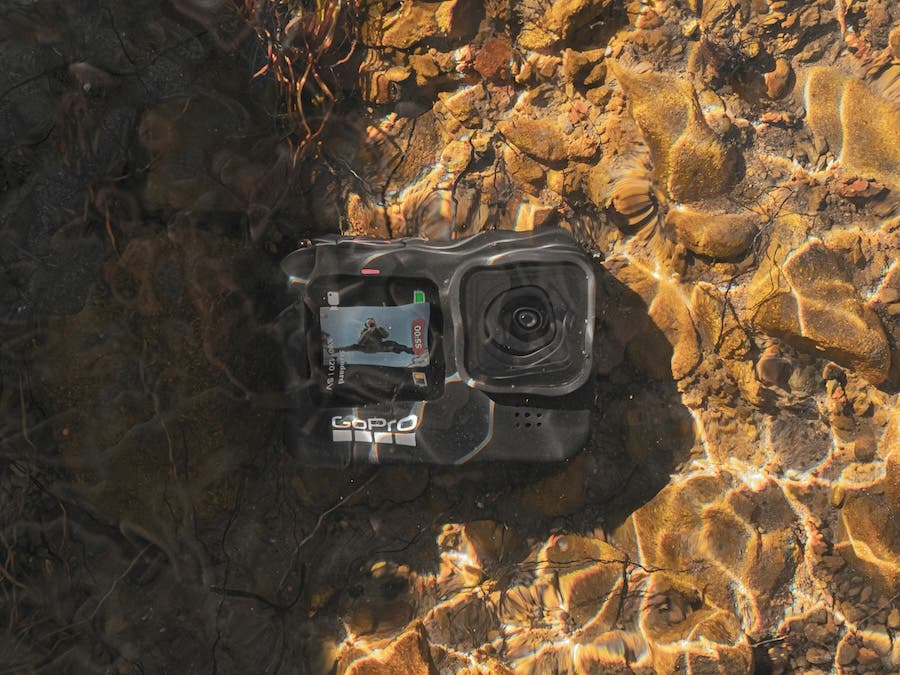
Action cameras, such as the well-known GoPro cameras, are excellent at recording action videos. They don’t need much setting up and are the smallest cameras available, so there is no reason not to pack one on your next adventure. Designed for adventure, action cameras are waterproof, dustproof, and shockproof. They come with all sorts of cool accessories, such as supports for mounting on helmets or straps to place them on humans.
If you’re going for the ultimate action camera, consider standard features (e.g., image quality, video capabilities, battery life, etc.), but also the extra features that make it all the fun, such as 360-degree shooting (e.g., Insta360 cameras), invisible selfie stick, high-brightness touchscreens, subject tracking and centering (e.g., DJI cameras), and accessories (e.g., for underwater photography, for motorcycling, etc.).
Based on Adventure Type
If you have already decided on the adventure and need a camera to go with it, how you choose a rugged camera changes a bit. Adventure type dictates the boxes the camera must check, such as waterproof until a certain depth, autofocus properties, resistance to dust and sand, and operating capacity at freezing temperatures. Don’t worry; there is a camera for every need.
Fast Action
Action cameras, such as GoPro, DJI, and Insta360, are the best candidates for recording fast action. If you consider filming someone jumping out of a plane, snowboarding, or motorcycling, load your bags with action cameras. You can mount them on yourself and on the subject to capture the action from various angles.
However, for photographing fast action from a distance (e.g., sports), you may be better with a high-end rugged DSLR and a telephoto lens. DSLRs produce beautiful shots and capture all the data you need in generous RAW files.
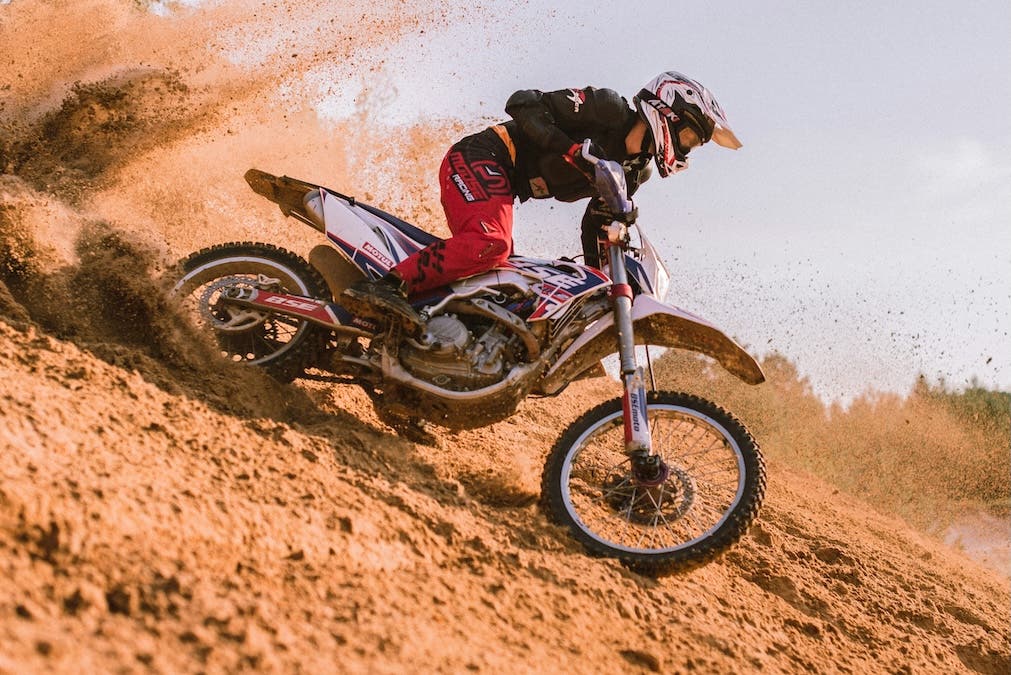
If tracking the subject is something you consider (e.g., motor sports), check out a mirrorless camera with an advanced autofocus system capable of detecting and tracking your subject matter.
Water Adventure
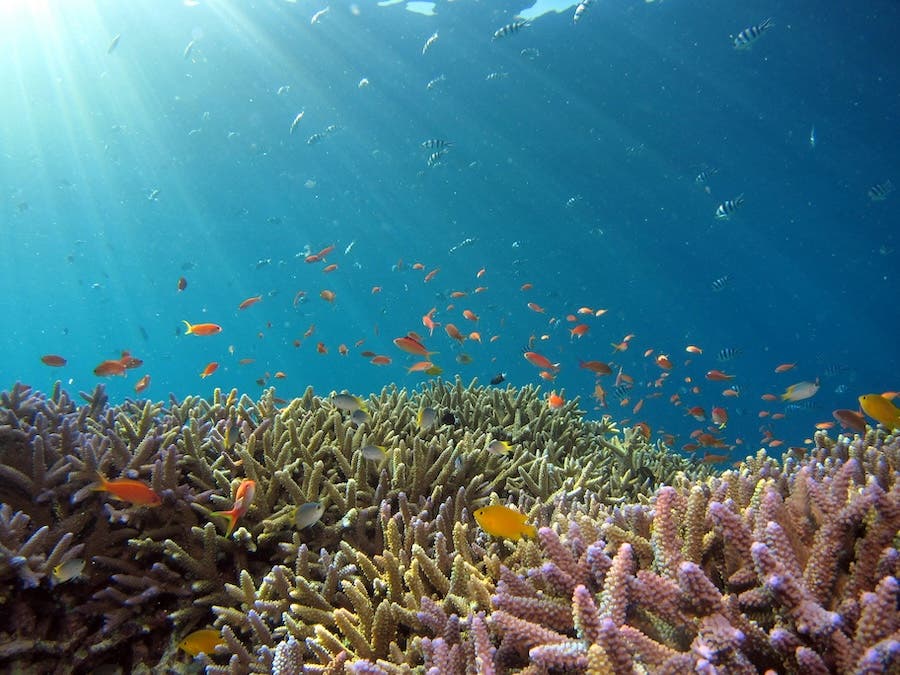
When planning to take photographs or film underwater, the camera must be able to operate at depth. You need a different camera for snorkeling, for instance, than for diving. In the first scenario, a rugged camera with a waterproof body may be enough. In the second one, you may also need a special camera housing to protect it from water and pressure. It may also be nice to have a camera able to capture 360 degrees around you. The vast ocean scenery deserves it.
Even when you don’t plan to place the camera underwater, you may need a splash-resistant camera. Taking photographs from and of any type of boat, at the beach, at waterparks, or on rainy or snowy days requires a camera with a minimum of water resistance.
Risky Business
Let’s say you are going on a safari. You need a camera able to resist dust and shocks, but also a versatile camera that allows you to adapt to whatever situation you encounter. For wildlife in the distance, you may need a telephoto lens. For environmental shots, you may need a wide-angle lens. As you will be shooting in unpredictable conditions and on the move, you may want to consider a smaller camera, such as a Micro Four Thirds camera, which is a mirrorless camera with a smaller sensor. It provides all the benefits of a professional camera while being easier to maneuver.
A discrete and ergonomic mirrorless camera is a good choice when your adventure takes place on crowded city streets, too.
Based on Workflow
Workflow is another factor to consider when choosing a rugged camera for adventure. You may have the highest quality camera or the one ideal for the type of adventure you are capturing and still miss the shots due to workflow.
Stationary Setup
In a stationary setup, you rely on a good autofocus system to capture a moving subject. You need a professional camera, fast and efficient, able to freeze motion, perform exquisite focus stacking, and take high-resolution photos for room to edit them in post-processing. For this workflow, camera weight and size aren’t a priority, so go for a DSLR or mirrorless model.
On-the-Go Shooting
When you move alongside your subject, on the other hand, you want a lightweight camera, compact, and with a good grip. You may choose an action camera attached to your body or helmet. Or you may choose a compact camera with an impressive zoom range to allow you to react fast and follow your subject no matter what.
When the Photographer Is the Adventurer
If you’re recording your own adventure, rely on an action camera on a selfie stick to ensure you’ll capture the excitement and adrenaline. It’s what most people use to film themselves jumping off planes, snowboarding, paragliding, and doing any other adventure activity that leaves their hands free. If you don’t have a free hand to hold the selfie stick, go for mounting accessories that let you attach the camera to your helmet or to your body.
Final Thoughts
For me, the best camera is the one that seamlessly fits the adventure, allowing me to capture the story behind the experience. Choosing a rugged camera for adventure comes down to three aspects: technical requirements, environment, and workflow, and features like robustness, portability, grip, autofocus, and mounting options.