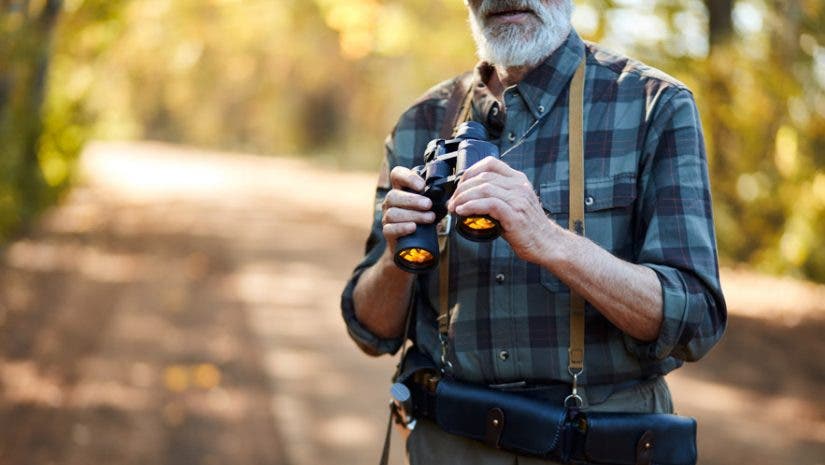
Whether it’s for birding, sporting events, or stargazing, a good pair of binoculars can get you right up close to the action. From compact binocular models that fit in your pocket to giant models that offer extreme magnification, binoculars come in all shapes and sizes. Image stabilization can help smooth out the view, while waterproofing can come in handy if you’re taking them on or near water. No matter your use, here’s how to choose the best binoculars for you in 2021.
Binocular features and specs
Binoculars, also commonly referred to as binos, are usually described with two numbers, like 8×32, 10×42, 16×50, and so on. Let’s take a look at how those specific numbers work, as well as field of view and image stabilization.
Magnification amount
The first number is the magnification amount. A 10×32 binocular has a 10x magnification, which means it would magnify the image by 10 times. The tradeoff with magnification power is two-fold. The first is that the field of view gets smaller as the magnification goes up. Which is to say, at higher magnifications you may experience better overall bird watching, but you won’t be able to see elements around the bird (like the tree, for example).
With a smaller field of view, it may be harder to find what you’re looking for. There’s no right or wrong magnification though, it’s all down to your preference. Typically, higher magnification binoculars are more expensive. They’re also, generally speaking, larger than a lower magnification binocular.

Objective lenses size
The real indicator of size is the second number. It tells the size, in millimeters, of the objective lenses, aka the ones farthest from your face. So for our 10×32 example, the large front lenses are 32mm in diameter. Larger lenses let in far more light than smaller lenses, so you’ll see a potentially clearer and brighter image. However, this also means the binoculars themselves will be larger and heavier.
For portability, you’ll want a smaller number. For a better image quality, go larger. Keep in mind, though, these two numbers don’t tell you everything. Two models with identical numbers could look different in use.
Field of view and image stabilization
Another feature worth considering is field of view. Two models with same-size lenses and same magnification can have different fields of view. A wide field of view is generally better, since a greater area is magnified, letting you see more, but it’s one of many factors you’ll need to keep in mind when picking the best binoculars for you.
Some high-end models feature image stabilization. This is similar to what’s found in expensive cameras and lenses, and it helps minimize the shake and wobble typical of all binoculars. No matter how steady you think your hands are, once you’re focusing far in the distance on one spot, even little movements to the eyepiece are highly magnified.
Binocular recommendations
Here are a few standout models of binoculars across different price ranges to aid your bino search.
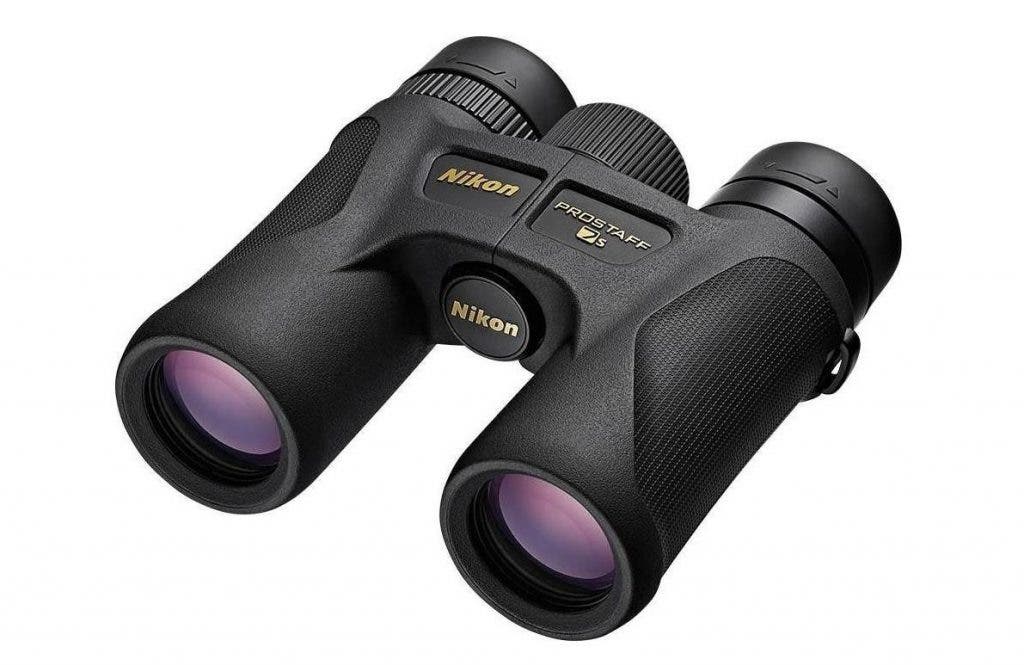
Nikon 8×30 Prostaff 7S Waterproof Roof Prism Binoculars
The Nikon 8×30 Prostaff 7S are lightweight, compact binoculars with 8x magnification and an ergonomic body. They have a 6.5-degree field of view, which equates to 342 feet at 1,000 yards. The 14.8-ounce, rubberized body is waterproof, non-slip, and nitrogen-filled to prevent fogging. They also have a lifetime warranty from Nikon.
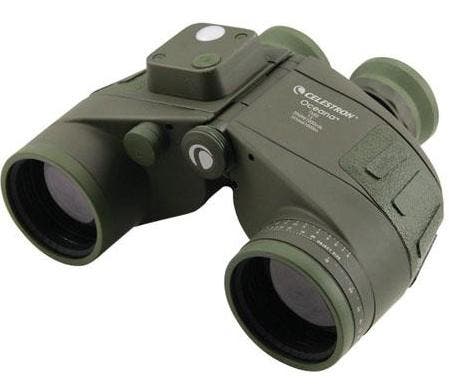
Celestron 7×50 Oceana Marine Waterproof Porro Prism Binoculars
The Celestron 7×50 Oceana Marine Waterproof Porro Prism Binocular is a rugged model with 7x magnification and 50mm objective lens diameter. They’re water and fog-proof, and have a camouflage-colored rubber coating for better grip and protection. Inside is an illuminated compass and rangefinder reticle, and the lenses are multi-coated to allow for max resolution. Plus, they have a lifetime limited warranty from Celestron.
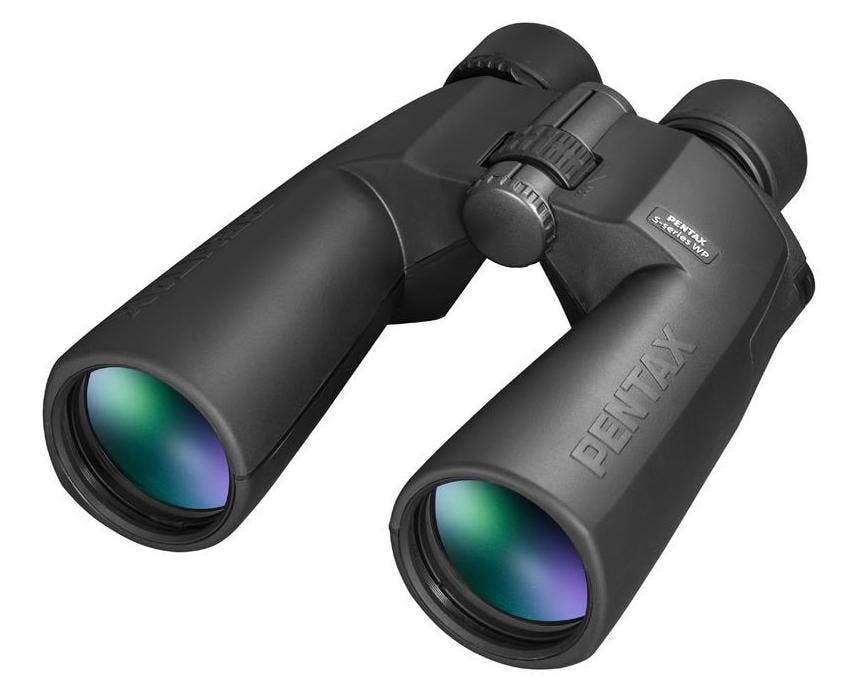
Pentax 20×60 SP Series WP Waterproof Porro Prism Center Focus Binoculars
The full-size Pentax 20×60 SP Series WP offers an extreme magnification of 20x with huge 60mm objective lenses that let in lots of light. Those features also make it a great pick for long-range birders hoping to see high-quality images of their favorite specimens. These binos offer a 2.2-degree field of view, which at 1,000 yards is 114-feet. The 49.38-ounce body is waterproof, and they have a limited lifetime warranty through Pentax.
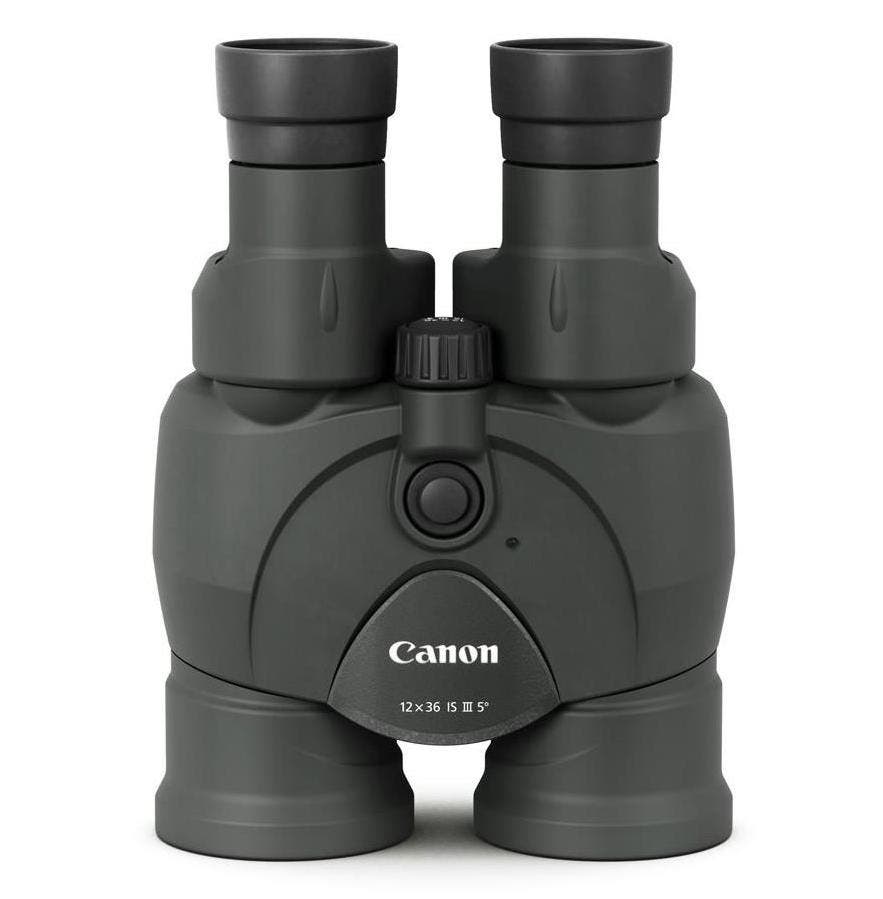
Canon 12×36 Image Stabilization III Weather Resistant Porro Prism Binoculars
The Canon 12×36 Image Stabilization III delivers a 12x magnification paired with optical image stabilization similar to what Canon uses in their EF series lenses. This helps reduce image shake when not using a tripod. The 36mm objective lens offers portability while still letting in lots of light, and the unit offers a 5-degree field of view. The 12×36 IS III comes with AA batteries and a three-year warranty from Canon.
Want to see what else we have in store? Shop our full selection of binoculars at Adorama to find the perfect pair for you.