2026 could be the year you start taking photography seriously and your life finally starts to mean something. Yeah, that sounds dramatic, but stay with me.
Every now and then, I catch myself wishing I could go back ten years with everything I know now and just start again. It would have been easier. I’d have wasted less time, spent less money, and avoided a lot of bad habits. But that’s not how it works.
What I can do is pass on the most important things I’ve learned so you don’t have to figure them out the hard way. Think of it as a shortcut. Or at least a way to make less stupid mistakes than I did.
You don’t need to overhaul your entire life to get better at photography. You just need to focus on the right things.
I’d worry less about my camera
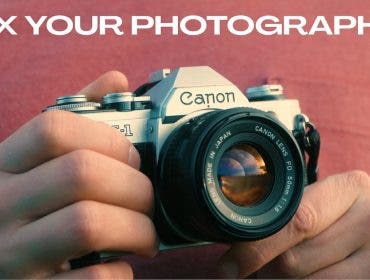
Let’s get this out of the way early. In 2026, you don’t need to buy a new camera or lens. You can if you want, it won’t ruin your life, but it’s not the thing holding you back.
A huge chunk of photography content online is about new gear. New cameras, new lenses, slightly better autofocus, all that jazz. People love it, and that’s fine. But if you’re starting out, it can make you feel like you’re already behind.
Do you really need to sell your soul just to afford a camera? Probably not.
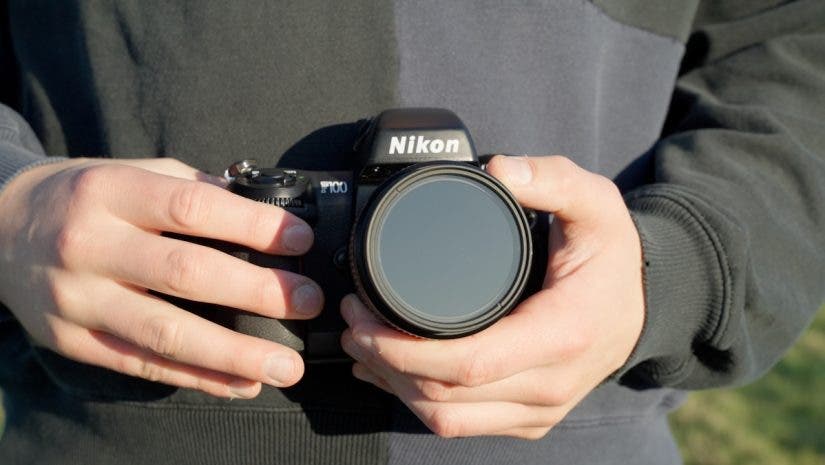
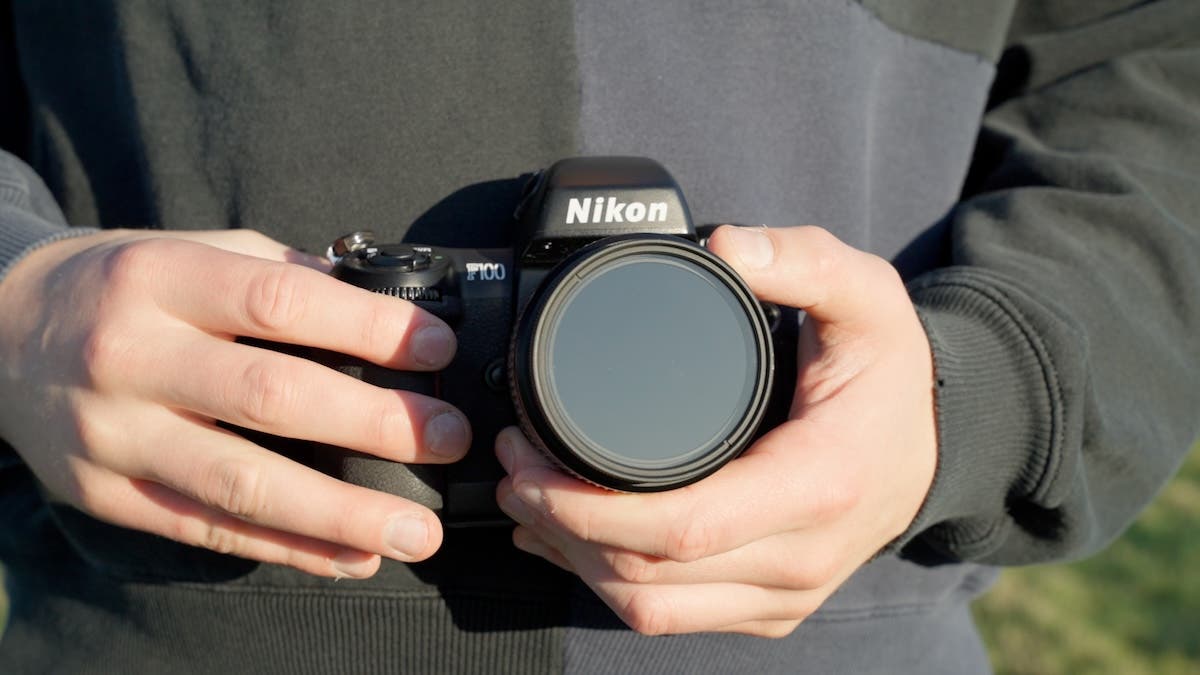
There are loads of older digital and film cameras that are still incredible. Cameras like the Nikon D700, the Canon 5D Mark IV, or the Sony A7 III still produce images that hold up today. Even film cameras like the Nikon F100 are more than capable of producing professional results.
Older cameras are often cheaper, more than good enough, and they force you to focus on what actually matters. Seeing light. Framing moments. Understanding what makes an image work.
Another bonus is lenses. Older systems usually have great prime lenses available for cheap, especially Canon and Nikon. A solid lens will do more for your photos than chasing the newest camera body ever will.
Don’t get stuck comparing specs. Get something you can afford that does what you need it to do and focus on the things that really matter, it’ll make you a way better photographer.
I’d stop shooting fully manually
Settings are important, but probably not as important as you think.
You should learn how to shoot manually. You need to understand exposure, shutter speed, aperture, ISO, and how they all interact. Once that clicks, your confidence goes way up.
But after that, you don’t need to live in manual mode forever.
For most situations, aperture priority is a great way to shoot. It lets you control depth of field while the camera handles the rest. You’re less likely to mess up exposure, and you’re not wasting mental energy on numbers when something interesting is happening in front of you.
This obviously depends on what you’re shooting, but generally speaking, aperture priority gives you space to think about composition, colour, timing, and emotion. The stuff people actually notice.
Most professionals shoot this way far more often than you’d think because getting the shot matters more than proving you did it manually. No one cares about that.
I’d stop getting caught up on photography ‘rules’
Almost everyone goes through this phase when they’re learning photography. You discover a compositional rule and suddenly that’s the answer to everything. Then you learn another one and decide the first one was stupid.
I did this constantly.
The problem is calling them rules in the first place. They’re not rules. They’re tools.
Your photo isn’t automatically bad because it doesn’t use the rule of thirds. Or leading lines. Or symmetry. These techniques exist because they often work, not because they’re mandatory.
Learn them. Understand why they work. Then start paying attention to when they don’t. Knowing when to ignore them is just as important as knowing when to use them.
That’s where your own voice starts to show up in your work. Knowing when to completely throw the rules out the window can be as important as using them.
I’d shoot constantly
If you want to get good, fast, then you’ll want to shoot a lot.
It doesn’t really matter what you’re into. Portraits, cars, street photography, landscapes, whatever. The more time you spend shooting, the faster things start to make sense.
You can read about photography forever, but nothing replaces experience. Bad photos are part of the process. You need to make them so you can learn from them.
Once you’re shooting regularly, the next step is feedback.
I’d be open to critism
Your friends and family mean well, but they are not helpful critics. They love you. They’ll tell you everything is amazing even when it isn’t.
What you want is honest feedback from photographers you respect. People who will tell you what works and what doesn’t. Online communities, forums, local photographers, anyone who actually understands the medium.
This only works if you’re open to criticism. If you understand that getting better means being uncomfortable sometimes.
This mindset is one of the biggest differences between people who improve and people who don’t. Either you accept that you’re always learning, or you convince yourself you’re already great and cut yourself off from valuable growth.
I’d make real connections
Real life community matters more than social media wants you to believe.
Depending on where you live, this can be easier or harder, but if you’re in a normal-sized town or a city, there’s probably something happening. Look for photowalks. Go to your local film lab if you shoot film. Visit exhibition openings. Talk to people.
I wish I’d done this earlier. Social media convinced me that everything had to happen online, but real connections are more valuable in every way. Conversations, shared experiences, seeing work in person, all of it changes how you think about photography.
Finding your community can genuinely change the direction of your work and your life in ways that social media rarely ever will.
I’d print my work more
Printing your photos is one of the most rewarding things you can do.
Get some prints made at a local lab. They don’t have to be fancy. Seeing your work physically changes how you look at it. You notice different things. Strengths and weaknesses become clearer.
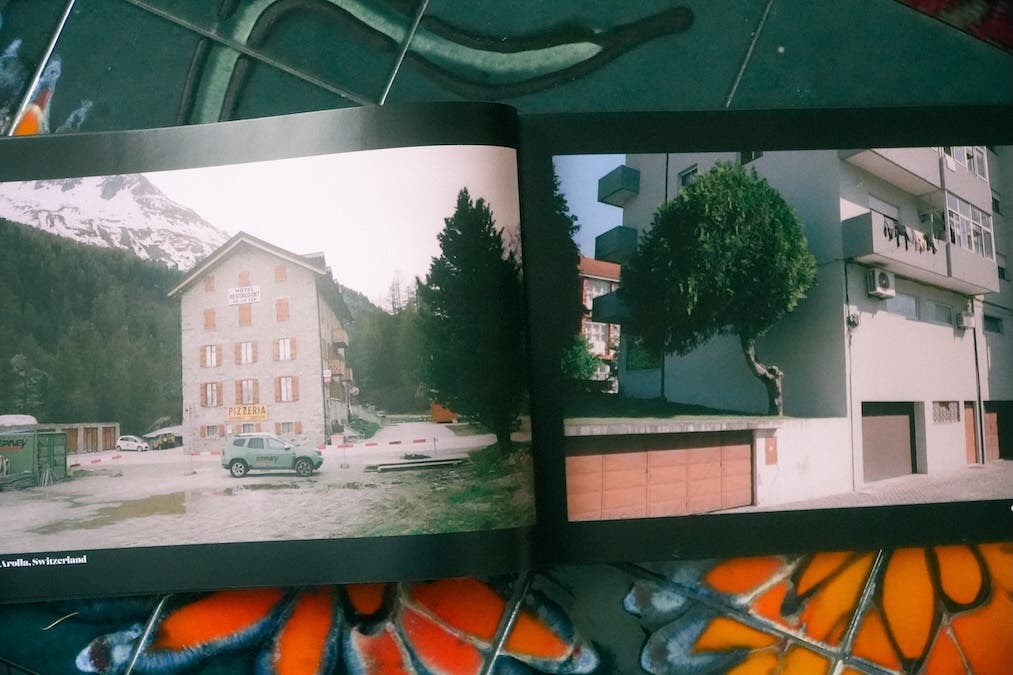
Printing often leads to bigger ideas too. Exhibitions. Zines. Books. You stop thinking in single images and start thinking in bodies of work.
That shift is massive.
Exhibiting your work isn’t just about showing it either. When I last exhibited a photo, I sold it. Then I sold a reprint to someone who wanted it for a local hotel. You never know what opportunities come from putting your work into the real world.
It’s not just exposure. It’s credibility, you’re a real photographer who operates in the real world.
I’d get my photos on a stock website
One practical thing that’s worth doing early is uploading your photos to a stock site like Kintzing or Stocksy.
You don’t have to care about money. Photography can just be fun. But every now and then, a stock sale can be a genuinely helpful bit of income.
You won’t make a living from it, but it can pay for film, gear, courses, or just help you get by. When I travelled in 2024, I honestly couldn’t have done it without a random stock sale. My budget was that tight.
So you might as well upload your work and let it sit there if that’s the kind of thing you want to do!
Final Thoughts: Give yourself a proper start
I can’t go back and do all of this again from the beginning. But you can.
If you focus on the right things, shoot consistently, seek real feedback, and put your work into the real world, you’ll give yourself a massive head start.
Photography isn’t about gear, settings, or rules. It’s about paying attention and sticking with it long enough for things to click.
So get going, shoot as much as you can and enjoy it, it’s well worth it!