
In case you missed it, March brought some exciting new launches in cameras, lenses, drones, and creative tech. Highlights include innovative compact cameras, specialized lenses, new (and affordable) laptops, and next-gen production tools. We are excited by all the major tech leaps taking place and hope you are, too! Browse what is making the creator industry buzz, plus make sure to take a pause and read some news updates, as well as a fresh camera award that just caught our eye. Enjoy!
Industry Buzz Fun New Cameras
Panasonic LUMIX ZS300 4K Compact Digital Camera
While words like “compact” and “travel-friendly” might suggest a basic camera, the LUMIX ZS300 is anything but. With its 20.1MP sensor and a 24–360mm Leica zoom lens, you can shoot wide, scenic views or zoom in for tight details without missing a thing. It also records in 4K video, and built-in stabilization helps keep shots sharp. The Lumix ZS300 is also small and lightweight (under a pound) but still packs in extras like a built-in flash, close focusing for detail shots, and creative filter effects.

Fresh and Fun: The Fujifilm Instax Mini 13 Film Camera
Just in time for Spring, Fujifilm offers a fresh take on its instant camera lineup with the Instax Mini 13. Building on the success of the Mini 12 from 2023, this latest version leans into a more playful design, with a softer, sculpted body and slightly more polished feel while still maintaining that fun, everyday appeal you’d expect.
New here is the addition of dual self-timer options (2 or 10 seconds), making it much easier to get yourself in the frame for a selfie. Still included are features such as a close-up mode, a built-in selfie mirror, and automatic exposure. New touches include parallax correction to help center your close-up shots and automatic flash control for balanced lighting. The lens design stays simple: just twist to power on or jump into Close-Up Mode.
Industry Buzz Cutting Edge Lenses
New in the Lineup: The ZEISS Otus ML 1.4 /35 Lens
New to the ZEISS Otus lineup is the Otus ML 1.4 35mm lens for Sony E, Canon RF, and Nikon Z shooters. Designed for photographers who favor a more intentional, hands-on approach, this manual-focus 35mm delivers true-to-life color, exceptional sharpness, and rich contrast.
A fast f/1.4 aperture with an advanced apochromatic design lessens distortion and chromatic aberrations for smoother bokeh and subject separation. ZEISS T* coating reduces flare and reflections, maintaining contrast in challenging light. Its all-metal construction and precise manual focus system deliver a highly tactile, controlled shooting experience that values both process and final image.
Venus Optics’ Laowa 17mm f/4 Zero-D Shift and the 17mm f/4 Zero-D Tilt-Shift
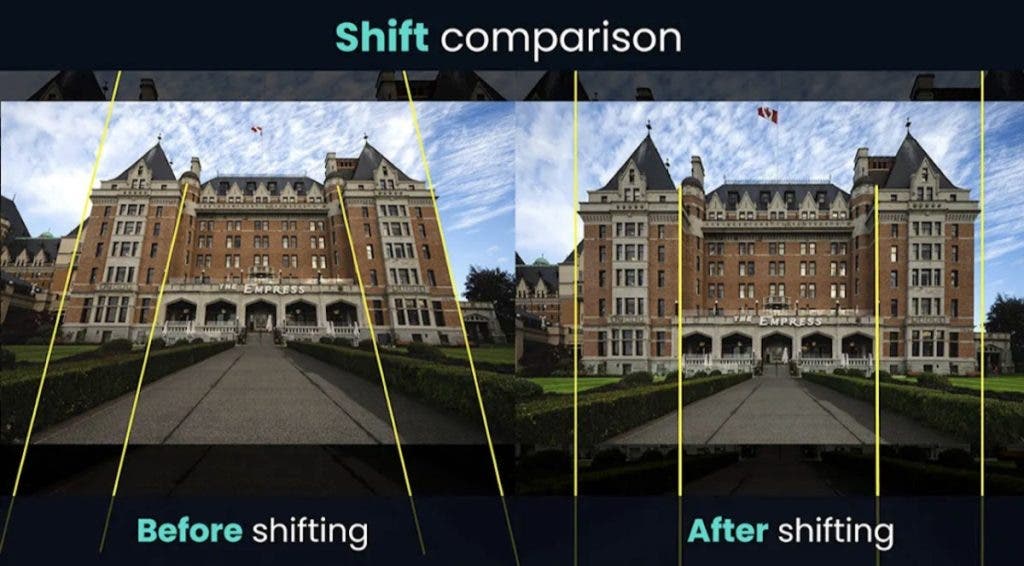
If you shoot architecture or landscapes, this is one of those releases worth a second look. In early March, Venus Optics Laowa introduced two new ultra-wide lenses: the Laowa 17mm f/4 Zero-D Shift and the 17mm f/4 Zero-D Tilt-Shift. Both are designed for full-frame and medium-format mirrorless systems, and as part of Laowa’s Zero-D lineup, they’re built to keep distortion in check, making them especially appealing for anyone who wants clean lines straight out of the camera.
The real difference is in control. The Shift version offers ±11mm of shift (8mm on medium format). This feature corrects converging verticals and refines composition without moving the camera. It’s ideal for architecture and real estate work. The Tilt-Shift adds ±12mm of shift plus ±10° of tilt, letting you control the plane of focus. Extend the depth of field across a scene or create selective focus effects. Both lenses are available now for Sony E, Canon RF, Nikon Z, L-Mount, Fujifilm GFX, and Hasselblad XCD. Click here to find the right lens for your system.
Industry Buzz Lighting Control
Speed Lighting with the Elinchrom Transmitter Pro X
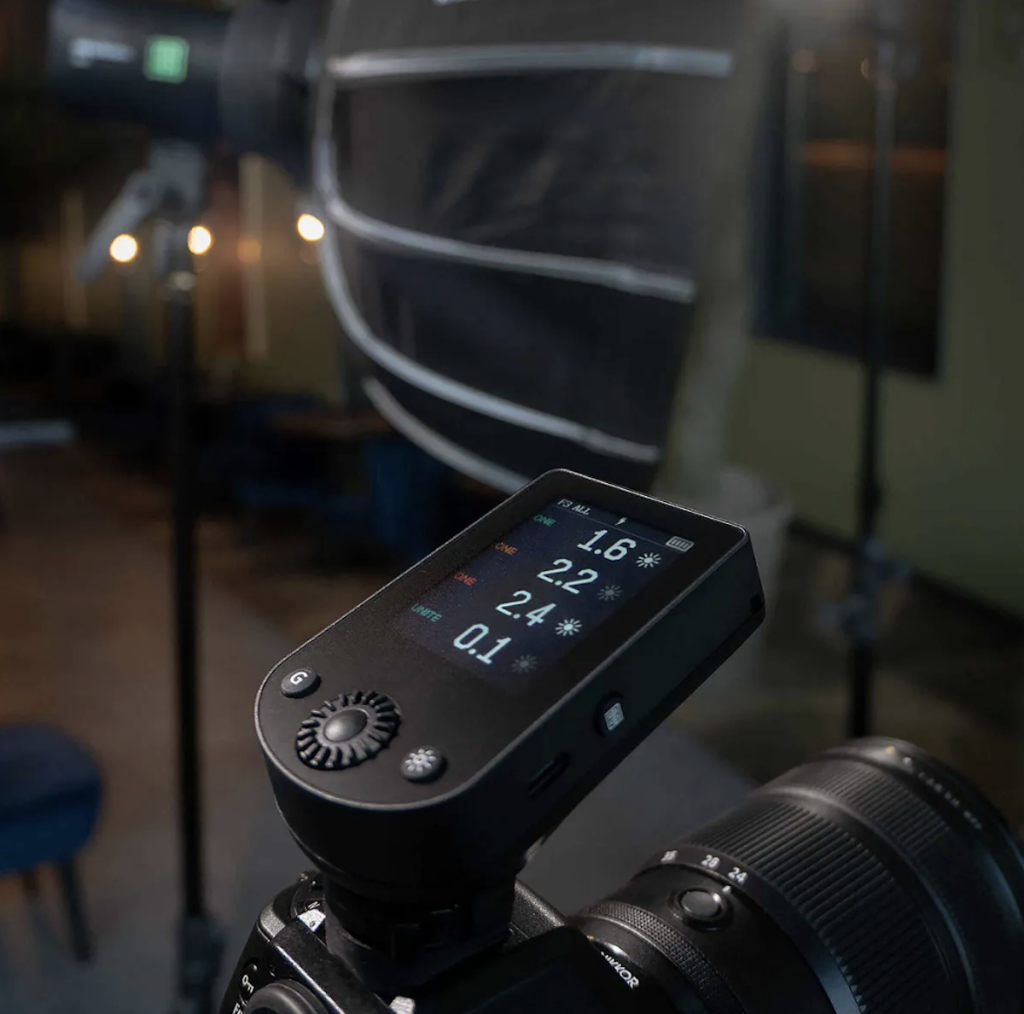
For those invested in Elinchrom, the new Transmitter Pro X is a smart upgrade, making lighting adjustments faster and more intuitive. A clean touchscreen, two-way communication, and support for HSS and Hi-Sync up to 1/8000 sec. stand out. It works in studio or on location, runs on AA batteries, updates via firmware, and fits multiple mounts, including Canon, Sony, Nikon, and Fujifilm.
Industry Buzz Underwater photography
Ikelite’s Deluxe 200 DL Housing for the Sony a7 III and Sony a7R III
Ikelite’s new Deluxe 200 DL Housing is a ready-to-go rig configured the way most shooters would build it themselves. It’s fully outfitted with a dual-tray and handle setup, trigger extensions, a vacuum pump, a USB-C bulkhead, and even spare O-rings. The built-in vacuum pump with gauge lets you check your seal before you hit the water, and the USB-C bulkhead is a standout, allowing you to transfer files or recharge without cracking open the housing. Add in the dual handles with extended triggers for more comfortable control (above and below the surface), plus mounting points for lights or action cams. (If you’re interested in the Ikelite 200DLSony for the Alpha a7 II, a7R II, and a7S II cameras, click here.)
Industry Buzz 360 Drones
First-Person View of the DJI Avata 360
The DJI Avata 360 redefines FPV (first-person view). Launched in late March, it’s DJI’s first 360° drone, combining dual sensors with 8K capture for flexible post-flight framing. Alongside immersive controls, it offers features like omnidirectional obstacle avoidance and around 20 minutes of flight time. Its ability to extract multiple shots from a single flight is a game-changer, enabling reframing, cropping, and output in any format. For more information on available DJI Avata drones on the Adorama site, click here.

Industry Buzz Video Console
RØDEcaster’s Video Core All-in-One Console
Building a video or podcast setup and want something powerful without a complicated workflow? The new RØDEcaster Video Core Console is worth a look. It’s an all-in-one production hub with video switching, recording, and a fully integrated pro audio mixer. The modular form keeps it streamlined. Connect up to four video sources and five customizable scenes, run it via software, or add it to a larger setup using RØDECaster Sync. You choose how hands-on or scaled up you want your production to be.
Its seamless integration with the rest of the RØDE ecosystem, especially RØDECaster Pro II and RØDECaster Duo, helps you build a setup that grows with you. Whether producing a video podcast, livestream, or studio project, you get a polished, broadcast-quality feel without extra complexity. For more information, click here.
Industry Buzz Apple
Most Anticipated Release: Apple’s MacBook Neo 13-inch A18 With Pro Chip
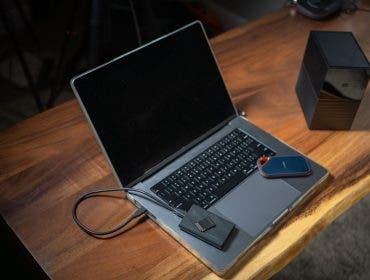
Apple clearly had one goal with the new 13-inch MacBook Neo: make the Mac experience accessible to just about everyone. Starting at just $599, it seems to be Apple’s most affordable laptop ever, but without any quality loss. You still get that signature aluminum build, a sharp 13-inch Liquid Retina display, and a lightweight design. It’s powered by the A18 Pro chip, the same silicon found in the latest iPhones, which means it handles everyday tasks like browsing, writing, streaming, and even light photo editing with ease.

Where the Neo really stands out is in how it reframes what an entry-level laptop can be. It’s fanless (so totally silent), delivers up to 16 hours of battery life, and integrates seamlessly within the Apple ecosystem and new AI-driven features in macOS. Yes, it comes with 8 GB of fixed memory (with no upgrades available), fewer ports, and limited space for heavy creative work, but this is still a smart, streamlined machine built for students, first-time Mac users, or anyone who just wants a reliable, well-designed laptop without the usual Apple price tag. And it comes in fun colors, including Indigo, Blush, Citrus, and Silver. For more information or to purchase, click here.
Apple’s New MacBook Pro Lineup Powered by the M5 Pro and M5 Max Chips
Apple rolled out its latest MacBook Pro lineup in early March, with some big news attached: They are powered by the new M5 Pro and M5 Max chips, with up to an 18-core CPU and a massive 40-core GPU. The focus here is clear: more speed across the board, from graphics to AI tasks, plus increased unified memory bandwidth that should make everything feel faster and more responsive compared to the previous M4 Pro and M4 Max models. Available in both 14- and 16-inch versions, storage gets a noticeable upgrade too, starting at 1TB on the M5 Pro models and jumping to 2TB on the M5 Max, along with SSD speeds that are up to twice as fast, so everything from booting up to moving massive files feels that much snappier.
Apple is leaning hard into performance claims here, like the “world’s fastest CPU core,” plus a next-gen GPU with a Neural Accelerator built into each core. Translation: this thing is built for the kind of AI-heavy workflows that are quickly becoming the norm, delivering up to 4x the AI performance over the last generation, and up to 8x compared to M1 machines. It also introduces Apple’s new N1 wireless chip, bringing support for Wi-Fi 7 and Bluetooth 6, helping future-proof connectivity in a meaningful way. For more information on the Adorama site, click here.
The Apple 27-Inch Studio Display XDR
The 27-inch 5K Retina XDR display from Apple pushes brightness, color, and responsiveness to a whole new level. Pair that with an upgraded camera, a three-mic array, six-speaker audio, and the speed of Thunderbolt 5, and you’ve got a seriously powerful, all-in-one display built for pros.
The 27-inch 5K Retina display is nothing short of gorgeous: sharp, vibrant, and dialed in for anyone doing creative work. Everything feels incredibly fluid thanks to the 120Hz refresh rate, whether you’re editing video or just moving through your day. You’ve got plenty of flexibility with Thunderbolt 5 and USB-C ports, so plugging in your gear is seamless, and the color accuracy is right where you want it with P3 and Adobe RGB support. On top of that, the six-speaker system delivers surprisingly rich, clear sound, and the built-in 12MP Center Stage camera makes video calls feel a whole lot more polished. For more information, click here.
Industry Buzz News & Award Announcements
Nick Ut Files Defamation Suit
In early March 2026, Nick Ut filed a criminal defamation lawsuit in France, pushing back against claims made in the documentary The Stringer that question his authorship of the iconic “Napalm Girl” photograph. For more than five decades, Ut has been credited with capturing one of the most defining photographs of the Vietnam War, and he’s now arguing that the film’s allegations not only rewrite history but unfairly damage his reputation. The suit essentially draws a line in the sand, with Ut defending both his role behind the lens and the legacy attached to it. (Ut is seeking approximately €100,000 in damages, along with €20,000 to cover legal costs.) For more on this, check out our previous update here.
Sony Halts Production of its Memory Cards for the Foreseeable Future
Sony is hitting pause on most of its memory card lineup, citing the ongoing semiconductor shortage and continued supply chain issues. As of March 27th, 2026, orders for nearly all SD and CFexpress cards are “temporarily” suspended, with no clear timeline yet for when things will return to normal. The impact is broad, covering everything from the rugged TOUGH series down to more everyday options like V30 128GB and 64GB SD cards.
As published March 27th on the Sony Japan website, the notice says that “due to the global shortage of semiconductors (memory) and other factors, it is anticipated that supply will not be able to meet demand for CFexpress memory cards and SD memory cards for the foreseeable future. Therefore, we have decided to temporarily suspend the acceptance of orders from our authorized dealers and from customers at the Sony Store from March 27th, 2026, onwards.” For now, only the 960GB CFexpress Type B and a few entry-level SF-UZ series cards are still being produced. Sony says it’s keeping a close eye on the situation and apologizes for the disruption in the meantime. Read our recent coverage about how AI and other factors are reshaping the storage landscape here.
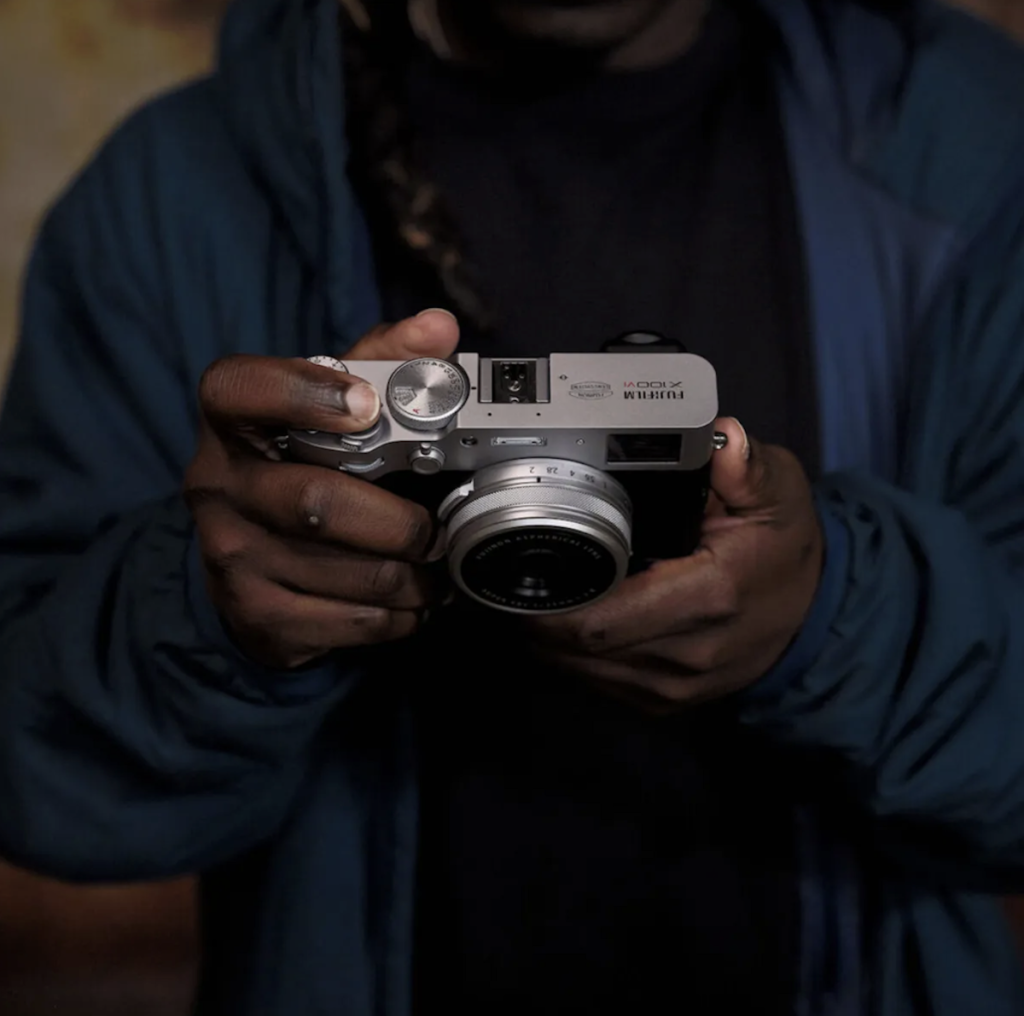
This Just In: Men’s Journal Names the Fujifilm X100VI the Best Travel Camera of 2026
While it may not be new, the Fujifilm X100VI just made Men’s Journal travel writer/photographer Paul Jebara’s pick for Best Travel Camera. Why?
“The waitlist exists for a reason,” Jebara writes in his review on mensjournal.com. “The fixed lens forces you to move with a scene rather than zoom past it, which surprisingly makes you a sharper shooter. The 40.2-megapixel X-Trans sensor produces files that rival cameras twice the size, and Fujifilm’s famed color science renders skin tones and architecture with a warmth that cuts my editing time in half. The body is compact enough to sling around my neck all day without fatigue.”
Jebara knows what he speaks, being someone who is always on the move, from “tracking down remote jungle hideaways to tackling jet lag over a few too many airport coffees.” And if that’s not enough street cred for you (oh, and it has 6.2K video recording at up to 30fps), it’s also trending on Adorama.com.