Just as fire and the blacksmith’s hammer shape iron into art, and water and the potter’s hands transform clay into a vase, every creation, natural or man-made, undergoes a shaping process to achieve a form beneficial to others. For a content creator accustomed to personal projects, taking on a client project with deliverables is the crucible that forges them into someone who can take on a solo cinema production. This challenge tests their creative talent, patience, time management, organizational capabilities, and interpersonal skills, ultimately proving their ability to deliver value to a client.
When Adorama approached me to write articles for them using NiSi Athena Prime cinema lenses, I was genuinely excited at the gear shift. Stepping onto a set with high-end manual cinema glass and the task of reviewing a big brand quickly revealed some stark realities: being a solo filmmaker means running a “One-Man Hollywood.” The heat was on.
You are no longer just the director of photography. You are the producer, the gaffer, the coordinator, and the PR manager. Here is what I learned about managing the chaos, the budget, and the expectations of a solo cinema production.
The Art of the Pitch and the Price Tag
Excitement is the fuel for any creative endeavor, but it does not pay for fuel, assistants, or rental gear.
When the offer landed, my first instinct was to just say yes. I did, by asking, “So how do we proceed?” Daniel simply asked for an elevator pitch. I had created commercial pitches before. So, I started by researching the lenses and reading up about how to create technical reviews. Information gathering is important here.
The Elevator Pitch
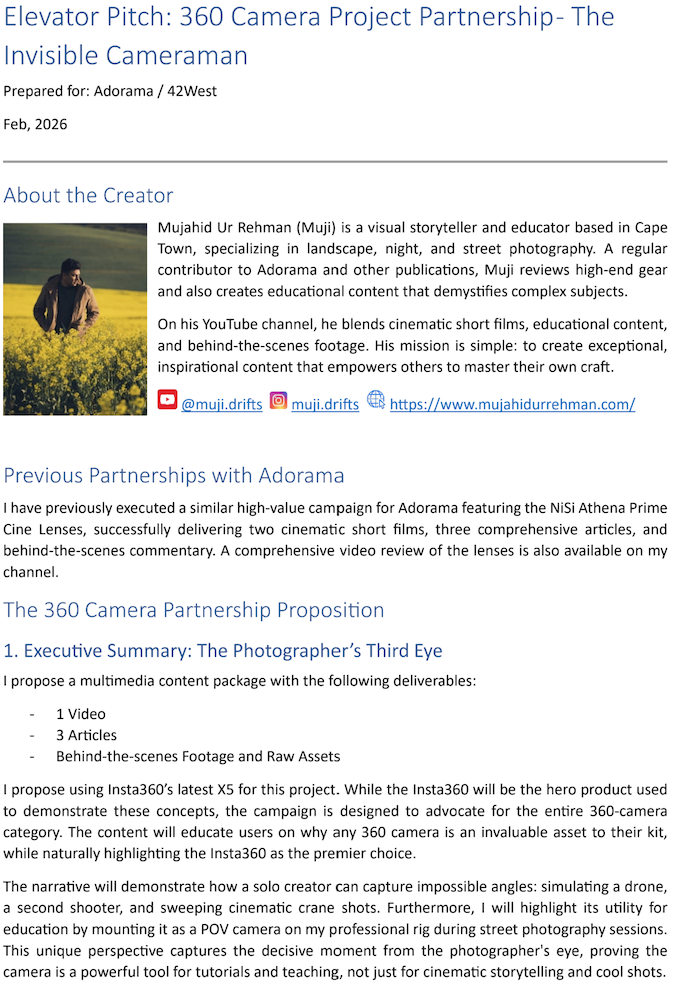
To get into this mode, I needed to remind myself that I am a visual storyteller. Therefore, I share stories through photography, film, and writing. So I wrote an elevator pitch that offered a complete package: two short films, three technical articles, behind-the-scenes footage, and social cuts.
Costing & Budget
Your time and skills are valuable, and that value is added to your client’s or a collaborator’s business through agreed deliverables. This is where the production costs come in, and you request them professionally through an invoice or email, highlighting what it will take to deliver, for example, fuel, food, transportation, hiring team members, and renting gear.
- Your time and skills
- Productions costs
In this case, Adorama offered a budget that worked for both of us. The alternative is that you might be asked to cost the project, and a budget and scope of work are negotiated based on that.
Finding Talent
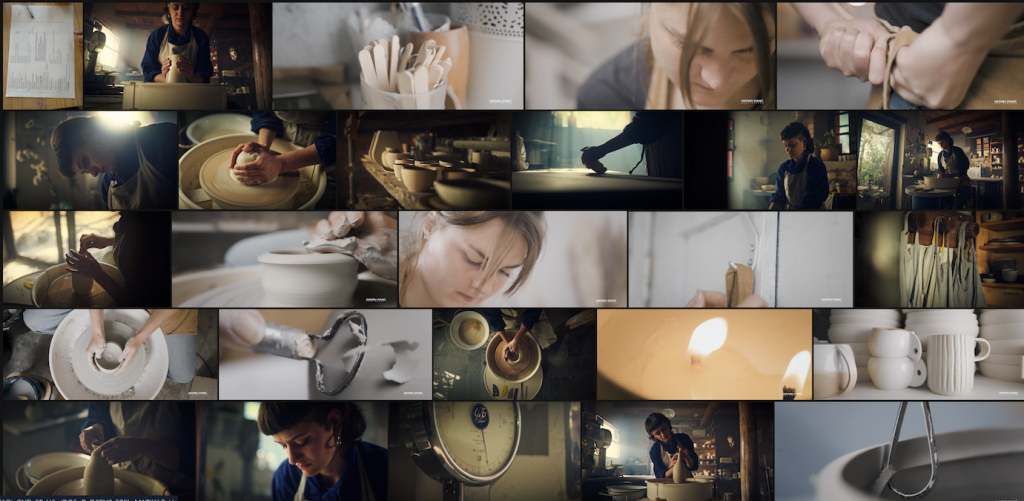
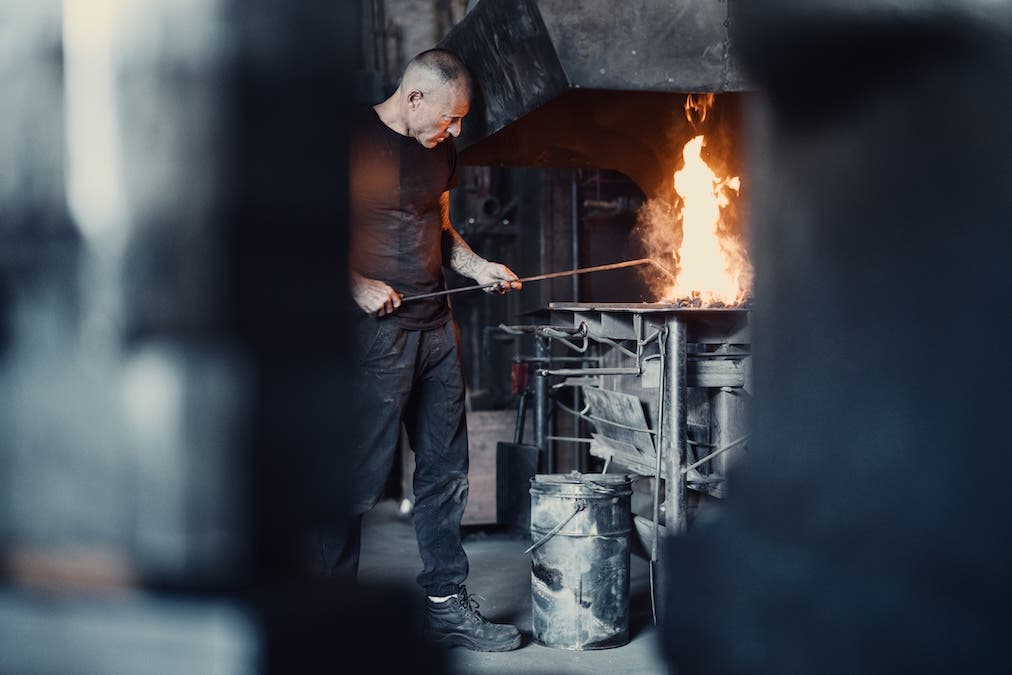
For the cinematic films I chose to create for the project, I looked for artists around me with an interesting workplace and talent. I eventually chose a blacksmith and a ceramist and visited them at their studios, introduced myself, showed them my work, and offered to add value by providing a free photoshoot and video for their social media marketing. The proposal was accepted by them with excitement, which was a win-win for all parties involved: Adorama, NiSi, me, and the talents.

Here are a few points to be noted:
- Visual Proof: your existing portfolio helps sell your skills and work.
- Communication Skills: Your management skills and interpersonal communication strengths are of utmost importance to gain confidence.
- Trust: Your existing industry reputation and the trust you have developed with your partners help win projects.
Balancing the “Triad of Expectations”
As a solo producer on a sponsored shoot, you are a diplomat managing three very distinct masters:
- The Sponsor: Adorama and NiSi needed a technical showcase. They needed to see how the Athena Primes handled flares, sharpness, and color rendition.
- The Talent: The artists giving me their time did not want to be props in a gear review. They needed a respectful, emotional portrayal of their life’s work.
- The Self: As a filmmaker, I needed to push my artistic boundaries, tell a story I could be proud of, and earn an income.
Satisfying one without compromising the others is the hardest part of the job. To navigate these expectations, I separated them into technical and creative aspects.
The Technical Preparation
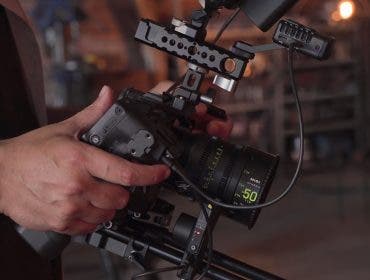
Upon receiving the lenses, I took some time to play with them. This was my first time using manual cine lenses. Here’s what I did:
- Rented a focus grip, which I had budgeted for, and learnt and practiced how to use it with the lenses.
- Printed a large focus chart, bought LED lights for testing the lenses, and tested the lenses in my studios.
- Hired a junior assistant. Without them I would have struggled to focus on the creative aspects of the shoots. Also, I would have had to worry about admin, shooting behind-the-scenes, managing my shot list, etc.
- Spent time learning more about cine prime lenses and how to review them.
- Watched plenty of tutorials on color grading.
- Planned which lens I would use for the shoot so I could discuss these lenses with full authority in the technical reviews.
- Created mood boards for the shoot and shared them with the artists.
The Creative Side
When I arrived at the forge or the pottery studio, I was free to focus entirely on the artists and the creative aspects of making my story, knowing the technical requirements were already understood and everything else was taken care of.
Connection Before Creation: Directing Non-Actors
I could not just walk into a loud, hot forge or a quiet ceramics studio, point a lens into an artist’s face, and expect magic. Storyboarding is not just about drawing frames; it’s about building relationships and planning.
Before the official shoot days, I visited the studios during their normal working hours. I brought my trusty Sigma auto-focus 50mm and 85mm lenses to shoot test photos, get a feel for the tight spaces, and understand their workflow. Additionally, I listened to the artists’ emotional ideas and the specific aspects of their lives they wanted to share. I made a conscious effort not to impose my own agenda.
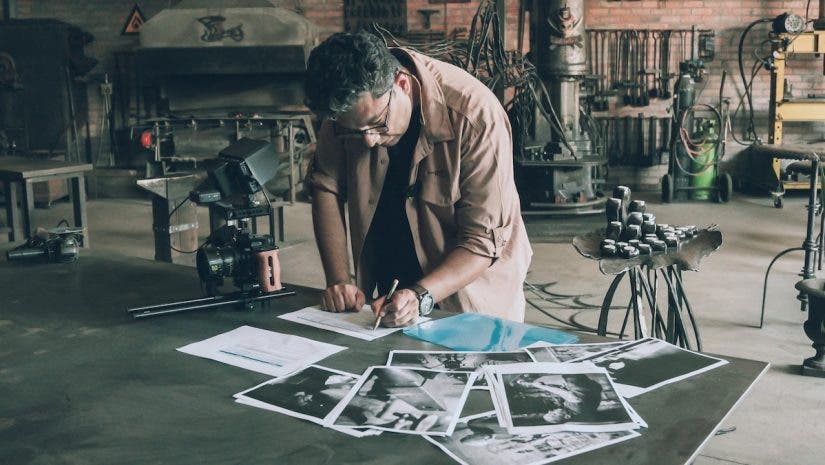
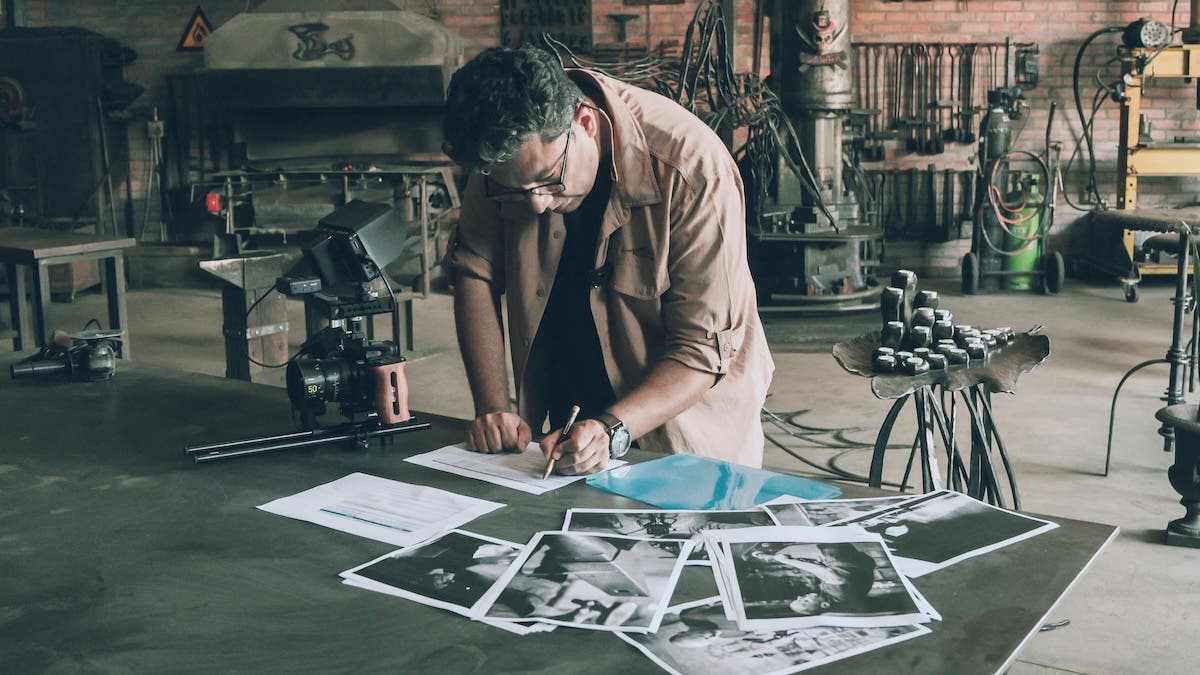
I printed those test shots and used them as visual storyboards during the actual production. Showing the blacksmith exactly what angle we were capturing next kept motivation high and proved we were partners in this process. When you listen to your talent, they transition from subjects into collaborators.
Above all, the test photos generated excitement and engagement among the artists and collaborators, helping build momentum.
The “Hollywood” Mindset Shift: Time Is the Ultimate Gear
In the fast-paced world of social media, the instinct is to shoot, edit, and post as quickly as possible. Commercial solo cinema production demands the exact opposite. Good art requires a gestation period, and Hollywood movies take a long time to produce.
Adorama gave me the luxury of time to truly learn the lenses, and it fundamentally shifted my mindset. When you treat your work as a deliberate production rather than disposable content, you give yourself the permission to say, “Let’s shoot this again.”
Examples:
- When the natural light in the ceramics studio turned cloudy, ruining my carefully planned lighting setup and pushing the color temperature into an unnaturally warm range, I did not just try to “fix it in post.” I bit the bullet, absorbed the extra cost, and went back three weeks later on a sunny day that suited both parties. I also went up the mountain for a scene she was keen to include.
- When I missed focus on a few crucial blacksmith shots, we reset and went again.
- I color-graded the ceramics video a few times to align with the ceramicists’ expectations.
- I created two versions of the blacksmith film, one for his YouTube channel with music of his choice from famous bands. I could not use it myself because it would have resulted in copyright strikes, but I did it for his personal use nonetheless and still needed to create my own version with licensed music.
Final Thoughts: The Return
At the end of the day, the gear goes back in the case, the articles get published, and you get your money. What remains is the reputation you leave behind. Being easy to work with, keeping a smile on your face after six hours in a sweltering forge, and treating people with respect yield the highest return on investment.
My relationship with collaborators, through solo cinema production, has strengthened. I have added more to my portfolio. The artists have shared with their clients and families. Word of mouth spreads.
The true mark of graduating from a creator to a solo cinema producer is not just delivering the final cut; it’s leaving the set knowing that everyone involved would gladly work with you again.