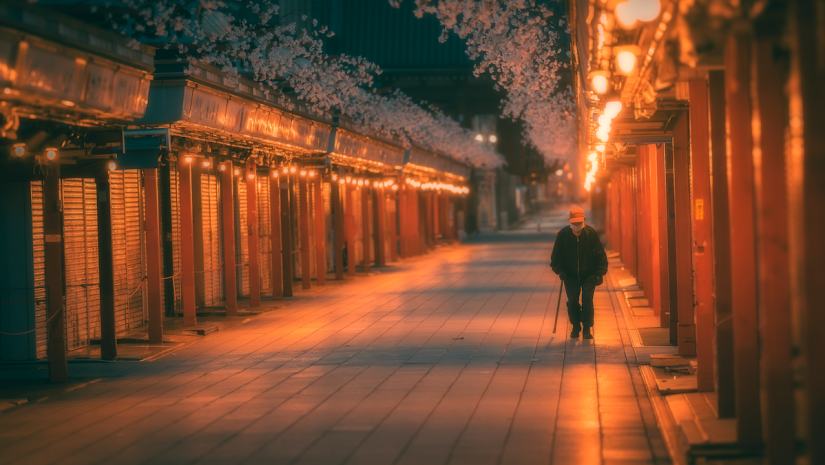
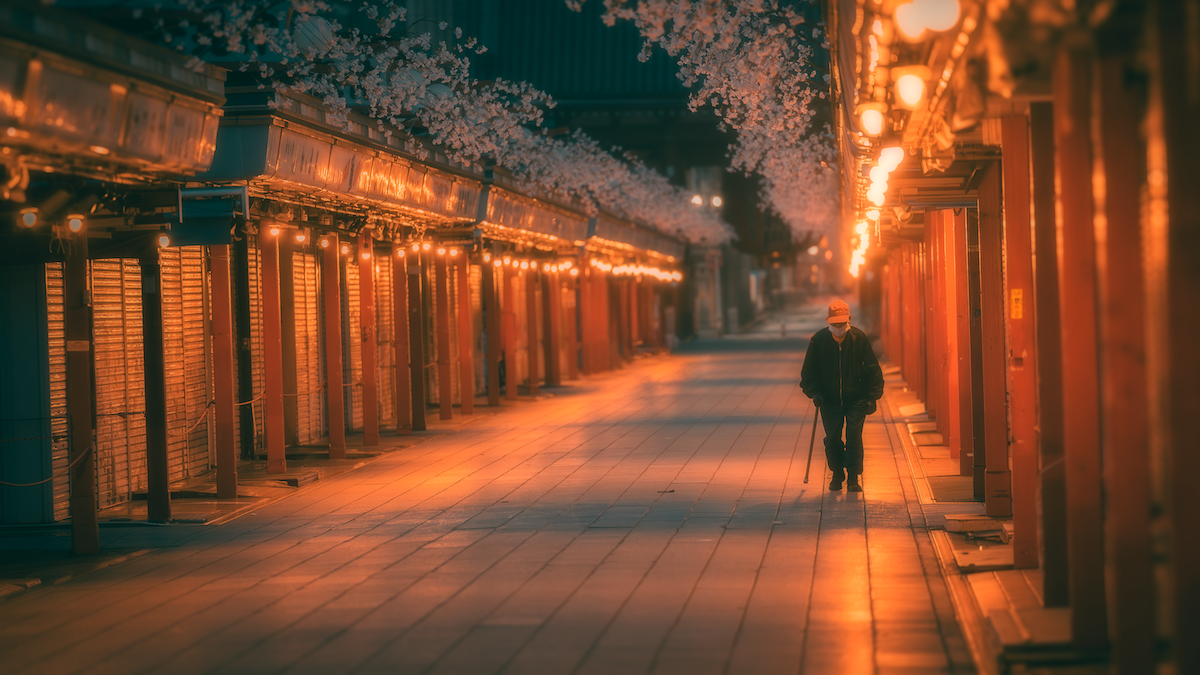
There have been countless times when I’ve taken a photo on the streets and simply moved on. As a street photographer, I’m drawn to the beauty of human activity, faces, and cultures. My aim, like many photographers who specialize in street photography, is to capture interesting moments in urban environments, finding the process of people watching both therapeutic and compelling.
Street photography demands quick decision-making. You see a moment, know your camera settings, compose quickly for maximum visual appeal, and click the shutter. Modern post-processing tools have enhanced this workflow, enabling us to convey different moods and adapt to various aesthetic styles. The goal has evolved beyond simply capturing moments; we now focus heavily on creating aesthetically pleasing and striking images.
There’s nothing inherently wrong with this approach: it’s art, it’s passion, and it’s documentation of human life and history. However, I’ve also become uncomfortably aware that our subjects, the humans we photograph, are, in fact, just that – subjects. While I try to create human connections by asking for names and learning something about the people I photograph, that interaction usually ends there. I mention their names in captions or videos, but fundamentally, this remains what we can call an “extraction model” of photography.
This article is both a self-criticism and a source of food for thought. We use the streets and the people in them for our work, creating lovely images while documenting human life, but what does this really mean? We are actually making “use” of the subject matter before us for our own ends. The question begs asking: Are we actually contributing beyond our own artistic satisfaction?
Is our work meaningful, and does it matter anyway?
The Myth of the Decisive Moment
Henri Cartier-Bresson’s concept of the “decisive moment” has become photography’s most revered doctrine, but it has also become its greatest trap. Cartier-Bresson described it as that precise instant when visual elements align perfectly to reveal the essence of a situation, when form and content unite to create maximum meaning.
However, most modern photographers obsess over technical perfection and visual drama while largely ignoring the context that made the masters’ work genuinely significant. The impact of the master’s photographs hinged less on composition effect than on the meaning of the moment, whether of social change or human experience – captured with genuine purpose and understanding. It was about an image representing being there.
The Ethics of Extraction
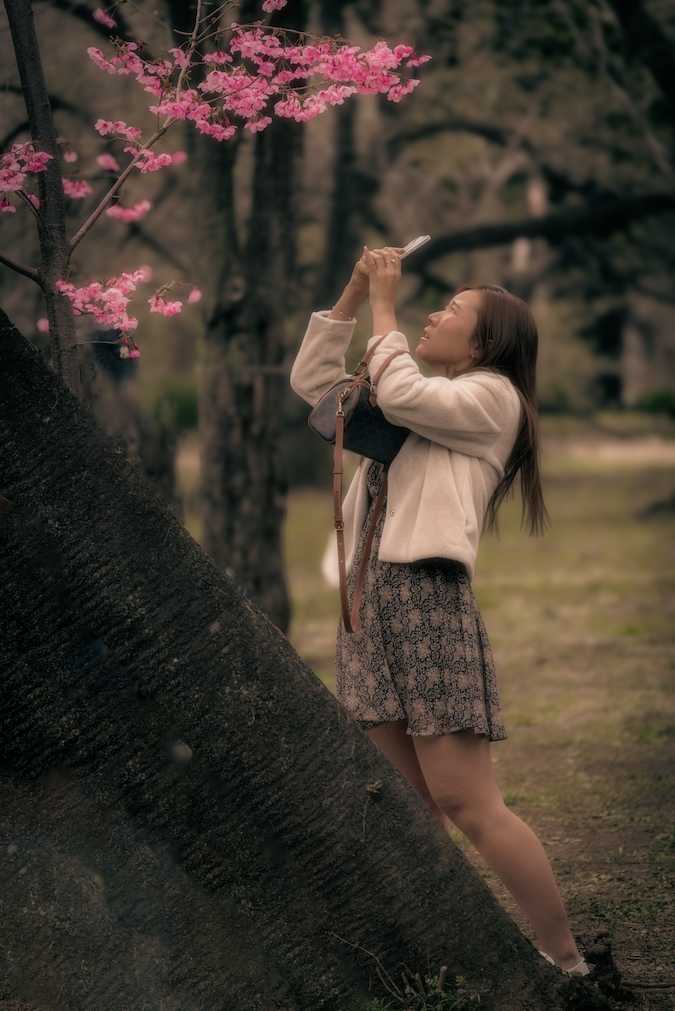
Most photography operates on a model of extraction. Photographers take from their subjects, their image, their moment, and their environment while giving nothing back. They travel to exotic locations they’ll never visit again, photographing people whose names they don’t know, creating art from places with superficial cultural insight. Then they benefit from these images.
Let me be clear: the extraction model isn’t inherently wrong, and we should continue practising it. Photography has always involved taking something from the world and transforming it into art. The issue isn’t with the model itself; it’s that this model lacks deeper meaning when we’re not giving anything back to the communities we photograph, even if this is just highlighting a social insight.
This applies to both impoverished and privileged communities we photograph, with an element of exploitation coming into play because we are making use of our viewers’ emotions to gain traction for our images.
Whether you’re documenting indigenous communities, natural landscapes, or urban environments, if you’re only extracting images without establishing a human connection, understanding the context, the work remains aesthetically powerful but ultimately hollow.
I’m guilty of most of what I’m describing here, as it is a general observation about our field, a recognition that many of us might relate to if we’re honest about our own practices.
The Instagram Homogenization
Social media has flattened photography into a homogeneous aesthetic. Every genre now follows a similar formula: dramatic colours and contrast, compositions optimised for small screens and short attention spans. The algorithm prioritises visual impact over conceptual depth.
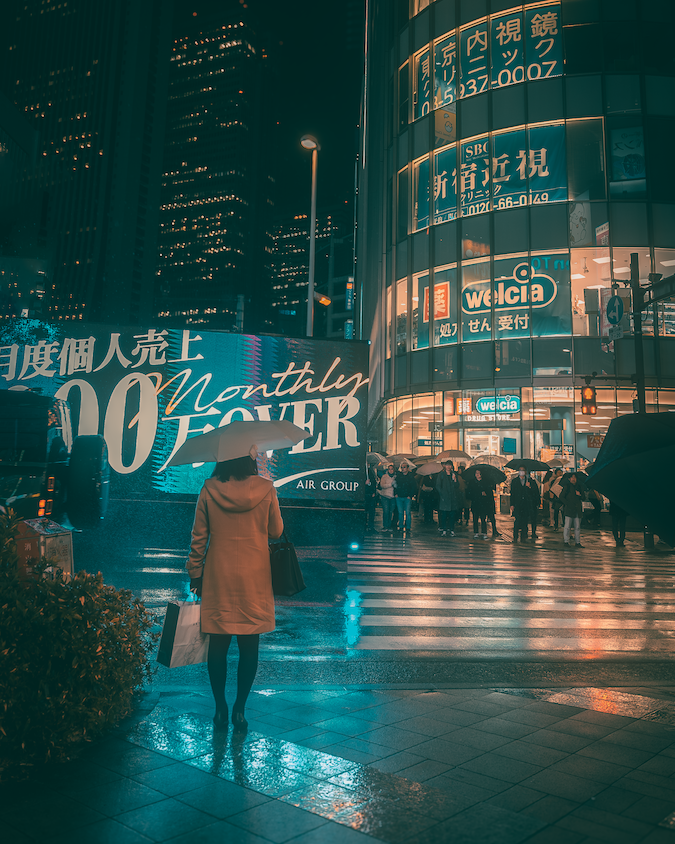
This has created a generation of photographers who can technically execute any style but often lack a meaningful message. They master the tools but ignore the purpose. They perfect the technique but abandon the message.
The Question of Purpose
What triggered this line of thinking personally were two specific incidents that compelled me to reevaluate my approach to photography:
Madagascar
On a trip to Madagascar this year, where I joined a fellow photographer working in a deep rural area, while I was busy playing with children waiting for vaccination, my friend’s hurried voice called, “Muji, pull out your camera, we need to take this photo.” His eye had fallen on a child in the crowd, wearing a soup packet hung with a string around his neck. “People wear designer bags worth thousands of dollars, and look at this boy…” He left the sentence unfinished as he asked the village chief for permission to photograph the child.
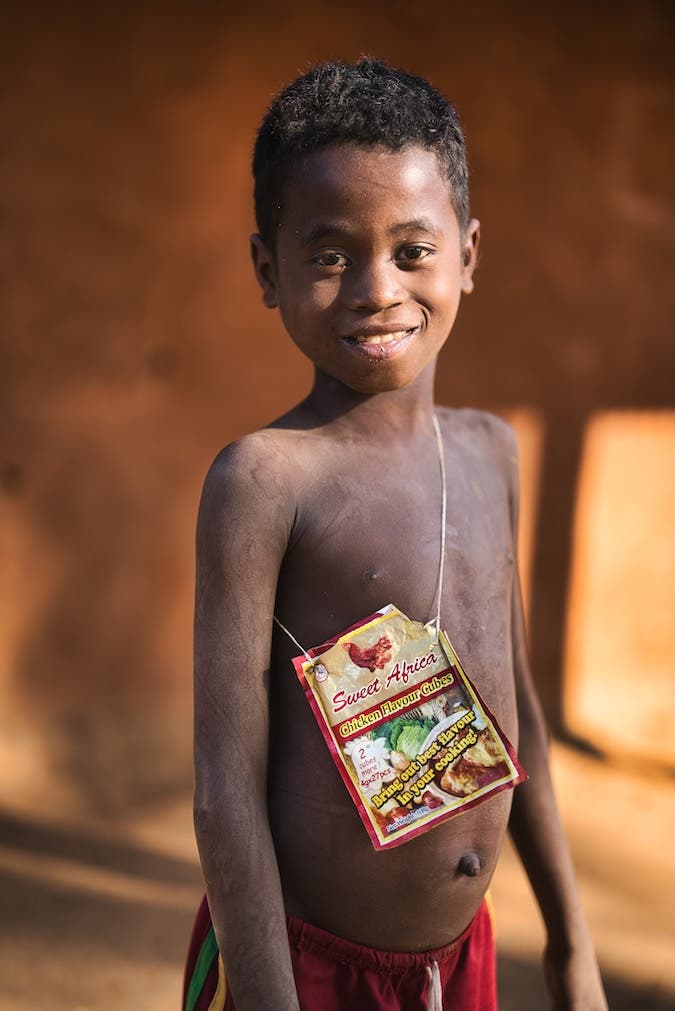
“I want to write about this on my next Instagram post and show the contrast to the world,” my friend said. He then immediately went online to check the prices of a top brand, and the cheapest used handbag we found was nearly $6,000. He and I looked at each other; there was nothing more to say as we looked around us, noting no supply of clean water or electricity, no schools, and children were malnourished.
Photography workshops in underprivileged areas
I recently came across the work of Bangladeshi photographer GMB Akaash, who conducts workshops in underprivileged communities locally. A flag went up in my mind, but upon further exploration, I discovered his work directly benefits the communities through skills training and economic opportunities, thanks to his Patreon support. This is what makes photography meaningful, when the exchange goes both ways.
These incidents forced me to ask myself a fundamental question: Why are you photographing this subject in this place at this moment? If your answer is “because it looks cool”, “because the light was perfect”, or “because I’m building my portfolio,” then you’re not creating meaningful work; you’re using the extraction model of photography.
How to Make Your Street Photography Meaningful
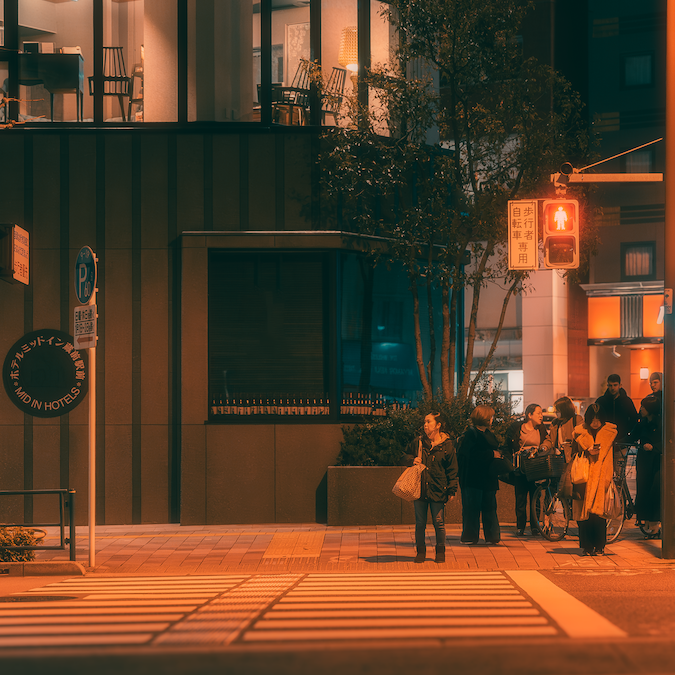
While recognising that I’m still working on implementing many of these approaches myself, here are some practical ways to move beyond the extraction model:
Learn Names and Stories
Make it a practice to learn at least the names of people you photograph, and if possible, something about their lives, struggles, or dreams. This simple act transforms subjects into collaborators and creates accountability for how you represent them.
Collaborate, Don’t Just Capture
Involve your subjects in the storytelling process. Show them the images before publishing. Ask for their input on captions. Consider their perspective on how their story should be told.
Research the Context Deeply
Before photographing in any community, research the social, economic, and political contexts that shape people’s lives there. Understand the forces behind what you’re documenting.
Measure Impact Beyond Likes
Ask yourself: Did my photography help this community in any way? Did it create understanding? Did it lead to positive change? If the answer is no, consider how you might adjust your approach.
Spend Time, Not Just Moments
Instead of hunting for quick shots, commit time to specific communities or locations. Return regularly. Build familiarity.
Give Back Tangibly
Find ways to contribute to the communities you document. This could mean sharing profits from exhibitions, volunteering your photography skills for local organisations, or simply printing and gifting photos to the people you’ve photographed.
Use Your Platform for Amplification
If you have a social media following or access to exhibition opportunities, utilise these platforms to amplify the voices and causes of the communities you photograph.
The goal isn’t to abandon aesthetic beauty, but to incorporate a purpose beyond our own artistic satisfaction.
The Path Forward
This isn’t an argument against photography as a medium; it’s an argument for taking it seriously. The world is full of genuinely meaningful stories waiting to be told, but they require more than perfect exposure and compelling compositions. They need time, research, relationship-building, and genuine respect for the subjects being photographed.
The most powerful photography doesn’t just capture moments; it creates understanding. It doesn’t just document life; it reveals the forces that shape it. And it doesn’t just please the eye; it engages the conscience. Meaningful photography doesn’t just get seen; it gets remembered, discussed, and acted upon. Everything else might just be pretty noise.