As we get deeper into 2026, the global memory market is changing even faster. And that means photographers, filmmakers, and tech consumers might soon feel it every time they buy an SD card, upgrade an SSD, or buy a new laptop or workstation. Driving it all is the explosive growth of AI, reshaping how memory is made, where it goes, and how much it costs.
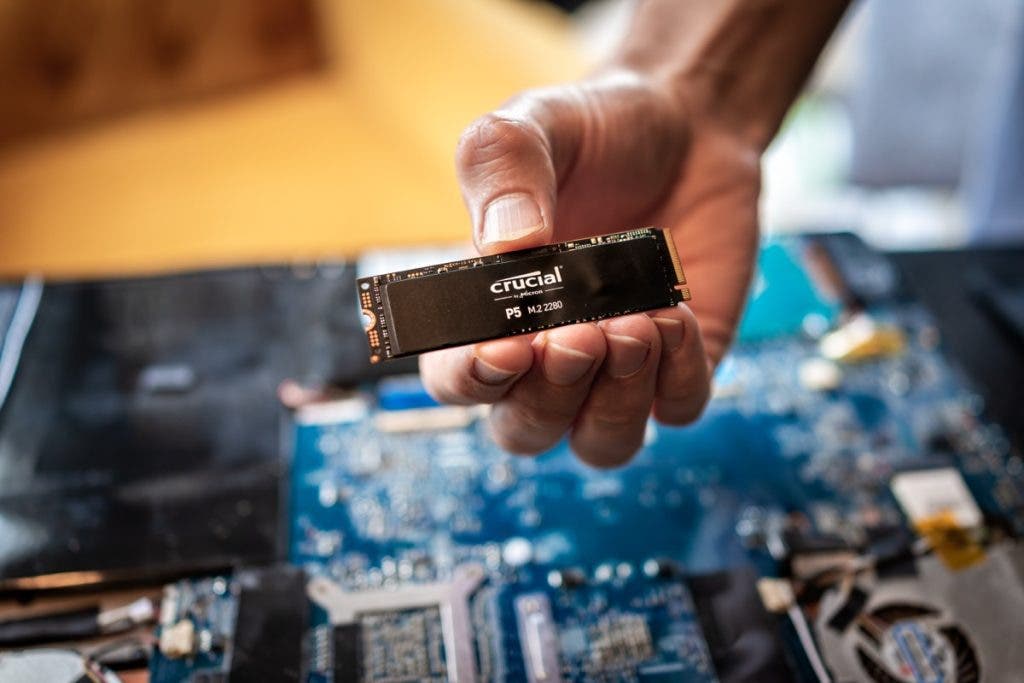
Adding fuel to the fire is Micron Technology’s recent decision to step back from the consumer memory market after retiring its Crucial brand. Instead, Micron has redirected focus and production to AI data centers, including recently breaking ground on a $100 billion semiconductor manufacturing facility in upstate New York.
Confused or slightly alarmed, especially as “RAMageddon”-type headlines seem to be everywhere? ProGrade Digital Inc.’s Peter Liebmann breaks it all down for us.
A Concentrated Supply Chain Meets an AI Freight Train
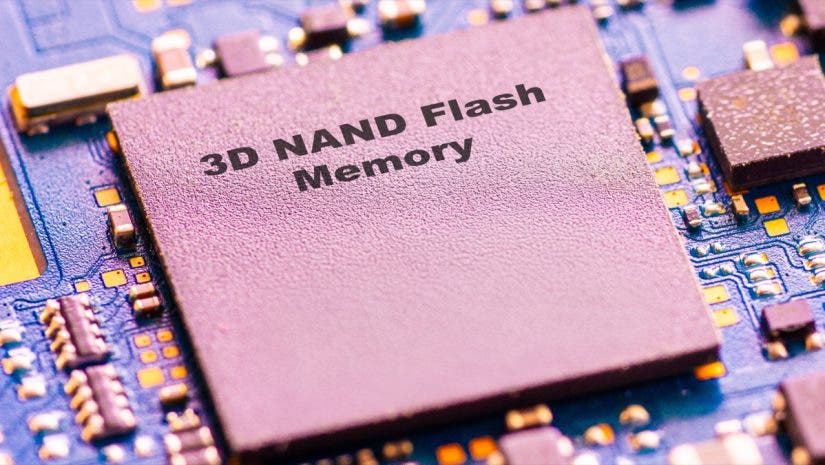
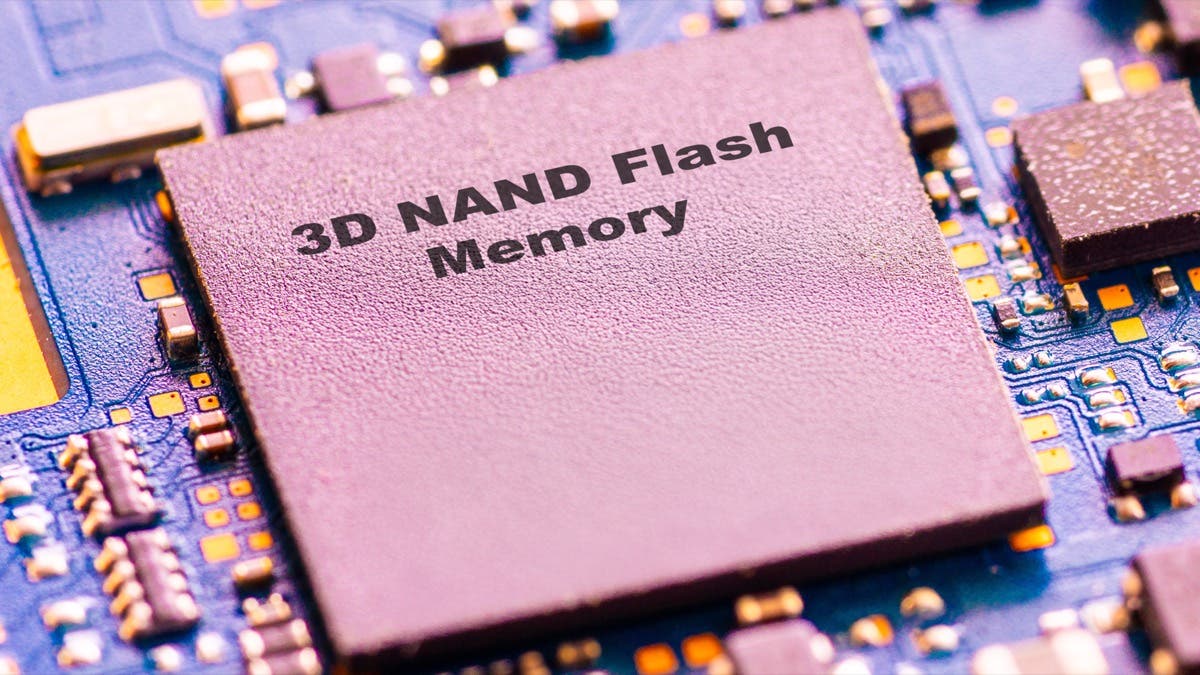
ProGrade Channel Account Manager Peter Liebmann is a photo-industry veteran who’s been working with imaging technology since 1988. What he describes isn’t a short-term disruption, but rather a structural reset. “At the heart of the issue is NAND flash,” he explains, “which is the core component used in memory cards, SSDs, and many enterprise storage systems. While it may feel ubiquitous, NAND flash is produced in only a handful of factories worldwide, most of them located in Southeast Asia. Outside of that region, Micron’s U.S.-based facilities have historically been a rare exception. We don’t have knowledge of Micron’s plant in New York other than what we read in the news. However, the $100B is their commitment over 20 years for an entire complex, not just one fab and not just for flash.”
In reference to NAND flash, Liebman says that “these same flash wafers go into consumer memory cards and massive enterprise data centers. Right now, almost all output is being pulled into the enterprise.”
For example, the data centers required to train, run, and scale AI systems consume enormous amounts of storage, and they pay for it differently than retail buyers do. “Enterprise customers pay upfront, in cash, and at scale,” Liebmann explains. “From a manufacturer’s perspective, there’s little incentive to divert supply to consumer products when enterprise demand is insatiable.”
Liebmann uses a simple analogy to describe the change: “If a single barrel of oil can be sold as either regular or premium gas, manufacturers will always choose the higher-margin option. The same logic applies to flash memory.
The result? Supply is tight, expansion is slow, and AI is first in line.
Why Prices Are Rising and Why Consumers Didn’t See It Coming
Despite all this, Liebmann says consumer awareness, as far as he has seen, remains surprisingly low.
“Most people don’t notice memory prices going up until they need to buy a new card,” Liebmann says. “In other words, you don’t know the price of a tire until you get a flat.”
Even among photographers, awareness, he says, has lagged. At Imaging USA in early January, Liebmann spoke with many attendees, most of whom he says had no idea that flash prices had started rising earlier this year. He sees the same pattern in a couple of camera Facebook groups he is a member of. “Even in large global communities, the issue barely registers yet.”
But that might soon be changing.
As of this writing, lower-end products are already disappearing or rising in price, and more increases are expected. As manufacturers face limited access to flash wafers, they’re making strategic decisions about where to allocate that supply. Unsurprisingly, higher-performing, higher-margin products are being prioritized.
A Quick Primer: Why the Low End Is at Risk
To further understand how this affects photographers and videographers, Liebmann says it helps to look specifically at SD cards, which he says dominate the consumer memory market, but not all are created equal:
- V90 SD cards are the top performers, built for high-bitrate video, fast burst shooting, and pro workflows—the Porsche of memory cards.
- V60 cards offer solid performance for video and still applications, but with lower sustained write speeds.
- V30 cards have long been the affordable workhorse of the market. They are now increasingly hard to find.
The reason isn’t performance, it’s economics.
The components in lower-end cards are often the same as those in higher-end cards. If supply is limited, manufacturers have no reason to use those for lower-revenue products.
V30 cards are already disappearing, and V60 cards may be next. As prices climb, the gap between mid-range and premium cards compresses. Consumers may suddenly pay nearly the same price for lower-performing cards as higher-performing ones, and most will choose the better option.
What remains unclear is how elastic demand will be. Will buyers continue purchasing memory at higher prices? Will they buy smaller capacities? Or will some simply delay purchases altogether?
“This quarter is going to be a litmus test,” Liebmann admits. “Nobody really knows what’s going to happen yet.”
It’s Not Just Memory Cards
While SD cards are the most visible casualty, they’re not alone. SSDs are also impacted, especially enterprise and high-capacity models, which saw increases of 10% or more through late 2025. DRAM prices used in laptops and computers have also risen sharply. All three rely on related semiconductor supply chains and face continued pressure from AI-driven demand.
Liebmann stresses this is a critical point. “This is not a brand-specific issue. It affects every manufacturer, from long-established consumer brands to specialized players like ProGrade. Companies without their own flash factories are customers waiting for supply. They compete with enterprise buyers who can outspend them.”
Relief Isn’t Immediate.
If you’re hoping memory prices will settle down anytime soon, 2026 probably isn’t the year.
“The light at the end of the tunnel isn’t 2026,” Liebmann tells me. “It’s more likely 2027.”
And that’s assuming something meaningful changes, i.e., factories successfully shift what they’re producing, or the AI boom cools off in a real way. If it’s the latter, though, memory prices may be the least of our worries.
For now, semiconductor stocks keep climbing, data centers are rising at a breakneck pace, and AI continues to draw investment into everything from energy to construction to tech.
Moving Forward: What Consumers Should Know
Liebmann is careful not to frame this as a moment of panic. “We’re not trying to inspire fear,” he says. “We just want people to understand what’s going on.”
His advice? “Buy the product suited for the job. High-end cameras demand reliable, high-performance memory. You wouldn’t put cheap tires on a Porsche, and memory is no different.”
“Sticker shock is coming for many consumers, and education is the best defense,” Liebmann sums up. “The more people understand that this is an industry-wide shift, not a pricing gimmick or brand decision, the easier it becomes to navigate what’s ahead.”