I do believe everyday tasks, whether work-related or personal, take a toll on us all. It doesn’t make much difference if you do something you enjoy or not. At the end of the day, you are worn out and need not just rest but an efficient way to recharge your batteries, declutter your mind, and relax.
For many, getting out and enjoying nature is something innate. Take forest bathing or hiking, for instance. For others, however, the flow of thoughts doesn’t get interrupted simply by stepping outside. They need something to do to be able to clear their mind, notice the world around them, and finally, relax. This is where photography enters the scene. By combining spending time in nature with the passion for photography, you get a purposeful mission that helps you destress, improve your well-being, and take in the essential Vitamin N(ature).
I’m sure there are many other ways in which nature photography can help to take a break from your busy life, but here are my favorites, just to get you started.
Nature Photography as a Thrilling Experience: The “Hunt” for Photos
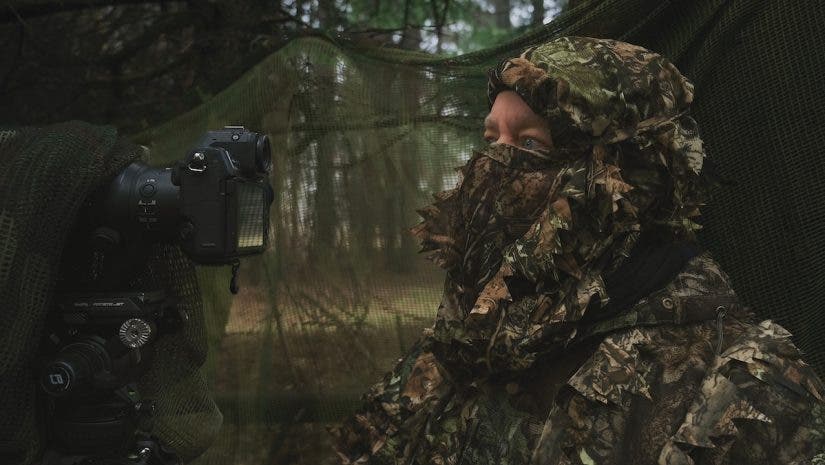
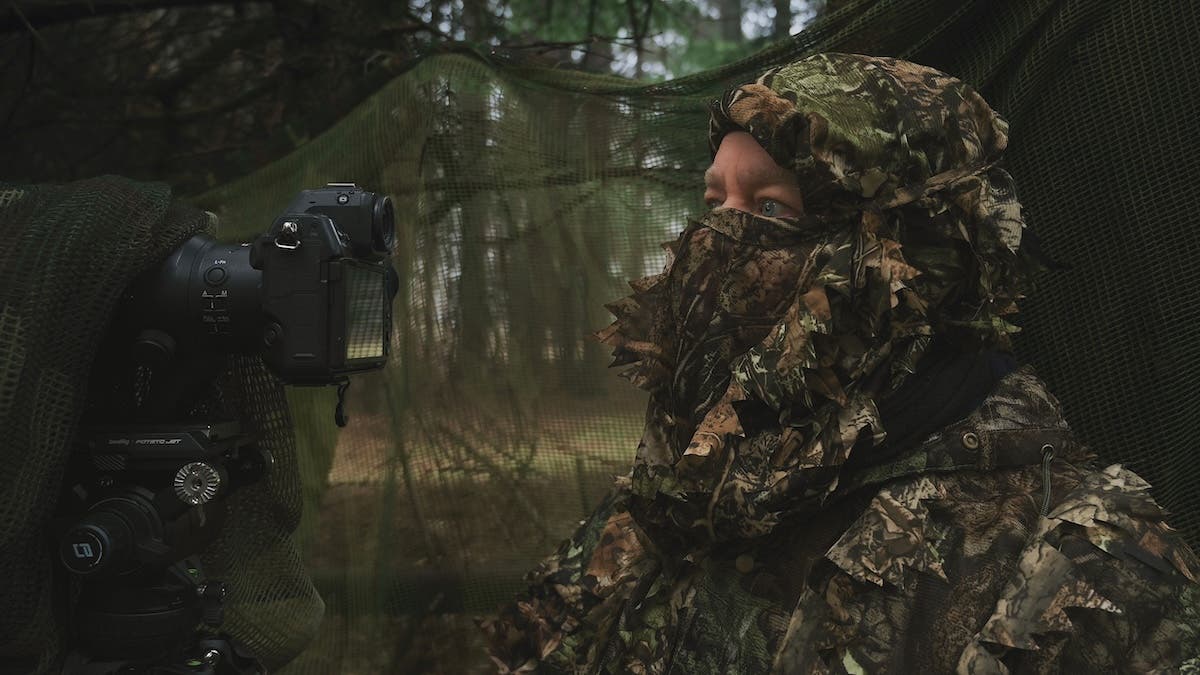
Nature photography provides a sense of purpose that enriches your experience. You don’t just sit around or walk in a natural environment. You get to do something over a limited period of time and take home a reward. During an outdoor photo session, you actively seek the next animal to photograph, practice working in different lighting conditions, set up your camera, and spend a lot of time composing, framing, and thinking about what you want to say with a particular image.
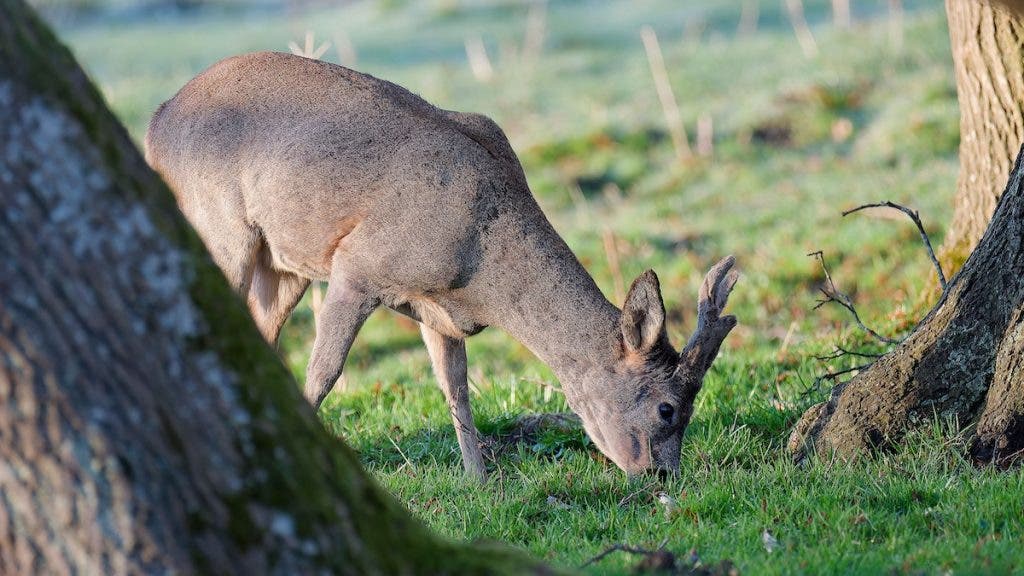
The “Hunt” for photos is exciting and leaves no room for anything else. It’s not just a break; it’s a creative expedition. It also provides a sense of accomplishment. At the end of the photo session, you get to keep the photos and have plenty of stories to tell. Maybe you find a rare flower, push your boundaries to get to that amazing mountain peak, or get caught in the storm. Nature photography provides endless opportunities for adventure.
A Creative “To-Do” List
How does your usual to-do list look? Emails, deadlines, meetings, doctor appointments, and chores? Yeah, I completely understand. However, when I create my to-do list for nature photography, I put in things like “Find a foggy morning,” “Capture a bee on a flower,” “Get up before sunrise”, or “Track down a waterfall.” Sounds better, right? These tasks are fulfilling while remaining in the low-pressure area. I’m fine with not finding a bee sitting on a flower. I’m happy if I do, but it’s not the end of the world if I don’t. I may decide to photograph the flower anyway and keep the “Capture an insect on a flower” task for next time I get out.
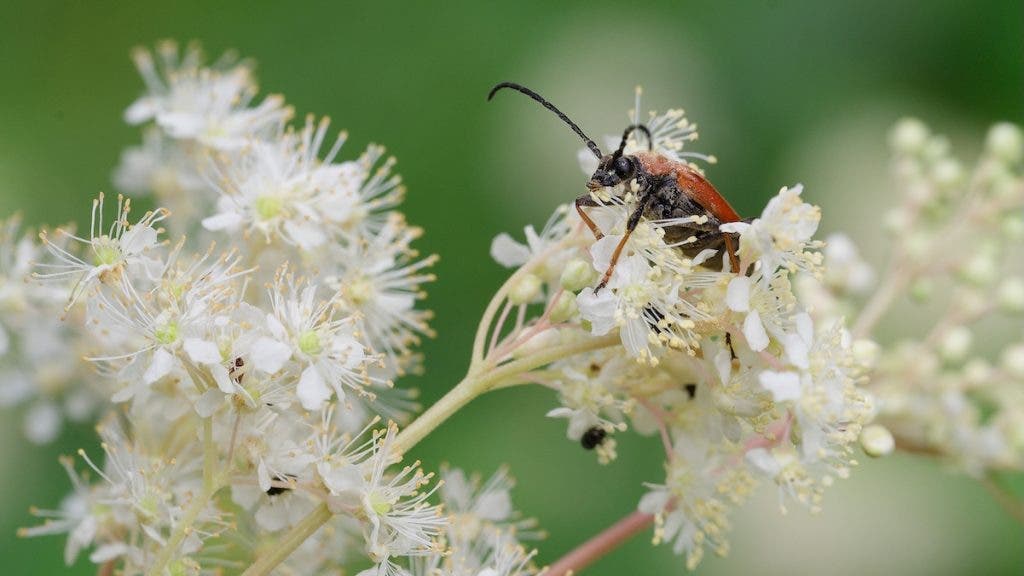
A creative to-do list teaches you how to work under pressure while treating you with kindness and compassion. It helps you learn to think outside the box, come up with solutions, improvise, and pat yourself on the back, whether you get the shot or not. In the end, it’s the journey that matters.
The Mindful Observation Behind Nature Photography
Whether you like it or not, when you pick up a camera and look through the viewfinder, your world slows down. As soon as you take on nature photography, you’ll never just look at a sunset again. Instead, you’ll analyze the light and colors and think about what composition will work best. Photography is a form of deliberate focus, one of the many ways in which we can quiet a busy mind and practice a skill with intention.
I take the photography tip of slowing down, quite literally. Not only do I take more time to prepare the camera and decide on a composition before pressing the shutter release button, but I also move at a slower pace, stand still for longer, and settle with fewer subjects. Often, I dedicate an entire photo session to photographing a single species of birds or deer, or to checking off just one item from my creative to-do list. Instead of always thinking ahead, I allow myself to take in the moment, observe it, and truly enjoy it.
Self-Improvement: The Power of Patience
Speaking about mindful observation takes us to the next huge benefit of nature photography: a masterclass in patience. Waiting for the perfect light or for an animal to appear takes a lot of patience, a skill we lack more and more these days when everything around us brings instant gratification. You press a button, and a myriad of colors fill the screen in front of you. In nature, you can press as many buttons as you like, but the deer won’t come until it feels safe and decides you deserve the shot.
Take nature photography as practice to improve your patience level. Leaving aside the fact that being patient will get you stunning photographs, it is also a skill that can reduce stress and help you appreciate the present.
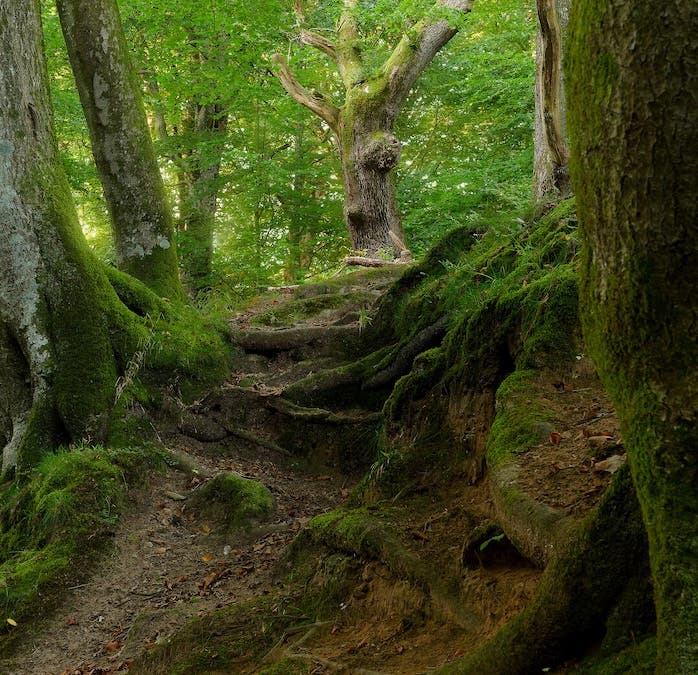
Boosting Morale: Results!
The photographic process is not the only one that helps you prevail in this busy world. Photographs themselves help a lot, too. With nature photography, the payoff is tangible. Unlike a regular walk in nature, photography gives you something to take home. Good or bad, your pictures are proof of your effort and a reward. They are reminders you can get back to whenever you feel low. The process of taking them was a nice break, but browsing through your photos months later boosts your morale equally.
I use my photos for many purposes, such as gathering information for scheduling future photo sessions, analyzing composition and learning from my mistakes, printing and decorating my office with my best shots, and rekindle with nature whenever I’m stuck at the office for too long.
Healing: Building a Connection with Nature
Nature is welcoming and endlessly surprising. I believe it to be a bit magical because every time I go out and photograph it, I learn something new or I see something I didn’t notice before. There are no two identical objects (e.g., animals, plants, seasons, sunsets, etc.), but somehow, they feel the same. That’s magic to me.
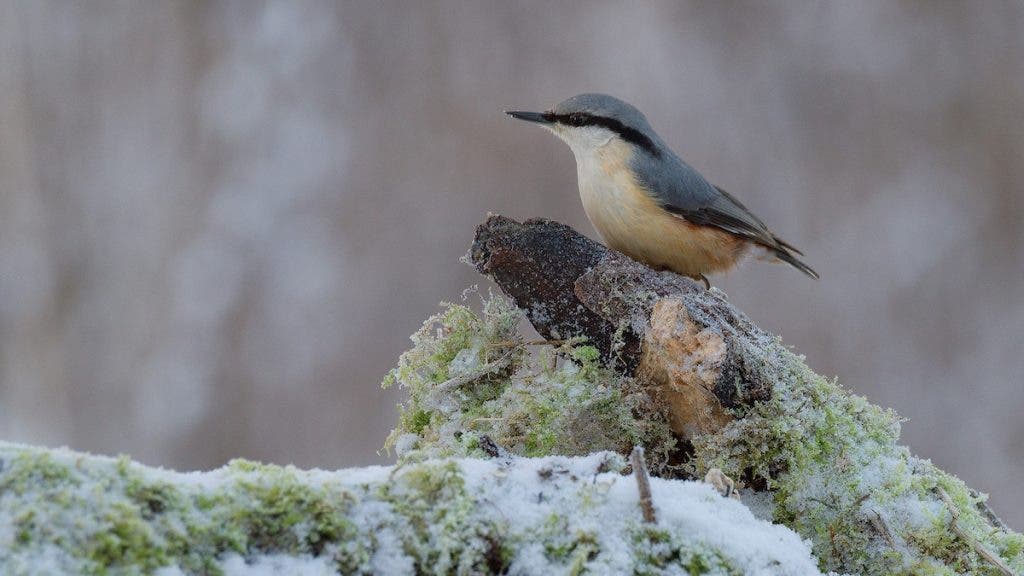
Nature photography helps you become attuned to the seasons, the weather, and the behavior of animals. You’ll notice birds you didn’t know existed. You’ll associate seasons with smells and colors and feel them coming by the way the wind blows or the light changes. This deeper connection enriches the experience and creates a sense of belonging. Remember, belonging is on the third level in Maslow’s Hierarchy of Needs.
The Social Aspect: Being Part of a Community
If you, like me, prefer to go alone, that’s perfectly fine. But I know that many photographers plan nature photo sessions together with photographer friends. Nature photography may be a solo activity or not. However, the community part goes beyond the process of taking the photos.
Nature photography has a large and welcoming community. On Instagram alone, #naturephotography has over 260 million posts. Sharing your photos is part of the experience, too. But you can also take on photography classes, join group discussions on dedicated forums, attend exhibitions, or go on photo tours. You can print your photos into photo albums or photo books and share them only with your family and friends. All these activities add a social dimension and combat feelings of isolation. Paradoxically, the busier the world gets, the more alone we feel.
Tips for Using Nature Photography as a Break
Enjoying nature seems the easiest thing in the world, but it is much harder than it seems. Simply put, we are out of habit. It takes time to reconnect and find what we resonate with. It takes energy to quiet the mind and enjoy the scenery. It takes determination to get out of the house instead of watching TV. So, here are my tips to find time, energy, and determination for nature photography:
- Don’t sweat on what type of camera you use or whether your pictures are National Geographic approved or not
- Start low and gradually increase the amount of time and effort you put in
- Make a creative to-do list and add nature photography to your busy schedule
- Let nature speak to you and choose the subject matter and technique that resonates with you (e.g., minimalist vast landscape photos, macro insect shots, forest photography, wildlife photography, etc.)
- Consider the community aspect
- Be grateful and enjoy the unexpected journey life is
Final Thoughts
In my opinion, nature photography may very well be used as a break and as a way to reconnect with yourself and the natural world. I believe this creative pursuit will improve your mental well-being and cultivate mindfulness and appreciation for the beauty around you. I may be biased on this (I am a nature photographer after all), but one can find plenty of research on the benefits of spending time in nature, so I’m not alone in this. Whether you’re in for the results or the process, nature photography can be a powerful tool to reset, recharge, and find joy in everyday moments.