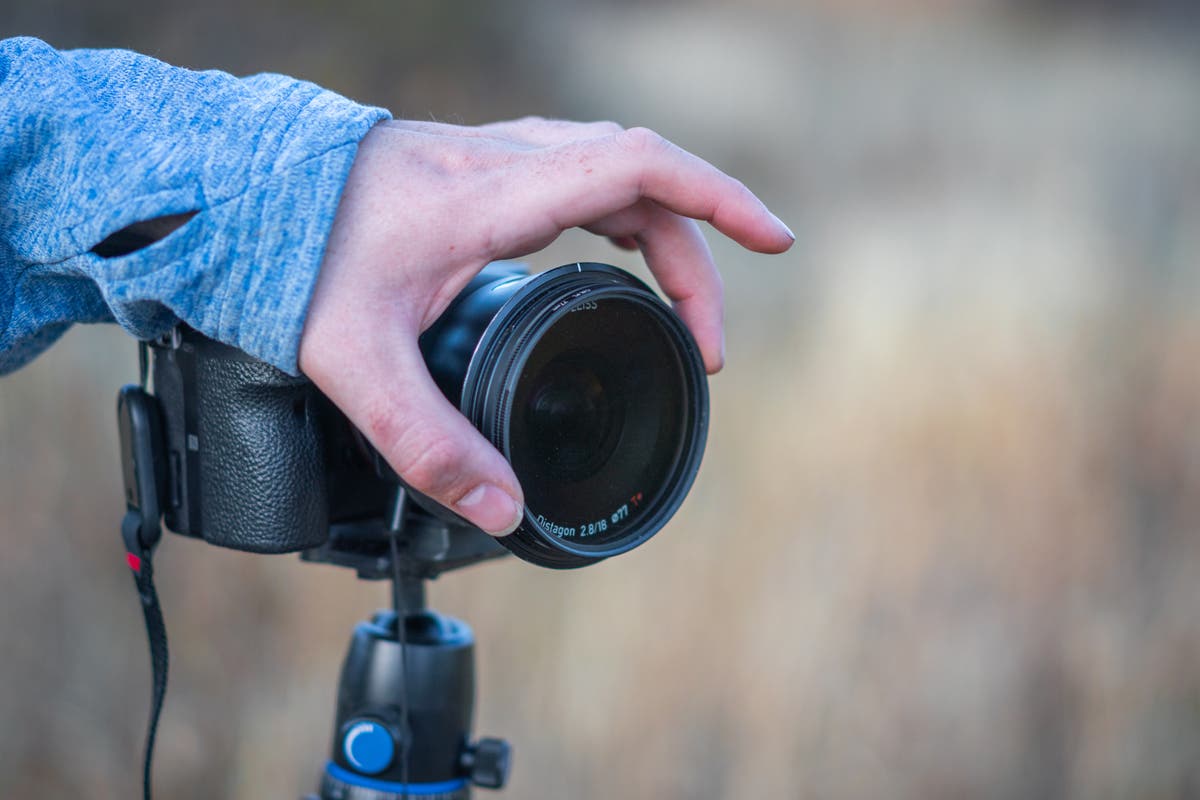
There are hundreds of different types of lens filters on the market, but none more important or commonly used than the ND filter and the polarizing filter. Neutral Density (ND) filters are like sunglasses for your lens. They reduce the amount of light hitting the sensor, allowing you to have greater control over the depth of field in your image (via aperture) or the shutter speed. On the other hand, polarizing filters remove glare from things in your image, like foliage, water, glass, and more. Both of these filters are highly effective and useful for both photography and videography, so it’s recommended to carry both styles of filter in your bag. In this article, we’ll outline the differences between ND filters and polarizing filters and when you should consider using each one.
ND Filters
A high-quality ND filter has no color cast and only darkens the image by preventing light from hitting the sensor. This comes in handy when you are trying to access specific camera settings to achieve a particular look in your photos or videos. For photography, using an ND filter can allow you to manipulate shutter speed or aperture settings for creative looks in your image. For videography, an ND filter can help you reach the proper shutter speed to capture your desired framerate.
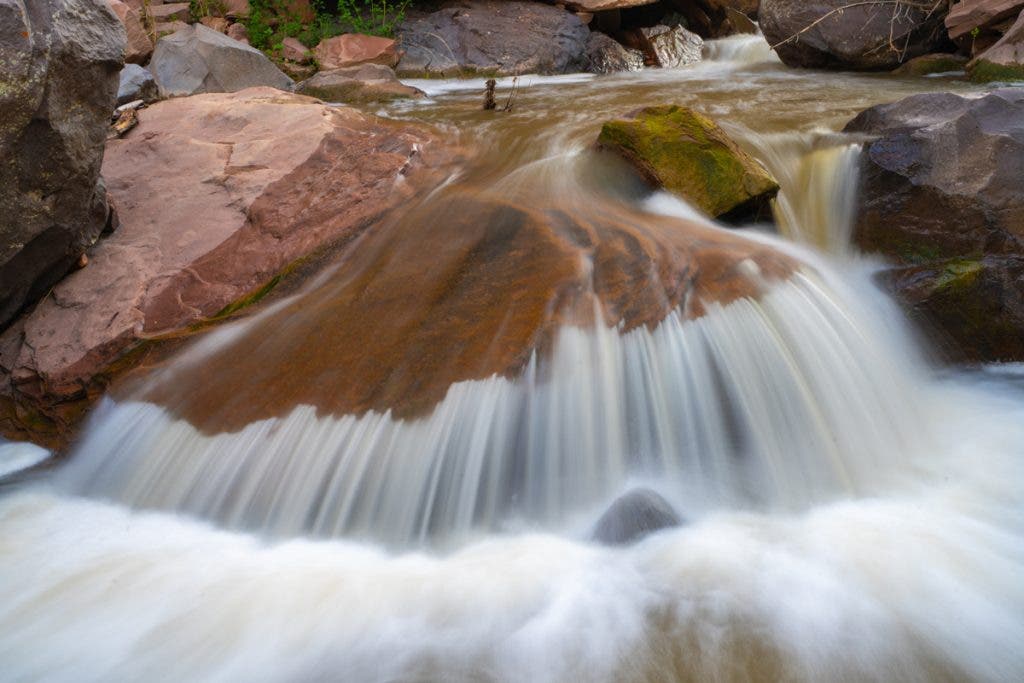
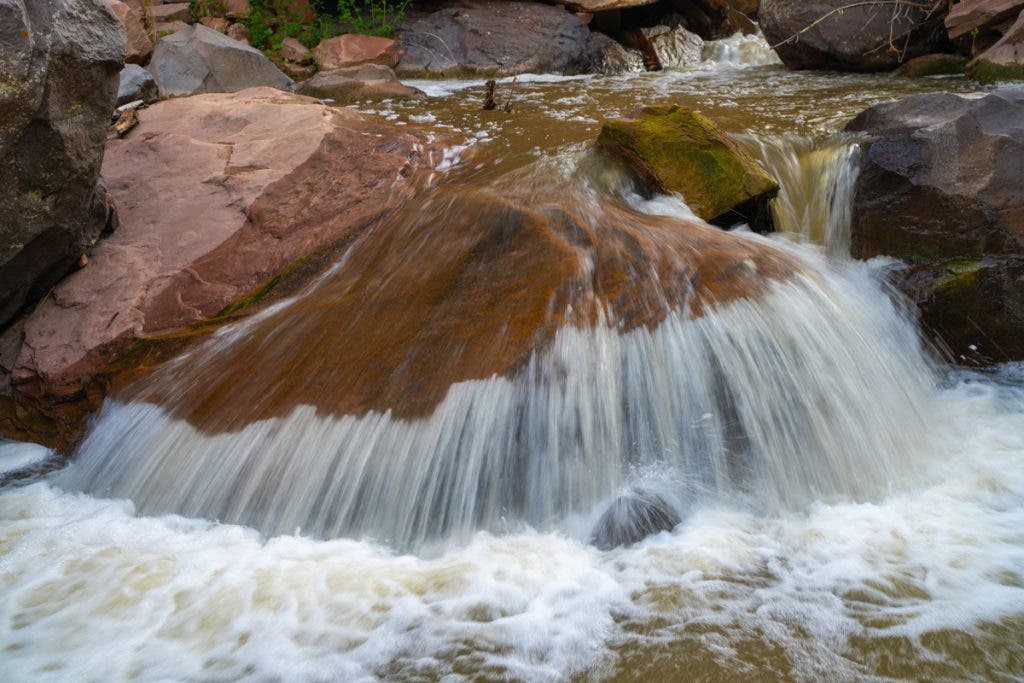
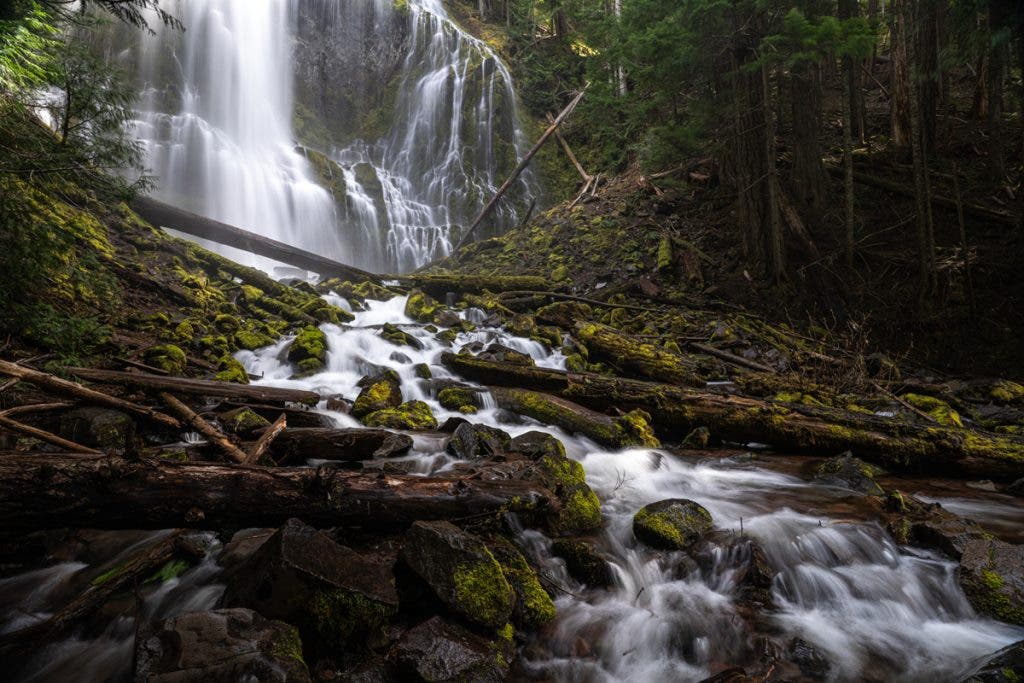
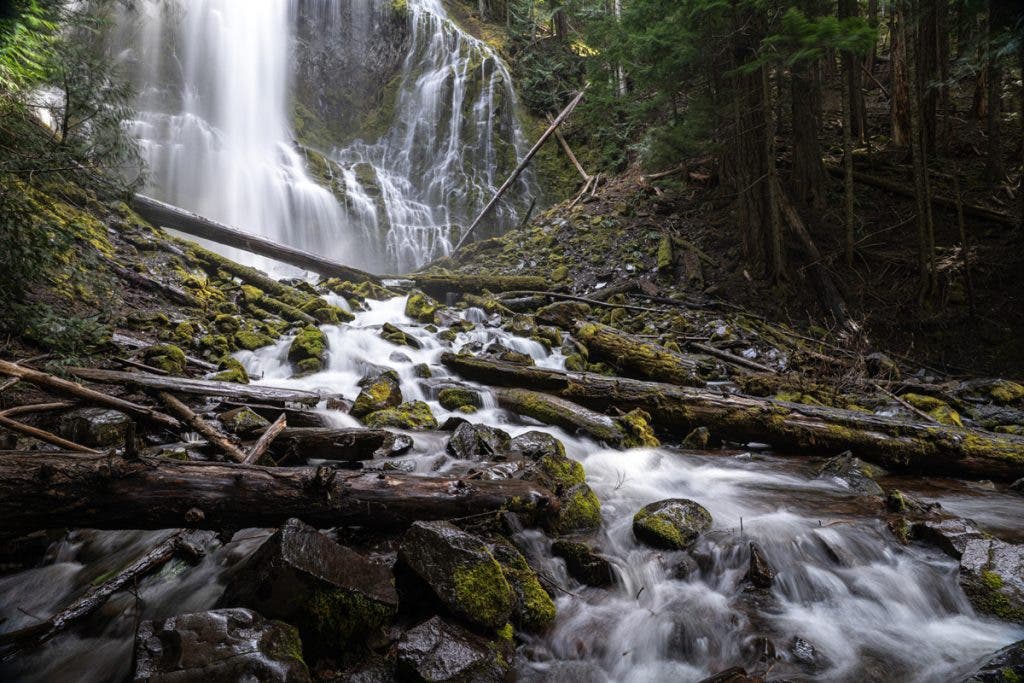
A 5-stop ND filter helped me to slow down the shutter speed and blur the movement of the water in the image above. Below is without a filter, where I was unable to slow down the shutter speed any further.
When to Use an ND Filter
ND filters are particularly useful in two types of situations. First, when you want to capture very long exposures, such as a waterfall or moving clouds. Longer exposures help you to blur motion in the scene, which is a popular technique for photographing streams and fast-moving clouds. ND filters can also help you shoot at wide open apertures in broad daylight. Even at base ISO and your camera’s fastest shutter speed, exposing an image in direct sunlight at the maximum aperture during the daytime can result in overexposed images. The use of an ND filter helps you to maintain proper exposure and the best depth of field in your images and videos.
How to Pick ND Filters
Picking the right ND filter can be a painstaking process. With so many options on the market, knowing which one is right for you might seem impossible. ND filters are measured by how many stops of light they block, such as a 3-stop ND filter, which blocks three stops of light, or by a numerical factor, such as ND8, which means the filter transmits ⅛ of the light.
For those who want an all-in-one option, many companies have started making variable ND filters, where a simple turn of the filter adjusts the amount of light transmission.
- 3-Stop ND: Typically used for low-light motion blur or shallow depth of field in portraits.
- 5-Stop ND: Most versatile and excellent for many different applications.
- 10-Stop ND: Great for super-long exposures during the daytime.
- 16-Stop ND: Used for eclipse photography and videography.
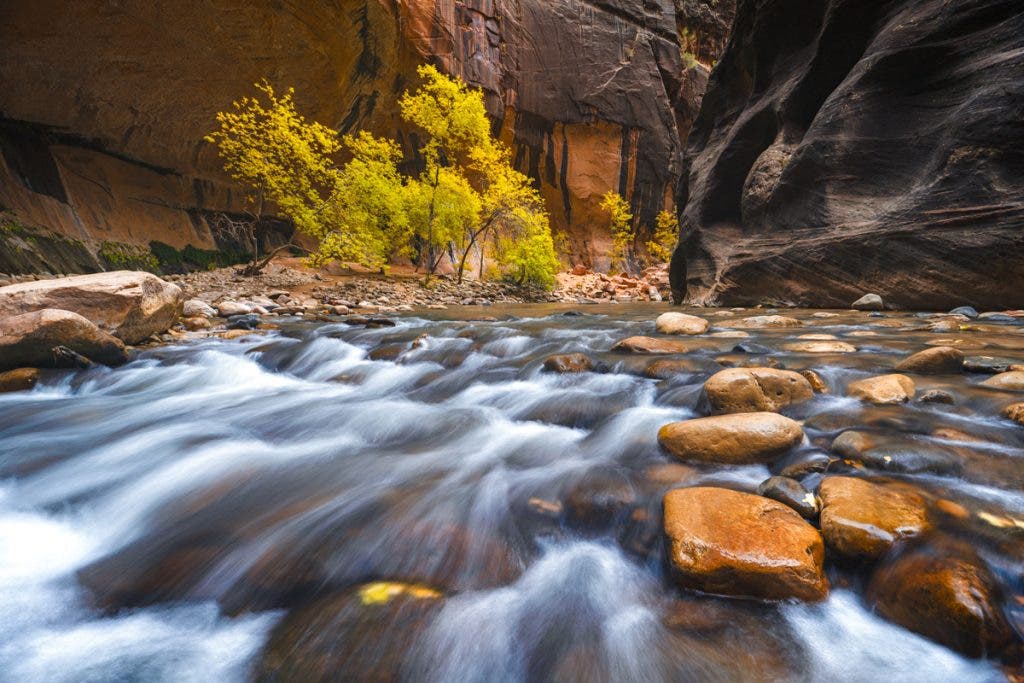
I used a 3-stop ND Filter to slow down the shutter speed slightly on the above image to show off the movement in the water.
Polarizing Filters
A polarizing filter is used to remove glare from the scene. If you’ve ever used polarizing sunglasses, they function the same as a polarizing filter for your lens. Most polarizers will also darken the scene between 1-3 stops, but the primary use is to cut through glare and make colors pop in your image. To successfully use a polarizer, you must screw it on the front element of your lens and then continue to turn the polarizer as you look through the viewfinder. You should notice the image becoming polarized, and the colors should start to pop. Many objects you may photograph will look more vibrant with a polarizer, which is why it’s one of the most commonly used filters in the world today.
The difference between a polarized (above) and an unpolarized (below) image. Notice how much better the colors and detail are in the polarized image.
When to Use a Polarizer
There are very few situations where using a polarizer would not be beneficial. Anytime you’re shooting around water, in the forest, in the city, or even shooting portraits, a polarizer can help you cut down on glare and bring out the true color in the scene. Even if you don’t think that polarization would help your scene, it’s always worth putting on the polarizer to check and see if you can get better colors by using it.
How to Pick a Polarizing Filter
Polarizing filters are much simpler than ND filters when selecting which one is right for you. A filter either polarizes or it doesn’t; there is no measurement system. However, the highest quality filters are generally very thin, which can help you avoid vignetting when used on an ultra-wide lens. Additionally, high-quality filters will prevent any color cast in your image.
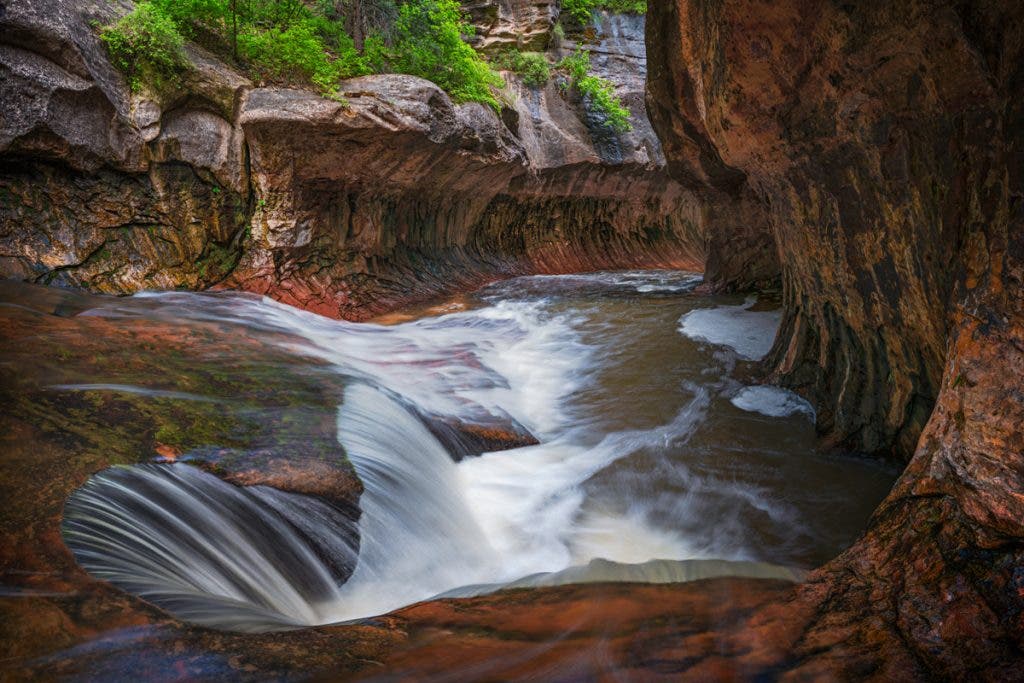
A polarizer helped to remove glare from the rocks and the water to show better colors in the image. above
Do ND and Polarizing Filters Affect Image Quality?
Anything you put in front of your lens will affect image quality. That being said, high-quality lens filters have very minimal effects on image quality, and you may not even be able to tell the difference. Low-quality filters often leave color casts and soften the image, so ensure you’re purchasing filters from a reputable brand.
Can I use a Polarizer and an ND Filter Together?
Yes, you absolutely can use a polarizer and an ND filter stacked on top of each other. However, the more elements in front of the lens, the more image quality can be affected, so only do this when you need the benefits of both. Also, when shooting with an ultra-wide lens, stacking multiple filters can often result in vignetting around the edges.
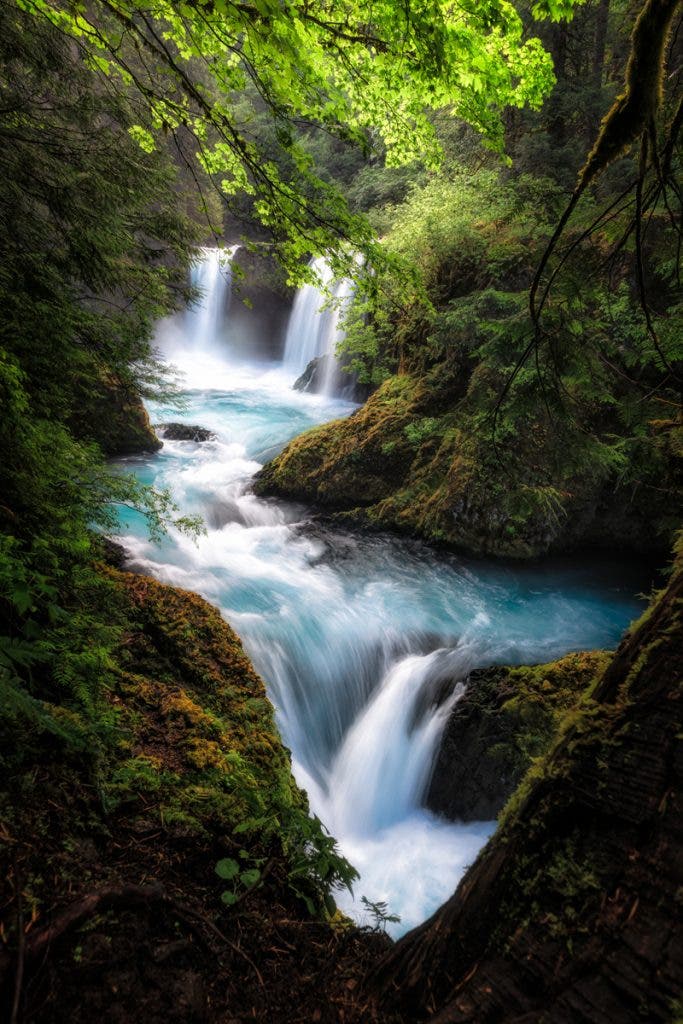
Both a 5-stop ND and a polarizing filter were used to capture this image(above). The ND filter allowed for a longer shutter speed to smooth the water, while the polarizing filter helped to bring out the blues and greens in the image.
Selecting the right lens filters can seem like a chore, but carrying both a polarizing and an ND filter is going to greatly improve the quality of your photos and videos. As of late, we’ve even seen some camera manufacturers having a built-in ND filter for in-field use, proving just how crucial these filters are. Don’t wait any longer to get these two essential pieces of gear! You can shop the entire line of lens filters available at Adorama to suit your imaging needs here.