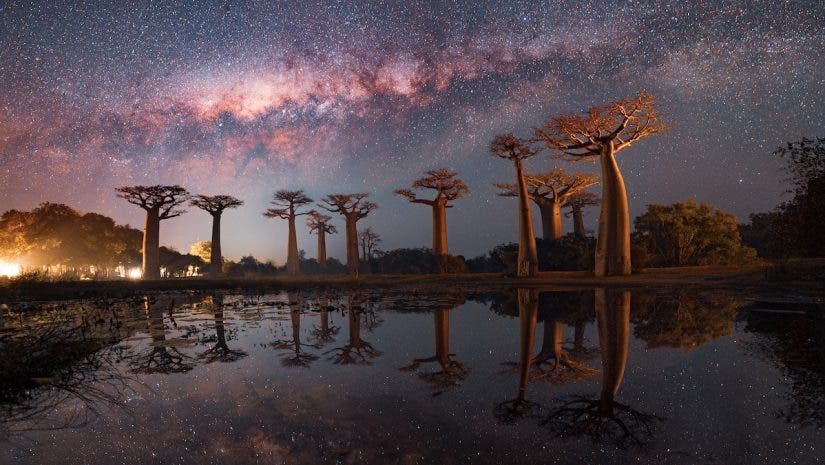
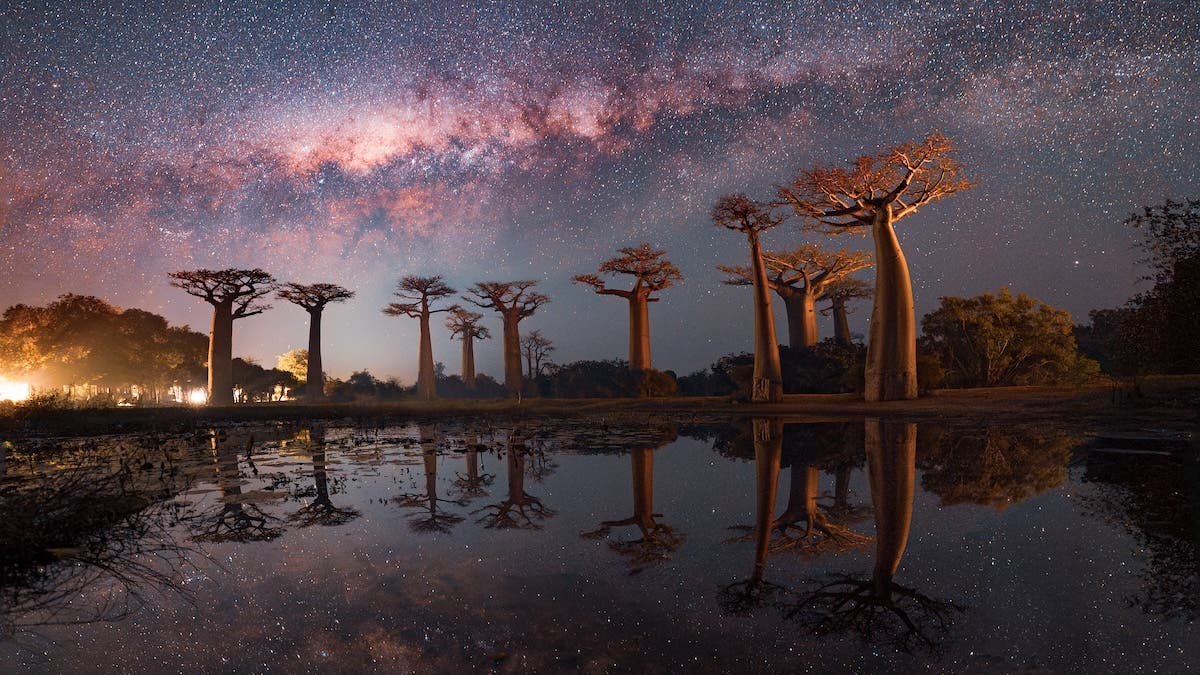
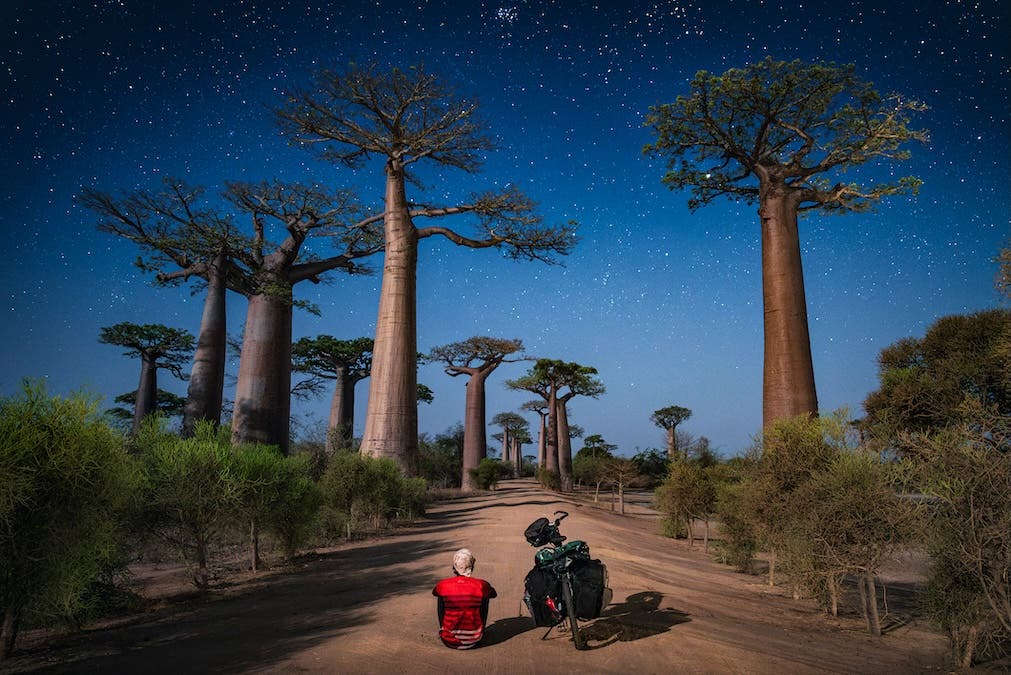
How many of us create content purely for aesthetic reasons, and how many of us are photographing images with a vision and purpose that extends past visual appeal? A recent trip to Madagascar answered many of these questions for me, where a single photograph of baobab trees silhouetted against the Milky Way is currently powering a rural community’s access to healthcare.
This is the story of a famous photographer and cyclist known as “Kamran on Bike”, an intrepid traveller whose lens reveals not just the breathtaking baobabs of Madagascar, but also the human conditions hidden behind the frame, just a stone’s throw from these famous ancient trees. It’s a story that challenges every creative professional to ask: What lies beyond the obvious in our work?
The Evolution from Tourist to a Traveller
Kamran’s philosophy centres on five stages of authentic travel, each building toward a deeper understanding of purpose:
- Stage One – Excitement: That initial spark of wanderlust, the nervous anticipation of stepping into the unknown.
- Stage Two – Adventure & Exploration: The awe-inspiring moments beneath towering mountains and beside hidden waterfalls, where the world reveals its vastness.
- Stage Three – Connection: The profound realisation that people, not places, leave the deepest impressions. Stories shared over meals, laughter that transcends language barriers, and the universal threads that bind humanity.
- Stage Four – Transformation: When travel evolves from hobby to passion to purpose, an inner calling that becomes impossible to ignore.
- Stage Five – Belonging Without Borders: The moment when you stop being a visitor and start simply being. When home becomes everywhere and nowhere, and curiosity becomes your compass.
For most travellers, the journey might end at stage three or four. But for Kamran, reaching stage five meant recognising that his camera and his voice carried responsibilities that extended far beyond personal fulfilment.
When the Frame Reveals the Need
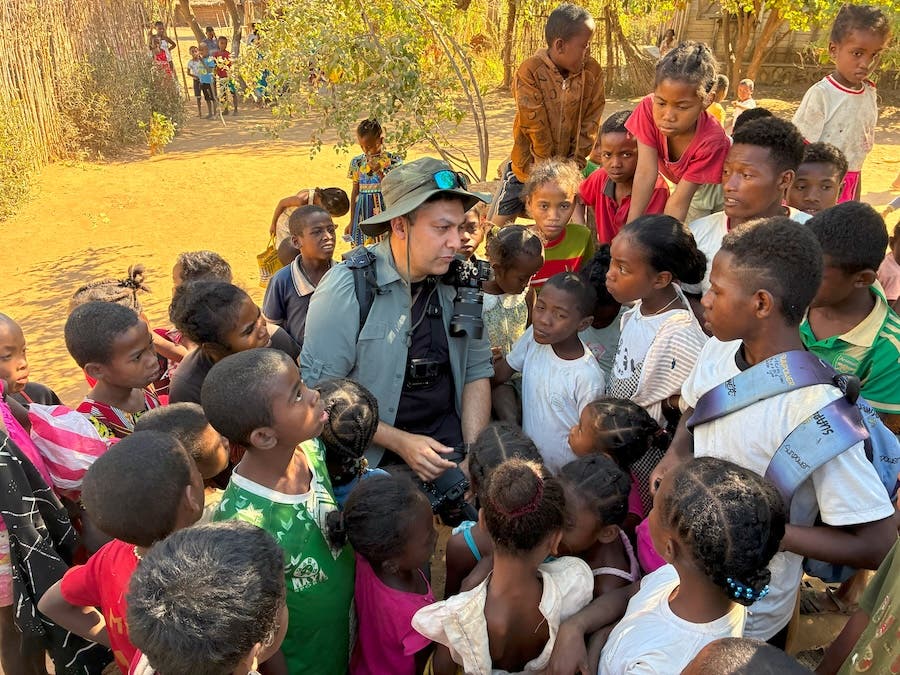
What was meant to be another cycling adventure through Madagascar to round off his journey down the length of Africa, Kamran unexpectedly faced a reality that no scenic photograph could hide.
The local hospital in Ankilivalo served over 30,000 people with just one doctor. The facilities were almost non-existent. People could not afford basic medicines. He donated a cursory $50 to buy some medicine and shared a story on Instagram, thinking he would move on the next day. When his followers saw his Instagram stories and images, however, they rushed to offer donations to buy more medicine and supplies.
Each day, he thought his job was done and that he could move on, but more donations came, and what began as a modest $50 donation gradually grew into over a $35,000 development project that continues to this day, while simultaneously something inside of him also shifted. For the very first time, he stayed in one place.
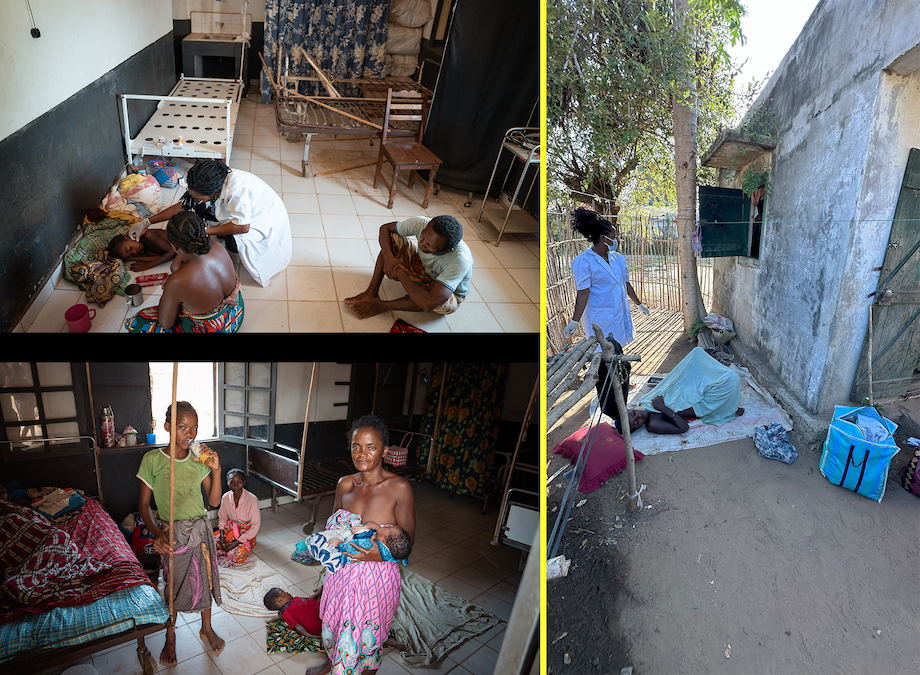
It was Kamran’s talent as a visual storyteller that made this transformation possible. His photographs and videos didn’t capture poverty with the pathos of witnessing the tragic. Instead, they challenged and evoked responses through their captions, Instagram stories and short-form videos. The photos and videos showcased not just what was missing, but what could be achieved.
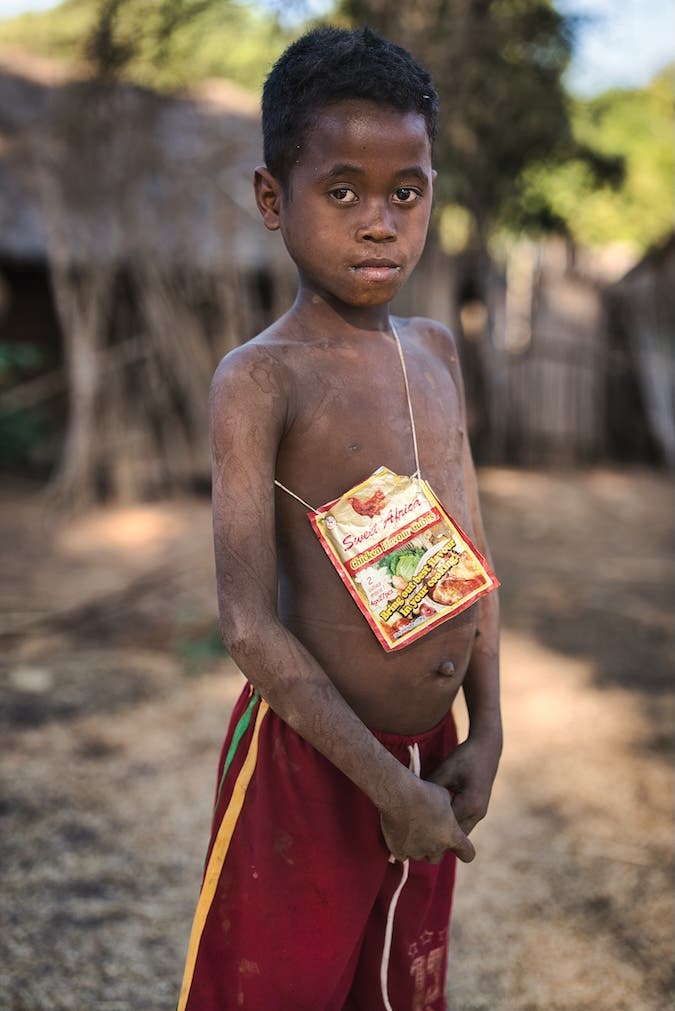
Thousands of tourists visit Madagascar each year to photograph the iconic baobab trees. These majestic giants have become symbols of the island’s natural beauty. Their silhouettes feature in countless Instagram feeds and travel magazines. Yet few visitors look beyond these photogenic subjects to see the communities struggling just in the shadows of the trees: communities without electricity, clean water, proper healthcare, schools, and basic infrastructure.
The Power of Vision Beyond Aesthetics
What distinguishes meaningful creative work from mere content creation? The answer lies in intention and perspective. When Kamran captured his well-distributed image of baobab trees beneath the Milky Way, he wasn’t just creating another stunning landscape photograph. He went for the intentional purpose of building a bridge between two worlds through his photography: the world that sees Madagascar as an exotic destination, and the world that experiences Madagascar as their home, with all its challenges and needs.
He promotes and sells this image on Instagram with no personal gain from it. The proceeds go towards hospital renovation, medicine, and maintenance. The donations have enabled the installation of solar panels to provide electricity, as well as the purchase of new furniture, mattresses, beds, and medical equipment. Besides the baobab photos, he has posted dozens of other images from Madagascar. They’re all accompanied by strong captions with intent, rather than just aesthetic appeal.
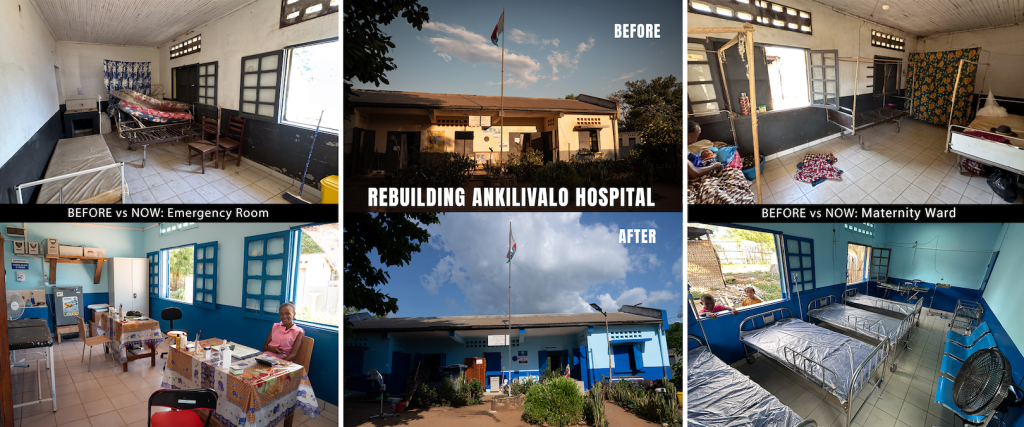
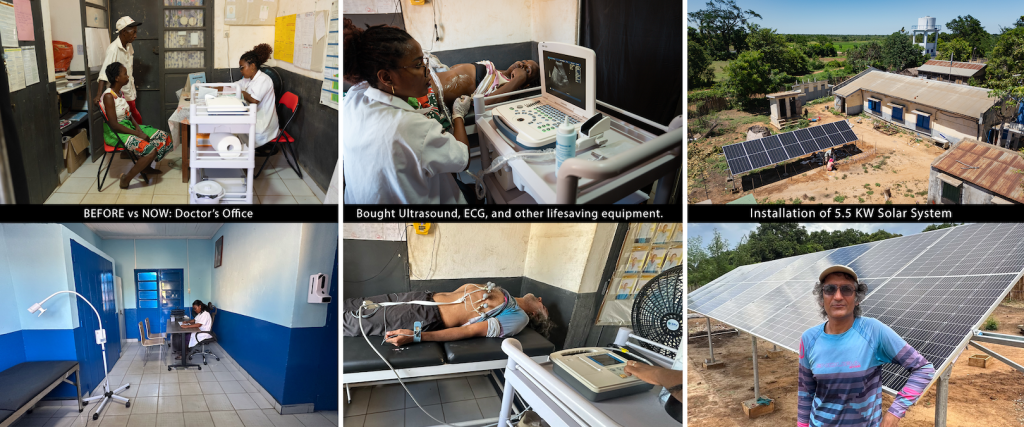
This is the transformative power that exists when photographers choose to harness their creative potential beyond the obvious, when we point our cameras not just at what’s beautiful, but at what’s true, when we use our storytelling abilities not just to capture attention, but to direct that attention toward meaningful action.
The Ripple Effect of Conscious Creativity
The impact of purposeful creative work extends far beyond its immediate subject. Kamran’s documentation of his hospital project has not only transformed the lives of locals in Ankilivalo. It has also inspired a global community of followers who have now become part of this meaningful change, and a seed of their capacity to make a difference has been planted. People who once scrolled past travel content might now actively engage with a cause. Donors who might have given once may now provide ongoing support.
I travelled from Cape Town to Madagascar to document this work firsthand so I experienced this ripple effect personally. Creating a documentary film about Kamran’s mission became my own way of contributing, using my skills as a filmmaker to amplify awareness and support. The act of documenting this story transformed not only my understanding of what creative work can achieve, but also my sense of responsibility as someone with the tools and platform to tell meaningful stories.
This is the multiplier effect of conscious creativity: when one artist uses their skills purposefully, it inspires others to do the same. The impact compounds, creating networks of support and awareness that can sustain long-term change.
Practical Applications for Creative Professionals
Every creative professional has the chance to look beyond the obvious in their work, enhancing its value and success.
- Aim to capture not just images, but also the stories and context beyond the frame, to deepen the viewer’s understanding.
- Use your storytelling to shed light on issues, connect communities, and inspire action, recognising the power of your medium to educate.
- Remember that your skills are tools for communication. Your artistic vision can help others recognise new possibilities.
Redefining Success in Creative Work
In a world focused on metrics like likes and shares, Kamran’s story presents a broader perspective on creative success. His work has not only reached thousands on social media but has also saved lives, improved healthcare access, and empowered his community to envision a better future. This does not diminish the value of aesthetic beauty or commercial success; instead, it invites us to consider how creative work can serve a larger purpose, revealing opportunities to use our skills for the greater good.
The Call to Look Deeper
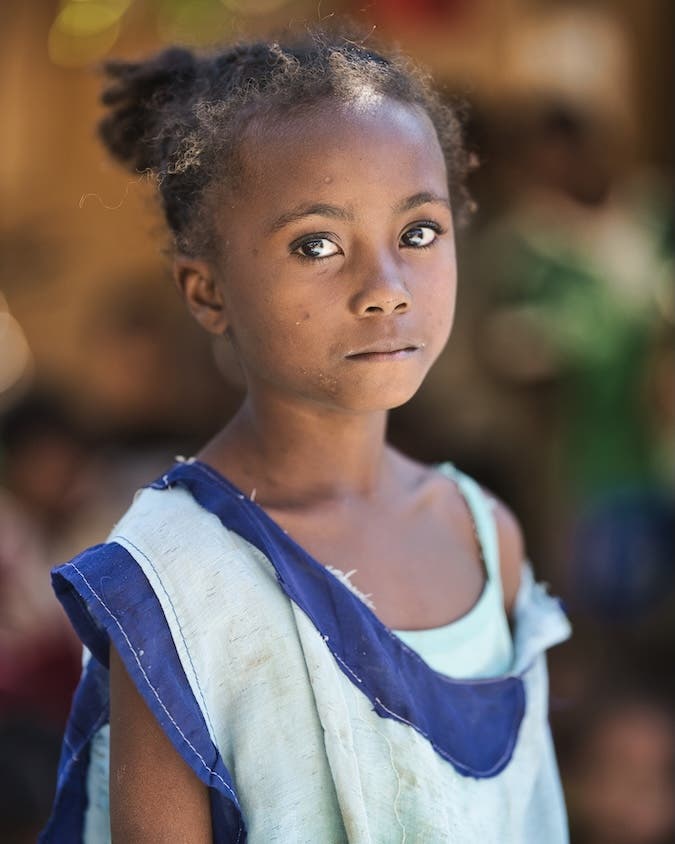
Every time we raise a camera, we make choices about what to reveal and what to conceal. We can create content that merely entertains, sparks conversation and action, or facilitates social analysis. The baobab trees of Madagascar are beautiful and worthy of celebration, but they also represent communities that need visibility and support.
There is a strange twist of irony that the very image used as the billboard image of Madagascar is the one that powers the invisible and neglected people in the shade of the trees. The image holds no social commentary in and of itself, and is purely a tourist trap to visit the country, but it has lured and provided, through its sales, the income for a greater cause. Nice one, Kamran! Touche.
If you are interested in learning more about Kamran’s project, contact us on Instagram: @kamranonbike / @muji.drifts