What if you could predict the future? How often do you find yourself walking down a busy street, camera in hand, trying to find that one special thing that’s happening at that precise moment? You see someone interesting, you’re not quite sure, but you take the pictures just to get a small win, then you turn around and realize you’ve just missed the most amazing moment you could possibly photograph on the other side of the street.
This happened to me in the most cruel way possible a couple of months ago while we were staying in an incredible old house in the Lake District. RAF fighter pilots regularly train by flying low through the mountains, and on the first night, two Chinook helicopters flew over the house.
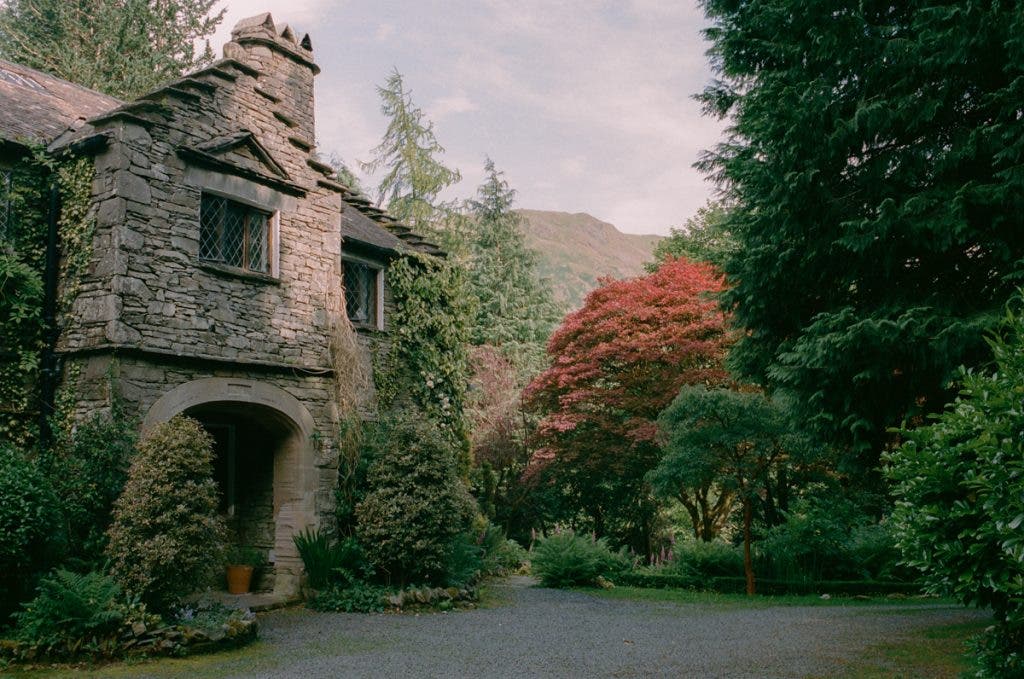
On this occasion, it didn’t feel like I’d missed a moment; the choppers weren’t in the right spot, and it was pretty much dark. However, on our last morning, as we packed up the car to leave, we suddenly heard the crashing, whooshing of an F-15.
It flew right over the house while it was banking sideways; it genuinely felt like it was only 100m or so in the air. Then, before I knew what was going on, another one flew over the same spot, and that was that. I missed it, I missed a one-in-a-million shot, the kind of shot that photographers live for.
This is one of those universal things that every photographer experiences, but what if it didn’t have to be that way?
What if We Could Learn to Predict the Future?
And I’m not talking about going all David Blaine, I’m talking about a real, learnable skill that’ll help you get those shots you so often miss.
Most of the time, if you’re out shooting, you’re in a kind of ‘reactive’ state, you see something happen, you take the picture, someone runs past you, you get a picture of the back of them, you know the drill.
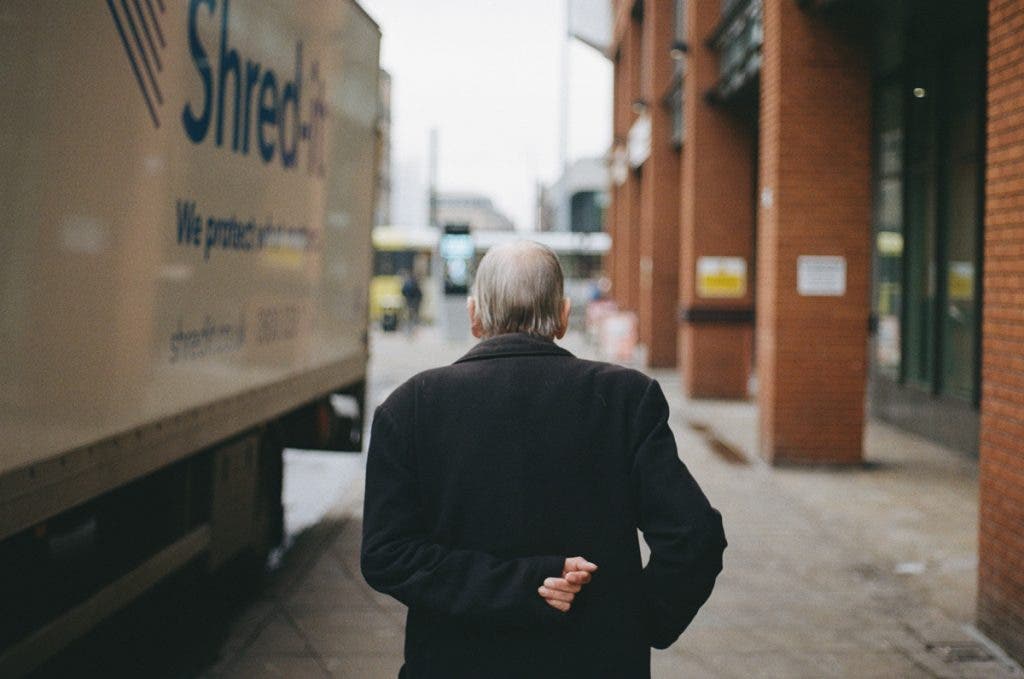
And don’t get me wrong, this way of shooting can get you all kinds of photos, and it’s a totally important and valid way of shooting.
But there’s another side to the equation.
And it’s about reading the future.
Picture this, you’re on a street corner and you can hear all kinds of noises, but you specifically notice the sound of a skateboard. You see the skateboarder coming from 20 meters away, so you’ve got time to think about how to compose and frame a photo. Once the skateboarder has made it to within a couple of meters of you, you’re completely ready for the shot. You get a photo that you wouldn’t have gotten if you weren’t tuned in.
Or how about a different kind of future prediction? You see someone opening the back of a flower van. On any other day, you might not think about that at all, but today, you think about what might happen next. Surely someone’s going to walk from this van carrying some flowers, which could make a really nice street photo. If you wait around for a minute and think about your composition, then you might get a banger.
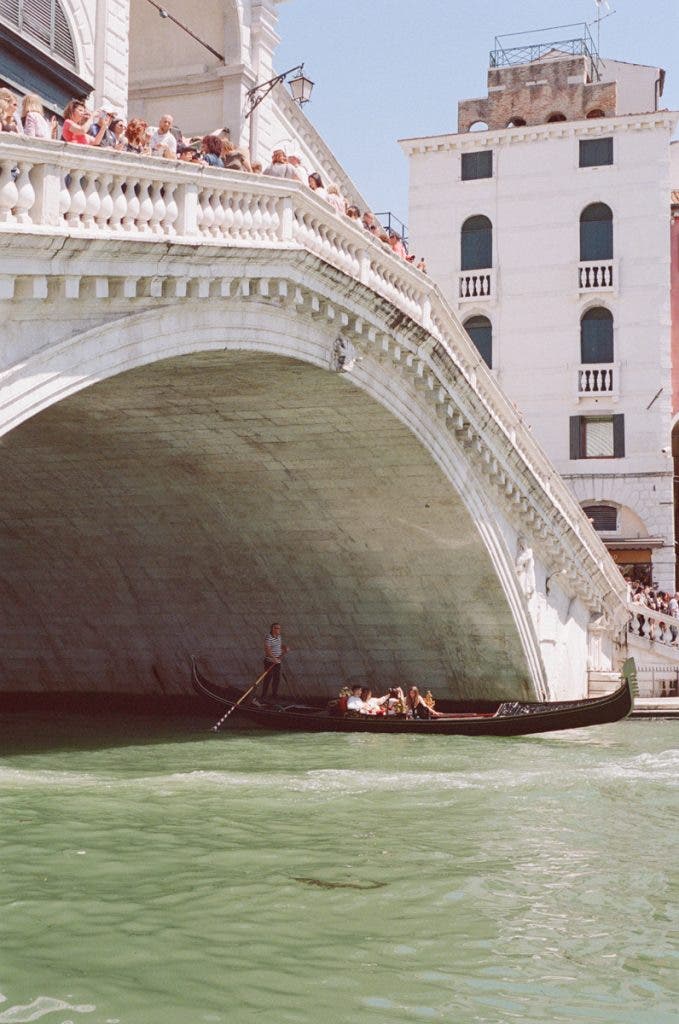
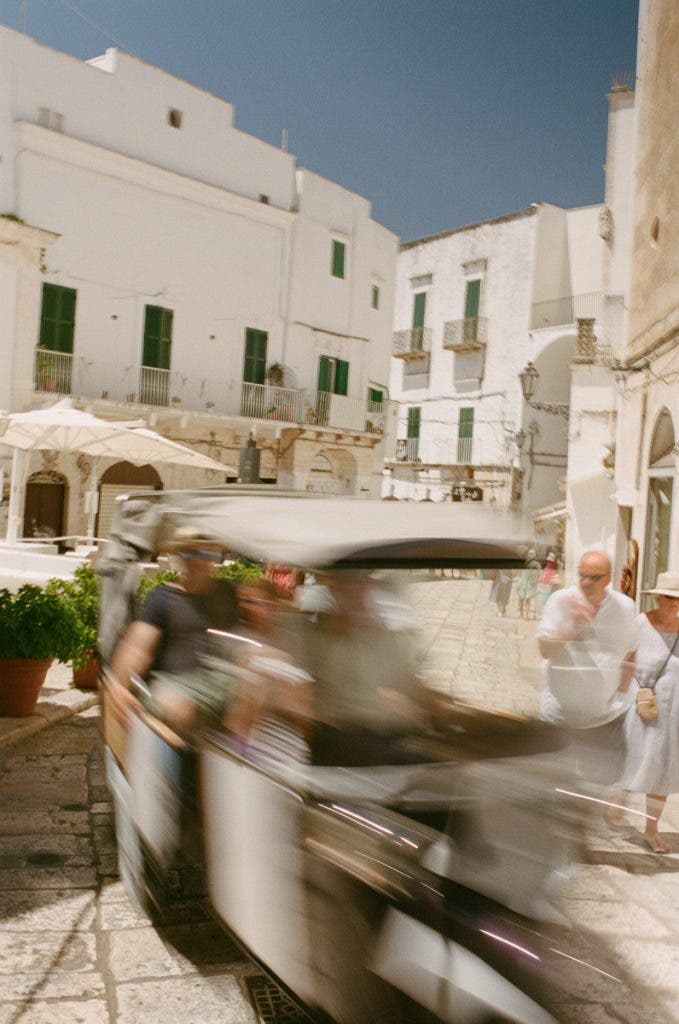
This sounds so simple, but trust me, this is a really hard skill to master, but once you do, you’ll be using it all the time.
So, how do we build and learn this skill?
I like to think it’s kind of like football. In football, the striker runs into spaces they think could lead to a chance to score. Once in a while, they do. In photography, you’ve got to put yourself into positions and situations to potentially get the shot. Sometimes what you think will happen does happen, and it all pays off.
My favourite way to build this skill is what I call the 30-second rule.
Go anywhere, with or without your camera, and try to predict what will happen in the next 30 seconds. Let’s say you’re sat in a park, what could happen next? A jogger could run past, a flock of birds could fly by, someone on roller skates might roll by, the guy on the next bench might light a cigarette, the child walking with his mum might fall over.
You’re not just pulling these predictions out of nowhere; they’re based on what you’re already seeing around you.
It’s kind of like being a photographic detective, you see things and think about what that could mean in the near future, rather than what it means right now. If a bus is pulling up, someone might be running for it in a second; if a van is in traffic, there could be a chance that a dog is hanging its head out of the passenger side window.
This way of shooting isn’t there to take over from the ‘reactive’ way of shooting. Instead, it’s there to go hand in hand with it.
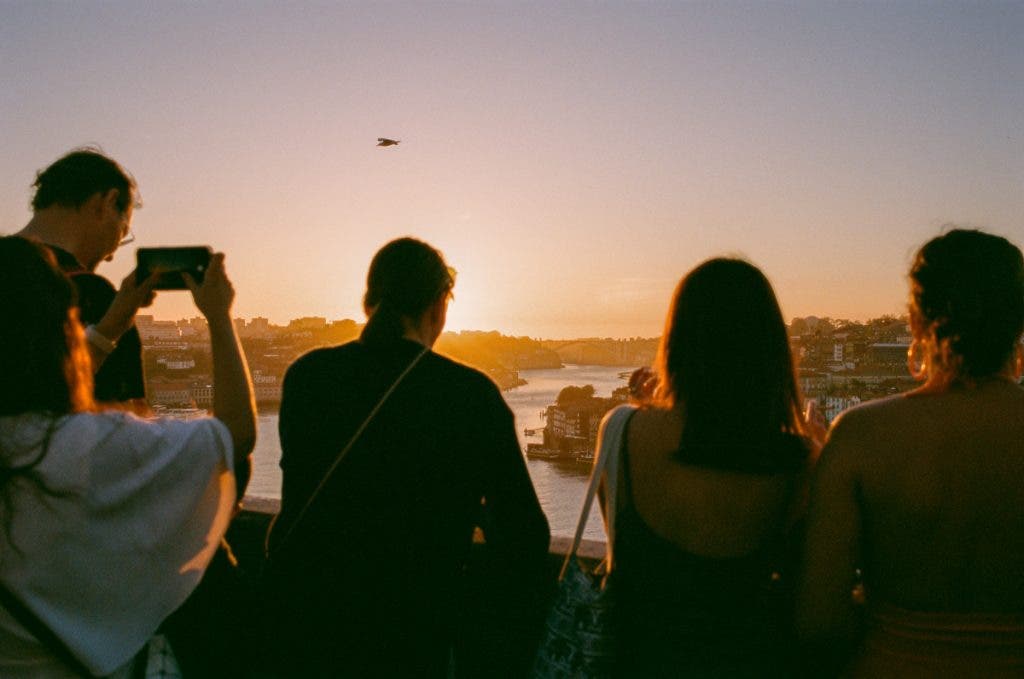
If you can master both the reactive and predictive way of shooting and interchange between the two, then you’ll be way more likely to get those one in a million shots.
Thinking About the Future
Perhaps if I’d have been thinking about the fact that I knew the RAF trained in the Lake District, perhaps I’d have had a camera on me at all times (like we all should), and when I heard the sound, I’d have been ready. Maybe I’d have got one of those shots that are unreplicable.
But since we can’t go back, we should focus on what we can do, building the skills that help us tune into our environment and predict what’s probably going to happen so we can take crazy good photos.
After all, that’s what it’s all about, taking crazy good photos and enjoying ourselves. And to be honest, I think that tuning into our environment this much helps us to focus externally, and that in turn makes us feel happier.
So it’s a win-win. Get out there, practice predicting things, and you’ll notice patterns. It’ll get easier and easier, and you’ll get better and better pictures.
Thanks for taking the time to read my article!