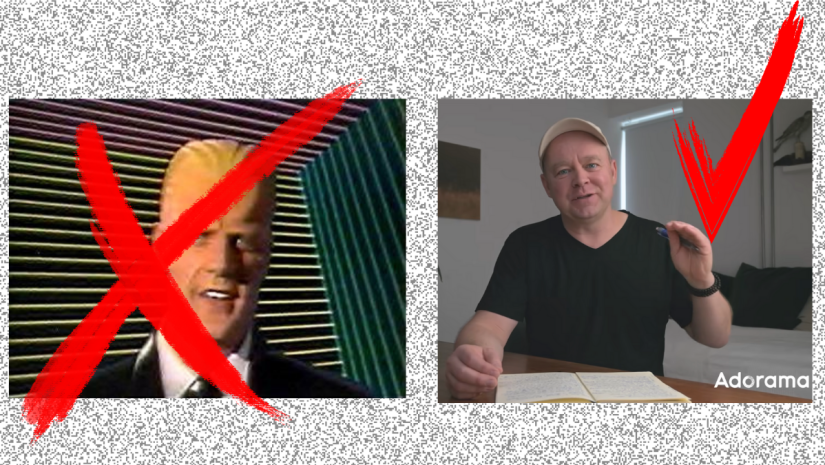
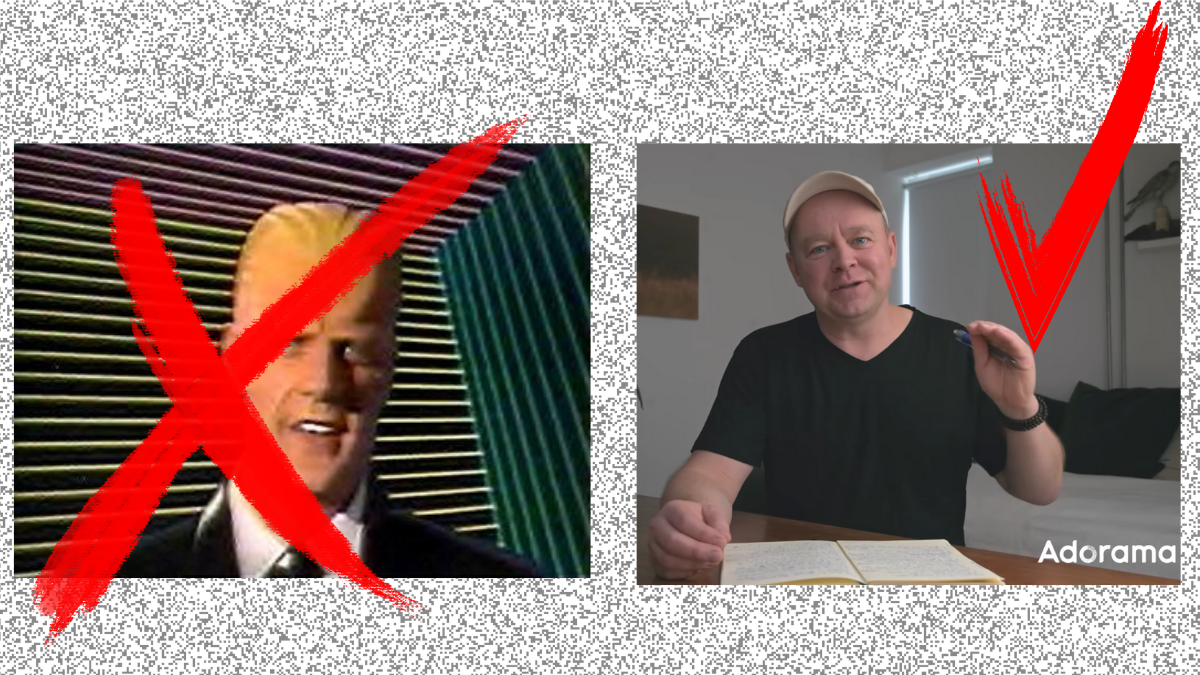
In 2023, when Boris Eldagsen won the Creative category of the prestigious Sony World Photography Awards with an AI-generated image that no one could tell was not real, cold shivers ran down my spine. It was clear to me then that AI-generated content has become more than a joke that any human being can sense from a mile away. Its capacity to gather, aggregate, and present information is nothing less than impressive. No human being can compete with that, at least not without taking years of their lives. No one can learn so much and so fast. With that being said, how can you set yourself apart as a YouTuber in a World Increasingly Dominated by AI?
Surprisingly (or not, as we’ll see later on), trying to survive as a photographer, writer, YouTuber, videographer, or any type of artist in a world more and more dominated by AI pushed us in the right direction. Instead of focusing on beating the algorithms at gathering and providing data, we are forced to focus on ourselves, rediscover humanity, acknowledge our shortcomings, and return to storytelling. So, if you want to set yourself apart as a YouTuber, don’t consider AI an enemy; rather, think of it as a teacher. Here is what I’ve learned so far in my journey as a YouTuber.
Be Smart: Look Up Hegel’s Dialectic
Trust me on this one and look up Hegel’s dialectic. I promise it opens a brand new perspective, even though it is over 200 years old.
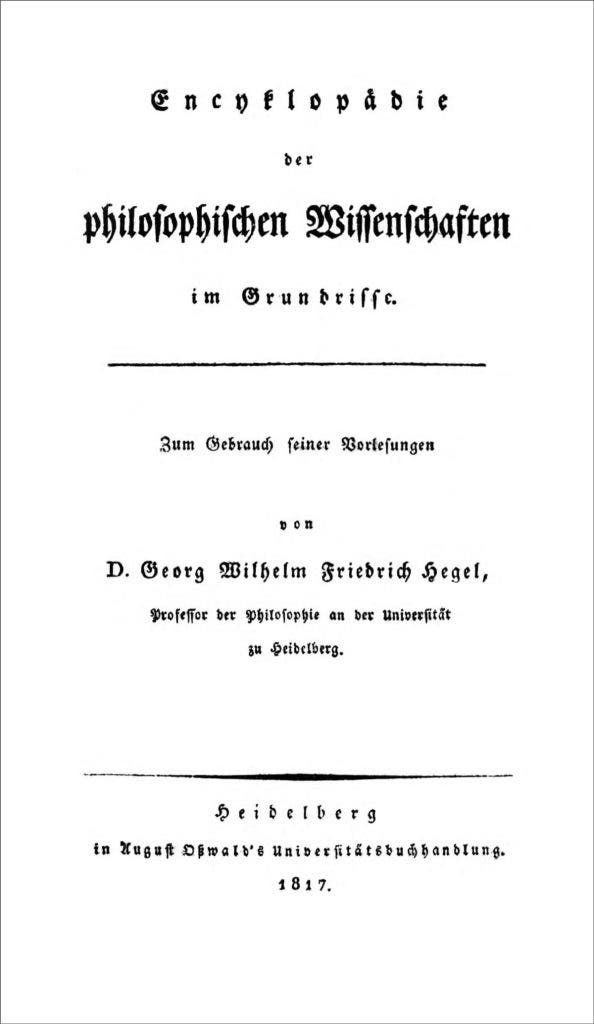
To understand G.W.F. Hegel’s dialectic, you may want to read his Encyclopedia of Philosophical Sciences (1817) in the original German, the more convenient English translation, the explanatory paper on the subject in the Stanford Encyclopedia of Philosophy, the on-point AI overview provided by Google, or what I’m about to tell you. The essence is the same, but the interpretation may differ.
Hegel argues that any form of logic has three moments: He names these moments thesis, antithesis, and synthesis, and, although he refers to logic, over time, they’ve come to be used in a wide range of scenarios, from history to society, from technology to self-development. Think of Hegel’s dialectic like this: a concept of any sort emerges just to be hit in the head by the opposition, which forces it to consider the counterarguments and evolve into a new, better concept.
AI and the Dialectic
Let’s take AI, for instance. It had been a very hot topic for a few years. That’s your thesis. We’d all wanted it in our lives to make our home appliances smarter, to help us edit photos and videos with ease, to assist with autofocus, and so on. Then, the opposition hit, arguing that AI takes people’s jobs and will take over the world if we are not careful. We have our antithesis right there. Now, we are in the synthesis part of Hegel’s dialectic, when we define a better concept that encompasses both thesis and antithesis: you take the best of both worlds, making your videos authentic whilst leveraging the benefits of AI.
So, if you want to set yourself apart as a YouTuber, don’t hate AI. Use it to your advantage, such as for researching, editing your videos, making shorts and summaries from your content, scheduling your content, marketing, and analyzing your audience.
Be Yourself: You Are Hard to Copy
However, my entire YouTuber experience is built on authenticity. Authenticity is the opposite trend, the antithesis in the example above. You are a unique human being, which makes you impossible to copy. At least, not if you don’t let them by simulating a persona you are not.

To improve the authentic feel of your YouTube videos, drop the teleprompter. It’s OK to mess up a word or two from time to time, don’t worry about it. Just use an outline to keep you on topic and relax. Instead of trying to present your content to a large audience, imagine you are having a friendly conversation with just one person sitting behind the camera. You are not a robot addressing the masses, but a human being sharing knowledge with another human being. Emotions are allowed.
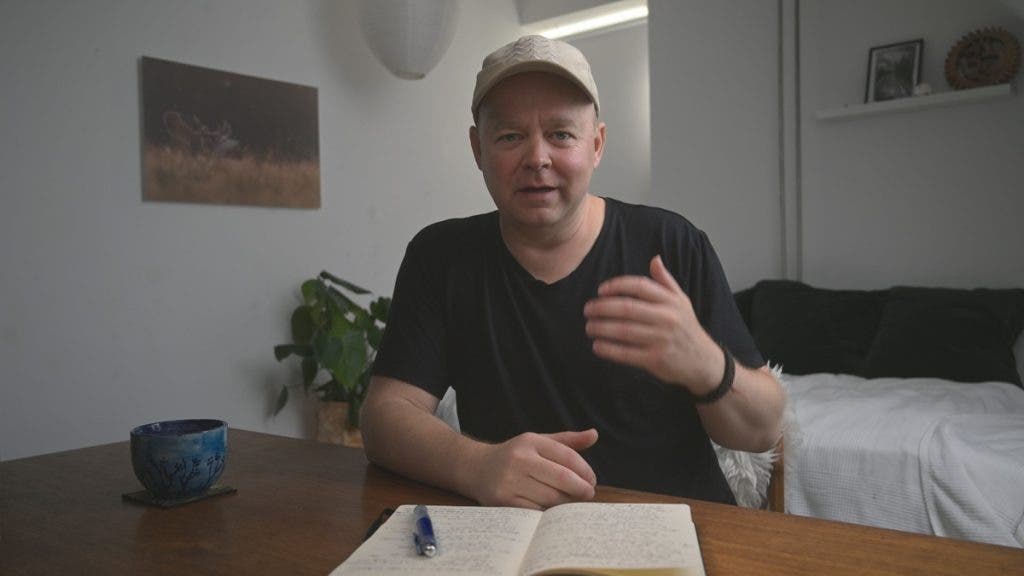
In addition, include stories and real-life experiences, and make the viewer eager to share their experiences as well. Think of your YouTube videos as dialogues. If you optimize them too much, they will feel fake, scripted. But if you let them flow, they will feel natural and engaging. Don’t optimize your script for retention, except for the hook. Otherwise, optimize for authenticity. If you still think you should optimize for retention, do it by adding a lot of B-roll that shows you doing the thing you are talking about.
It builds credibility.
Be Consistent: Publish at Least Once a Week
According to VidlQ research, the more content you post, the faster you grow, and if growing your YouTube channel is what you need to do, then you should publish at least one new piece of content per week. Creating authentic content at this pace may not be easy to sustain at first, but I have a few tips that may help you.
As I have struggled a lot trying to professionally present a topic when I first started my YouTube channel, the first thing I’ve learned is that speaking freely from notes is faster and more natural than writing a complete script and using a teleprompter to recite it in front of the camera. What I do now is look at my notes, speak the sentence or talking point to the camera, pause, and then read the second point from my outline and say that to the camera. If I need a sip of coffee or water, I take it as a small pause to clear my mind and let the information sink in at the same time.
To speed up editing, cut out the dead space first to make the video look fluid and coherent. You’ll see that if you cut out writing a detailed script and editing time, you’ll work at a faster pace and be able to keep up with publishing at least once a week.
Keep Notes on Your Experience
I also have the habit of writing down ideas for my YouTube channel as they come to mind. For instance, if I talk to someone about a certain topic and notice a couple of concepts or a camera model are of interest, I write them down. If I plan a wildlife photoshoot and struggle with logistics, I note tips and apps that helped me get through. Usually, good ideas don’t come when you actively look for them, so I make a point of remembering the ones that do come to me whenever they do.
Be Relatable: Humans Aren’t Perfect
While AI aims to know everything and make no mistakes, humans are and forever will be imperfect. As Sophia Bush said, “You are allowed to be both a masterpiece and a work in progress, simultaneously.”
As a YouTuber, you want to be relatable and build trust. If your viewers trust you, they will come back more often, watch your videos for longer, and interact with you more frequently. They will share your content, and we all know how powerful word-of-mouth is these days. They will subscribe because they want to be part of your trustworthy community.

Relatability is an unbeatable advantage, even for an AI. Because I was trying to be perfect in my early days as a YouTuber, admitting faults wasn’t really on my list. No way I was going to admit that I didn’t know that red deer cast their antlers in February, going to a national park to capture a beautiful stag, and coming home without a shot. But the moment I let one of my many faults slip out into a video, my audience came to life. That was the moment they truly believed in me and acknowledged my experience as a nature photographer. They needed to hear me saying I was wrong before I was right to truly believe the advice I was giving them.

So, don’t be afraid to share your mishaps, shortcomings, and faults. Leave in the bits that make you relatable. Share your progress and teach your viewers how to learn from their mistakes. Here, your real-life experience comes into play. You don’t have to overshare or get into intimate details, though. Select those experiences that support the story and help the topic of discussion.
Final Thoughts
For me, setting myself apart as a YouTuber ultimately comes down to being authentic, embracing my unique perspective, and consistently connecting with my audience. By sharing not only successes but also faults and learning moments, you invite viewers to grow alongside you and build trust. I plan to use AI where it gives me an advantage without relying on it to make me successful. I now understand that there is room for Hegel’s thesis and antithesis in this story. Remember, your humanity is your strength. Besides, while you can use AI’s performance to improve your work, AI can’t use your feelings to improve its own. So, let them shine through in every video, and you’ll stand out in a way that truly resonates with your audience.