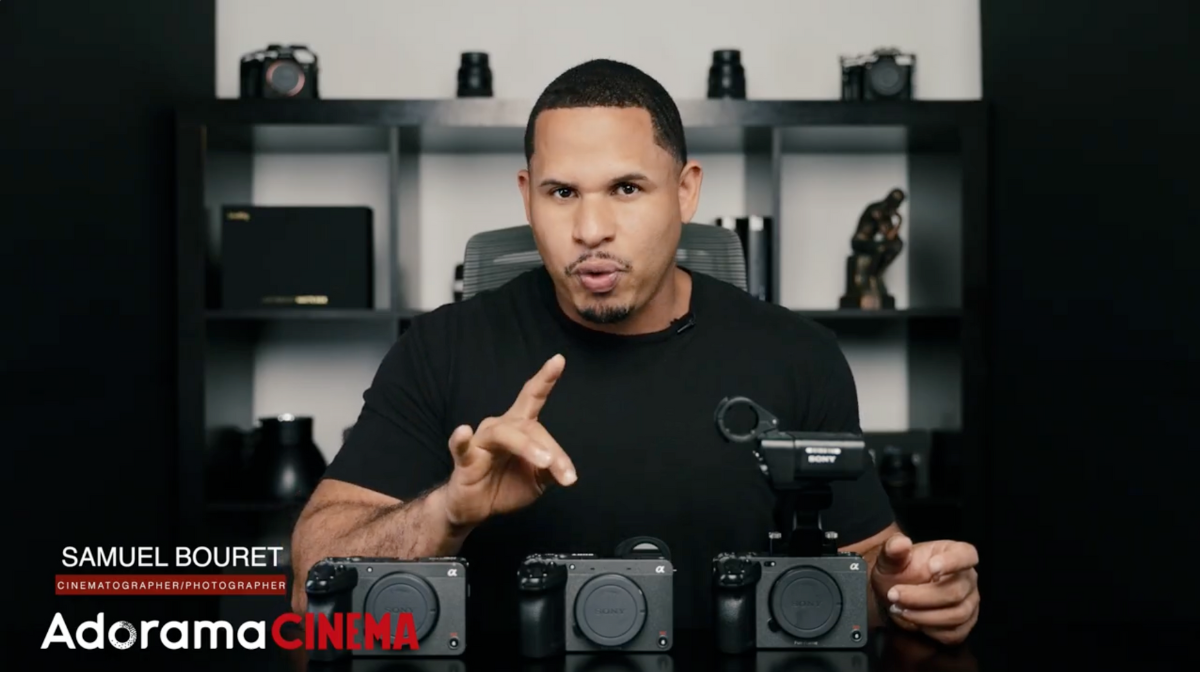
If you’re a cinematographer or hybrid creator choosing between the Sony Cinema line’s FX30, FX3, or FX2, the right choice comes down to your style of work and your budget. Each camera shines in its own lane. However, the differences matter depending on whether you prioritize low-light shooting, hybrid flexibility, or all-out pro video. In this guide, I break down what sets each apart. I will cover specs, real-world performance, and where each model makes the most sense. This will allow you to confidently pick the one that best fits your workflow. Sony FX3, FX2, FX30?
The Sony FX30: Best Entry-Level, Budget-Friendly Choice
If you’re looking for a first step into this line, the FX30 is a fantastic entry point. Despite its approachable price, it delivers cinema-quality features like 6K oversampling, 10-bit 4:2:2 color, and S-Log3 for flexible grading. The FX30 packs all this into a compact, lightweight body that won’t overheat.
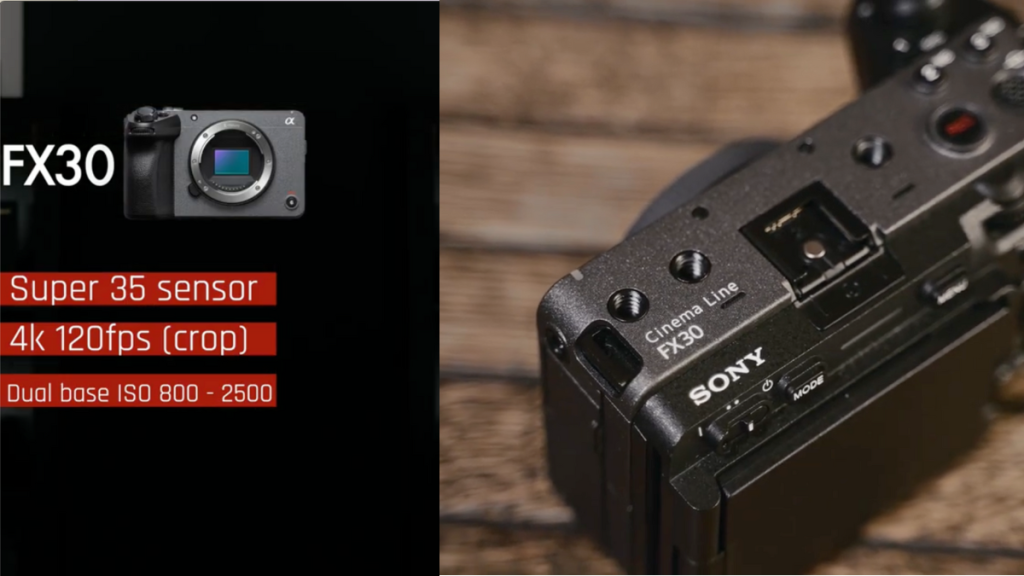
The FX30 runs on a Super 35mm (APS-C) sensor. That means you won’t get the full-frame look. However, many creators prefer it for sharper corners, more depth-of-field control, and versatile lens options. In practical terms, it’s excellent for YouTube videos, weddings, and as a dependable B-cam on commercial shoots.
Lens Considerations and Crop Factor
One thing to keep in mind is the crop factor. If you’re used to a 24mm lens on a full-frame body, you’ll need something closer to 14–16mm on the FX30 to achieve a similar field of view. That might sound limiting, but the upside is that APS-C glass is often smaller, lighter, and less expensive. For travel vloggers and documentary shooters, that makes a real difference when you’re carrying gear all day.
Performance in the Field
The FX30 still holds its own in demanding conditions: 4K at 120 fps (cropped) is available for buttery slow motion, and the dual base ISO of 800 and 2500 ensures you won’t lose quality when shooting in low light. Its compact design also makes it far easier to rig out or mount on a gimbal compared to heavier cinema bodies.
Bottom line
For creators on a budget who don’t need full-frame or high-end stills, the FX30 is hard to beat. At around $1,500, it’s one of the most affordable ways to get into Sony’s Cinema lineup—and it doesn’t cut corners where it counts.
The Sony FX2: A True Hybrid Powerhouse
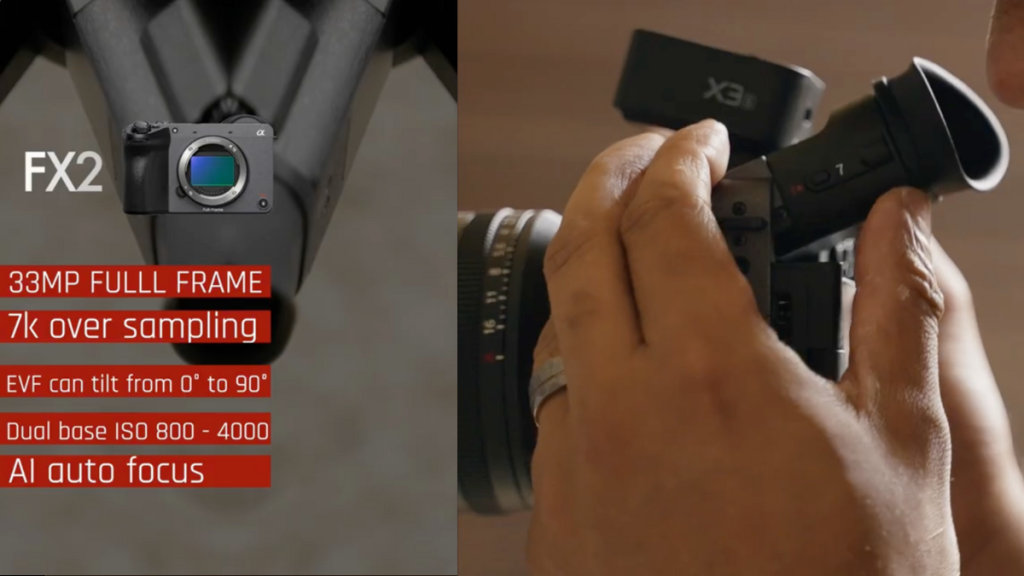
The FX2 is designed for creators who need both stunning stills and pro-level video in one body. Its 33MP full-frame sensor captures high-resolution photos while oversampling 7K down to 4K for sharp, detailed video. Add dual base ISO (800/4000), AI-powered autofocus, and some of the best low-light performance in its class, and you’ve got a hybrid tool that handles almost anything.
Who It’s For
For wedding photographers who also deliver highlight films, or event shooters who can’t afford to miss a beat switching between modes, the FX2 is a dream. Imagine photographing a couple’s first kiss, then seamlessly rolling into 4K video seconds later—all with the same camera and lens. Corporate shooters and solo creators will also appreciate the ability to cover both photos and videos without needing to carry multiple bodies.
Design Details
What sets the FX2 apart is its hybrid-focused design. It features a fully tilting electronic viewfinder (3.68M-dot OLED) for precise stills composition outdoors, as well as a variable-angle LCD for flexible video shooting. Its advanced stabilization modes keep handheld footage smooth, reducing the need for extra gear in run-and-gun setups.
Workflow Advantages
Because the FX2 records 10-bit 4:2:2 internally and supports 16-bit RAW output, you’re covered whether you’re editing a wedding highlight reel, color grading a short film, or processing RAW photos in Lightroom. It also offers vertical menu rotation—perfect for creators producing short-form content for TikTok, Instagram, or YouTube Shorts.
Bottom line
If you need equal strength in photo and video without compromise, the FX2 is the most versatile option in this lineup. It’s not just a hybrid on paper—it’s built to thrive in real hybrid workflows.
The Sony FX3: All-Around Pro Video Choice
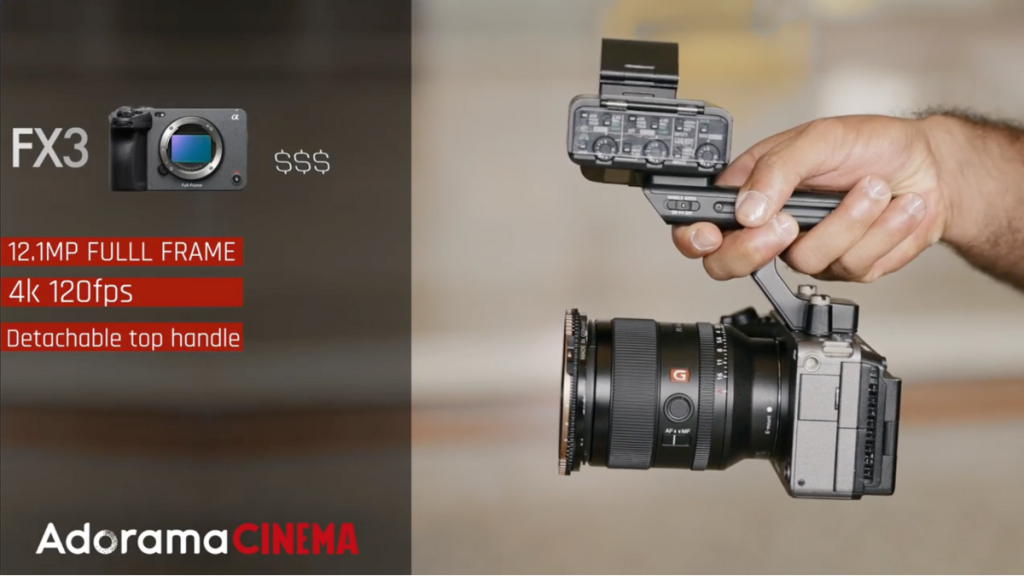
If video is your priority and you want one camera that can handle nearly any production, the FX3 is it. With a 12.1MP full-frame sensor, it delivers exceptionally clean low-light shots, records 4K up to 120 fps with no crop, and features 5-axis in-body stabilization. For documentary filmmakers and solo shooters, that combination is a lifesaver.
Why It Stands Out
The FX3 ships with a detachable top handle featuring XLR audio inputs. That may sound like a small detail, but anyone who has tried to record clean dialogue without professional audio gear knows how valuable it is. This feature alone makes the FX3 a standout for interviews, run-and-gun documentaries, or small-crew projects where audio is often overlooked.
Real-World Use Cases
If you work on commercials or music videos, conduct interviews, or are immersed in projects that demand cinematic quality without having to use a bulky rig, the FX3 could be right for you. Its lightweight, cage-free design includes multiple mounting points, so you can add accessories without investing in extra rigging gear.
Bottom line
For filmmakers who want mobility and strong video performance (without sacrificing image quality) as well as pro audio and top-tier, low-light capabilities, the FX3 is one of the most balanced cameras in Sony’s lineup and my all-around pro pick.

At-a-Glance: Key Features and Differences
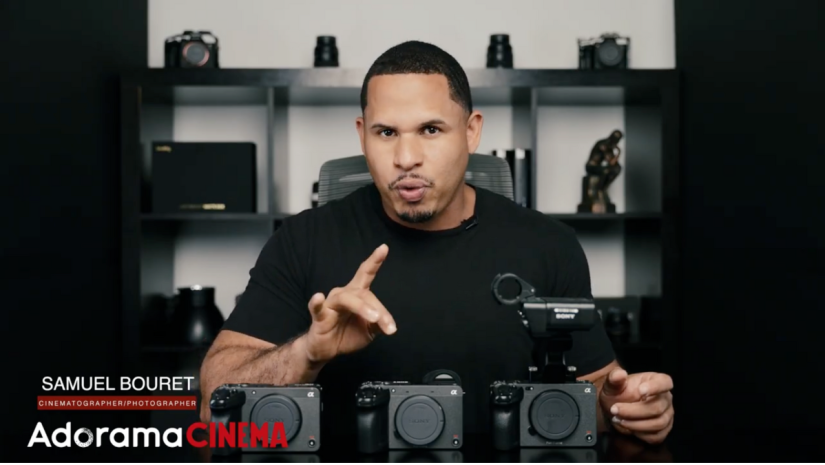
Key Features: Sony FX3, FX2, FX30
- FX30 → Compact, budget-friendly Super 35mm (APS-C) with 6K oversampling, 4K up to 120 fps (cropped), and dual base ISOs of 800 and 2500. Best for creators starting out or looking for a lightweight B-cam.
- FX2 → Full-frame hybrid with a 33MP sensor, 7K oversampled 4K (up to 60 fps), dual base ISO 800/4000, EVF, and versatile design. Ideal for shooters who need high-quality photos and video in a single package.
- FX3 → Full-frame cinema-focused body with a 12.1MP sensor, 4K up to 120 fps with no crop, in-body stabilization, and pro audio via detachable XLR handle. Designed for filmmakers who want top-tier video performance.
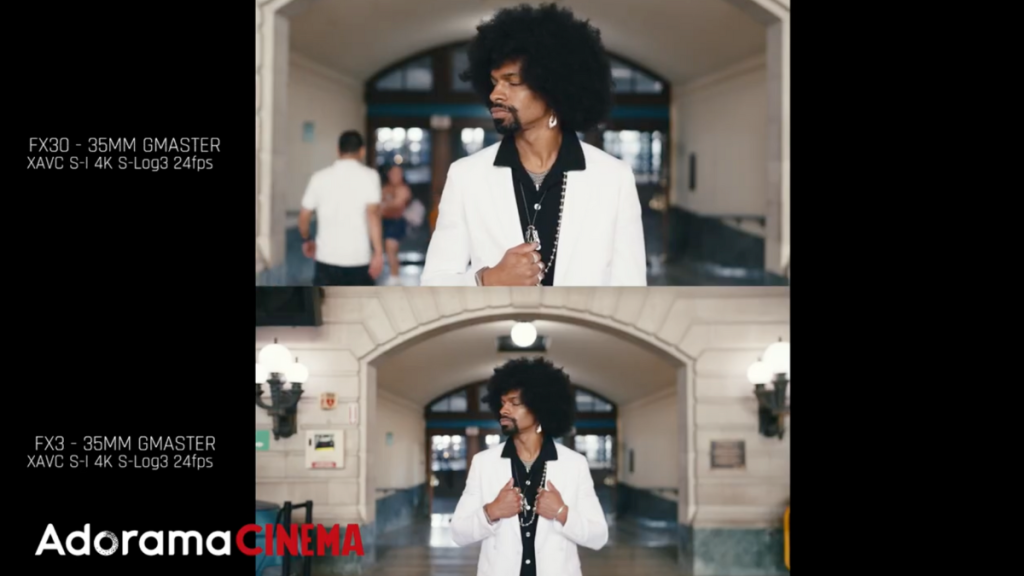
Key Differences: Sony FX3, FX2, FX30
- Sensor: The FX30 utilizes Super 35; the FX3 and FX2 are full frame (with the FX2 offering higher resolution).
- Video: The FX30 and FX3 support 4K 120fps. The FX2 oversamples from 7K for sharper 4K (although capped at 60fps).
- Stills: The FX2 is the only one built for serious photography.
- Low Light: The FX3 leads as far as noise is concerned. The FX2 follows with dual base ISOs of 800 and 4000, making it very versatile. The FX30 is solid but more limited.
- Body Design: The FX2 is a true hybrid with an EVF. The FX3 is optimized for pro video, and the FX30 is compact and affordable.
The Bottom Line: Sony FX3, FX2, FX30
There’s no single “best” camera here—just the best one for your needs and budget:
- FX30 → Go with this if you want the most affordable way into Sony’s Cinema line, are okay with Super 35mm crop, or need a reliable, lightweight B-cam.
- FX2 → Choose this if you’re a hybrid creator who needs equally strong stills and video without compromise.
- FX3 → Pick this if you’re a filmmaker prioritizing pro-level video, low-light performance, and built-in audio solutions.
Whichever you choose, all three deliver outstanding image quality and professional tools—it’s about matching the camera to your shooting style. And that’s the beauty of this lineup: whether you’re just getting started or you’re already shooting high-end productions, there’s a Sony FX model designed to meet you right where you are.